George S. Rigakos – författare
Visar alla böcker från författaren George S. Rigakos. Handla med fri frakt och snabb leverans.
21 produkter
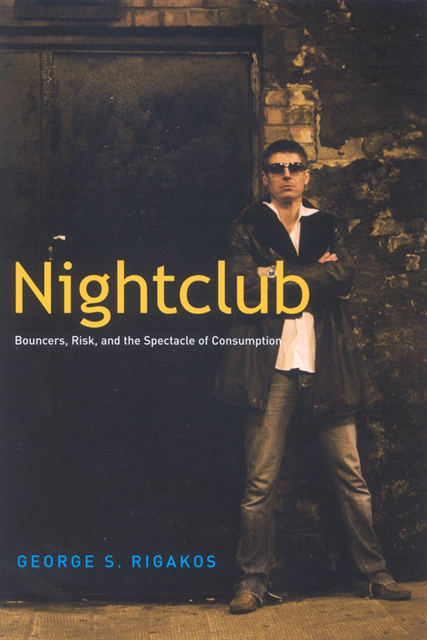
Nightclub
Bouncers, Risk, and the Spectacle of Consumption
E-bok, 2008
357 kr
Lägg i varukorg
People go to nightclubs to see and be seen - to view others as aesthetic objects and to present themselves as objects of desire. Rigakos argues that this activity fuses surveillance and aesthetic consumption - it fetishizes bodies and amplifies social capital, producing violence and crises fuelled …
Nightclub
Bouncers, Risk, and the Spectacle of Consumption
E-bok, 2008
345 kr
Lägg i varukorg
People go to nightclubs to see and be seen - to view others as aesthetic objects and to present themselves as objects of desire. Rigakos argues that this activity fuses surveillance and aesthetic consumption - it fetishizes bodies and amplifies social capital, producing violence and crises fuelled …
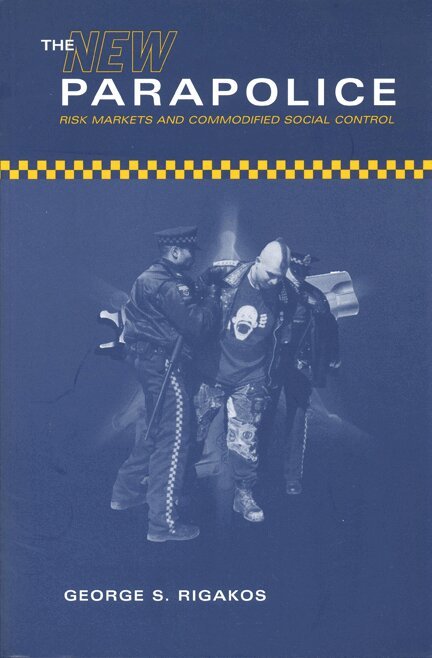
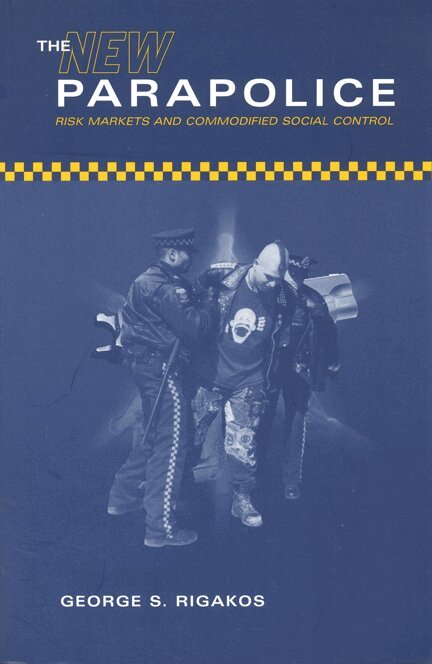
New Parapolice
Risk Markets and Commodified Social Control
Häftad, 2002
446 kr
Lägg i varukorg
Policing in a capitalist economy is run on both state and private levels. Much existing literature on private policing assumes that the private sector is oriented almost exclusively towards loss prevention, and does not fulfil a crime-control function. In this carefully researched study, George …
General Police System
Political Economy and Security in the Age of Enlightenment
Av George S Rigakos, John L McMullan m. fl.
Häftad, 2009
537 kr
Lägg i varukorg
General Police System
Political Economy and Security in the Age of Enlightenment
Av George S Rigakos, John L McMullan m. fl.
Inbunden, 2009
904 kr
Lägg i varukorg
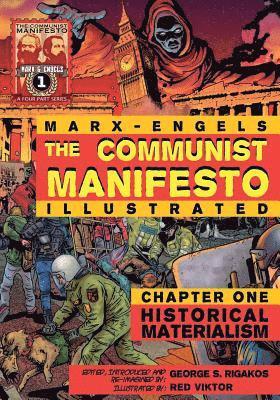
Communist Manifesto (Illustrated) - Chapter One
Historical Materialism
Av Karl Marx, Friedrich Engels m. fl.
Häftad, 2010
198 kr
Lägg i varukorg
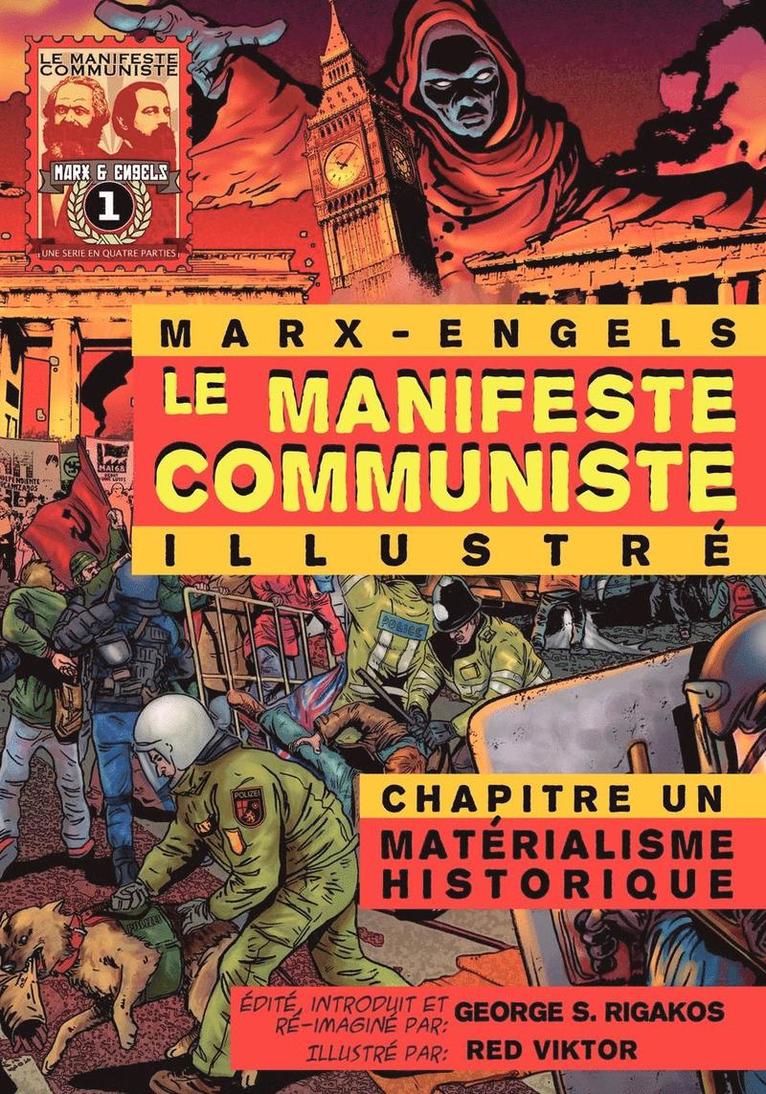
Manifeste Communiste (Illustre) - Chapitre Un
Materialisme Historique
Av Karl Marx, Friedrich Engels m. fl.
Häftad, 2010
198 kr
Lägg i varukorg
Kommunistische Manifest (Illustriert) - Kapitel Eins
Historischer Materialismus
Av Karl Marx, Friedrich Engels m. fl.
Häftad, 2010
198 kr
Lägg i varukorg
Manifiesto Comunista (Ilustrado) - Capitulo Uno
Materialismo Historico
Av Karl Marx, Friedrich Engels m. fl.
Häftad, 2010
198 kr
Lägg i varukorg
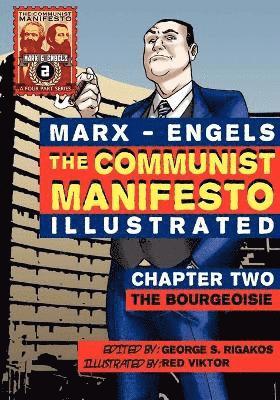
Communist Manifesto (Illustrated) - Chapter Two
The Bourgeoisie
Av Karl Marx, Friedrich Engels m. fl.
Häftad, 2011
198 kr
Lägg i varukorg
Manifeste Communiste (illustre) - Chapitre Deux
La Bourgeoisie
Av Karl Marx, Friedrich Engels m. fl.
Häftad, 2011
198 kr
Lägg i varukorg
Kommunistische Manifest (Illustriert) - Kapitel Zwei
Die Bourgeoisie
Av Karl Marx, Friedrich Engels m. fl.
Häftad, 2011
198 kr
Lägg i varukorg
New Parapolice
Risk Markets and Commodified Social Control
E-bok, 2002
1255 kr
Lägg i varukorg
Policing in a capitalist economy is run on both state and private levels. Much existing literature on private policing assumes that the private sector is oriented almost exclusively towards loss prevention, and does not fulfil a crime-control function. In this carefully researched study, George …
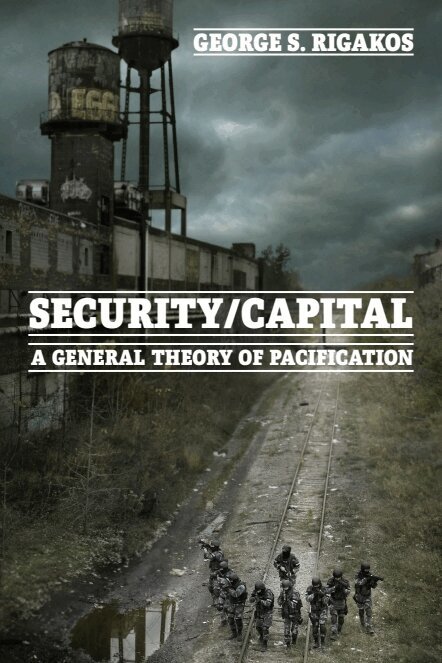
Security/Capital
A General Theory of Pacification
Häftad, 2016
232 kr
Lägg i varukorg
What is security, and what is its relationship to capitalism? George S. Rigakos' explosive treatise charts the rise of the security-industrial complex. Starting from a critical appraisal of ‘productive labour’ in the works of Karl Marx and Adam Smith, Rigakos builds a conceptual model of …
Manifi esto Comunista (Ilustrado) - Capítulo Dos
La Burguesía
Av Karl Marx, Friedrich Engels m. fl.
Häftad, 2011
193 kr
Lägg i varukorg
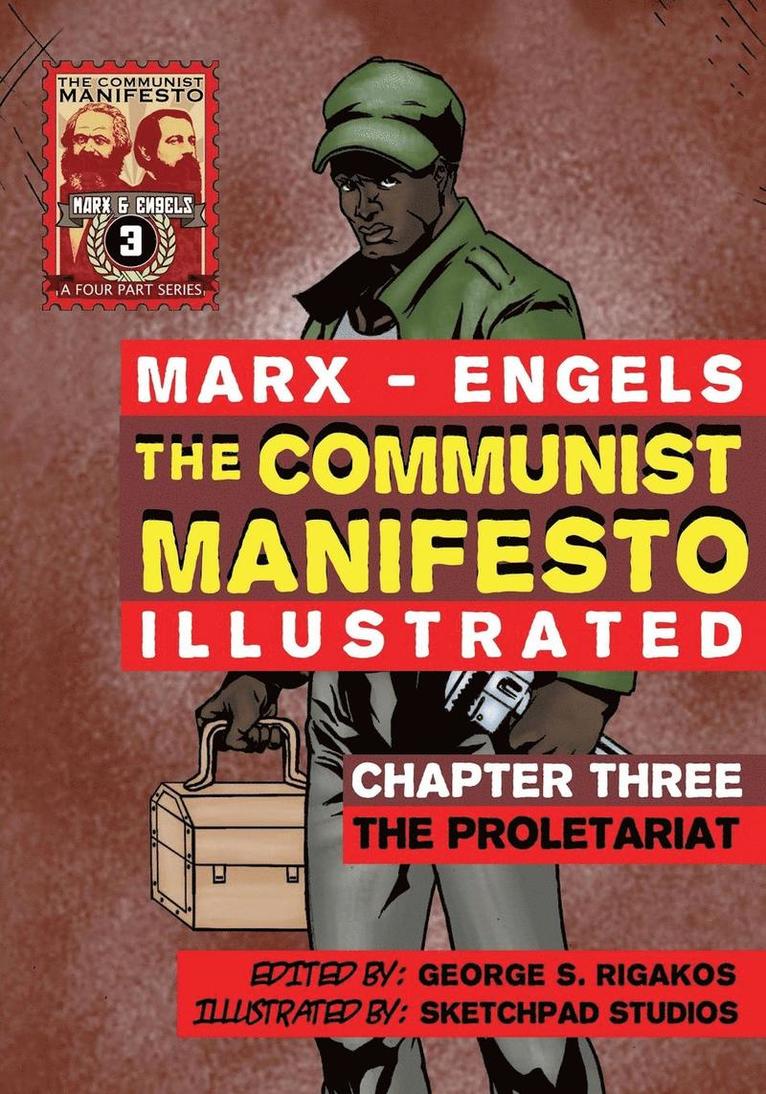
Communist Manifesto (Illustrated) - Chapter Three
The Proletariat
Av Karl Marx, George S Rigakos
Häftad, 2012
198 kr
Lägg i varukorg
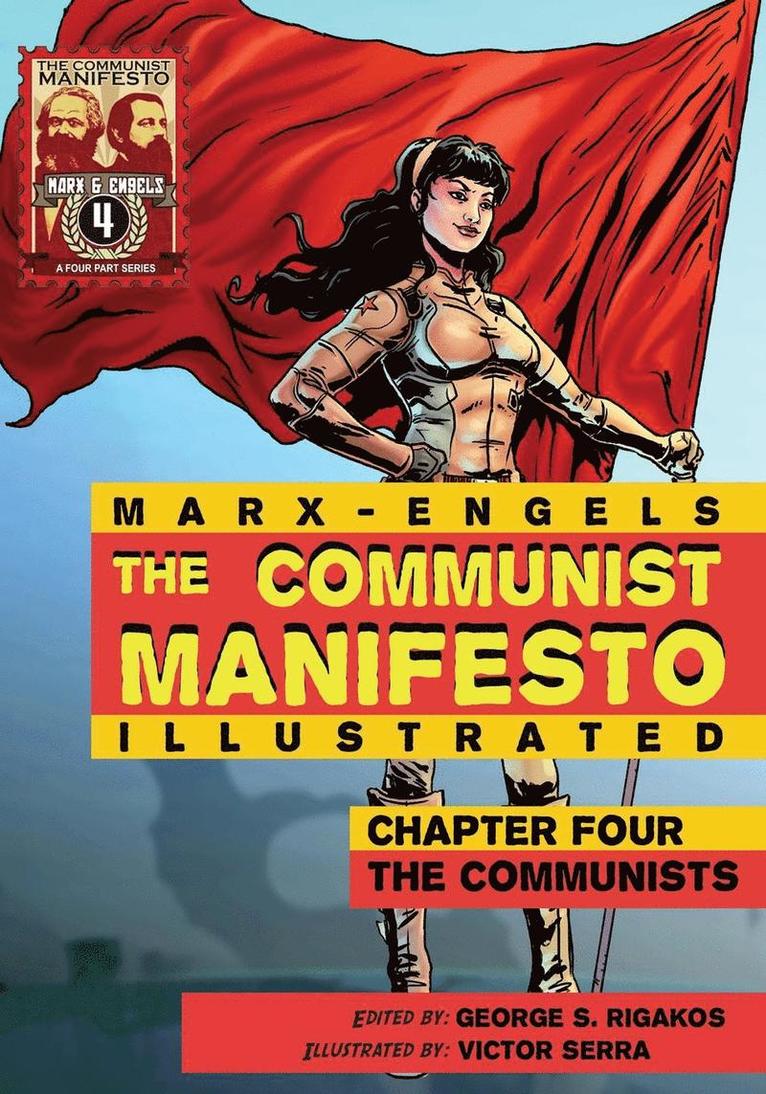
Communist Manifesto (Illustrated) - Chapter Four
The Communists
Av Karl Marx, George S Rigakos
Häftad, 2015
217 kr
Lägg i varukorg
Kommunistische Manifest (Illustriert)
Kapitel Vier: Die Kommunisten
Av Karl Marx, George S Rigakos
Häftad, 2015
198 kr
Lägg i varukorg
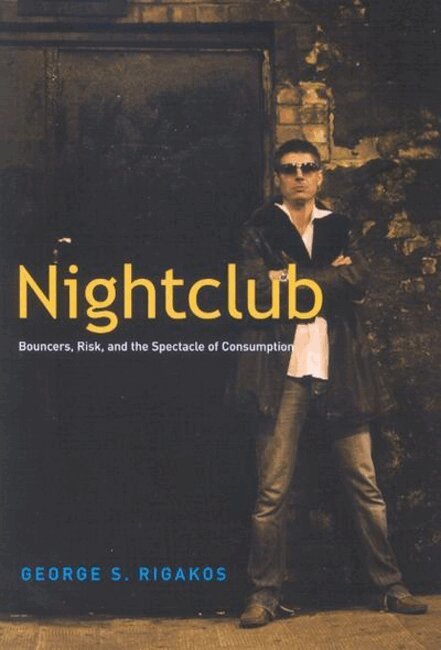
Nightclub
Bouncers, Risk, and the Spectacle of Consumption
Häftad, 2008
442 kr
Tillfälligt slut
How the urban night is being redefined by club culture, violence and the bouncers who police it
New Parapolice
Risk Markets and Commodified Social Control
Inbunden, 2002
944 kr
Tillfälligt slut
Policing in a capitalist economy is run on both state and private levels. Much existing literature on private policing assumes that the private sector is oriented almost exclusively towards loss prevention, and does not fulfil a crime-control function. In this carefully researched study, George …