George Woods - Böcker
Visar alla böcker från författaren George Woods. Handla med fri frakt och snabb leverans.
20 produkter
20 produkter
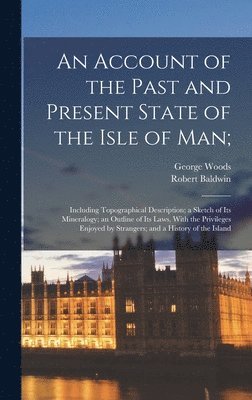
Account of the Past and Present State of the Isle of Man;
Including Topographical Description; a Sketch of Its Mineralogy; an Outline of Its Laws, With the Privileges Enjoyed by Strangers; and a History of the Island
Inbunden, Engelska, 2022
405 kr
Skickas inom 5-8 vardagar
336 kr
Skickas inom 5-8 vardagar
168 kr
Skickas inom 5-8 vardagar
266 kr
Skickas inom 5-8 vardagar
178 kr
Skickas
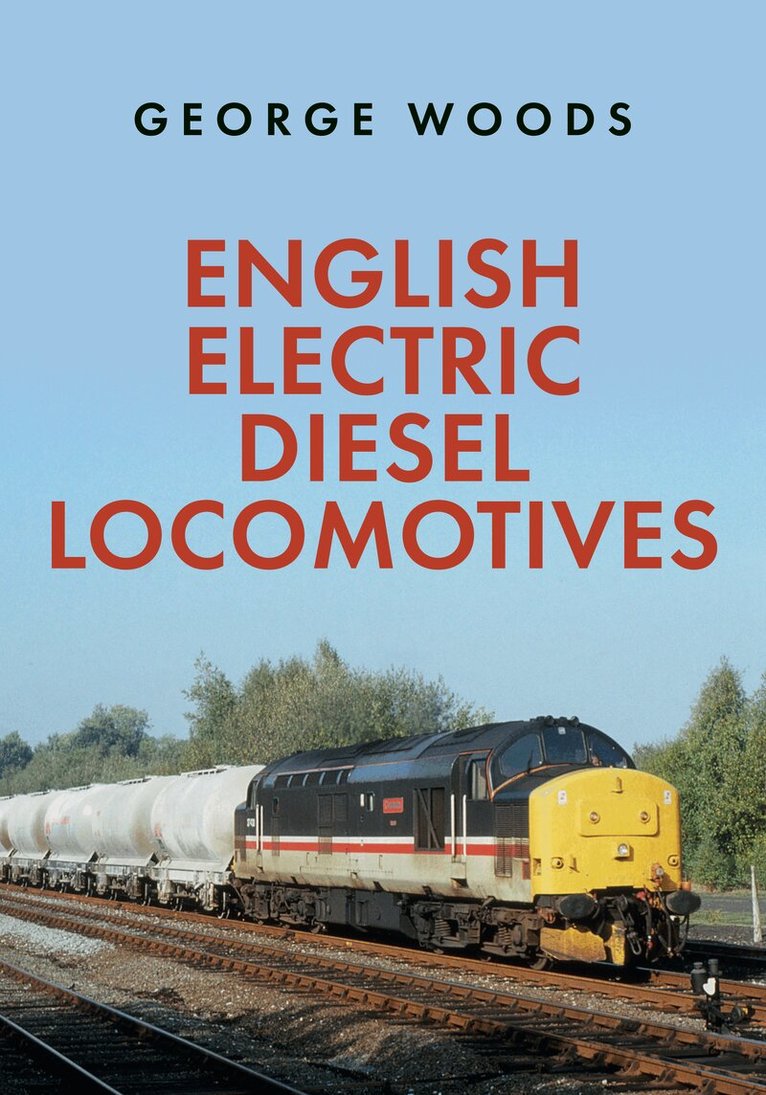
English Electric built their first diesel loco in 1936 and, before the company closed in 1968, built thousands of diesel and electric locos that saw service all over the world. They were among the companies chosen by BR to build prototype diesel locos for the Modernisation Scheme of 1955, which would see the replacement of steam traction by diesels and electrics. Locos were built to suit a wide variety of duties, some remaining in everyday service fifty years later.This book of mostly unpublished colour photographs from the collection of George Woods shows them in service all over the BR system from 1966 to 2019 working a wide variety of trains, both passenger and freight, in the great variety of liveries they wore both during their BR service and in later years under private ownership.
178 kr
Skickas
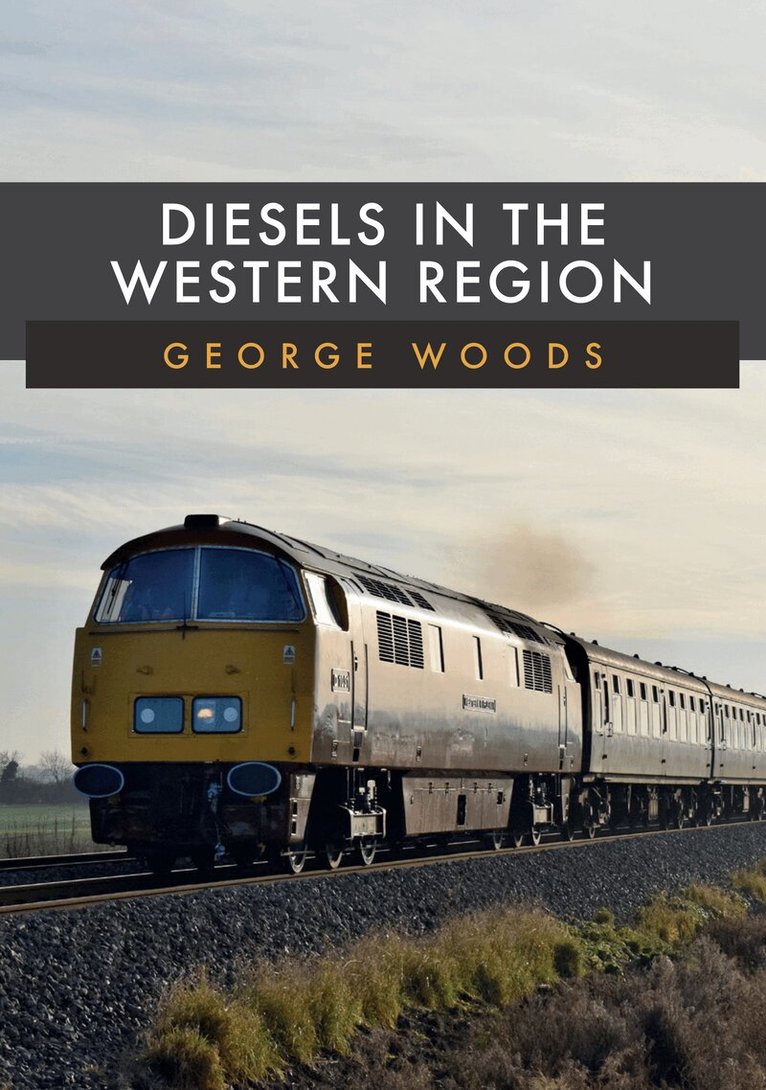
The Great Western Railway was always a little different to the rest of the railways, and that was still the position when in 1955 British Railways announced their Modernisation Plan that would see steam replaced by diesels and electrics. The rest of the railway regions opted for diesel-electric locos but the Western would be different, opting for diesel-hydraulics. The first entered service in 1957 and by 1964 six different classes were introduced. Unfortunately there were problems with them all, which were largely solved as experience was gained, but the BRB was in favour of standardisation using the diesel-electric type and they saw the Western hydraulics as non-standard, which resulted in their early withdrawal from service by 1977.This book of mostly unpublished colour pictures taken by George Woods shows them in service from 1966 to 2019, and also includes the Class 50 locos that became their replacements.
172 kr
Skickas
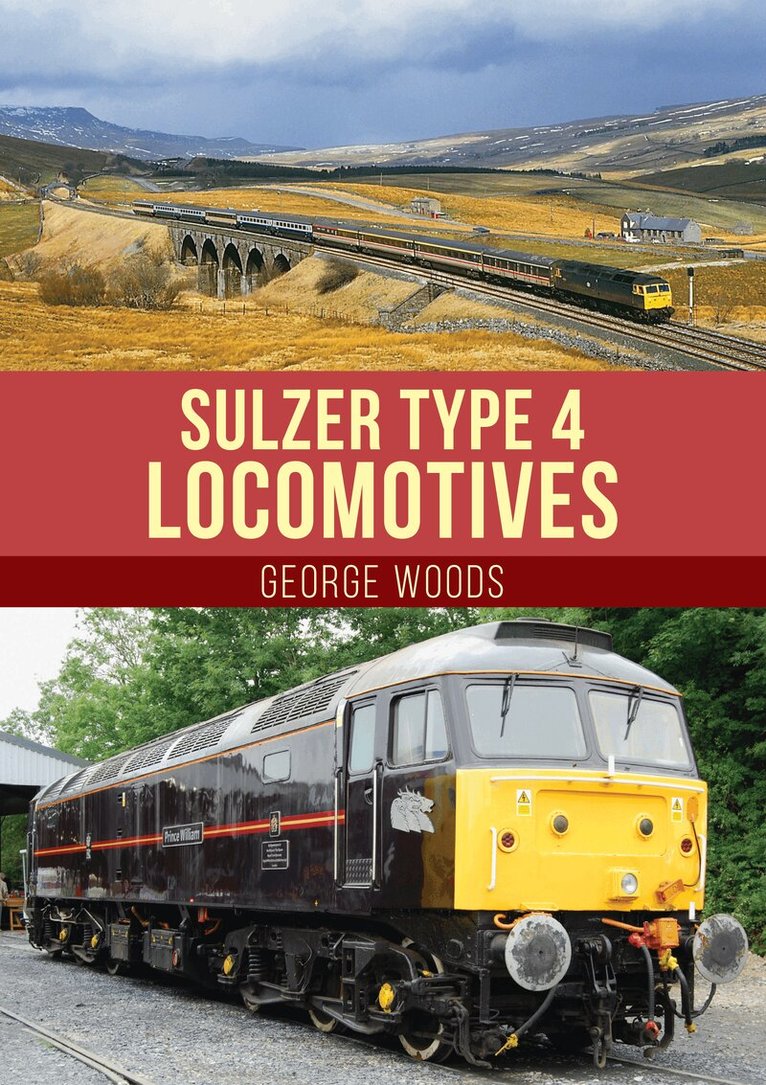
The BR modernisation plan of 1955 envisaged the replacement of steam traction with diesel and electric locos by around 1975. Chief among the requirements was a loco more powerful than the 2,000-hp locos that had been produced before then.The Sulzer Company in Switzerland were able to provide an engine of 2,300 hp, which was used in the Class 44. An updated 2,500-hp version was used in classes 45 and 46. There were 127 of these locos built at Crewe and Derby between 1960 and 1962, but they were overweight so a lighter co-design that would become Class 47 was developed using an uprated Sulzer engine producing 2,750 hp. A total of 512 of these were built between 1962 and 1966.This book of mostly unpublished colour photographs by George Woods shows the locos in service from 1966 to 2019, working many different types of traffic throughout the BR system.
178 kr
Skickas
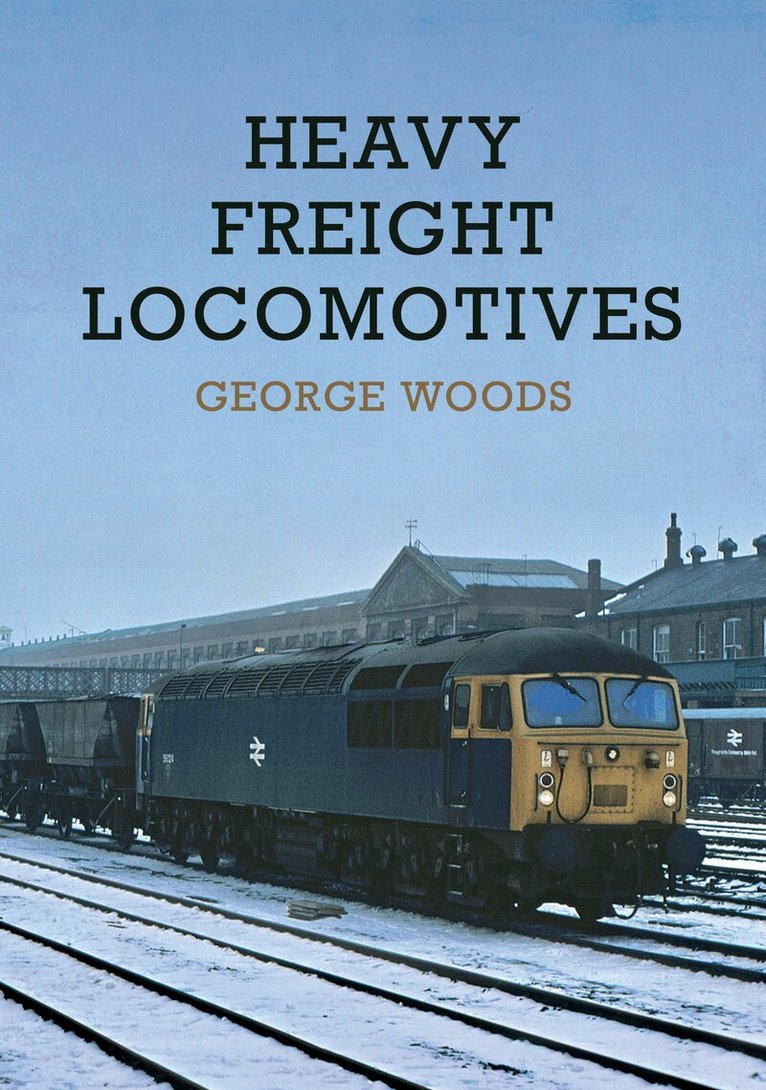
In the 1970s the introduction of the merry-go-round coal trains required a far more powerful loco, leading to the 3300 hp Class 56 being built. For general freight services, the Class 60 was developed. Both these types suffered from reliability problems in their early years. Several large stone companies in Somerset became frustrated with the constant loco problems that BR were having and decided to order their own locos, choosing General Motors in the USA to supply them. This resulted in the Class 59, which started service in 1986 and proved to be so effective that other Railfreight operators followed suit and ordered what became Class 66. Eventually, more than 400 entered service.This book of mostly unpublished colour photographs, taken by George Woods between 1966 until 2019, show the locos hauling a variety of trains all over the BR system.
178 kr
Skickas
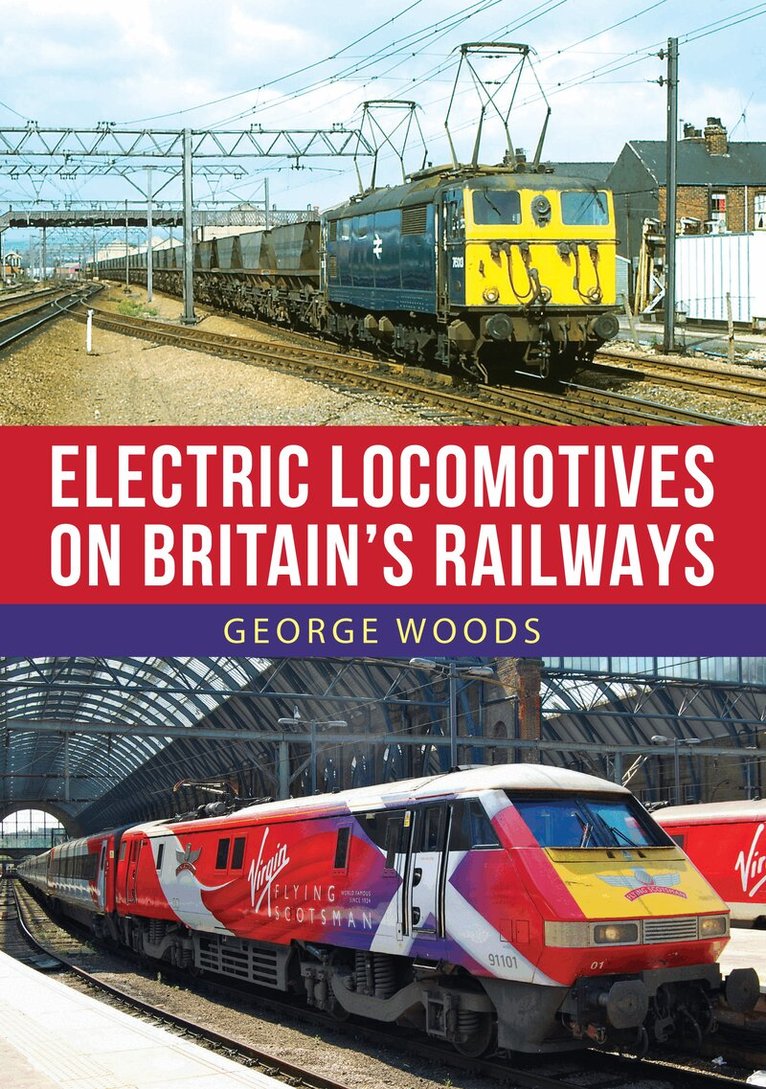
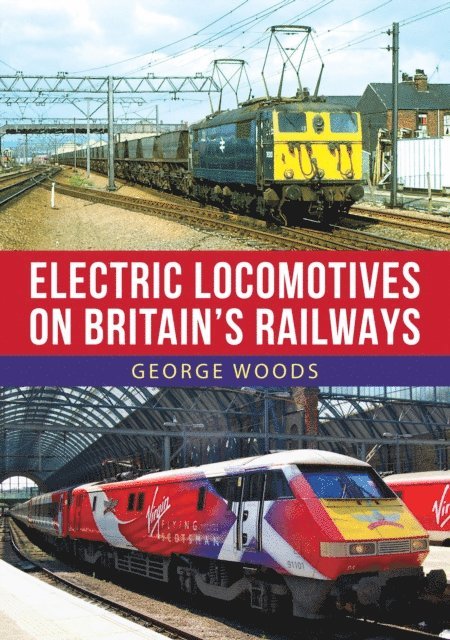
Before the West Coast Route electrification was completed in 1966, the electric locomotive was quite a rare beast on Britain’s railways, with the exception of the Manchester to Sheffield service that had been electrified from 1954. There were plenty of EMUs running on suburban systems around large cities and in the south of England, but otherwise steam was king. This all changed when BR announced their Modernisation plan in 1955, which envisaged that steam locos would be replaced by diesel and electric traction by around 1975. The aim was to have all the main lines and the busiest suburban services electrified using the 25,000-volt system with overhead wires rather than the third rail system used on existing electrified routes.This book of largely unpublished colour photographs by George Woods aims to show the different electric locomotive types used on the BR network since 1966, and the variety of trains that they hauled.
178 kr
Skickas
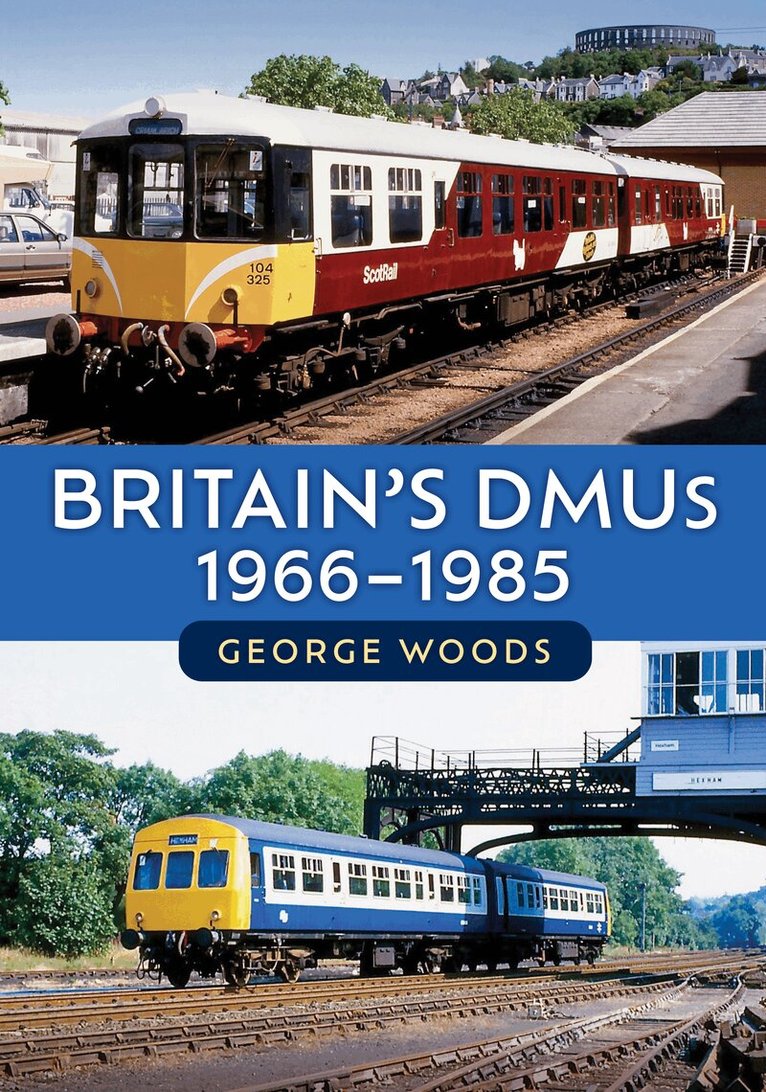
Diesel trains had been introduced even before the announcement of the British Railways modernisation plan in 1955. The first was the BR Derby Lightweight design of 1954, followed by the Metro-Cammell trains in 1955. The Derby units were placed in service in the West Riding of Yorkshire on many services around Leeds and Bradford. They were an instant success, these new cleaner and faster trains increasing traffic levels on all the routes that they were used on.This led to BR introducing similar types of this train all over the BR system. These were built by many different companies and used on services varying from city commuter trains to middle-distance mainline workings.George Woods illustrates the trains in service from Perth down to Cornwall and Workington to Hull between 1966 and 1985 through a fine collection of previously unpublished photographs.
172 kr
Skickas
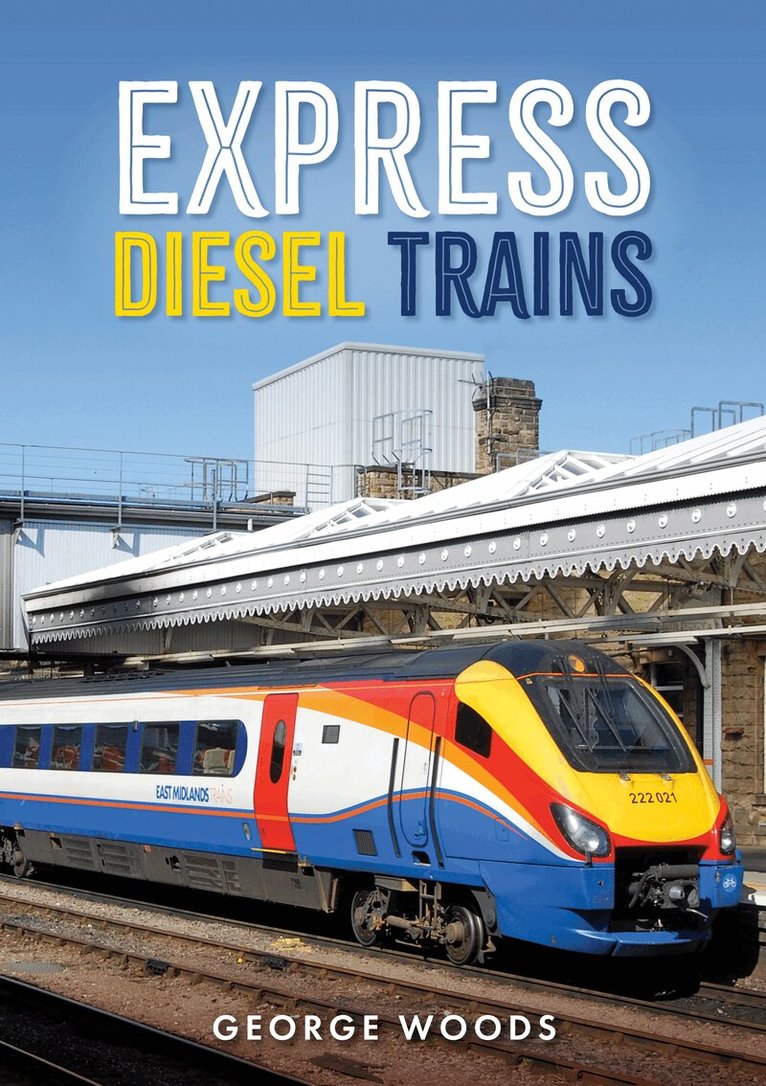
In 1968 British Rail introduced a prototype train that would revolutionise rail travel, and form the backbone not only of BR services, but those of the companies that took over after the privatisation of the railways in 1994. This, of course, was the High Speed Train, which introduced 125 mph speeds to the UK and cut journey times as never before.Other fast diesels such as the Class 220 and Class 180 followed, but none have had the impact or long-term success of the 125. The latest Azuma trains, at the current forefront of high-speed travel, are also featured.
178 kr
Skickas
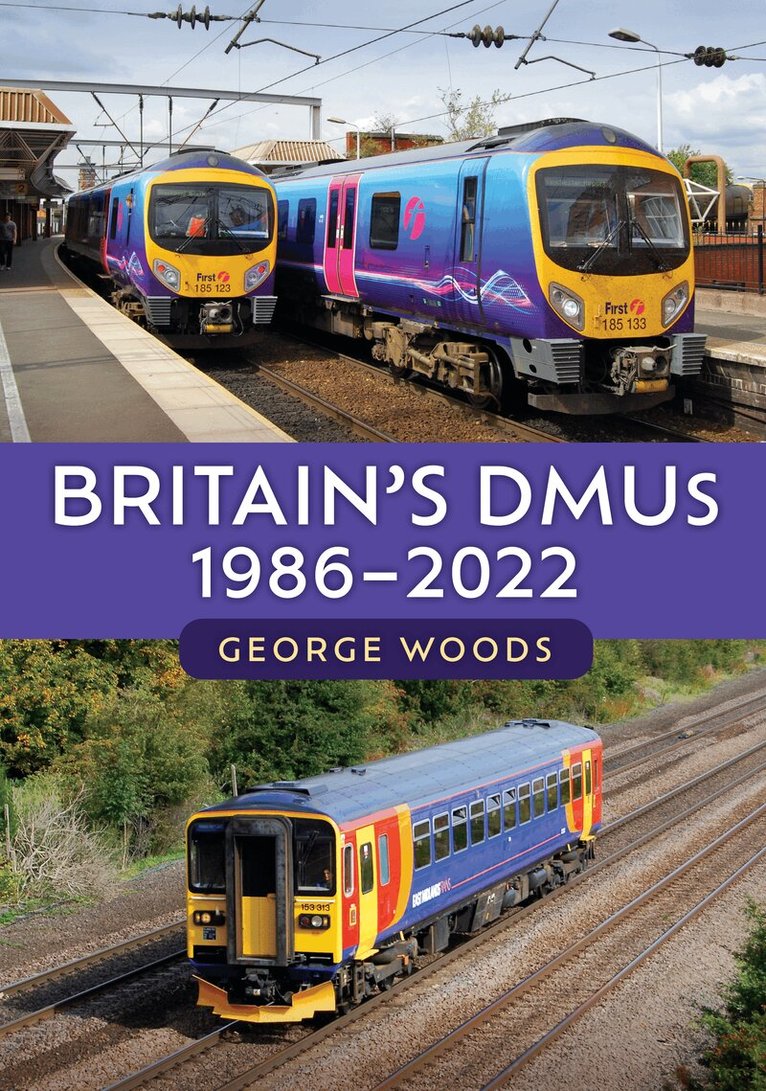
By the 1980s, earlier DMUs were coming to the end of their useful lives and BR were introducing the first of the next generation. The replacements started with Class 141 Pacers, which were four-wheel units based on a wagon chassis with a Leyland bus body, intended for branch-line services. Soon after the Class 150 Sprinter two-car train emerged from Derby Works for use on shorter distance routes. The 155/156 Super Sprinters were introduced for longer journeys and followed in 1989 by the Express Sprinter, which took over the more important services from the 156 and remains in front-line service until the present day. Class 170 Turbostars, introduced in 1998, were also used on long-distance routes, especially in Scotland.With a wealth of previously unpublished photographs captured in a variety of interesting locations, George Woods celebrates the second generation of DMUs on the British rail network.
178 kr
Skickas inom 11-20 vardagar
The 1960s was a decade of great change on British railways as it went through the changeover from steam to diesel and electric traction.Steam passenger railways started and finished in Lancashire, where in 1829 the first passenger service from Liverpool to Manchester ran, and in early August 1968 the last British Railways steam-hauled services finished. Many pictures are taken in locations that have changed beyond all recognition, or have disappeared altogether.George Woods shows steam in action and at rest in a large variety of locations in picturesque Lancashire, taking in both open countryside and urban scenes during the last years of steam operation, 1966 to 1968.
168 kr
Skickas inom 11-20 vardagar
Railway enthusiasts living in London in the 1960s saw steam gradually disappearing from the capital’s railways. By 1966, with a few exceptions only the south-western lines from Waterloo saw main-line steam in any quantity. Despite being in the middle of an all-electric system, steam somehow survived until July 1967 and was only outlasted by steam in the north-west of England, which lingered on for about another year.George Woods sets out to show the highs and the lows of that period, with pictures taken at Waterloo, Weymouth, Salisbury, the Isle of Wight and beyond. Also featured are some of the many enthusiast specials that ran during this period, and the Army locos that ran on the Longmoor Military Railway. Utilising rare and unpublished full colour photography, this is a wonderfully nostalgic look back at the final years of steam in the Southern Region.
168 kr
Tillfälligt slut
The years 1966 and 1967 saw many steam enthusiasts heading north to photograph and record the last steam-worked trains on the Midland Region of British Rail.In this volume, George Woods presents a selection of previously unpublished photos from his large collection, taken in settings ranging from the urban areas of the Midlands and Lancashire to the wide open moors of Westmorland.The closure of Carlisle Kingmoor shed at the end of 1967 resulted in the end of steam on the West Coast Main Line and saw the end of most steam-hauled passenger trains and long-distance steam-hauled freight traffic. Showing the locomotives and trains that were running at the end of steam in everyday traffic and some of the railtours that were run for enthusiasts, this is a wonderfully evocative and nostalgic look back at the twilight years of steam.
168 kr
Skickas inom 11-20 vardagar
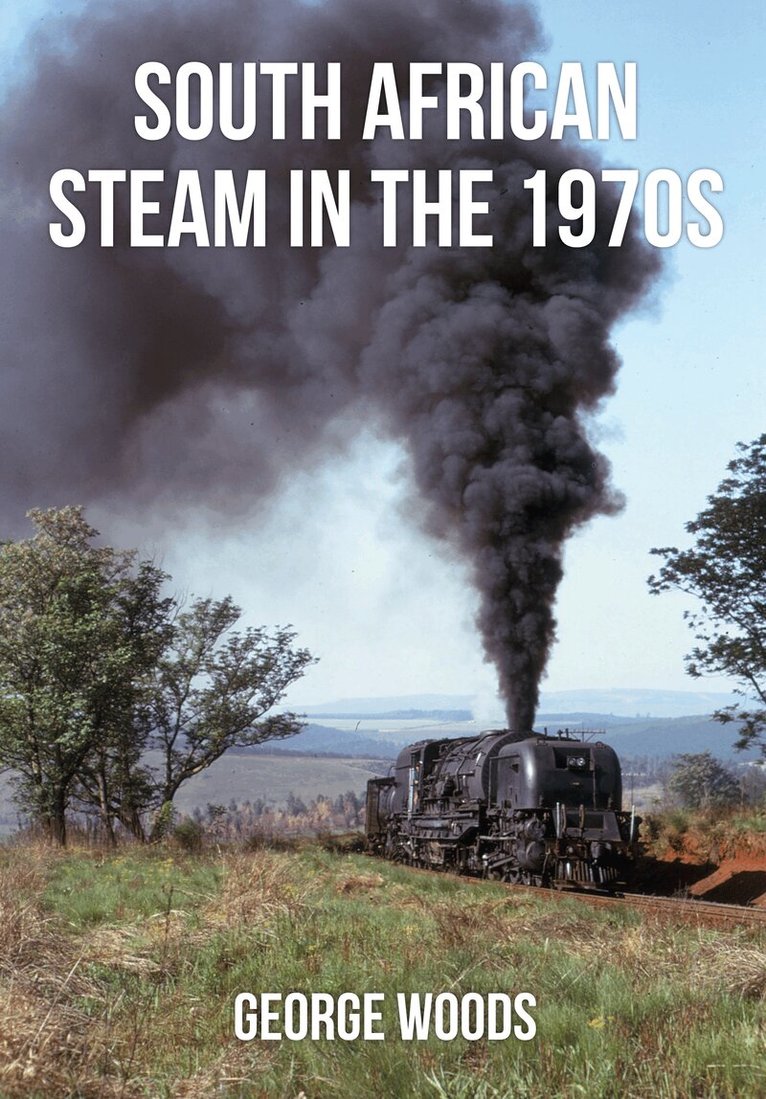
As in many countries in the 1970s, South Africa’s railways were making the change over from steam to diesel and electric traction at an ever-increasing pace. As a member of the Locomotive Club of Great Britain the author was able to join a tour organised in 1973 to see steam in action at a time that some of the older types of locos were still around, and there was still a considerable amount of regular steam working.Featuring a variety of rare and unpublished colour photographs, George Woods shows the great variety of locos in action – from 4-8-2 tank engines to huge 4-8-4s and Beyer-Garratts, often polished and decorated by their crews, which could be seen in daily service.
178 kr
Skickas
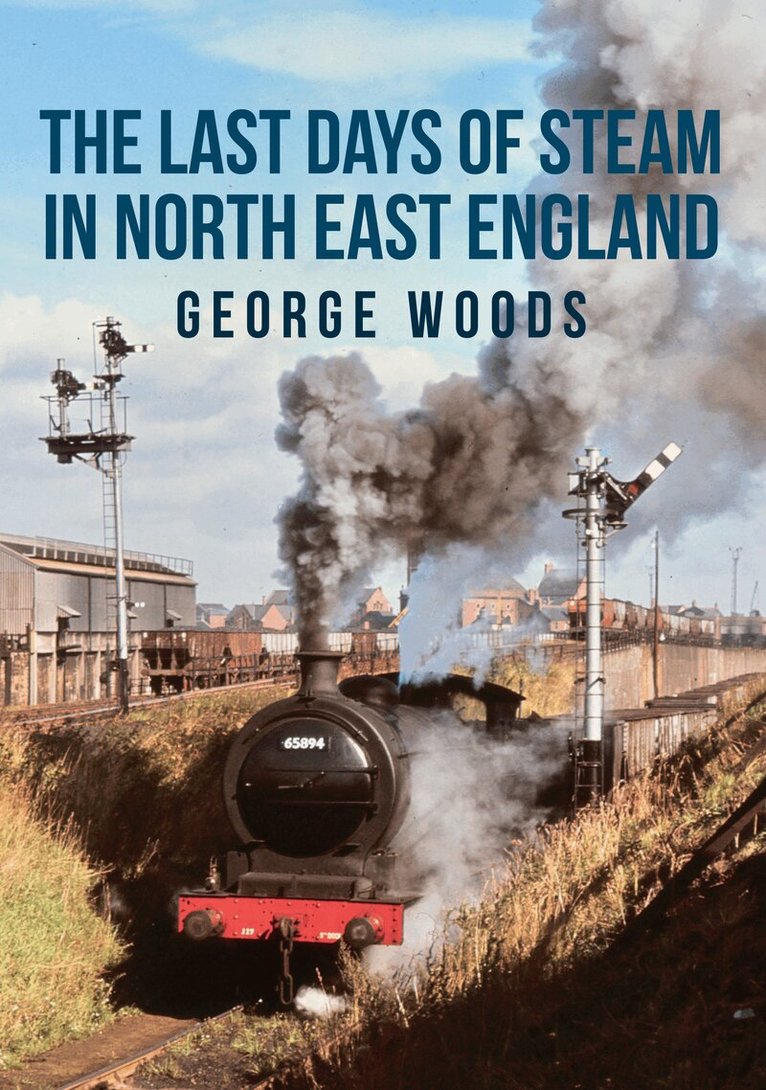
In September 1967 the last steam locos finished operations in the North East – the area where it had all begun 142 years before. The last trains ran from the engine sheds at Sunderland, Tyne Dock and West Hartlepool, and were hauling coal from collieries to industrial sites, power stations and docks for export or transport by coaster to ports in the south of England. The traffic had hardly changed as the original railways were built to transport coal, only the distance the coal travelled was now greater. Even the means of moving coal had not changed greatly – most coal was moved in trains of wagons capable of carrying 16 or 21-ton loads and some of these were hauled by 0-6-0 locos.This book of colour photographs shows scenes from the last two years of steam operations in and around Tyneside and Wearside, including locos in service with the National Coal Board at various collieries and the Doxford shipyard at Sunderland.
168 kr
Tillfälligt slut
The railways of Spain and Portugal saw steam locomotives working on the main lines until the late 1970s, although in Spain several mining companies still employed steam into the 1980s.Iberian railways were unusual in that they used a wider gauge of 5 ft 3 in. for their main lines, which was rare in Europe, and this book shows some of the last Spanish main line steam-operated services, both passenger and freight, around Salamanca in 1974, and the coal lines from Andorra to Escatron, plus the narrow-gauge lines of the Ponferrada to Villablino coal system. Also included are some of the last steam-operated trains on the broad-gauge Douro Valley line from Porto to Regua and Pocinho, and the narrow-gauge lines which branched off of this line through beautiful scenery in the Port wine-producing area of Portugal, using ancient locos and rolling stock.From his collection, George Woods presents a selection of previously unpublished colour photographs, taken in an area which does not often appear in print.
279 kr
Skickas inom 5-8 vardagar