Gerry Barnes - Böcker
Visar alla böcker från författaren Gerry Barnes. Handla med fri frakt och snabb leverans.
6 produkter
6 produkter
482 kr
Tillfälligt slut
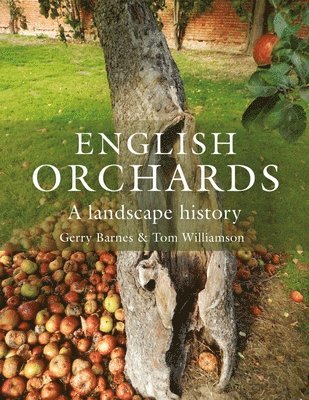
A new title on the history, development and importance of orchards in terms of their economic, biodiversity and ecological contribution to the British landscape.
398 kr
Tillfälligt slut
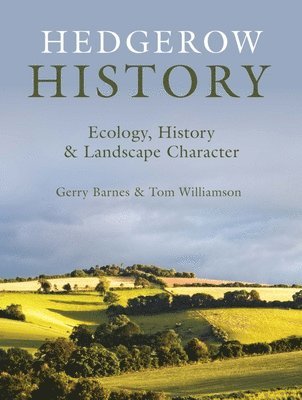
Oxbow says: For many years hedges have been the most common field boundary in rural Britain, providing a stock-proof barrier, a field boundary and a haven for wildlife. Despite this, they are rarely studied in any detail in landscape archaeology. The authors of Hedgerow History rightly argue that hedges, as an essential feature of the landscape, their origins and development, are as worthy of study as any other part of the landscape. Their book focuses on the species content and diversity of hedges, how these came about and how they changed over time. The introduction provides the background to hedges in Britain, the development of field boundaries, changes in fields and farming, especially the impact of enclosure, hedgerow management, and methods of dating hedges. In an attempt to evaluate the pioneering work of Hooper and Pollard in the 1960s and 1970s, and gain insights into the diversity of hedges and the possible human and animal reasons for it, Barnes and Williamson carried out a detailed survey of hedgerows in Norfolk. Finding 61 shrub species among the Norfolk hedgerows, they attempt to tie this data in with evidence on geology, soils, climate, woodland, enclosure, farming practices and historical factors, as an indicator of the processes of continuity and change that have taken place in the wider landscape.
400 kr
Skickas
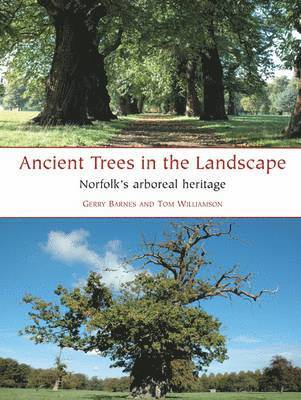
Ancient Trees in the Landscape is the outcome of many years research into the history of trees in Norfolk, and represents the first detailed, published account of the ancient and traditionally managed trees of any English county. Yet it is far more than a regional survey. It is an exploration of how trees can be studied as part of the landscape. It discusses how accurately trees can be dated; explains why old trees are found in certain contexts and not in others; discusses traditional management practices and how these changed over time; and looks at the various ways in which trees have been used in parks and gardens. Above all, it considers how trees were regarded by people in the past, and how this has affected their survival to the present. Ancient Trees in the Landscape is a fascinating and original study which sets out a new agenda in landscape history. It will be essential reading for countryside managers and conservationists, and for all those interested in landscape history, arboriculture, and the history of the English countryside.
263 kr
Tillfälligt slut
Ancient woodland' is a term widely used in England for long-established semi-natural woods, shaped by centuries of traditional management. As an official designation, it describes woods which have existed since the early seventeenth century, and which today contain a distinctive range of plants which find it hard to colonize more recently wooded ground. Such woods are often assumed to provide a direct link with the natural vegetation of England, as this existed before the virgin forests were fragmented by the arrival of farming. This groundbreaking study questions many of these assumptions. Drawing on more than a decade of research in Norfolk, the authors emphasize the essentially unnatural character of ancient woods. This important volume will be essential reading for all those interested in the history of the English countryside and environmental history.
245 kr
Skickas
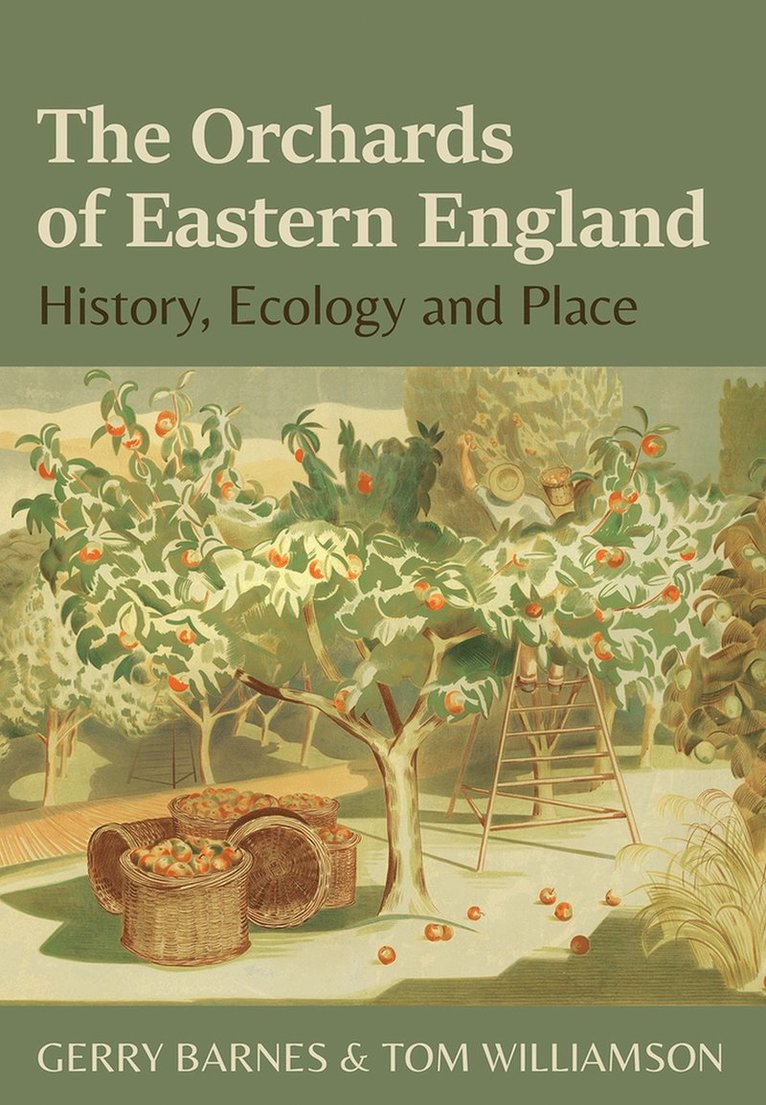
Although the history of orchards and fruit varieties is of great popular interest, there have been few academic treatments of the subject. This book presents results from a three-year project, 'Orchards East', investigating the history and ecology of orchards in the east of England. Together, the eastern counties of Hertfordshire, Essex, Cambridgeshire and Huntingdonshire, Bedfordshire, Norfolk and Suffolk have a tradition of fruit cultivation comparable in scale to that of the better-known west of England. Drawing on far-reaching archival research, an extensive survey of surviving orchards and biodiversity surveys, the authors tell the fascinating story of orchards in the east since the late Middle Ages.Orchards were ubiquitous features of the medieval and early modern landscape. Planted for the most part for practical reasons, they were also appreciated for their aesthetic qualities. By the seventeenth century some districts had begun to specialise in fruit production - most notably west Hertfordshire and the Fens around Wisbech. But it was only in the 'orchard century', beginning in the 1850s, that commercial production really took off, fuelled by the growth of large urban markets and new transport systems that could take the fruit to them with relative ease.By the 1960s orchards were extensive in many districts but, since then, they have largely disappeared, with significant impacts on landscape character and biodiversity. For well over a century now, orchards have been romanticised as nostalgic elements of a timeless yet disappearing rural world. Even before that, they were embedded in myths of lost Edens, or golden ages of effortless plenty. A key aim of this book is to challenge some of these myths by grounding orchards within a wider range of historical and environmental contexts. Orchards are not timeless, and in some ways our relationship with orchards is a classicexample of the 'invention of tradition'. What do our attitudes to this aspect of our heritage tell us about our wider engagement with the past, with nature, and with place?
496 kr
Skickas
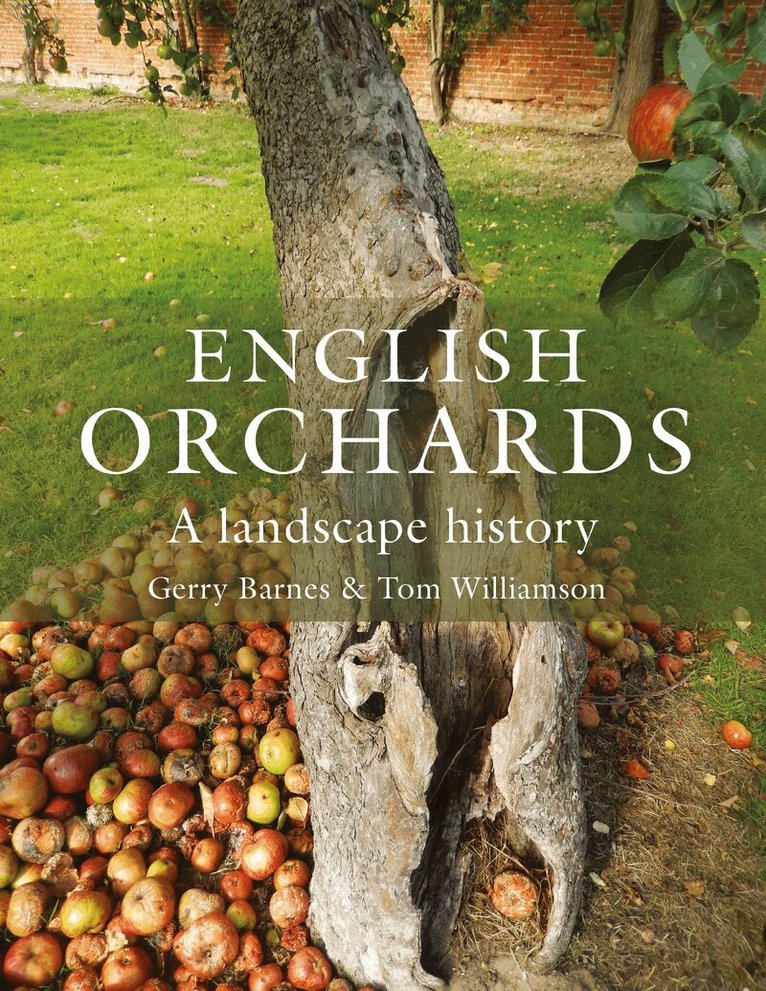
Old orchards have an irresistible appeal. Their ancient trees and obscure fruit varieties seem to provide a direct link with the lost rural world of our ancestors, a time when the pace of life was slower and people had a strong and intimate connection with their local environment. They are also of critical importance for sustaining biodiversity, providing habitats, in particular, for a range of rare invertebrates. Not surprisingly, orchards and the fruit they contain have attracted an increasing amount of attention over the last few decades, from both enthusiastic bands of amateurs and official conservation bodies. But much of what has been written about them is historically vague, romanticised and nostalgic. Orchards have become a symbol of unspoilt, picturesque rural England. This book attempts, for the first time, to provide a comprehensive review of the development of orchards in England from the Middle Ages to the present day. It describes the various different kinds of orchard and explains how, and when, they appeared in the landscape – and why they have disappeared, at a catastrophic rate, over the last six decades. Chapters discuss the contrasting histories of fruit growing in different regions of England, the complex story of ‘traditional’ fruit varieties and the role of orchards in wildlife conservation. In addition, a chapter on researching orchards provides a practical guide for those wishing to investigate the history and archaeology of particular examples.