Giancarla Periti - Böcker
Visar alla böcker från författaren Giancarla Periti. Handla med fri frakt och snabb leverans.
5 produkter
5 produkter
831 kr
Kommande
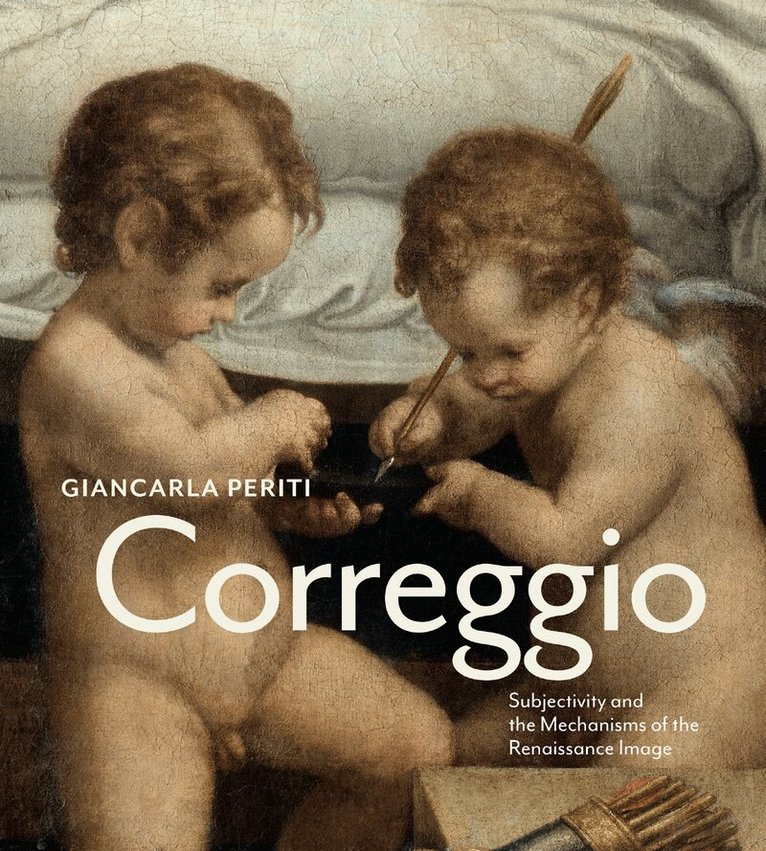
No other artist active beyond the main centers of the Italian Renaissance rivals the achievements of Correggio (1489–1534). Long acknowledged yet persistently understudied, Correggio’s art remains elusive within dominant accounts of the period. This book offers a new perspective on the painter’s major works, showing how they articulate the cultural, social, and political dynamics of northern Italy while transforming prevailing notions of image-making.In this long-awaited study, Giancarla Periti reconsiders both the central subjects and the margins of Correggio’s paintings, revealing borders as active sites where narratives unfold beyond the frame, engaging space and beholder in unprecedented ways. This book attends closely to the facture of Correggio’s pictures; his experiments with pigments, supports, and surfaces; and his refined blending of brushstrokes, light, and color. These choices generated striking sensory effects that invite viewers into tactile, optical, and even auditory experiences. At the same time, Correggio emerges as a self-aware artist, deeply engaged in contemporary theoretical debates and in shaping an artistic persona that matched his technical and imaginative daring.By foregrounding Correggio’s agency and experimentation, this book complicates traditional readings of Renaissance art and expands the geography of artistic modernity beyond Rome, Florence, and Venice. It will be of particular interest to scholars of early modern Italian art and culture, students of the Renaissance, and readers drawn to the innovations of Old Master painting.
Drawing Relationships in Northern Italian Renaissance Art
Patronage and Theories of Invention
Inbunden, Engelska, 2004
2 150 kr
Skickas inom 10-15 vardagar
Vasari's celebration of the art of the central Italian cities of Florence, Rome and Venice, has long left in shadow the art of northern Italy. The economic and historical decline of the region compounded this effect with the dispersal of the treasures of the Farnese to Naples, the Este to Dresden and the Gonzaga to Madrid and Paris. Each chapter in this volume celebrates a stunning work from the region, among them Correggio's famed Camera di San Paolo in Parma, Parmigianino's Camerino in the Rocca Sanvitale near Parma, the studiolo of Alberto Pio at Carpi, and the Tomb of the Ancestors in the Tempio Malatestiano in Rimini. The volume as a whole offers fascinating insights into the tussle between the maniera moderna and the maniera devota in the first half of the sixteenth century, when the unity between the elegance and beauty of art and its religious significance came under debate. Around the year 1550, when Michelangelo's Last Judgement came under attack for impiety and lasciviousness and the reformists called for an art that would invoke in the viewer a devotional response that identified manifestations of the divine with human feelings and emotions. In northern Italy, it was on the foundation laid by Correggio, with his tenderness and ability to evoke the softness of living flesh, that the Carracci brothers built their reform of painting.
Drawing Relationships in Northern Italian Renaissance Art
Patronage and Theories of Invention
Häftad, Engelska, 2016
845 kr
Skickas inom 10-15 vardagar
Vasari's celebration of the art of the central Italian cities of Florence, Rome and Venice, has long left in shadow the art of northern Italy. The economic and historical decline of the region compounded this effect with the dispersal of the treasures of the Farnese to Naples, the Este to Dresden and the Gonzaga to Madrid and Paris. Each chapter in this volume celebrates a stunning work from the region, among them Correggio's famed Camera di San Paolo in Parma, Parmigianino's Camerino in the Rocca Sanvitale near Parma, the studiolo of Alberto Pio at Carpi, and the Tomb of the Ancestors in the Tempio Malatestiano in Rimini. The volume as a whole offers fascinating insights into the tussle between the maniera moderna and the maniera devota in the first half of the sixteenth century, when the unity between the elegance and beauty of art and its religious significance came under debate. Around the year 1550, when Michelangelo's Last Judgement came under attack for impiety and lasciviousness and the reformists called for an art that would invoke in the viewer a devotional response that identified manifestations of the divine with human feelings and emotions. In northern Italy, it was on the foundation laid by Correggio, with his tenderness and ability to evoke the softness of living flesh, that the Carracci brothers built their reform of painting.
1 453 kr
Skickas inom 5-8 vardagar
426 kr
Skickas inom 7-10 vardagar
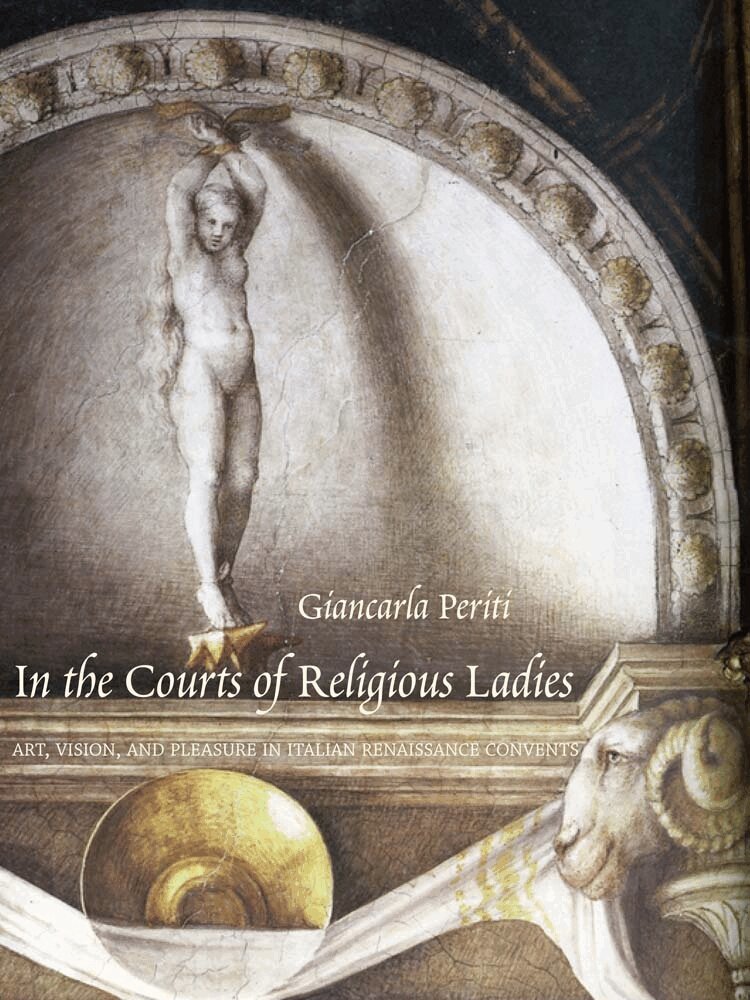
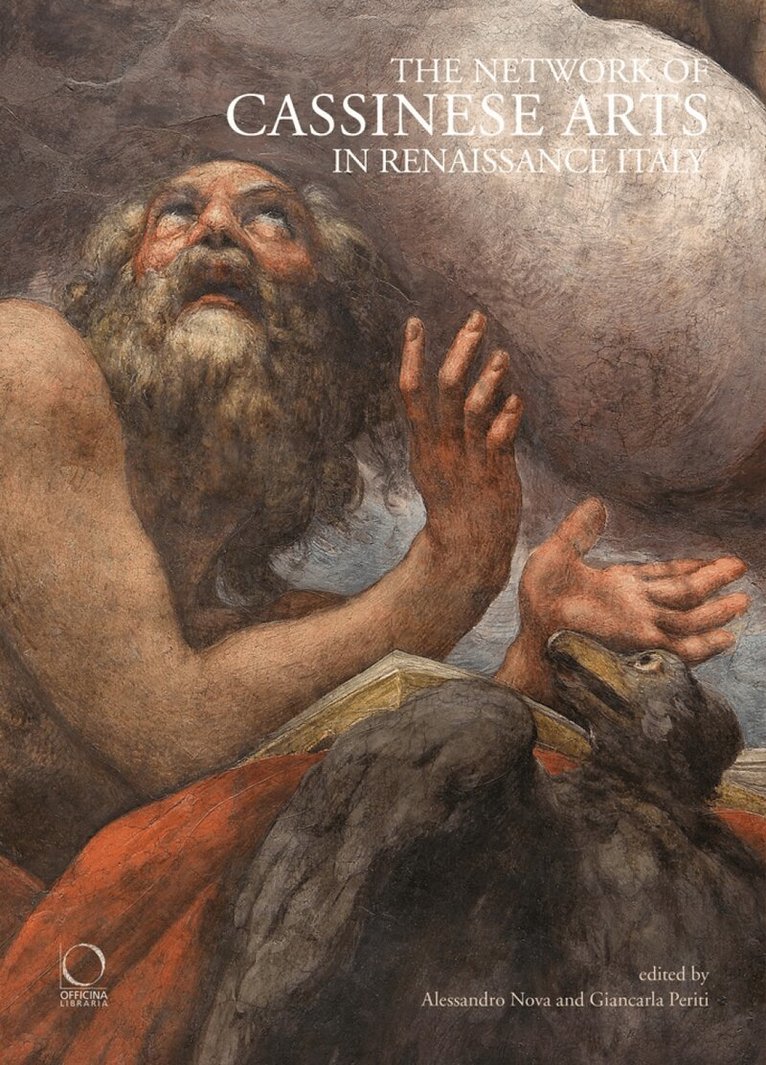
From the late 15th to the mid-16th century, an impressive corpus of architecture, sculpture, and painting was created to embellish monastic sites affiliated with the Benedictine Cassinese Congregation of Italy. A religious order of humanistically trained monks, the Cassinese engaged with the most eminent artists and architects of the early modern period, supporting the production of imagery and architecture that was often highly experimental in nature: from Raphael's Sistine Madonna in Piacenza to Andrea Riccio's Moses/Zeus Ammon,from Andrea Palladio's church of San Giorgio Maggiore (Venice) to the superbly crafted choirstalls of San Severino and Sossio (Naples).Applyinga network framework to the congregation's infrastructure of monasteriesmakes clear that the circulation of sophisticated Renaissance art and architecture constituted only a segment of the monks' investment in the arts. Monks also served as custodians of an antique monumental heritage and popular votive images, assuring the survival of ancient buildings and artifacts of limited aesthetic value that supplied opportunities forearly modern masters to confront an array of artworks for the reinvention of reformed Christian art and architecture.Text in English, Italian and German.