Gianmaria Ajani – författare
Visar alla böcker från författaren Gianmaria Ajani. Handla med fri frakt och snabb leverans.
6 produkter
Privatization and Entrepreneurship in Post-Socialist Countries
Economy, Law and Society
Av Bruno Grancelli, Gianmaria Ajani m. fl.
E-bok, 1992
803 kr
Lägg i varukorg
Analyzes the processes of privatization and entrepreneurial formation by countries and subjects, and points out the different features they acquire in various post-socialist countries through an interdisciplinary and historico-comparative approach.
Privatization and Entrepreneurship in Post-Socialist Countries
Economy, Law and Society
Av Bruno Dallago, Gianmaria Ajani m. fl.
Häftad, 1992
566 kr
Lägg i varukorg
Analyzes the processes of privatization and entrepreneurial formation by countries and subjects, and points out the different features they acquire in various post-socialist countries through an interdisciplinary and historico-comparative approach.
AI Approaches to the Complexity of Legal Systems
International Workshops AICOL-I/IVR-XXIV, Beijing, China, September 19, 2009 and AICOL-II/JURIX 2009, Rotterdam, The Netherlands, December 16, 2009 Revised Selected Papers
Av Pompeu Casanovas, Ugo Pagallo m. fl.
Häftad, 2010
504 kr
Lägg i varukorg
topology, since the set of nodes with highest degree represents the main core of thetaxonomywith the shortestaveragedistance-concepts.The domainofmul- system and multi-lingual ontologies o?ers the opportunity to integrate arti?cial intelligence not only with legal theory,but also with further, more …
AI Approaches to the Complexity of Legal Systems
International Workshops AICOL-I/IVR-XXIV, Beijing, China, September 19, 2009 and AICOL-II/JURIX 2009, Rotterdam, The Netherlands, December 16, 2009 Revised Selected Papers
Av Gianmaria Ajani, Giovanni Sartor m. fl.
E-bok, 2010
660 kr
Lägg i varukorg
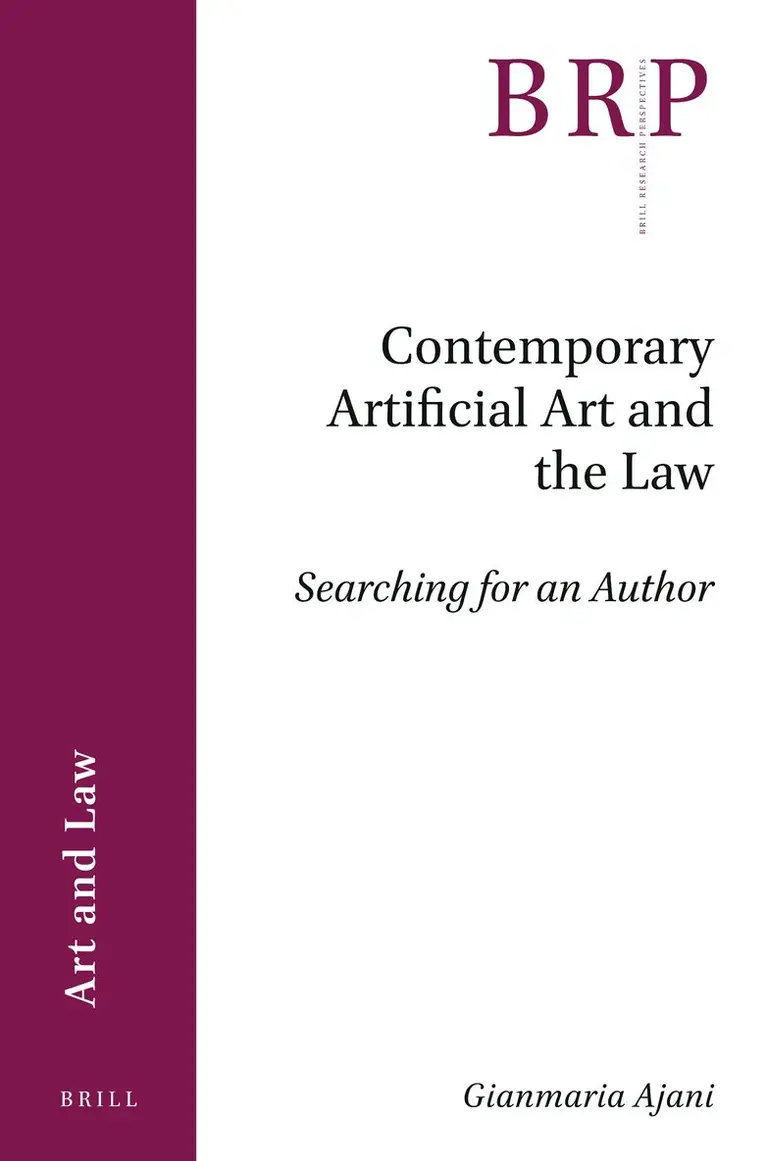
Contemporary Artificial Art and the Law
Searching for an Author
Häftad, 2020
1141 kr
Lägg i varukorg
The advent of Artificial Intelligence (AI) as an “autonomous author” urges the law to rethink authorship, originality, creativity. AI-generated artworks are in search of an author because current copyright laws offer as a solution only public domain or fragile regulatory mechanisms. During the 20th …
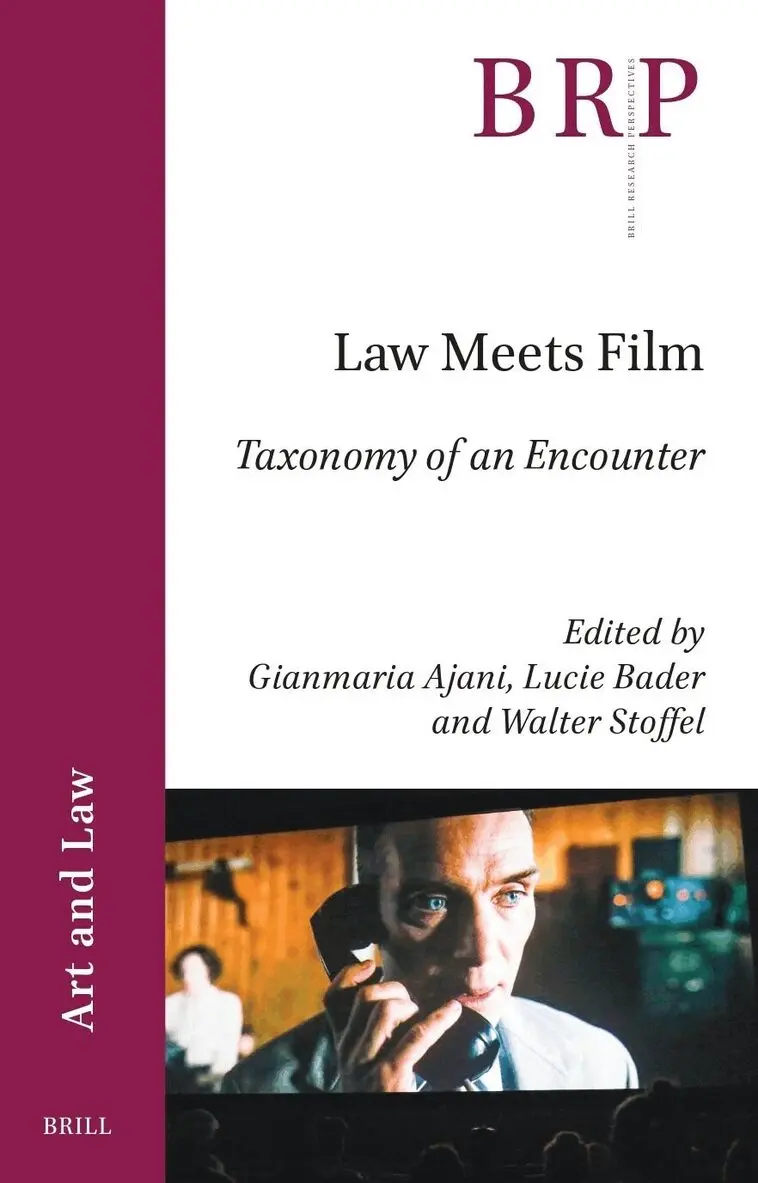
Law Meets Film
Taxonomy of an Encounter
Av Gianmaria Ajani, Lucie Bader m. fl.
Häftad, 2026
1021 kr
Lägg i varukorg
This series of eight articles connected by the common theme ‘Law Meets Film’ presents a thought-provoking analysis of law and legal protagonists as seen in the movies of contemporary filmmakers. It distinguishes courtroom dramas, films on legal problems, and films mirroring law, ranging from …