Gideon Freudenthal - Böcker
Visar alla böcker från författaren Gideon Freudenthal. Handla med fri frakt och snabb leverans.
6 produkter
6 produkter
423 kr
Skickas inom 10-15 vardagar
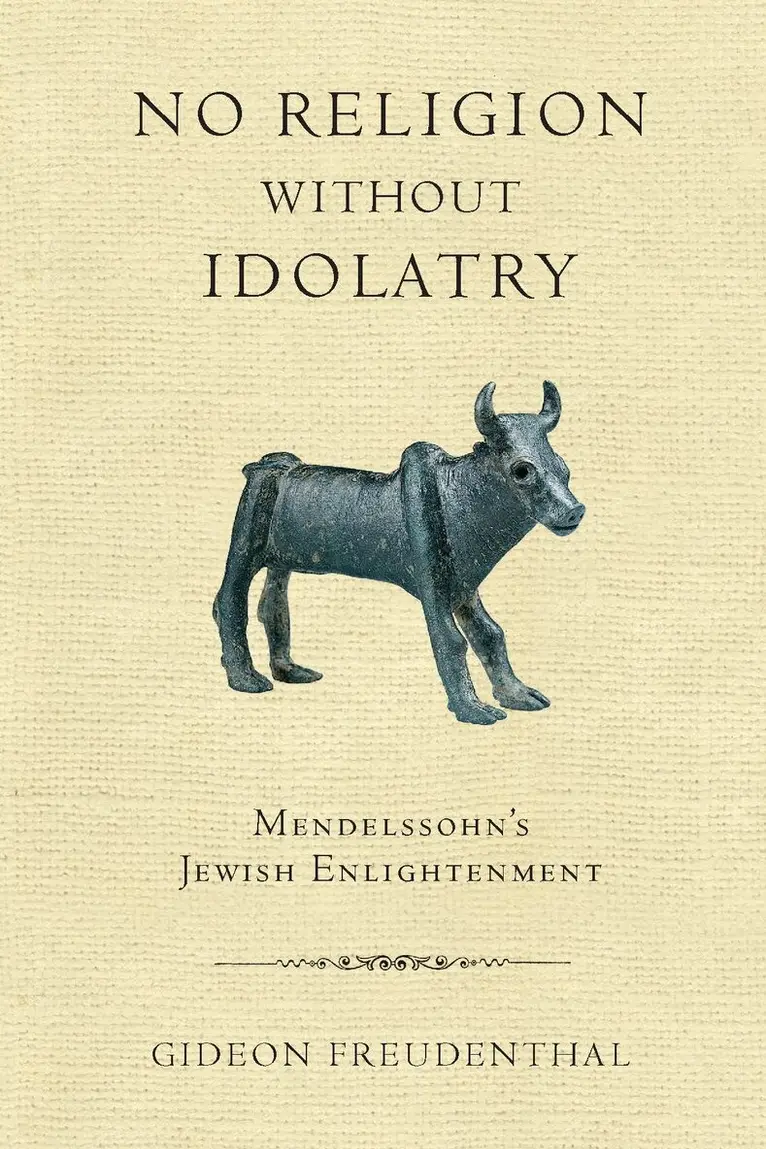
Moses Mendelssohn (1725–1786) is considered the foremost representative of Jewish Enlightenment. In No Religion without Idolatry, Gideon Freudenthal offers a novel interpretation of Mendelssohn's general philosophy and discusses for the first time Mendelssohn's semiotic interpretation of idolatry in his Jerusalem and in his Hebrew biblical commentary. Mendelssohn emerges from this study as an original philosopher, not a shallow popularizer of rationalist metaphysics, as he is sometimes portrayed. Of special and lasting value is his semiotic theory of idolatry. From a semiotic perspective, both idolatry and enlightenment are necessary constituents of religion. Idolatry ascribes to religious symbols an intrinsic value: enlightenment maintains that symbols are conventional and merely signify religious content but do not share its properties and value. Without enlightenment, religion degenerates to fetishism; without idolatry it turns into philosophy and frustrates religious experience. Freudenthal demonstrates that in Mendelssohn's view, Judaism is the optimal religious synthesis. It consists of transient ceremonies of a "living script." Its ceremonies are symbols, but they are not permanent objects that could be venerated. Jewish ceremonies thus provide a religious experience but frustrate fetishism. Throughout the book, Freudenthal fruitfully contrasts Mendelssohn's views on religion and philosophy with those of his contemporary critic and opponent, Salomon Maimon. No Religion without Idolatry breaks new ground in Mendelssohn studies. It will interest students and scholars in philosophy of religion, Judaism, and semiotics.
1 079 kr
Skickas inom 10-15 vardagar
Moses Mendelssohn (1725–1786) is considered the foremost representative of Jewish Enlightenment. In No Religion without Idolatry, Gideon Freudenthal offers a novel interpretation of Mendelssohn's general philosophy and discusses for the first time Mendelssohn's semiotic interpretation of idolatry in his Jerusalem and in his Hebrew biblical commentary. Mendelssohn emerges from this study as an original philosopher, not a shallow popularizer of rationalist metaphysics, as he is sometimes portrayed. Of special and lasting value is his semiotic theory of idolatry. From a semiotic perspective, both idolatry and enlightenment are necessary constituents of religion. Idolatry ascribes to religious symbols an intrinsic value: enlightenment maintains that symbols are conventional and merely signify religious content but do not share its properties and value. Without enlightenment, religion degenerates to fetishism; without idolatry it turns into philosophy and frustrates religious experience. Freudenthal demonstrates that in Mendelssohn's view, Judaism is the optimal religious synthesis. It consists of transient ceremonies of a "living script." Its ceremonies are symbols, but they are not permanent objects that could be venerated. Jewish ceremonies thus provide a religious experience but frustrate fetishism. Throughout the book, Freudenthal fruitfully contrasts Mendelssohn's views on religion and philosophy with those of his contemporary critic and opponent, Salomon Maimon. No Religion without Idolatry breaks new ground in Mendelssohn studies. It will interest students and scholars in philosophy of religion, Judaism, and semiotics.
Exploring the Limits of Preclassical Mechanics
A Study of Conceptual Development in Early Modern Science: Free Fall and Compounded Motion in the Work of Descartes, Galileo and Beeckman
Inbunden, Engelska, 2004
1 479 kr
Skickas inom 10-15 vardagar
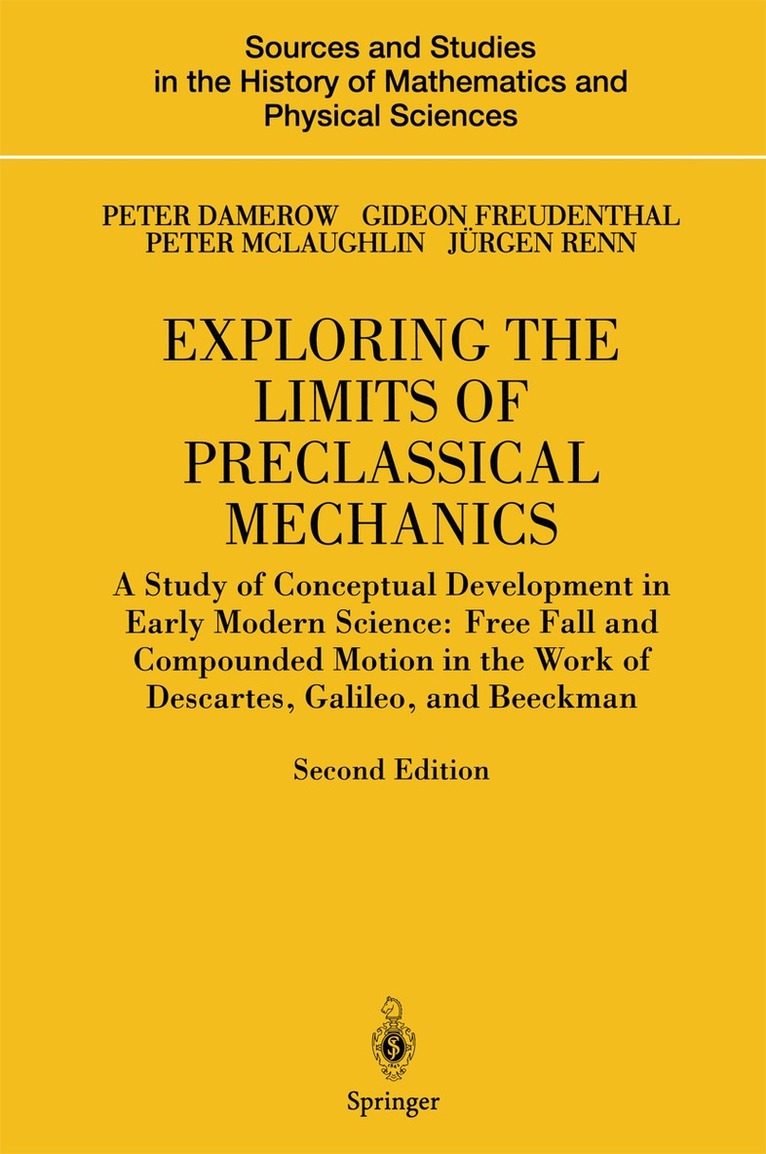
The question of when and how the basic concepts that characterize modern science arose in Western Europe has long been central to the history of science. This book examines the transition from Renaissance engineering and philosophy of nature to classical mechanics oriented on the central concept of velocity. Descartes, Galileo, and other protagonists of what the authors call "preclassical mechanics" struggled with fundamental concepts and contributed crucial insights to classical mechanics, but it is not clear that they actually realized these insights themselves. This book argues that the emergence of classical mechanics was neither a cumulative change nor an abrupt revolution, but rather that the transformation was the result of exploring the limits and exhausting the possibilities of the existing, largely Aristotelian conceptual system.In the dozen years that have passed since the appearance of the first edition, significant research has been done on Descartes and Galileo and the origins of modern science. There have also been important advances in the accessibility of sources and in technology for analyzing them.For this new edition, the authors take account of the most important new results. They include a new discussion of the doctrine of proportions, an analysis of the role of traditional statics in the construction of Descartes' impact rules, and go deeper into the debate between Descartes and Hobbes on the explanation of refraction. They also provide significant new material on the early development of Galileo's work on mechanics and the law of fall. All translations have been reviewed and revised for consistency of terminology and several new documents have been added. The bibliography has been updated to take account of new literature.
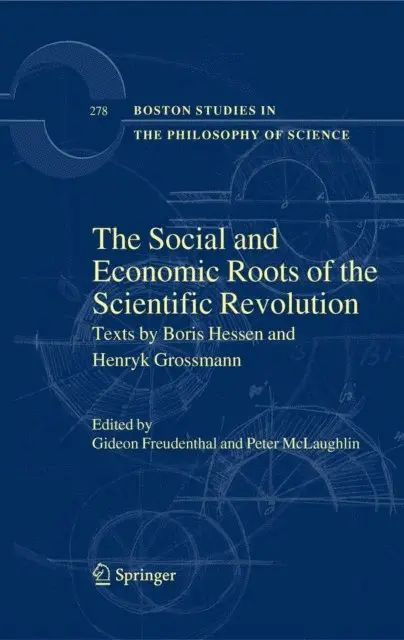
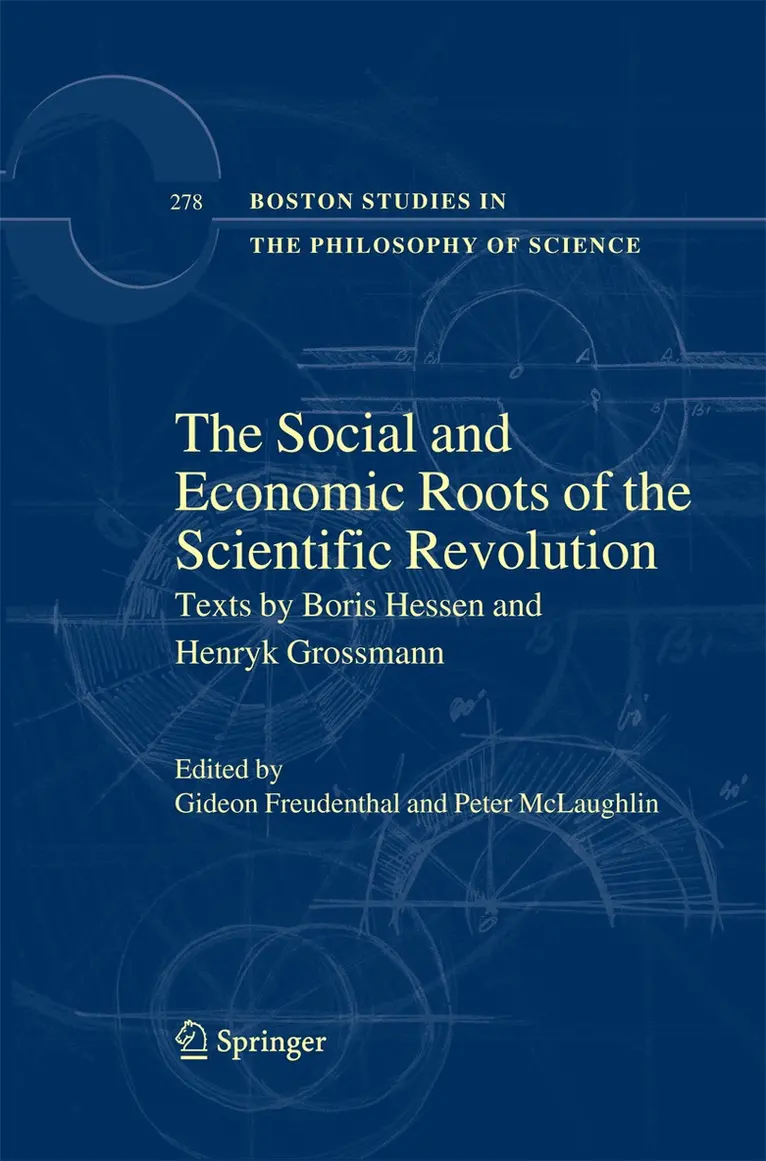
Social and Economic Roots of the Scientific Revolution
Texts by Boris Hessen and Henryk Grossmann
Inbunden, Engelska, 2009
1 584 kr
Skickas inom 10-15 vardagar
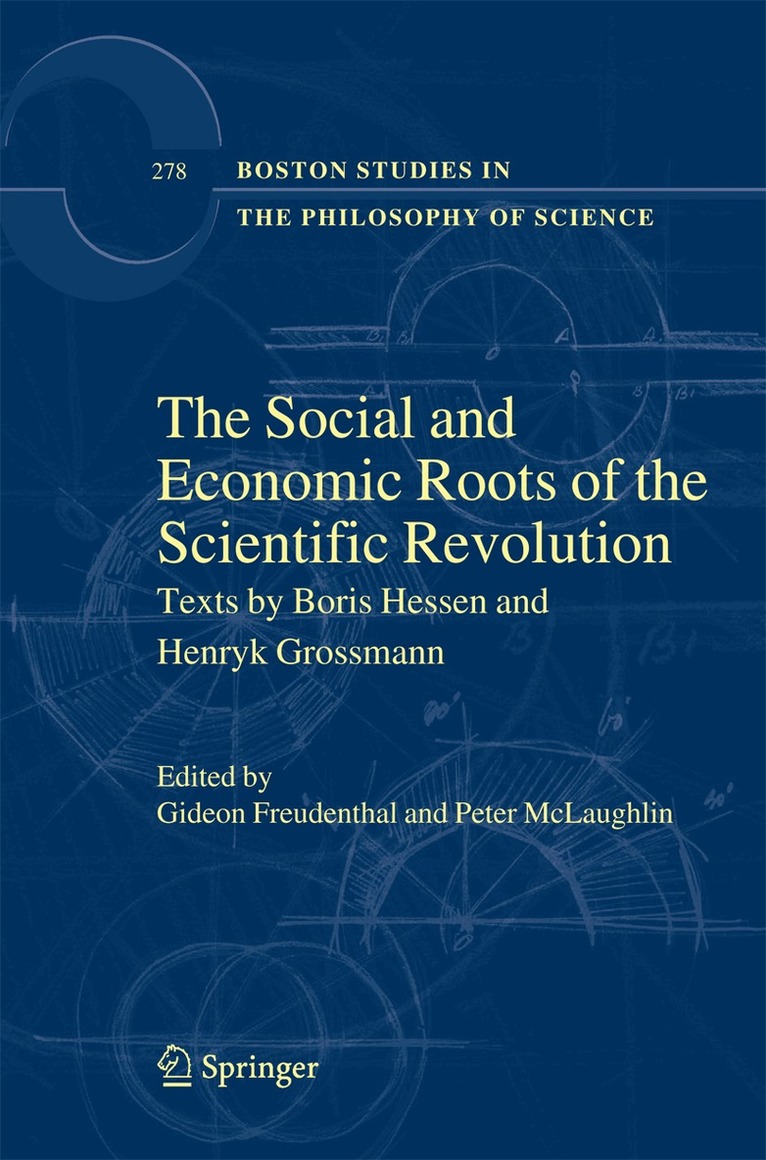
The texts of Boris Hessen and Henryk Grossmann assembled in this volume are important contributions to the historiography of the Scienti?c Revolution and to the methodology of the historiography of science. They are of course also historical documents, not only testifying to Marxist discourse of the time but also illustrating typical European fates in the ?rst half of the twentieth century. Hessen was born a Jewish subject of the Russian Czar in the Ukraine, participated in the October Revolution and was executed in the Soviet Union at the beginning of the purges. Grossmann was born a Jewish subject of the Austro-Hungarian Kaiser in Poland and served as an Austrian of?cer in the First World War; afterwards he was forced to return to Poland and then because of his revolutionary political activities to emigrate to Germany; with the rise to power of the Nazis he had to ?ee to France and then Americawhilehisfamily,whichremainedinEurope,perishedinNaziconcentration camps. Our own acquaintance with the work of these two authors is also indebted to historical context (under incomparably more fortunate circumstances): the revival of Marxist scholarship in Europe in the wake of the student movement and the p- fessionalization of history of science on the Continent. We hope that under the again very different conditions of the early twenty-?rst century these texts will contribute to the further development of a philosophically informed socio-historical approach to the study of science.
Exploring the Limits of Preclassical Mechanics
A Study of Conceptual Development in Early Modern Science: Free Fall and Compounded Motion in the Work of Descartes, Galileo and Beeckman
Häftad, Engelska, 2011
1 479 kr
Skickas inom 10-15 vardagar
The question of when and how the basic concepts that characterize modern science arose in Western Europe has long been central to the history of science. This book examines the transition from Renaissance engineering and philosophy of nature to classical mechanics oriented on the central concept of velocity. For this new edition, the authors include a new discussion of the doctrine of proportions, an analysis of the role of traditional statics in the construction of Descartes' impact rules, and go deeper into the debate between Descartes and Hobbes on the explanation of refraction. They also provide significant new material on the early development of Galileo's work on mechanics and the law of fall.
Del 278 - Boston Studies in the Philosophy and History of Science
Social and Economic Roots of the Scientific Revolution
Texts by Boris Hessen and Henryk Grossmann
Häftad, Engelska, 2014
1 584 kr
Skickas inom 10-15 vardagar
The texts of Boris Hessen and Henryk Grossmann assembled in this volume are important contributions to the historiography of the Scienti?c Revolution and to the methodology of the historiography of science. They are of course also historical documents, not only testifying to Marxist discourse of the time but also illustrating typical European fates in the ?rst half of the twentieth century. Hessen was born a Jewish subject of the Russian Czar in the Ukraine, participated in the October Revolution and was executed in the Soviet Union at the beginning of the purges. Grossmann was born a Jewish subject of the Austro-Hungarian Kaiser in Poland and served as an Austrian of?cer in the First World War; afterwards he was forced to return to Poland and then because of his revolutionary political activities to emigrate to Germany; with the rise to power of the Nazis he had to ?ee to France and then Americawhilehisfamily,whichremainedinEurope,perishedinNaziconcentration camps. Our own acquaintance with the work of these two authors is also indebted to historical context (under incomparably more fortunate circumstances): the revival of Marxist scholarship in Europe in the wake of the student movement and the p- fessionalization of history of science on the Continent. We hope that under the again very different conditions of the early twenty-?rst century these texts will contribute to the further development of a philosophically informed socio-historical approach to the study of science.