Gillian Clarke - Böcker
Visar alla böcker från författaren Gillian Clarke. Handla med fri frakt och snabb leverans.
14 produkter
14 produkter
181 kr
Skickas
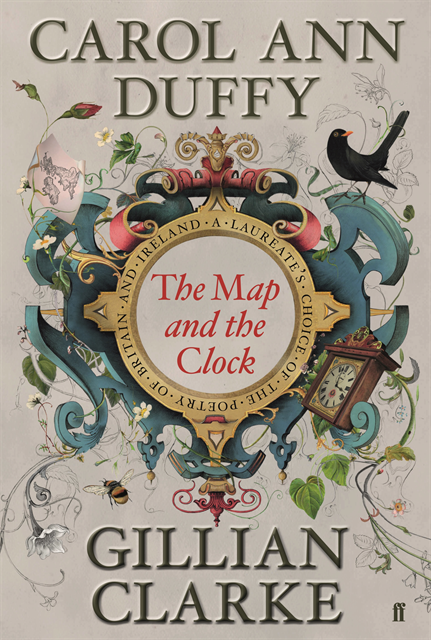
The Map and the Clock is a celebration of the most scintillating poems ever composed on our islands.Curated by Poet Laureate Carol Ann Duffy, and by Gillian Clarke, National Poet of Wales, this anthology gathers fourteen centuries of extraordinary verse - beginning with the first writings from the old languages of England and Ireland, Scotland and Wales, and culminating in some of our most recent poets, speaking in our present-day tongues. Many of our founding myths and legends are told here - King Arthur and Gawain, Beowulf and Mad Sweeney, the Mabinogion - as are the nursery-tales and songs we still sing today. Through these pages we witness the tragedy of European wars and world conflict; we court romance and friendship; we explore nationhood and belonging, identity and belief; and we are welcomed to a celebration of the cultural diversity of the poetries of our twenty-first century.The Map and the Clock is a stunning and essential treasury of the poems that have moulded our languages, examined our worlds, and shaped our islands through time.
158 kr
Skickas
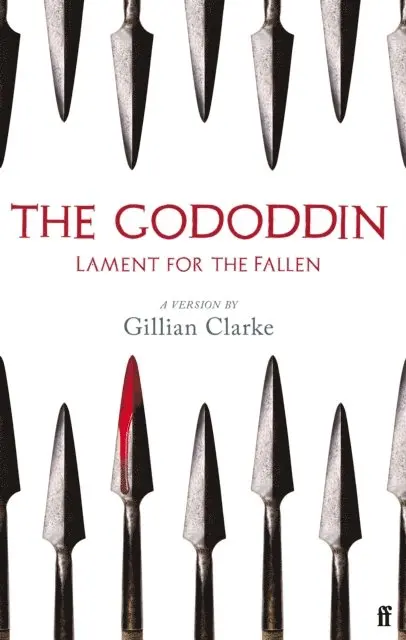
The timeless and compelling 'word-music' of one of Britain's oldest cultural treasures is captured in this new bilingual edition.The Gododdin charts the rise and fall of 363 warriors in the battle of Catraeth, around the year AD 600. The men of the Brittonic kingdom of Gododdin rose to unite the Welsh and the Picts against the Angles, only to meet a devastating fate. Composed by the poet Aneirin, the poem was originally orally transmitted as a sung elegy, passed down for seven centuries before being written down in early Welsh by two medieval scribes. It is composed of one hundred laments to the named characters who fell, and follows a sophisticated alliterative poetics. Former National Poet of Wales Gillian Clarke animates this historical epic with a modern musicality, making it live in the language of today and underscoring that, in a world still beset by the misery of war, Aneirin's lamentation is not done.
210 kr
Skickas inom 3-6 vardagar
124 kr
Skickas
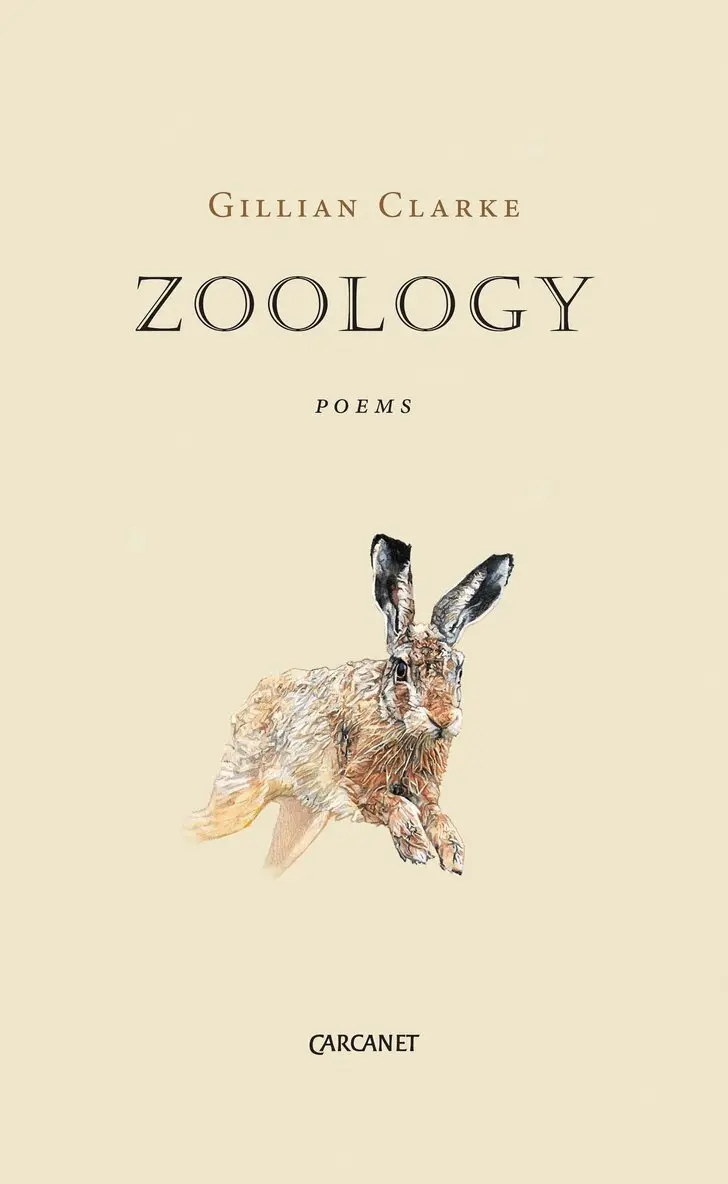
Longlisted for the 2020 Laurel Prize for Ecopoetry Zoology is Gillian Clarke’s ninth Carcanet collection, following her T. S. Eliot Prize-shortlisted Ice. The collection opens with a glimpse of hare, whose ‘heartbeat halts at the edge of the lawn’, holding us ‘in the planet of its stare’. Within this millisecond of mutual arrest, a well of memories draws us into the Welsh landscape of the poet’s childhood: her parents, the threat of war, the richness of nature as experienced by a child. In the second of the collection’s six parts we find ourselves in the Zoology Museum, whose specimens stare back from their cases: the Snowdon rainbow beetle, the marsh fritillary, the golden lion tamarin. ‘Will we be this beautiful when we pass into the silence, behind glass?’ In later sections the poet invites us to Hafod Y Llan, the Snowdonian nature reserve rich in Alpine flowers and abandoned mineshafts, ‘where darkness laps at the brink of a void deep as cathedrals’. Clarke captures a complete cycle of seasons on the land, its bounty and hardship, from the spring lamb ‘birthed like a fish / steaming in moonlight’ to the ewe bearing her baby ‘in the funeral boat of her body’. The poems tap into a powerful, feminist empathy that sees beyond differentiations of species to an understanding deeper than knowledge, something subterranean, running through the land. Zoology closes with a series of elegies to friends, poets and peers, and poems remembering victims of war and tyrannical regimes. ‘Like a bird picking over / the September lawn, / I gather their leaves. / This is what silence is.’ Then our hare, that ‘flight of sinew and gold’, is spotted one last time: ‘a silvering wind crossing a field, / two ears alert in a gap / then gone’.
181 kr
Skickas
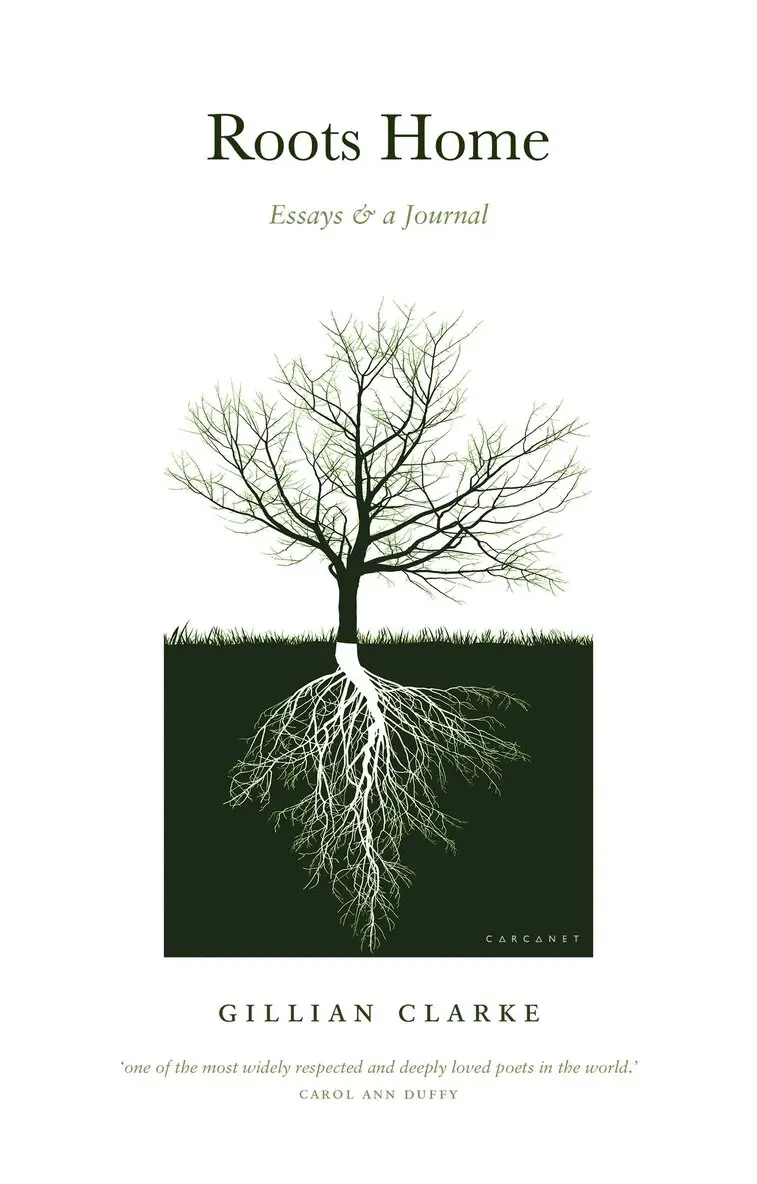
Shortlisted for the Wales Book of the Year 2022. Wales's best-loved contemporary poet, one of the major poets of our endangered environment, returns to prose in Roots Home.As in At the Source (2008), she does something unusual with form. She combines two elements. Seven vivid essay-meditations, informed by (among others) Dylan Thomas, George Herbert and W. B. Yeats, explore the ways in which poetry bears witness to what is and what might be, presence and transcendence in a threatened world. The meditations precede a journal that runs from January 2018 to December 2020, concluding with a poem entitled 'Winter Solstice' - three years of living close to animals, mountains, and (in particular) trees, in human intimacy and lockdown. 'Listen! They are whispering / now while the world talks, / and the ice melts, / and the seas rise. / Look at the trees!...'This is necessary work. As she declares in 'Why I Write', the first meditation in Roots Home: 'Morning begins with my journal. I write in it most days, though not every day. It is friend and listener, to record, remember, rage and rhapsodise, a place for requiem and celebration. Words hold detail which might be forgotten - the way the hare halted as it crossed the lawn, the field where a rainbow touched down across the valley, the different voices of wind, or water, the close and distant territorial arias of May blackbirds.'
158 kr
Skickas
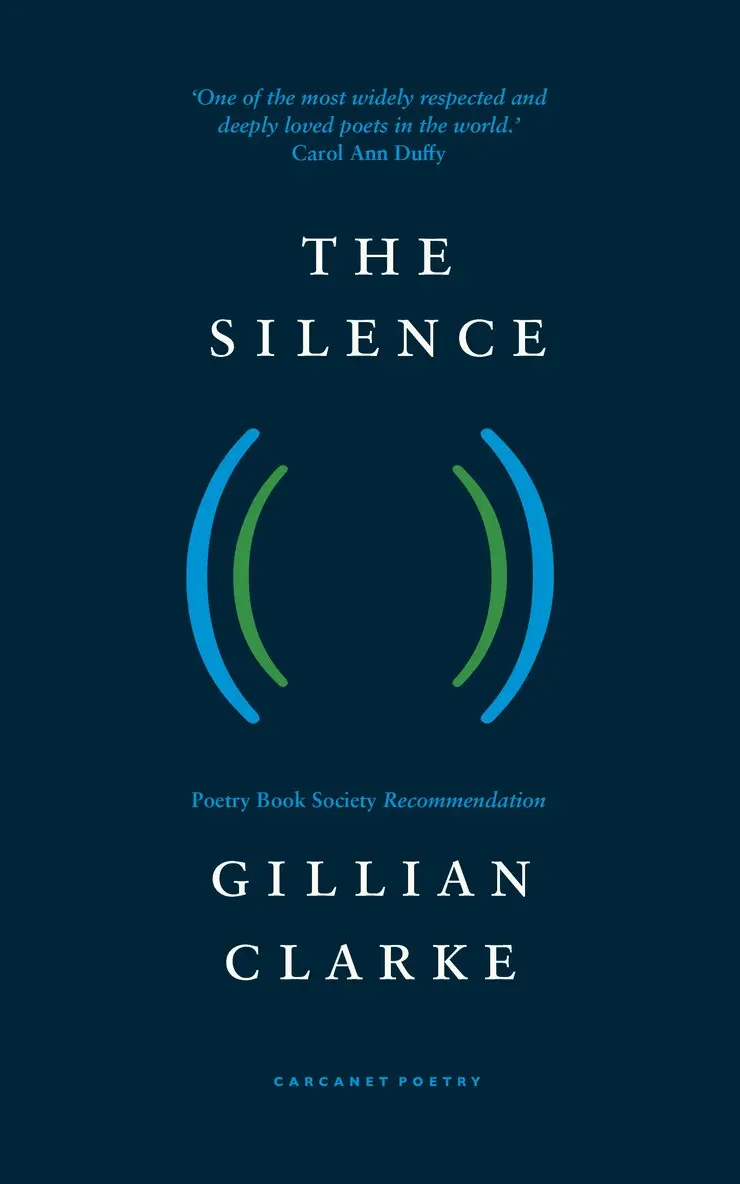
Shortlisted for the Derek Walcott Prize for Poetry 2025A Poetry Book Society Spring Recommendation 2024‘The days have no names.The day they count the dead,the day they closed the doors,turned off the lights.We’re still here in the silence,hearing tree-talk,the wind’s secrets,the company of birds.’(‘The Year of the Dead’)The poems in Gillian Clarke's The Silence begin during lockdown, to whose silences Clarke listens so attentively that other voices emerge. As the book progresses, that silence deepens, in the poems about her mother and childhood, about the Great War and its aftermaths, and in her continuing attention to Welsh places and names, and the rituals which make that world come in to focus. In these scrupulous, musical poems, Clarke finds consolation in how silence makesroom for memory and for the company of the animal- and bird-life which surrounds us. These poems, compulsively returning to key images and formative moments, echo and bring back other ways of living to the book's present moment.
119 kr
Skickas
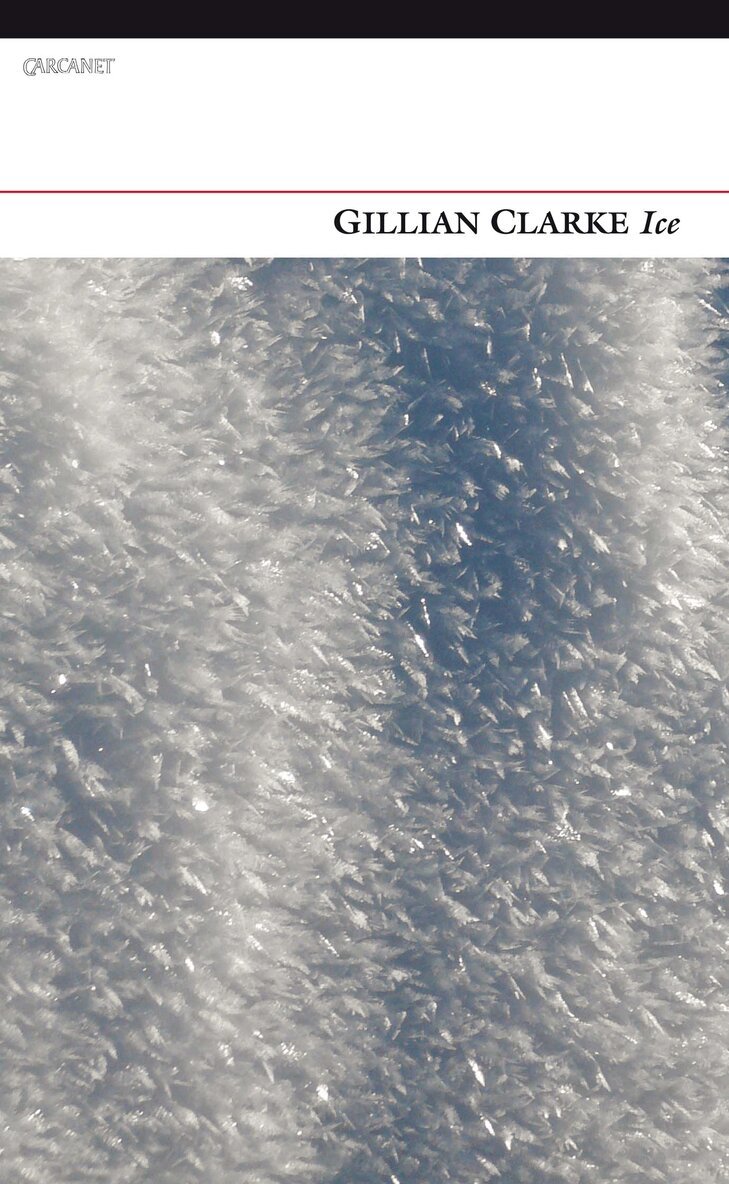
In Ice Gillian Clarke turns to the real winters of 2009 and 2010. In their extremity they redefined all the seasons for her. Nature asserted itself and renewed the environment for the imagination. The poem ‘Polar’ is the poet’s point de repère, evoking a polar-bear rug she had as a child and here resurrects in a spirit of personal and ecological longing that becomes a creative act. She lives with the planet, its seasons and creatures, in a joyful, anxious communion.The book also includes the ‘asked for’ and commissioned poems, and the Guardian spreads Clarke has written during her time as National Poet of Wales (2008 onwards). She follows in the rich millennium-old Welsh tradition of occasional writing going back to the first-known named British poets Aneirin and Taliesin in the sixth century.
181 kr
Skickas
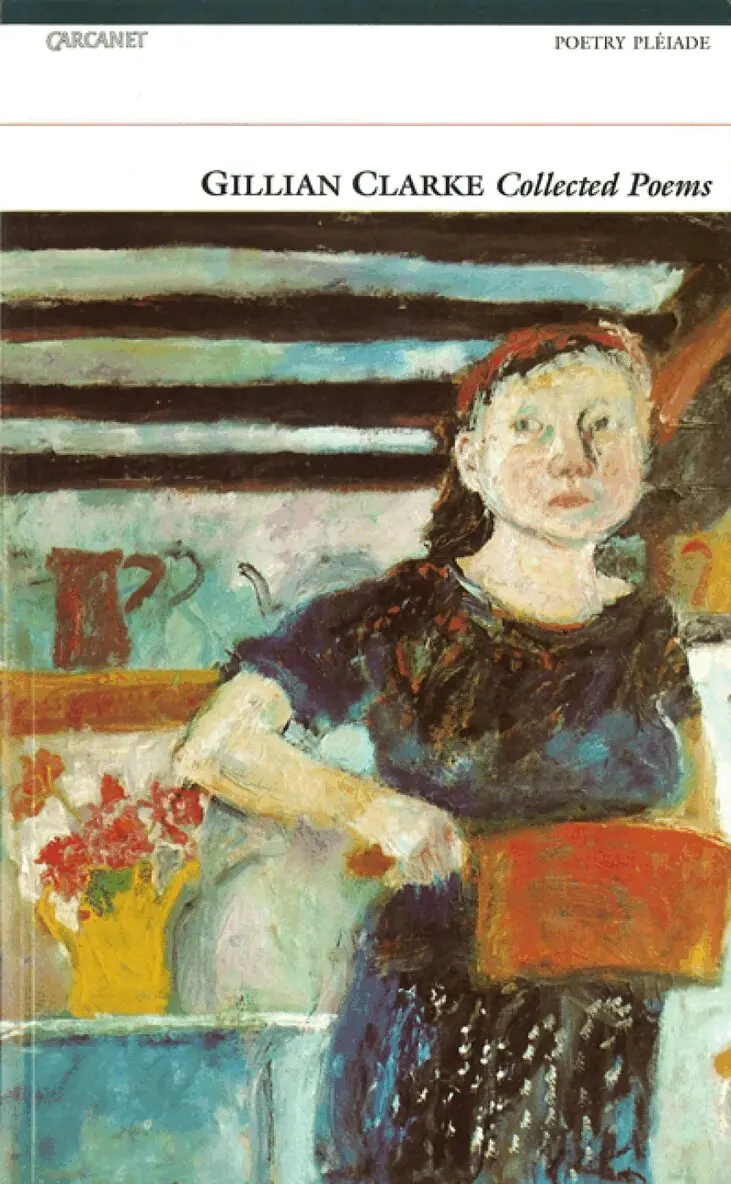
The Welsh publishing house Gwasg Gomer published Gillian Clarke's first full collection of poems, The Sundial, in 1978. In the twenty years since then the poet has become one of the best-loved and most widely read writers of Wales, well-known for her readings, for her radio work and her workshops.'Gillian Clarke's poems ring with lucidity and power[...] her work is both personal and archetypal, built out of language as concrete as it is musical,' the Times Literary Supplement said. She combines traditional skills with an original voice and outlook, and with a history which includes the unwritten stories of Welsh women. Her Selected Poems has proven one of the most popular volumes of modern Welsh poetry, having gone through seven printings in a dozen years. 'Her language has a quality both casual and intense, mundane and visionary,' the Listener said of Letter from a Far Country. 'There is no gaudiness in her poetry; instead, the reader is aware of a generosity of spirit which allows the poems' subjects their own unbullied reality.'Gillian Clarke is a severe critic of her own poems. Collected Poems includes all that she wishes to preserve of her work to date.
124 kr
Tillfälligt slut
The title sequence of Making the Beds for the Dead charts the journey of a virus in 'the plague year'. Come from outer space, it travels - on a fox's paw, the beak of a kite and a crow and a buzzard - into the very heart of our lives. The poet includes personal, verses and stories from farmers in her family and neighbourhood.The open structure allows the Gillian Clarke to include her seven rock poems, written for the National Botanic Garden of Wales; her poems based in archaeology; and her poems about war, and urban violence. There is an instinctive and a deliberate unity of theme and idiom in this book. The poet remains true to her landscapes and her nation. The sequence 'The Physicians of Myddfai', nine sonnets for Aberglasne, and much else is included in this characteristically generous and engaging volume by Wales' best-loved poet.
141 kr
Skickas
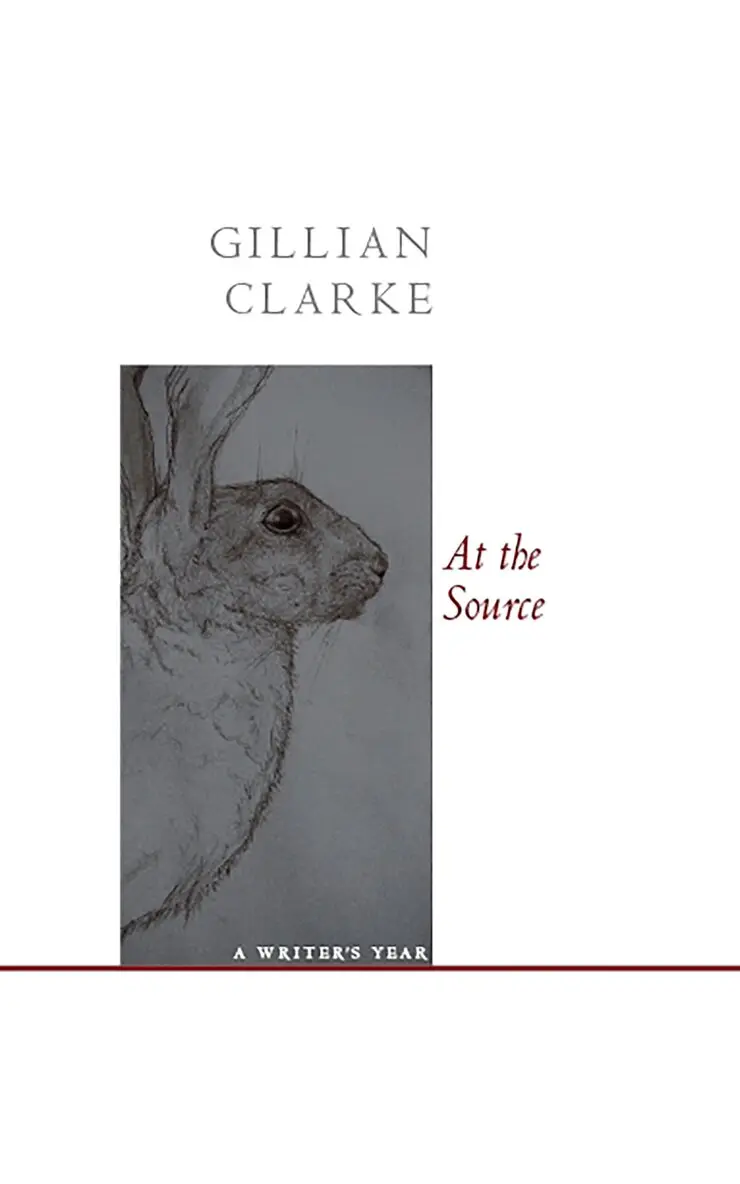
At the Source reflects upon a writer’s deep inheritance of language, myth and nature. Her creative journeys begin from those sources. The book opens with a house, Blaen Cwrt. A river rises, a tributary which will flow on to the Atlantic, and a family has its roots there. There the Welsh poet Gillian Clarke writes in what was the byre, looking across a landscape worked and imagined by generations of farmers and poets.Six chapters explore the relationship of places and languages, culture and family, geology and myth, in a poet’s imagination. At the heart of the book is a journal of the writer’s year. Lyrical, wise, meticulously observant, often humorous, Clarke records the experience of living and working on the land, observing the world from a particular place, the continuity and remaking of the source. Cover drawing copyright Mirlo Cai Cardenas. Reproduced by kind permission of the artist. Cover design StephenRaw.com
123 kr
Skickas
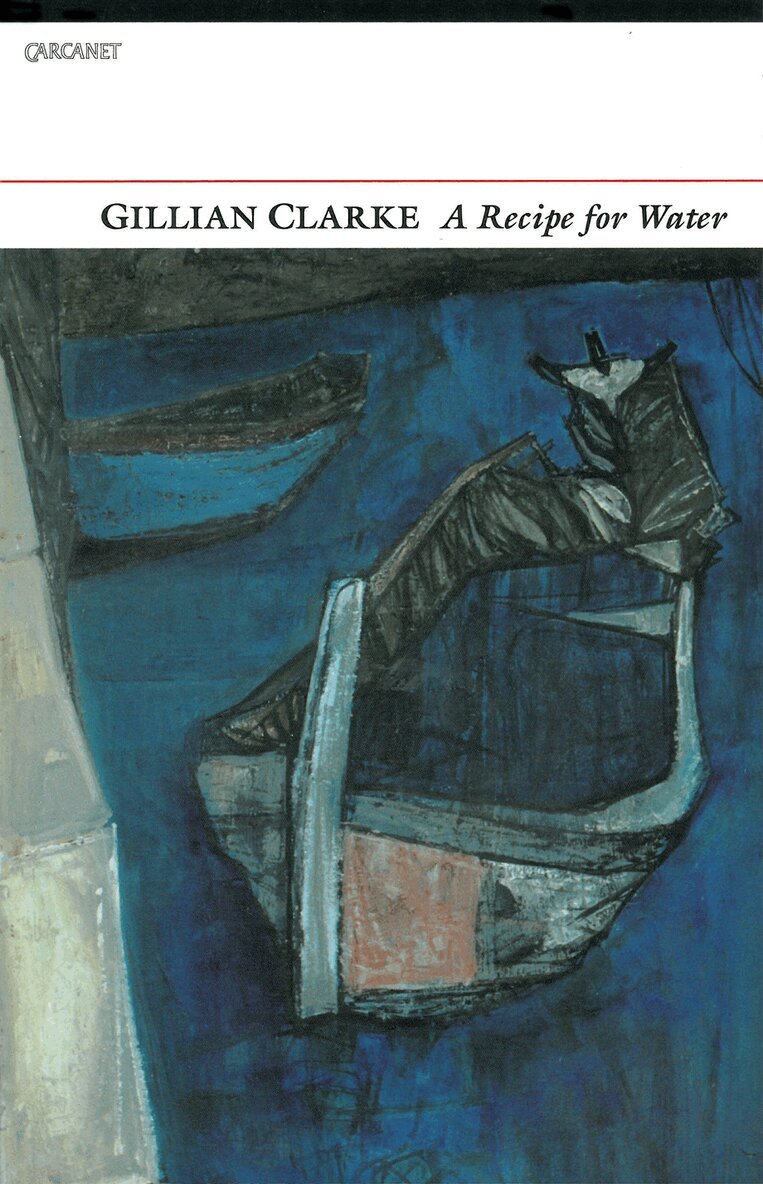
The drop of water on the tongue, writes Gillian Clarke, 'was the first word in the world', and the language of water is the element in which these poems live. Ocean currents create histories and cultures - the port cities of Cardiff and Mumbai; myths are born where great rivers have their source high in the mountains. A bottle of spring water contains the mineral elements of life; we can read the earth's deep history in arctic ice. We share the rhythms of migrations in the pull of tides and seasons through rivers and estuaries.In her first collection since becoming the National Poet of Wales in 2008, Gillian Clarke explores water as memory and meaning, the bearer of stories that well up from a personal and collective past to return us to the language of the imagination in which we first named the world.
95 kr
Skickas
92 kr
Skickas
95 kr
Skickas