Gillian Proctor - Böcker
Visar alla böcker från författaren Gillian Proctor. Handla med fri frakt och snabb leverans.
5 produkter
5 produkter
314 kr
Skickas inom 11-20 vardagar
For many decades, two powerful alternatives to traditional, authoritarian approaches to psychotherapy and human relationships have been developing in parallel yet separate spheres. This is the first book that brings together the powerful forces of feminist and person-centred theories to offer a dynamic alternative that is based on principles of mutual relationships, genuineness and respect. While the focus of this book is primarily psychotherapy, it also covers general theories, politics, education and spirituality.
342 kr
Skickas
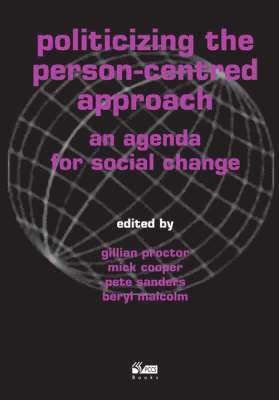
This timely book explores the interface between the Person-Centred Approach and radical political theory and activity. Specifically, it explores the contribution that a critical analysis of social and political factors can make to the practice of person-centred therapy, and to examine the contribution that person-centred theory and practice can make to the wider sphere of socio-political theory and activity. An international collection of chapters offers critical analysis of the PCA and difference and diversity; class; culture and racism; sexuality; power and feminism. Other contributions present a range of work involving social change as a necessary and sufficient condition for therapeutic personality growth; emotional literacy; sociotherapy; work with refugees and asylum seekers; peace groups; ecopolitics and spirituality."Politicising the Person-Centred Approach" is primarily aimed at practitioners and, to some extent, students, of the person-centred approach who have an interest in political issues and concerns, but will also be of interest to service users, practitioners and theorists in the field of critical psychiatry and critical psychology, who may be interested in developing the theoretical foundations of their work and expanding their theoretical and practical horizons.
Dynamics of Power in Counselling and Psychotherapy
Ethics, Politics and Practice
Häftad, Engelska, 2017
328 kr
Skickas
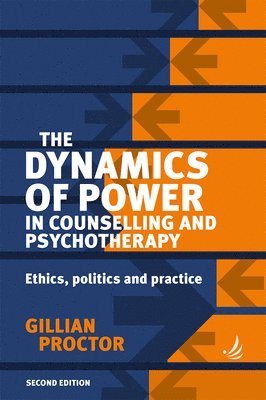
This hard-hitting, impeccably referenced book draws on academic theories and analyses of power and the author's personal experience both as client and practitioner to critique power within the psychotherapeutic relationship and within the organisations where therapy takes place. Accessible, political and severely critical of her own profession, Proctor provides an essential reminder to student, practitioner and researcher of the imperative to remain always mindful of the values and ethics of justice and responsibility. In this revised second edition, Gillian Proctor extends her discussion to the more recent challenges presented by the IAPT programme.
398 kr
Skickas
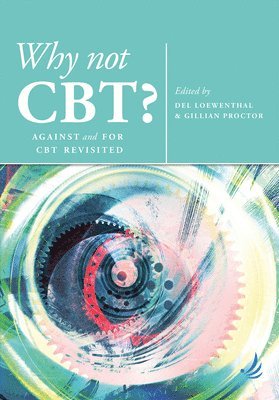
This comprehensively revised and updated second edition of the 2008 classic Against and for CBT has lost none of its passion or power. Those `against' argue that CBT has been used by governments and health provider organisations to transform therapy into, at best, a quick-fix for stressed and unhappy workers (and workless), and, at worst, a form of neoliberal, state-sponsored thought reform. Those `for' CBT respond that to condemn it is to throw out an effective model that is liked by clients and has grown into compassion and meditative wisdom in its more recent modifications. For many of the contributors, the way forward lies in mutual respect between proponents of their respective modalities, and realisation that the therapy profession can only lose by engaging in these internal schisms. No single model can do everything for everyone: CBT is not the only game in town.
286 kr
Skickas
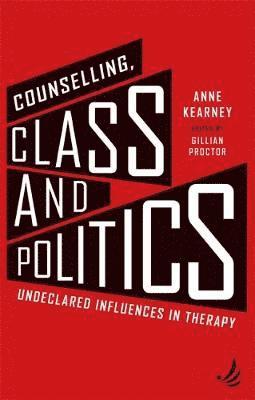
Anne's motivation for writing Counselling, Class and Politics back in 1996, was `to persuade readers to the view that politics and political ideas matter in counselling'. This new edition of the work contains a wide range of commentaries from practioners working in the world of counselling today, who all argue that Anne's message is as relevant today as it has always been. So too is driving belief of the author that counselling training, regulation and awareness in general too often fails to acknowledge the political environment that practitioners and their clients inhabit and its influence on the counselling relationship. Anne's book, accessible, unashamedly unapologetic and searching in the questions it asks of readers, is still a vibrant, challenging text for any student, practitioner or trainer today.