Giosetta Fioroni - Böcker
Visar alla böcker från författaren Giosetta Fioroni. Handla med fri frakt och snabb leverans.
2 produkter
2 produkter
224 kr
Skickas
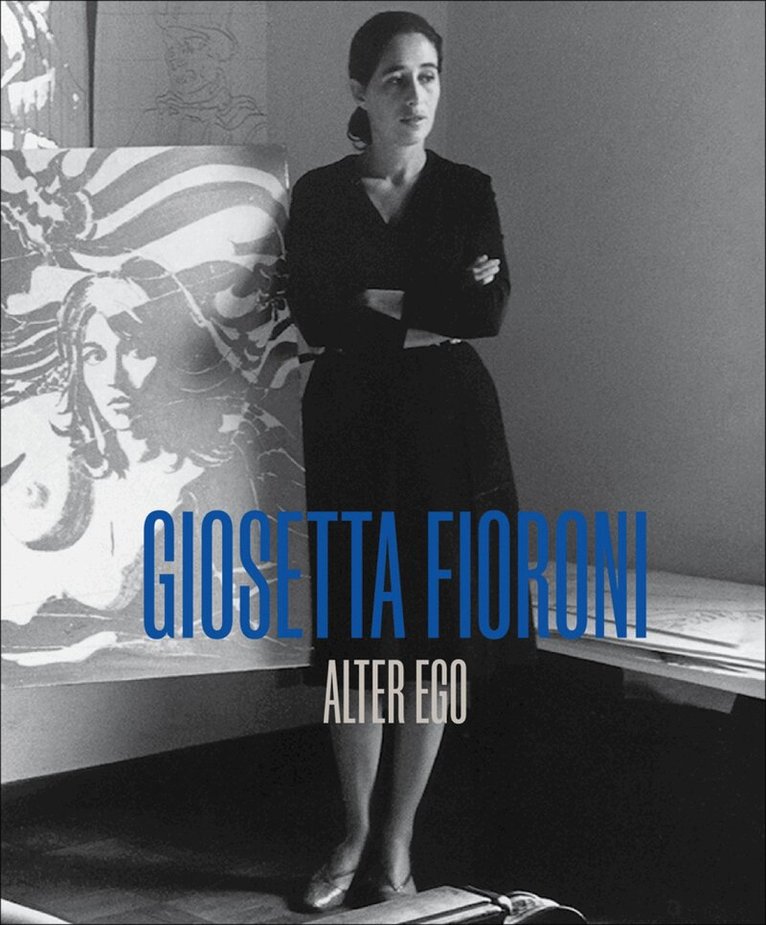
Giosetta Fioroni is considered one of the most important figures in Italian painting of the postwar era. Her work is commonly associated with the Scuola di Piazza del Popolo group in Rome – which also included Mario Schifano, Tano Festa and Franco Angeli, among others – as well as with the advent of Pop art in Italy. Yet Fioroni’s practice differs from those of her immediate contemporaries and from the overarching notion of Pop as it came to be understood in the English-speaking world. The divergences are most clearly pronounced in her persistent exploration of femininity, rooted in both her personal experiences and her interpretation of the category in popular culture.‘I have worked a lot, not on feminism but on femininity’, Fioroni once explained. ‘I would like to maintain a distinction. In a period of lively feminism, I was interested in the look, in the atmosphere tied to femininity.’ Giosetta Fioroni: Alter Ego is the first publication to focus on feminist perspectives in the work of Fioroni. It includes an exclusive interview with the artist conducted by Hans Ulrich Obrist and a scholarly essay by Anna Dumont on the subject of gendered looking in Fioroni’s portraits of women.
485 kr
Skickas inom 7-10 vardagar
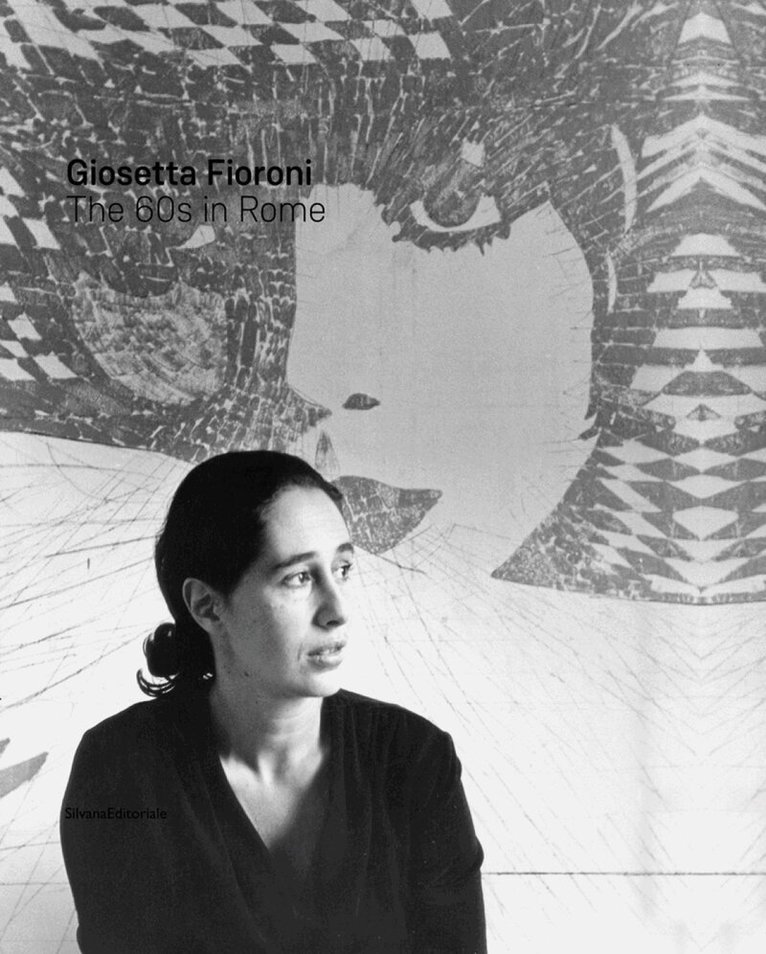
During the 1960s in Rome, the artist Giosetta Fioroni discovered her language of expression by combining her passion for literature with her passion for painting. She merged the perturbations of Informal Art with notions of emerging Pop Art - becoming one of its prominent figures.Silver is the colour characterising Giosetta Fioroni's paintings from that decade. And indeed it represents the artist's unmistakable 'trademark' - to the point of overshadowing the linguistic and emotional apprehensions populating her works and the events in her life before and after those happy and acknowledged times. This book, edited by Marco Meneguzzo and Piero Mascitti, portrays the complexity of an artist within the expressive abundance of a time and a city. A time and a city so stratified at a cultural level as to have more than one surprise in store for historical and critical analysis.