Giulia Paoletti - Böcker
Visar alla böcker från författaren Giulia Paoletti. Handla med fri frakt och snabb leverans.
2 produkter
2 produkter
493 kr
Skickas inom 7-10 vardagar
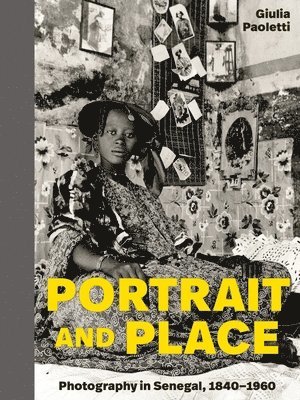
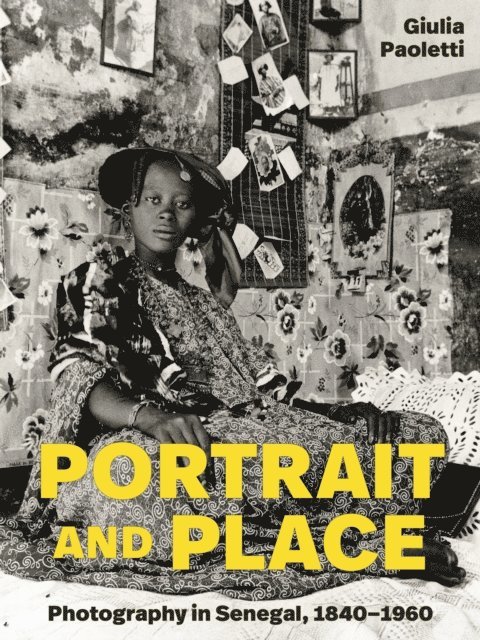
A richly illustrated history of photography in one of the epicenters of African modernityWhen the daguerreotype first arrived in sub-Saharan Africa in the early nineteenth century, local kingdoms still held power in Senegal and the French presence was limited to trading outposts along the coast. The pioneers of photography in Senegal worked within, across, and beyond the borders of colonial empire, expanding the medium’s possibilities and contributing to a global visual language. Portrait and Place explores these unique encounters, providing an in-depth and nuanced look at the images made at the intersection of Black Atlantic, Islamic, and African cultures.Giulia Paoletti takes readers on a visual journey from the 1840s, when the oldest-surviving daguerreotype from West Africa was made, to the 1960s, when photography became the most popular medium as Senegal achieved its independence. She discusses some of Africa’s most celebrated modernists, such as Mama Casset, and also offers insights into lesser-known photographers like Oumar Ka and once-anonymous figures such as Macky Kane. Paoletti examines both professional and amateur artists in genres ranging from portraiture to landscape and across media such as glass painting and lithography.Featuring a wealth of breathtaking images published here for the first time, Portrait and Place brings to life the important histories of photography on the African continent.
231 kr
Skickas inom 7-10 vardagar
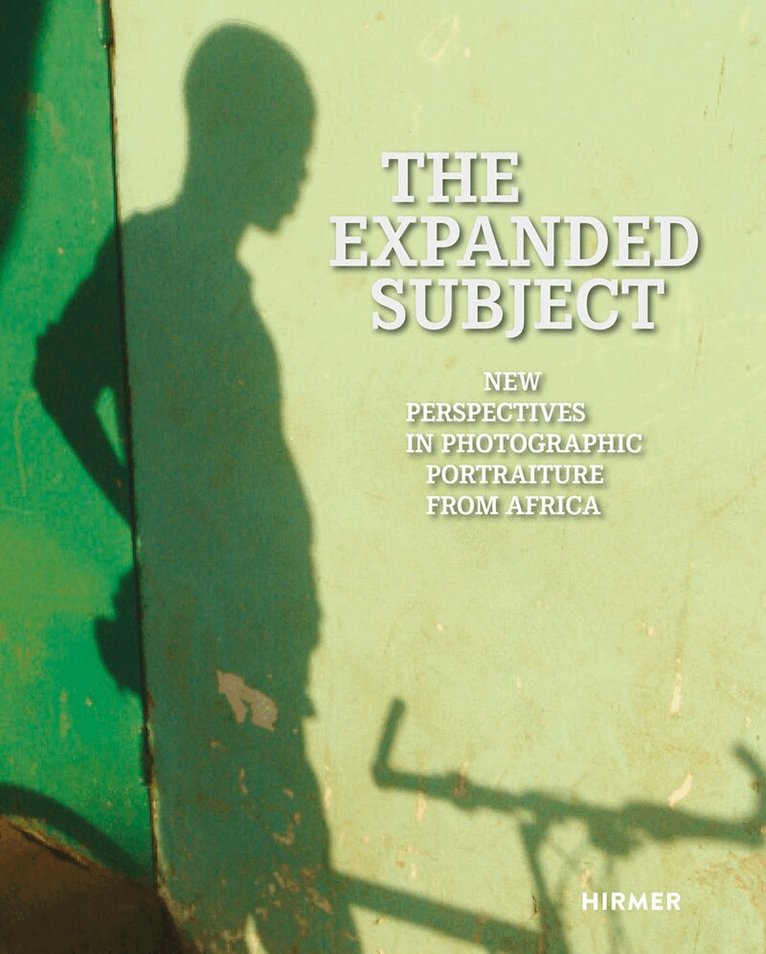
From 19th-century studio practice through the independence era, African photography has best been known for modes of portraiture that crystallize the sitter’s identity and social milieu. Even portraits by contemporary artists are often interpreted as windows into African realities. This exhibition reconsiders African contemporary photographic portraiture by presenting four practitioners whose concerns range well beyond questions of social identity. Sammy Baloji, Mohamed Camara, Saïdou Dicko, and George Osodi expand their subjects’ interpretive possibilities, exemplifying a new creativity and versatility in portrait-making. While each artist employs different strategies, they all challenge the assumption that photographic portraits serve as mirrors of the “self.” Baloji’s montages dislocate the subject historically, Camara probes the boundaries of the portrait genre, Dicko expresses uncertainty at the possibility of representation, and Osodi engages his subjects as platforms for political commentary. The four artists enlist portraiture as a point of departure for exploring subjectivity, history, and photographic form. The Expanded Subject offers new insights into the expressive and conceptual range of African photo-portraiture today.