Glenda Riley - Böcker
Visar alla böcker från författaren Glenda Riley. Handla med fri frakt och snabb leverans.
4 produkter
4 produkter
433 kr
Skickas inom 10-15 vardagar
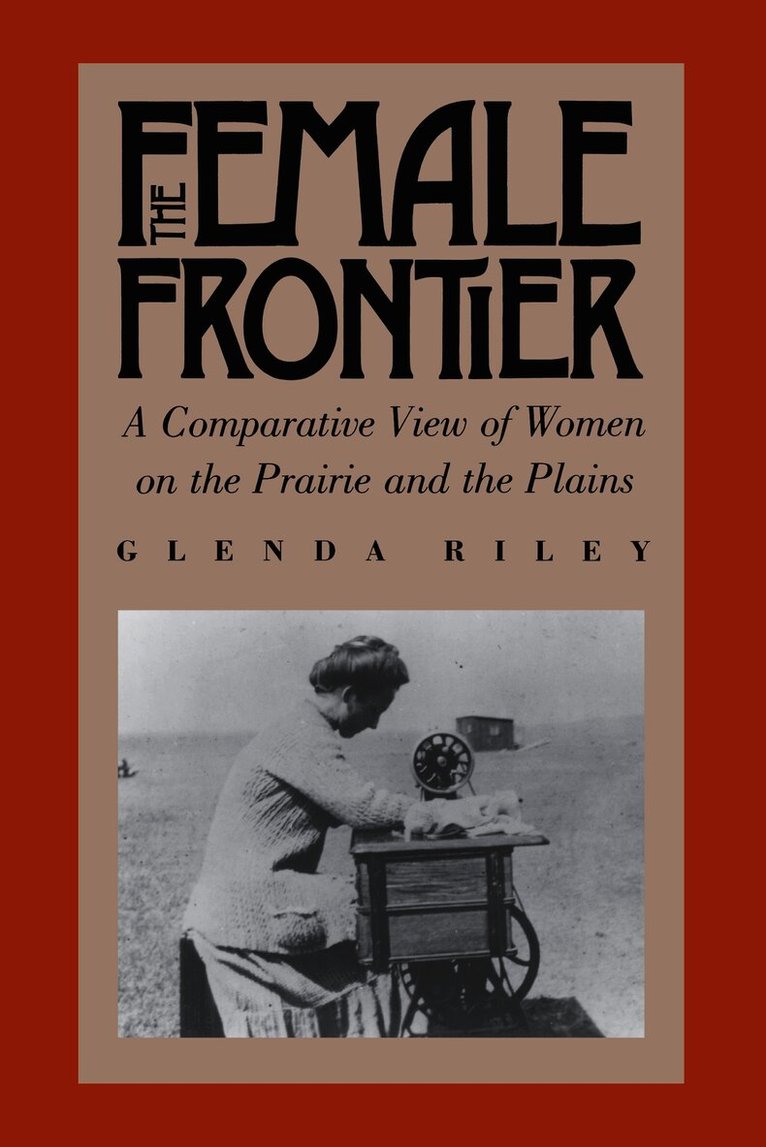
his book introduces the important concept of a female frontier—a frontier "every bit as real and coherent, as, for example, the mining frontier." It gives us a new understanding of western women's shared experiences and of the full implications of their participation in America's westward movement.Riley has reconstructed women's roles and concerns from census data, legal proceedings, newspaper accounts, local histories, essays, sermons, novels, photographs, works of art, and in large part from their own words, as recorded in diaries, day books, journals, letters, memoirs, reminiscences, and interviews. These women include the barely literate and the educated, the young and the old, single and married, white and black, native-born and immigrant. What emerges is a new understanding of the shared experiences—at home, in paid employment, and in community activities—that constituted the female frontier.
268 kr
Skickas inom 10-15 vardagar
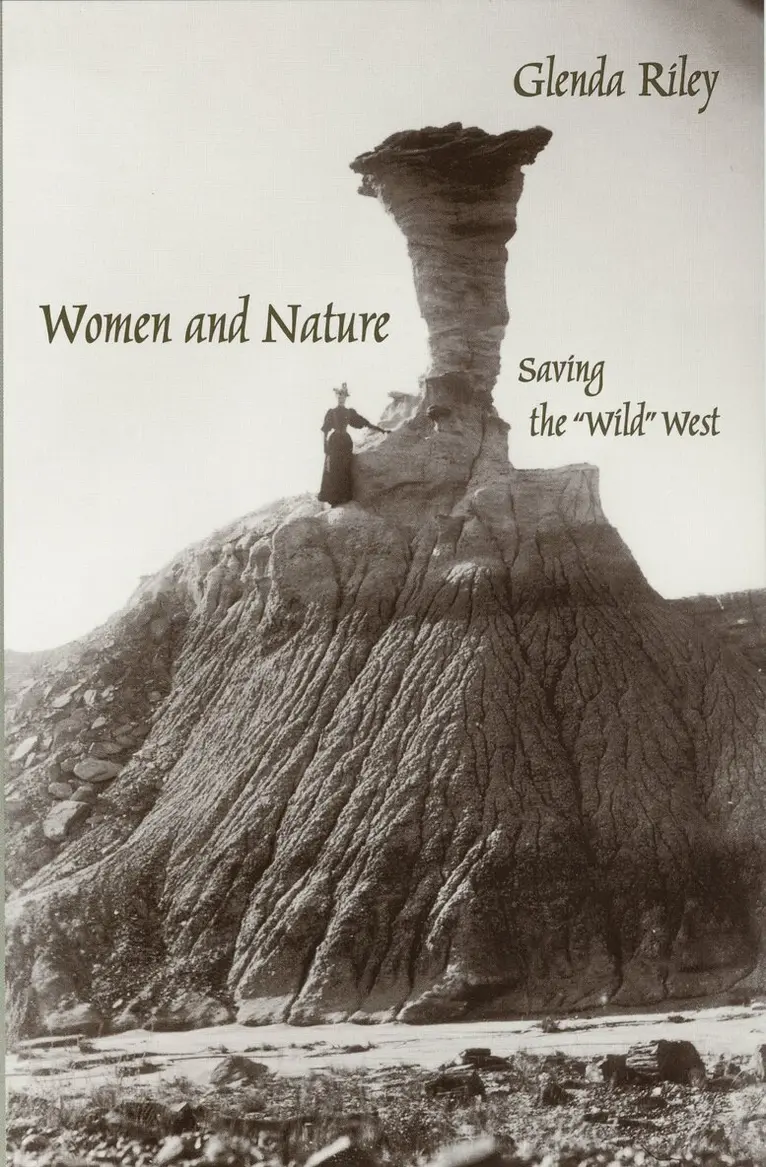
Long before Rachel Carson's fight against pesticides placed female environmental activists in the national spotlight, women were involved in American environmentalism. In Women and Nature: Saving the "Wild" West, Glenda Riley calls for a reappraisal of the roots of the American conservation movement. This thoroughly researched study of women conservationists provides a needed corrective to the male-dominated historiography of environmental studies. The early conservation movement gained much from women's widespread involvement. Florence Merriam Bailey classified the birds of New Mexico and encouraged appreciation of nature and concern for environmental problems. Ornithologist Margaret Morse Nice published widely on Oklahoma birds. In 1902 Mary Knight Britton established the Wild Flower Preservation Society of America. Women also stimulated economic endeavors related to environmental concerns, including nature writing and photography, health spas and resorts, and outdoor clothing and equipment. From botanists, birders, and nature writers to club-women and travelers, untold numbers of women have contributed to the groundswell of support for environmentalism.
214 kr
Skickas inom 5-8 vardagar
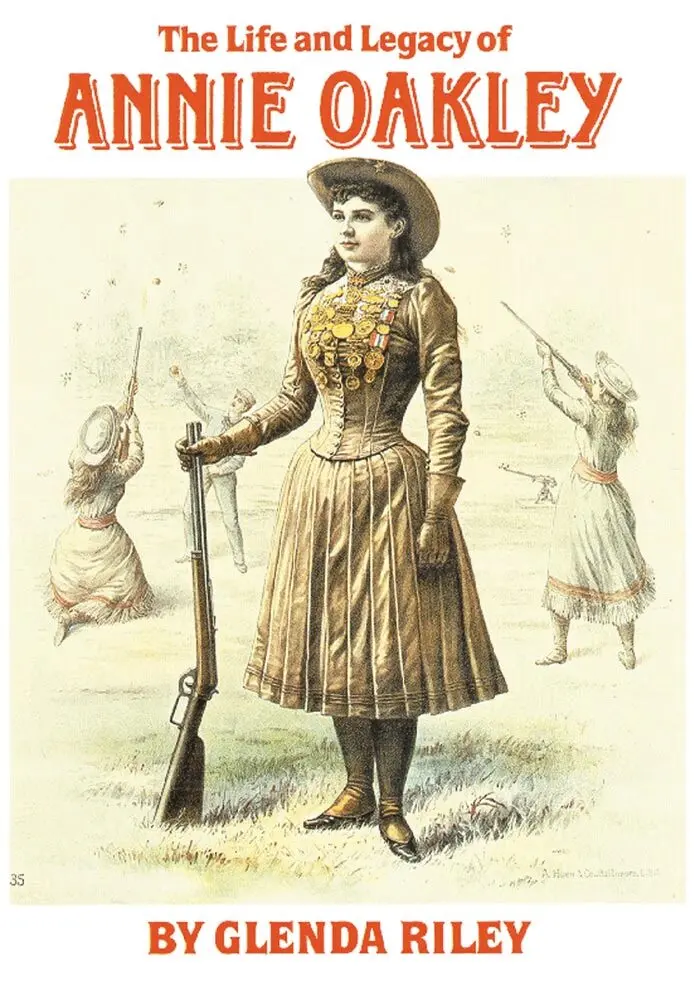
With a widowed mother and six siblings, Annie Oakley first became a trapper, hunter, and sharpshooter simply to put food on the table. Yet her genius with the gun eventually led to her stardom in Buffalo Bill's Wild West Show during the latter half of the nineteenth century. The archetypal western woman, Annie Oakley urged women to take up shooting to procure food, protect themselves, and enjoy healthy exercise, yet she was also the proper Victorian lady, demurely dressed and skeptical about the value of women's suffrage. Glenda Riley presents the first interpretive biography of the complex woman who was Annie Oakley.
473 kr
Skickas inom 3-6 vardagar
Generations of Americans have seen the West as beyond federal control and direction. But the national government's presence in the West dates to before Lewis and Clark, and since 1789 a number of U.S. presidents have had a penetrating and long-lasting impact on the region. In Presidents Who Shaped the American West, noted historians Glenda Riley and Richard W. Etulain present startling analyses of chief executives and their policies, illuminating the long reach of presidential power.The authors begin each chapter by sketching a particular president's biography and explaining the political context in which he operated while in office. They then consider overarching actions and policies that affected both the nation and the region during the president's administration, such as Thomas Jefferson's augmentation of the West via the Louisiana Purchase, and Andrew Jackson's removal of American Indians from the Southeast to ""Indian Country"" in the West.Abraham Lincoln's promotion of the Homestead Act, a transcontinental railroad, and western territories and states free of slavery marked further extensions of presidential power in the region. Theodore Roosevelt's conservation efforts and Jimmy Carter's expansion of earlier policies reflected growing public concern with the West's finite natural resources and fragile natural environment. Franklin D. Roosevelt's New Deal, Dwight D. Eisenhower's highway program, and Lyndon B. Johnson's Great Society funneled federal funding into the West. In return for this largesse, some argued, the West paid the price of increased federal hegemony, and Ronald Reagan's presidency arguably curbed that power. Riley and Etulain also discuss the most recent presidential terms and the region's growing political power in Congress and the federal bureaucracy.With an accessible approach, Presidents Who Shaped the American West establishes the crucial and formative nature of the relationship between the White House and the West - and will encourage readers to continue examining this relationship.