Glenn R. Parker – författare
Visar alla böcker från författaren Glenn R. Parker. Handla med fri frakt och snabb leverans.
9 produkter
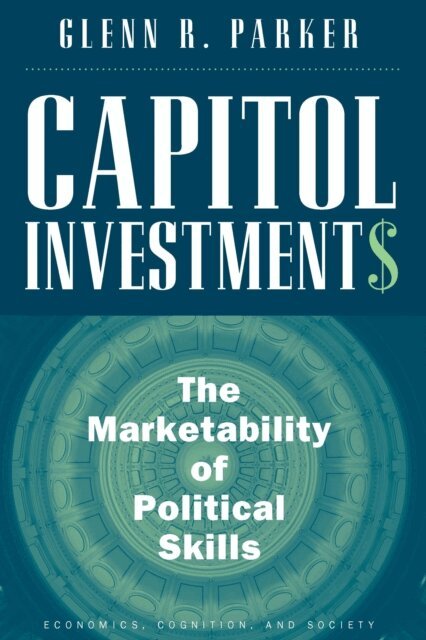
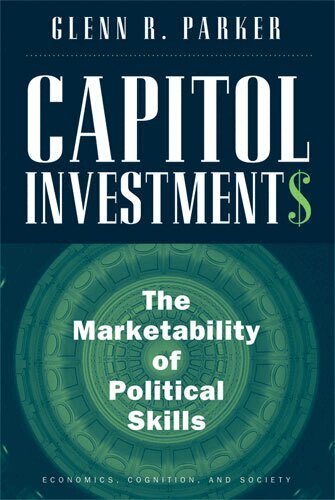
Capitol Investments
The Marketability of Political Skills
E-bok, 2009
568 kr
Lägg i varukorg
What would you do if, the very day you were hired, you knew you could be unemployed in as little as two years? You''d seek opportunities in your current job to develop a portfolio of skills and contacts in order to make yourself more attractive to future employers. Representatives and senators …
Capitol Investments
The Marketability of Political Skills
Häftad, 2011
383 kr
Lägg i varukorg
What would you do if, the very day you were hired, you knew you could be unemployed in as little as two years? You'd seek opportunities in your current job to develop a portfolio of skills and contacts in order to make yourself more attractive to future employers. Representatives and senators think …
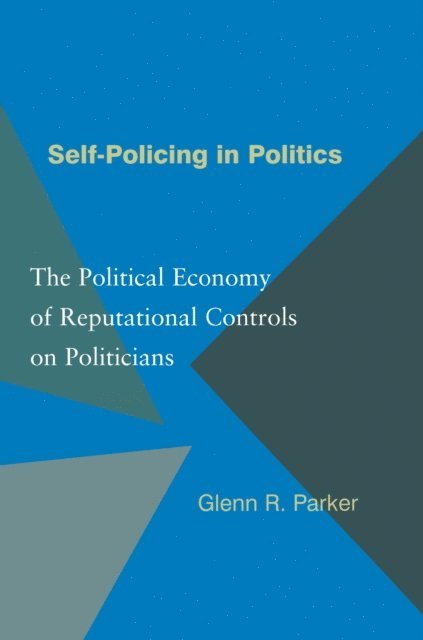
Self-Policing in Politics
The Political Economy of Reputational Controls on Politicians
Inbunden, 2004
845 kr
Lägg i varukorg
Contrary to what news reports might suggest, the majority of politicians behave ethically and are never subject to investigations. Is this because of the elaborate system of rules Congress has constructed to regulate the conduct of its members as well as the fear of electoral reprisal? Drawing on …
Self-Policing in Politics
The Political Economy of Reputational Controls on Politicians
E-bok, 2021
1170 kr
Lägg i varukorg
Contrary to what news reports might suggest, the majority of politicians behave ethically and are never subject to investigations. Is this because of the elaborate system of rules Congress has constructed to regulate the conduct of its members as well as the fear of electoral reprisal? Drawing on …
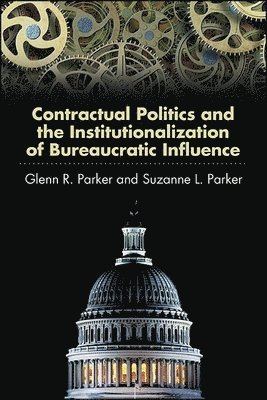
Contractual Politics and the Institutionalization of Bureaucratic Influence
Av Glenn R. Parker, Suzanne L. Parker
Häftad, 2019
648 kr
Lägg i varukorg
Analyzes long-term interest group/party alliances, with a focus on the part played by federal advisory committees.This book sheds light on the dealings between special interests and political parties by challenging three long-standing assumptions: that transactions between interest groups and …
Capitol Investments
The Marketability of Political Skills
Inbunden, 2008
1057 kr
Tillfälligt slut
What would you do if, the very day you were hired, you knew you could be unemployed in as little as two years? You'd seek opportunities in your current job to develop a portfolio of skills and contacts in order to make yourself more attractive to future employers. Representatives and senators think …
Institutional Change, Discretion, and the Making of Modern Congress
An Economic Interpretation
Inbunden, 1992
1057 kr
Tillfälligt slut
Controversial new interpretation of legislators' behavior
Congress and the Rent-Seeking Society
Inbunden, 1996
1264 kr
Tillfälligt slut
Skillfully blending historical data with microeconomic theory, Glenn Parker argues that the incentives for congressional service have declined over the years, and that with that decline has come a change in the kind of person who seeks to enter Congress. The decline in the attractiveness of …
Contractual Politics and the Institutionalization of Bureaucratic Influence
Av Glenn R. Parker, Suzanne L. Parker
Inbunden, 2018
1111 kr
Tillfälligt slut
Analyzes long-term interest group/party alliances, with a focus on the part played by federal advisory committees.This book sheds light on the dealings between special interests and political parties by challenging three long-standing assumptions: that transactions between interest groups and …