Glyn Wittwer - Böcker
Visar alla böcker från författaren Glyn Wittwer. Handla med fri frakt och snabb leverans.
5 produkter
5 produkter
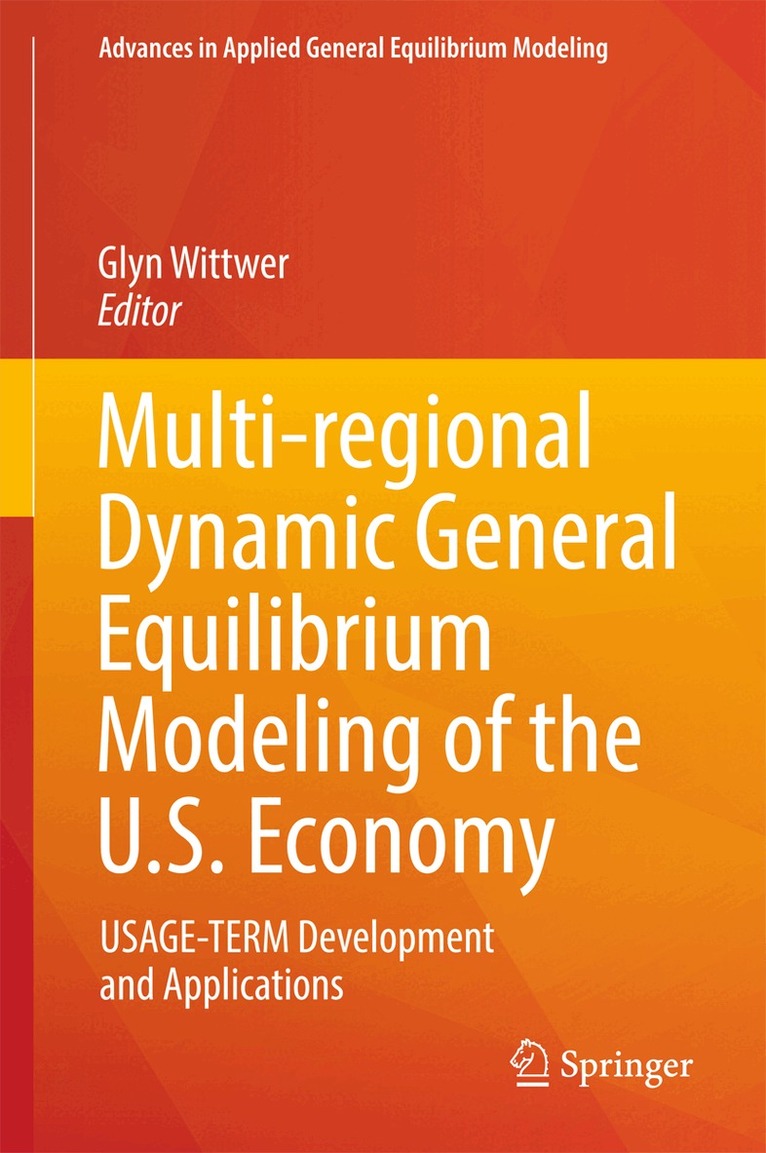
Multi-regional Dynamic General Equilibrium Modeling of the U.S. Economy
USAGE-TERM Development and Applications
Inbunden, Engelska, 2017
1 375 kr
Skickas inom 10-15 vardagar
This book details the preparation of USAGE-TERM, a computable general equilibrium model that provides regional economic detail in the USA. The model can represent either congressional district or state level economic activity. The latter may include a top-down representation of county activity. Interest in USAGE-TERM is growing among government departments. It is a practical tool, which may enhance analysis of productivity growth and innovation, adverse events such as drought or civil disruption and the dynamic economic impacts of major projects.Economic analysts and policy makers care about regions. Some regions suffer growing pains, as supporting infrastructure and services struggle to cope with population growth. Soaring house prices and rentals may lower affordability for many. Other regions suffer ongoing decline due to structural change. Regional economic fluctuations are often far more dramatic than national fluctuations.
Multi-regional Dynamic General Equilibrium Modeling of the U.S. Economy
USAGE-TERM Development and Applications
Häftad, Engelska, 2018
1 375 kr
Skickas inom 10-15 vardagar
This book details the preparation of USAGE-TERM, a computable general equilibrium model that provides regional economic detail in the USA.
1 059 kr
Skickas inom 10-15 vardagar
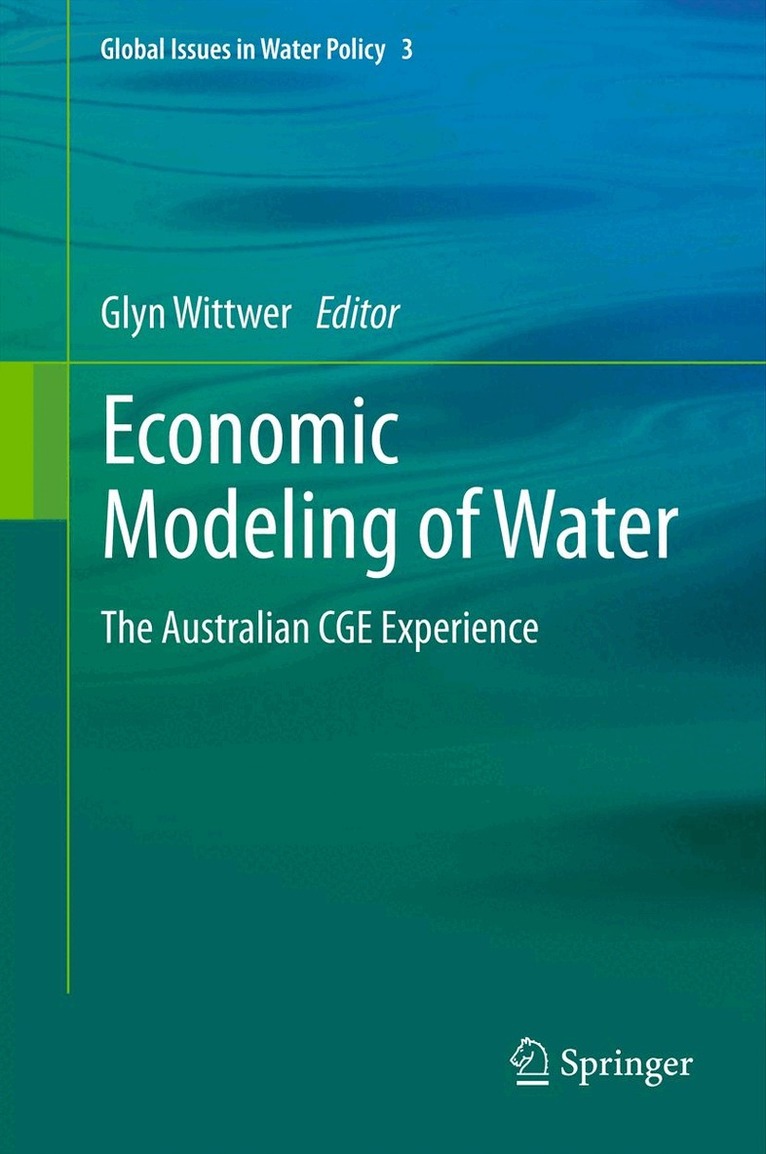
The book details the innovative TERM (The Enormous Regional Model) approach to regional and national economic modeling, and explains the conversion from a comparative-static to a dynamic model. It moves on to an adaptation of TERM to water policy, including the additional theoretical and database requirements of the dynamic TERM-H2O model. In particular, it examines the contrasting economic impacts of water buyback policy and recurring droughts in the Murray-Darling Basin. South-east Queensland, where climate uncertainty has been borne out by record-breaking drought and the worst floods in living memory, provides a chapter-length case study. The exploration of the policy background and implications of TERM’s dynamic modeling will provide food for thought in policy making circles worldwide, where there is a pressing need for solutions to similarly intractable problems in water management.
1 059 kr
Skickas inom 10-15 vardagar
The book details the innovative TERM (The Enormous Regional Model) approach to regional and national economic modeling, and explains the conversion from a comparative-static to a dynamic model. It moves on to an adaptation of TERM to water policy, including the additional theoretical and database requirements of the dynamic TERM-H2O model. In particular, it examines the contrasting economic impacts of water buyback policy and recurring droughts in the Murray-Darling Basin. South-east Queensland, where climate uncertainty has been borne out by record-breaking drought and the worst floods in living memory, provides a chapter-length case study. The exploration of the policy background and implications of TERM’s dynamic modeling will provide food for thought in policy making circles worldwide, where there is a pressing need for solutions to similarly intractable problems in water management.
1 585 kr
Skickas inom 10-15 vardagar
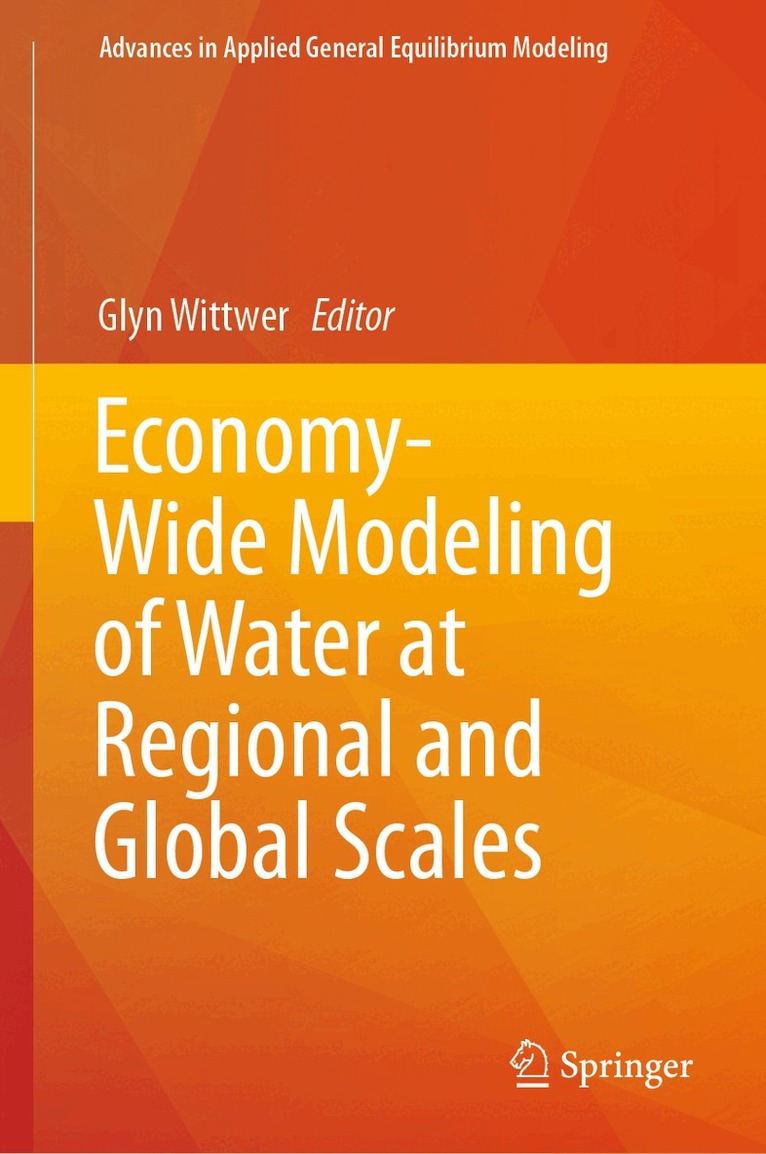
This book deals with the economic modelling of water at the global, national and sub-national levels. It presents a multi-faceted analysis and, while it outlines the theories behind various models, its main purpose is to analyse policy issues and present insights arising from modelling, including a chapter analysing the macroeconomic implications of climate change. Arguably the most compelling reason for publishing a book on the economic modelling of water arises from the fact that agriculture accounts for approximately 70% of water used for economic purposes, while only contributing 4% of global income. Given that water is an essential commodity, this discrepancy may in part be symptomatic of an undervaluation of water due to immature and incomplete markets. In turn, this undervaluation has led to an ongoing misallocation of water. When economic models include water accounts that feed into production functions, they model impacts on the marginal product of water. Policies that improve the link between the marginal product and price of water will improve water allocation, while advanced economic models such as those presented here can enhance our ability to explore the possible impacts of improved policy.