Glynnis Reed – författare
Visar alla böcker från författaren Glynnis Reed. Handla med fri frakt och snabb leverans.
5 produkter
5 produkter
E-bok
Engelska, 2022562 kr
Läs direkt efter köp
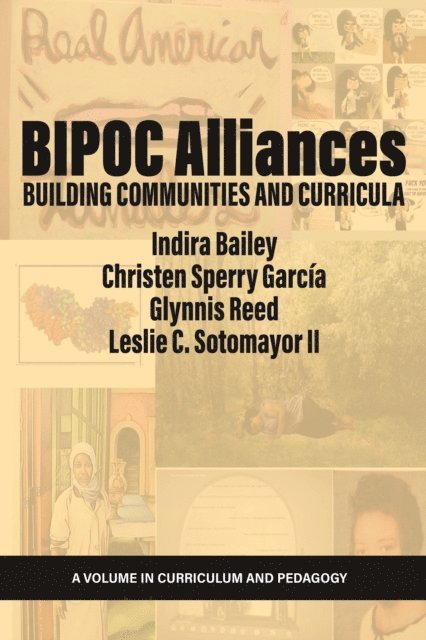
BIPOC Alliances: Building Communities and Curricula is a collection of reflective experiences that confront, challenge, and resist hegemonic academic canons. BIPOC perspectives are often scarce in scholarly academic venues and curriculum. This edited book is a curated collection of interdisciplinary, underrepresented voices, and lived experiences through critical methodologies for empowerment (Reilly & Lippard, 2018). Gloria Anzaldua's (2015) autohistoria-teoria is a lens for decolonizing and theorizing of one's own experiences, historical contexts, knowledge, and performances through creative acts, curriculum, and writing. Gloria Anzaldua coined, autohistoria-teoria, a feminist writing practice of testimonio as a way to create self-knowledge, belonging, and to bridge collaborative spaces through self-empowerment. Anzaldua encouraged us to focus towards social change through our testimonios and art, '[t]he healing images and narratives we imagine will eventually materialize' (Anzaldua & Keating, 2009, p. 247).For this collection, we use lived experience or testimonios as an approach, a method, to conduct research and to bear witness to learners and one's own experiences (Reyes & Rodriguez, 2012). Maxine Greene's (1995) concept of an emancipated pedagogy merges art, culture, and history as one education that empowers students with Gloria Anzaldua's (2015) autohistoria-teoria to re-imagine individual and collective inclusion by allowing students '... to read and to name, to write and to rewrite their own lived worlds' (Greene, 1995, pp. 147). Greene and Anzaldua reach beyond theorizing and creating curriculum for awareness and expand the crossings into active and critical self- reflective work to rewrite one's own empowered stories and engage in a healing process.
E-bok
PDF, Engelska, 2019544 kr
Läs direkt efter köp
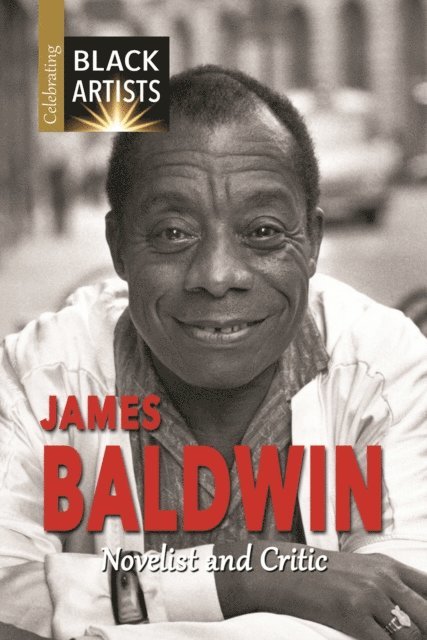
"The connection between American whites and blacks is far deeper and more passionate than any of us like to think." These words from the introduction of his collection of essays in "Nobody Knows My Name" shows the truth-telling strength of a brave man. James Baldwin was an outspoken advocate for social justice and equality for black people in America. He lent a creative and powerful voice to the civil rights struggle of the 1960s and brilliantly critiqued the problems of race in the twentieth century. Through his novels, plays, poetry, and essays, Baldwin urged the world to understand and appreciate the humanity and complexity of African Americans. This thought-provoking biography analyzes the life behind this creative force and will inspire your readers to be true to themselves and strong of conviction.
Häftad, Engelska, 2022
536 kr
Skickas inom 5-8 vardagar
BIPOC Alliances: Building Communities and Curricula is a collection of reflective experiences that confront, challenge, and resist hegemonic academic canons. BIPOC perspectives are often scarce in scholarly academic venues and curriculum. This edited book is a curated collection of interdisciplinary, underrepresented voices, and lived experiences through critical methodologies for empowerment (Reilly & Lippard, 2018). Gloria Anzaldua’s (2015) autohistoria-teoría is a lens for decolonizing and theorizing of one’s own experiences, historical contexts, knowledge, and performances through creative acts, curriculum, and writing. Gloria Anzaldua coined, autohistoria-teoría, a feminist writing practice of testimonio as a way to create self-knowledge, belonging, and to bridge collaborative spaces through self-empowerment. Anzaldua encouraged us to focus towards social change through our testimonios and art, '[t]he healing images and narratives we imagine will eventually materialize' (Anzaldua & Keating, 2009, p. 247).For this collection, we use lived experience or testimonios as an approach, a method, to conduct research and to bear witness to learners and one’s own experiences (Reyes & Rodríguez, 2012). Maxine Greene’s (1995) concept of an emancipated pedagogy merges art, culture, and history as one education that empowers students with Gloria Anzaldua’s (2015) autohistoria-teoría to re-imagine individual and collective inclusion by allowing students '... to read and to name, to write and to rewrite their own lived worlds' (Greene, 1995, pp. 147). Greene and Anzaldua reach beyond theorizing and creating curriculum for awareness and expand the crossings into active and critical self- reflective work to rewrite one’s own empowered stories and engage in a healing process.
Inbunden, Engelska, 2022
999 kr
Skickas inom 5-8 vardagar
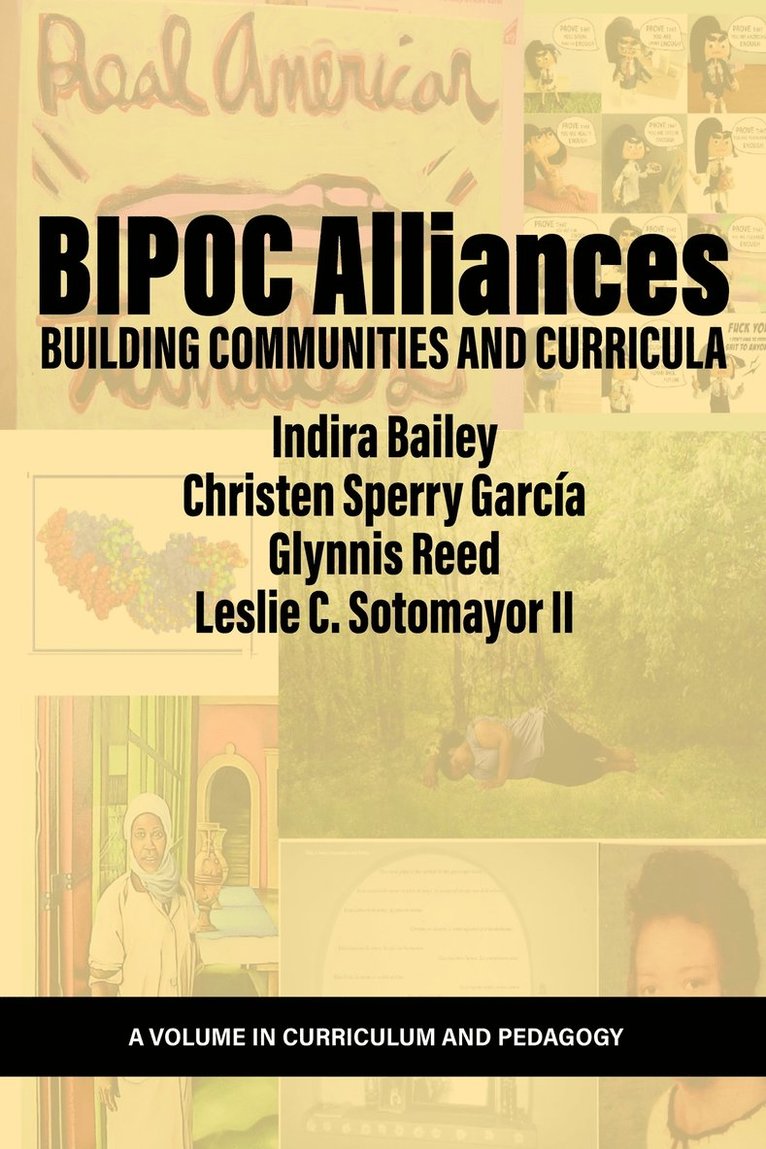
BIPOC Alliances: Building Communities and Curricula is a collection of reflective experiences that confront, challenge, and resist hegemonic academic canons. BIPOC perspectives are often scarce in scholarly academic venues and curriculum. This edited book is a curated collection of interdisciplinary, underrepresented voices, and lived experiences through critical methodologies for empowerment (Reilly & Lippard, 2018). Gloria Anzaldua’s (2015) autohistoria-teoría is a lens for decolonizing and theorizing of one’s own experiences, historical contexts, knowledge, and performances through creative acts, curriculum, and writing. Gloria Anzaldua coined, autohistoria-teoría, a feminist writing practice of testimonio as a way to create self-knowledge, belonging, and to bridge collaborative spaces through self-empowerment. Anzaldua encouraged us to focus towards social change through our testimonios and art, '[t]he healing images and narratives we imagine will eventually materialize' (Anzaldua & Keating, 2009, p. 247).For this collection, we use lived experience or testimonios as an approach, a method, to conduct research and to bear witness to learners and one’s own experiences (Reyes & Rodríguez, 2012). Maxine Greene’s (1995) concept of an emancipated pedagogy merges art, culture, and history as one education that empowers students with Gloria Anzaldua’s (2015) autohistoria-teoría to re-imagine individual and collective inclusion by allowing students '... to read and to name, to write and to rewrite their own lived worlds' (Greene, 1995, pp. 147). Greene and Anzaldua reach beyond theorizing and creating curriculum for awareness and expand the crossings into active and critical self- reflective work to rewrite one’s own empowered stories and engage in a healing process.
E-bok
Engelska, 2022483 kr
Läs direkt efter köp
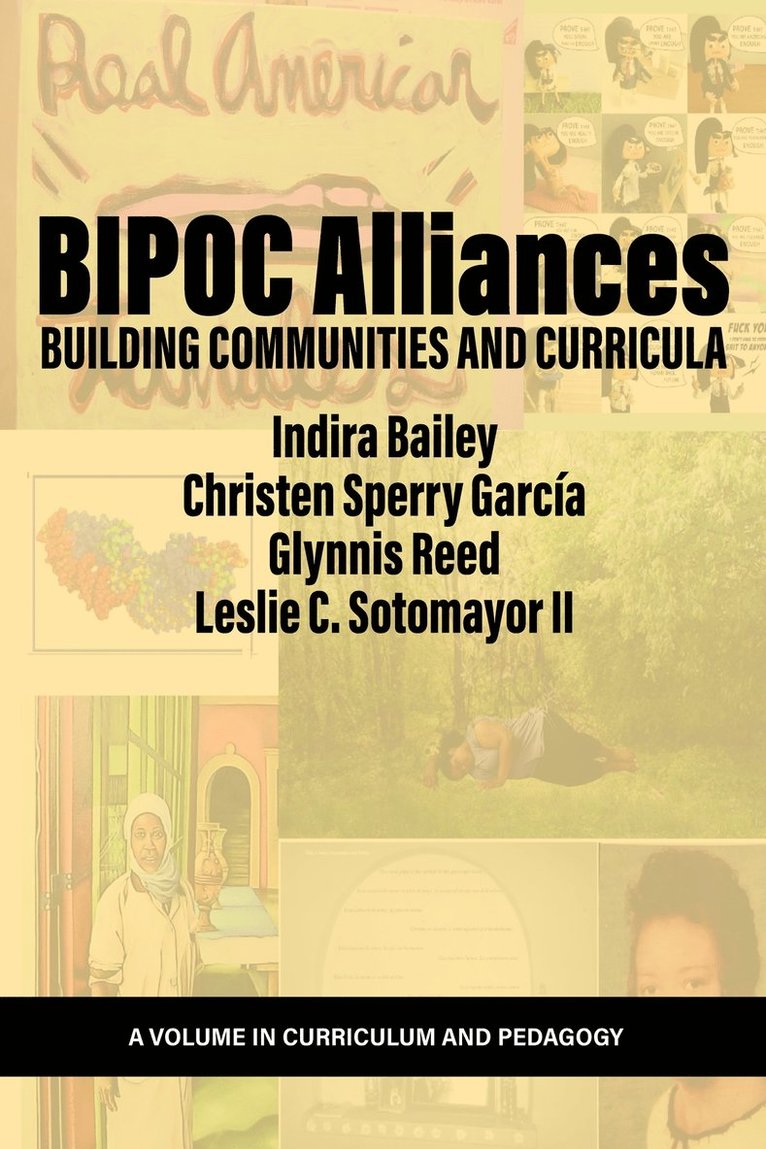
BIPOC Alliances: Building Communities and Curricula is a collection of reflective experiences that confront, challenge, and resist hegemonic academic canons. BIPOC perspectives are often scarce in scholarly academic venues and curriculum. This edited book is a curated collection of interdisciplinary, underrepresented voices, and lived experiences through critical methodologies for empowerment (Reilly & Lippard, 2018). Gloria Anzaldua's (2015) autohistoria-teoria is a lens for decolonizing and theorizing of one's own experiences, historical contexts, knowledge, and performances through creative acts, curriculum, and writing. Gloria Anzaldua coined, autohistoria-teoria, a feminist writing practice of testimonio as a way to create self-knowledge, belonging, and to bridge collaborative spaces through self-empowerment. Anzaldua encouraged us to focus towards social change through our testimonios and art, '[t]he healing images and narratives we imagine will eventually materialize' (Anzaldua & Keating, 2009, p. 247).For this collection, we use lived experience or testimonios as an approach, a method, to conduct research and to bear witness to learners and one's own experiences (Reyes & Rodriguez, 2012). Maxine Greene's (1995) concept of an emancipated pedagogy merges art, culture, and history as one education that empowers students with Gloria Anzaldua's (2015) autohistoria-teoria to re-imagine individual and collective inclusion by allowing students '... to read and to name, to write and to rewrite their own lived worlds' (Greene, 1995, pp. 147). Greene and Anzaldua reach beyond theorizing and creating curriculum for awareness and expand the crossings into active and critical self- reflective work to rewrite one's own empowered stories and engage in a healing process.