Leslie C. Sotomayor II - Böcker
Visar alla böcker från författaren Leslie C. Sotomayor II. Handla med fri frakt och snabb leverans.
6 produkter
6 produkter
590 kr
Skickas inom 10-15 vardagar
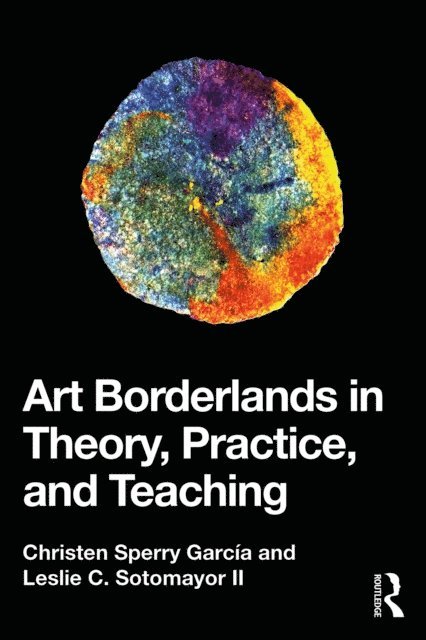
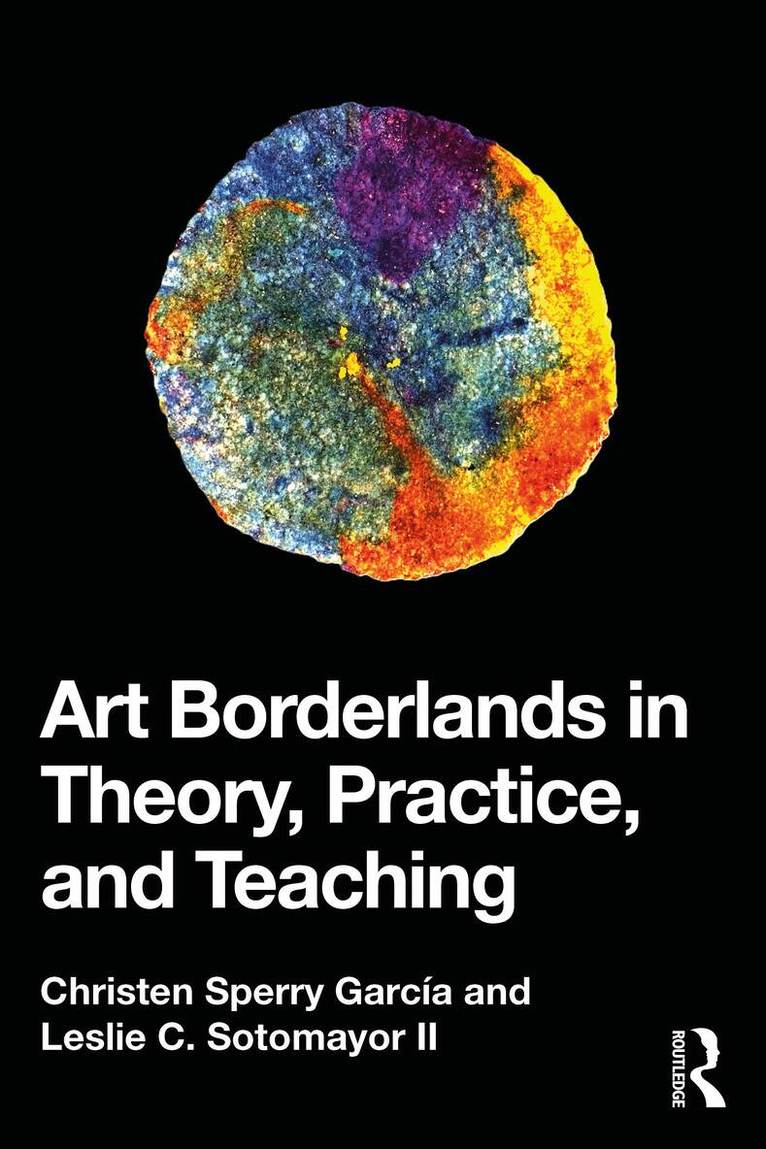
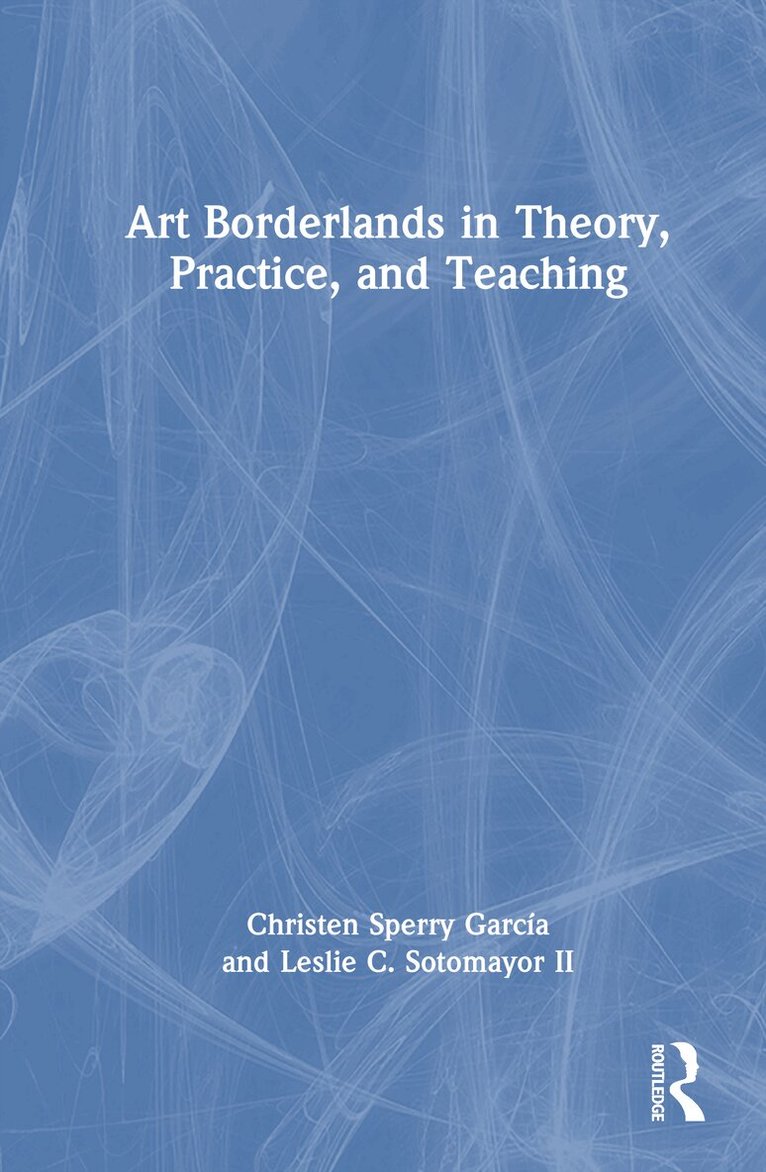
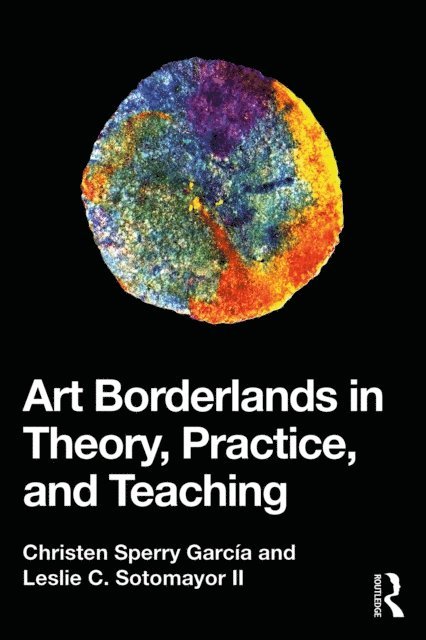
Responding to an absence of Latine and Chicane artist and teaching resources, Art Borderlands in Theory, Practice, and Teaching shows how artists and educators can use borderlands, in-between geographical, emotional, cultural, and conceptual spaces, in three ways: theory, art practice, and teaching.Throughout this teaching-oriented text, the authors draw from borderlands theories and apply them to visual art and teaching. This volume centers art making and teaching practices based on borderlands lived experiences that are not commonly taught in higher education. Making productive the rupture and fragmentation that occurs in borderlands spaces, this text explores ways in which artists rebuild and become whole again through the process of making art. Using hands-on approaches, the authors model how to use borderlands theories in the classroom by employing arts-based and teaching methodologies. This includes access to Latine and Chicane centered digital information, interactive classroom activities, artist resources, and beyond the classroom learning experiences.Art Borderlands in Theory, Practice, and Teaching offers artists, students, and educators art making and teaching approaches that are centered on Latine and Chicane theories and concepts.
2 159 kr
Skickas inom 10-15 vardagar
Responding to an absence of Latine and Chicane artist and teaching resources, Art Borderlands in Theory, Practice, and Teaching shows how artists and educators can use borderlands, in-between geographical, emotional, cultural, and conceptual spaces, in three ways: theory, art practice, and teaching.Throughout this teaching-oriented text, the authors draw from borderlands theories and apply them to visual art and teaching. This volume centers art making and teaching practices based on borderlands lived experiences that are not commonly taught in higher education. Making productive the rupture and fragmentation that occurs in borderlands spaces, this text explores ways in which artists rebuild and become whole again through the process of making art. Using hands-on approaches, the authors model how to use borderlands theories in the classroom by employing arts-based and teaching methodologies. This includes access to Latine and Chicane centered digital information, interactive classroom activities, artist resources, and beyond the classroom learning experiences.Art Borderlands in Theory, Practice, and Teaching offers artists, students, and educators art making and teaching approaches that are centered on Latine and Chicane theories and concepts.
Teaching In/Between: Curating Educational Spaces with Autohistoria-Teoría and Conocimiento
Häftad, Engelska, 2022
568 kr
Skickas inom 5-8 vardagar
Teaching In/Between
Curating Educational Spaces with autohistoria-teoría and conocimiento
Häftad, Engelska, 2022
468 kr
Skickas inom 5-8 vardagar
515 kr
Skickas inom 7-10 vardagar
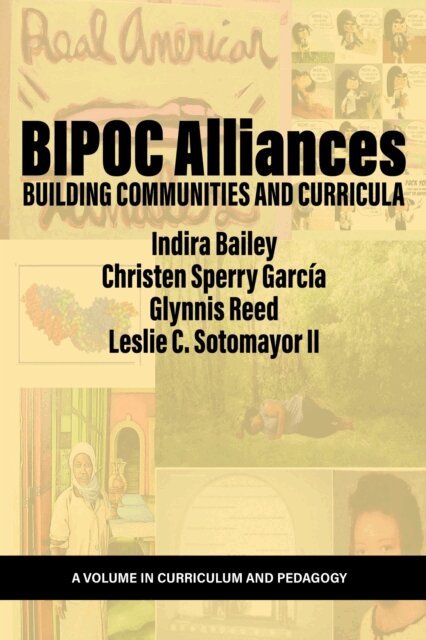
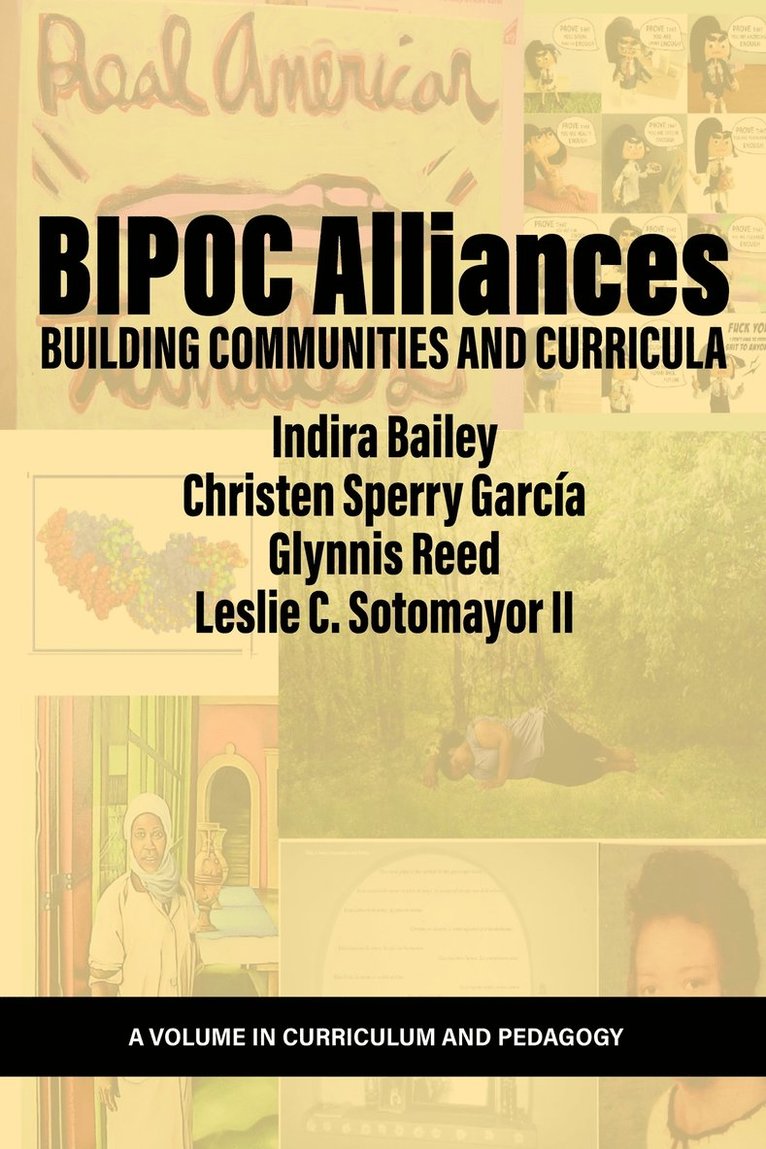
BIPOC Alliances: Building Communities and Curricula is a collection of reflective experiences that confront, challenge, and resist hegemonic academic canons. BIPOC perspectives are often scarce in scholarly academic venues and curriculum. This edited book is a curated collection of interdisciplinary, underrepresented voices, and lived experiences through critical methodologies for empowerment (Reilly & Lippard, 2018). Gloria Anzaldua’s (2015) autohistoria-teoría is a lens for decolonizing and theorizing of one’s own experiences, historical contexts, knowledge, and performances through creative acts, curriculum, and writing. Gloria Anzaldua coined, autohistoria-teoría, a feminist writing practice of testimonio as a way to create self-knowledge, belonging, and to bridge collaborative spaces through self-empowerment. Anzaldua encouraged us to focus towards social change through our testimonios and art, '[t]he healing images and narratives we imagine will eventually materialize' (Anzaldua & Keating, 2009, p. 247).For this collection, we use lived experience or testimonios as an approach, a method, to conduct research and to bear witness to learners and one’s own experiences (Reyes & Rodríguez, 2012). Maxine Greene’s (1995) concept of an emancipated pedagogy merges art, culture, and history as one education that empowers students with Gloria Anzaldua’s (2015) autohistoria-teoría to re-imagine individual and collective inclusion by allowing students '... to read and to name, to write and to rewrite their own lived worlds' (Greene, 1995, pp. 147). Greene and Anzaldua reach beyond theorizing and creating curriculum for awareness and expand the crossings into active and critical self- reflective work to rewrite one’s own empowered stories and engage in a healing process.
950 kr
Skickas inom 7-10 vardagar
BIPOC Alliances: Building Communities and Curricula is a collection of reflective experiences that confront, challenge, and resist hegemonic academic canons. BIPOC perspectives are often scarce in scholarly academic venues and curriculum. This edited book is a curated collection of interdisciplinary, underrepresented voices, and lived experiences through critical methodologies for empowerment (Reilly & Lippard, 2018). Gloria Anzaldua’s (2015) autohistoria-teoría is a lens for decolonizing and theorizing of one’s own experiences, historical contexts, knowledge, and performances through creative acts, curriculum, and writing. Gloria Anzaldua coined, autohistoria-teoría, a feminist writing practice of testimonio as a way to create self-knowledge, belonging, and to bridge collaborative spaces through self-empowerment. Anzaldua encouraged us to focus towards social change through our testimonios and art, '[t]he healing images and narratives we imagine will eventually materialize' (Anzaldua & Keating, 2009, p. 247).For this collection, we use lived experience or testimonios as an approach, a method, to conduct research and to bear witness to learners and one’s own experiences (Reyes & Rodríguez, 2012). Maxine Greene’s (1995) concept of an emancipated pedagogy merges art, culture, and history as one education that empowers students with Gloria Anzaldua’s (2015) autohistoria-teoría to re-imagine individual and collective inclusion by allowing students '... to read and to name, to write and to rewrite their own lived worlds' (Greene, 1995, pp. 147). Greene and Anzaldua reach beyond theorizing and creating curriculum for awareness and expand the crossings into active and critical self- reflective work to rewrite one’s own empowered stories and engage in a healing process.