Goran Miljan – författare
Visar alla böcker från författaren Goran Miljan. Handla med fri frakt och snabb leverans.
7 produkter
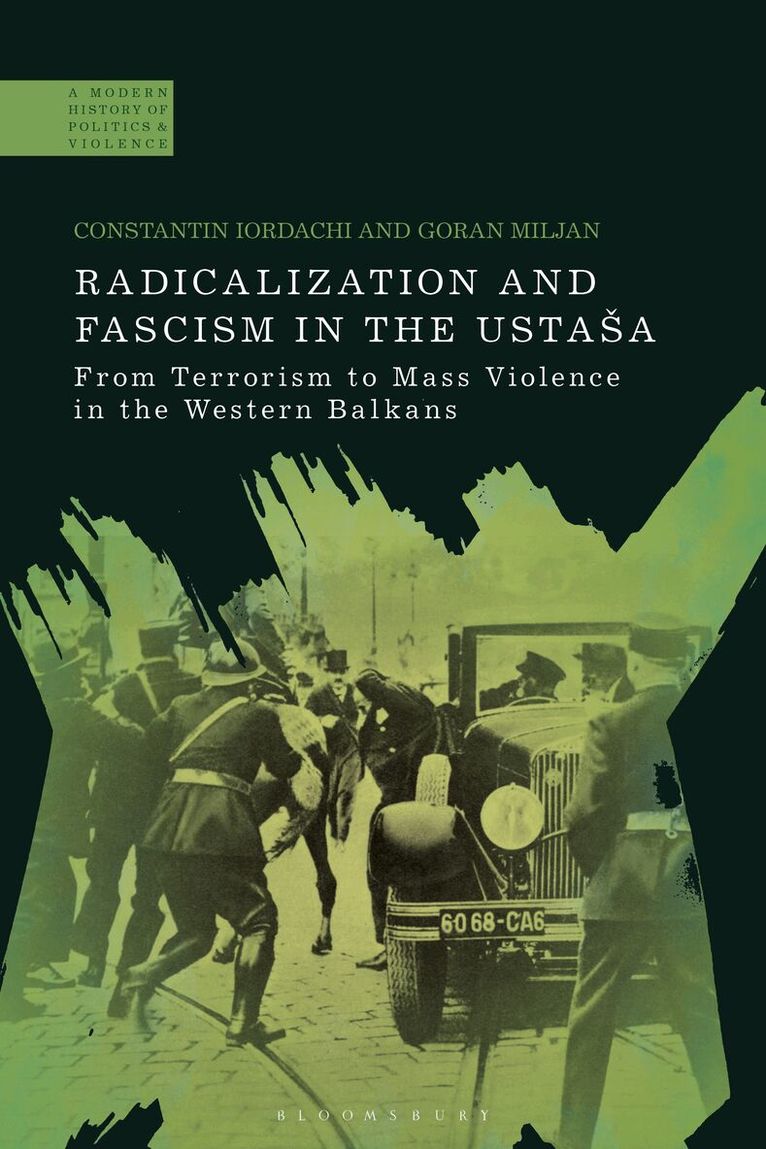
Radicalization and Fascism in the Ustaša
From Terrorism to Mass Violence in the Western Balkans
Av Constantin Iordachi, Goran Miljan m. fl.
Inbunden, 2026
1243 kr
Lägg i varukorg
This book explores the radicalization and fascistization of the Ustaša–The Croatian Revolutionary Organization within the interwar Kingdom of Serbs, Croats and Slovenes and later Yugoslavia, whose tumultuous rise led to terrorism and racial cleansing throughout the western Balkans.Using an …
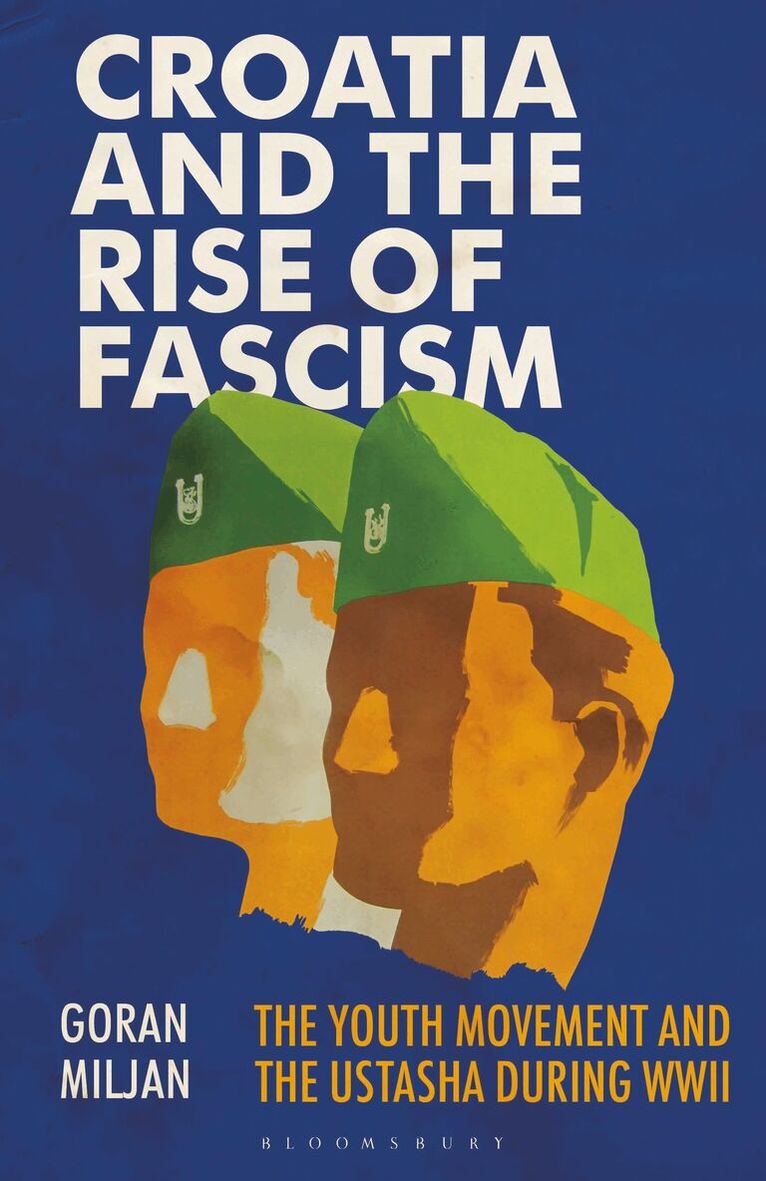
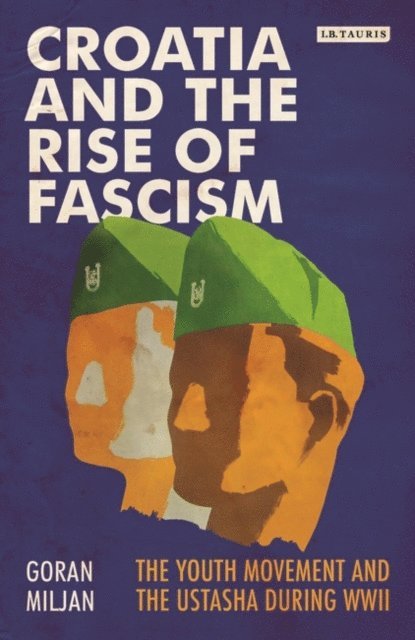
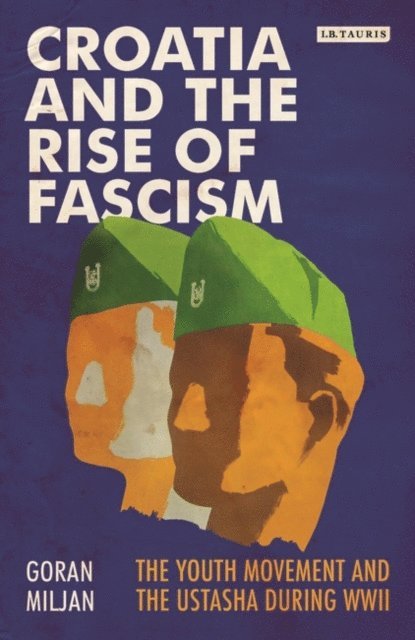
Croatia and the Rise of Fascism
The Youth Movement and the Ustasha During WWII
Av Goran Miljan
Häftad, 2019
517 kr
Lägg i varukorg
During World War II, Croatia became a fascist state under the control of the Ustasha Movement - allied with Nazi Germany and Fascist Italy. Here, Goran Miljan examines and analyzes for the first time the ideology, practices, and international connections of the Ustasha Youth organization. The …
Radicalization and Fascism in the Ustaša
From Terrorism to Mass Violence in the Western Balkans
Av Constantin Iordachi, Goran Miljan
E-bok, 2026
1321 kr
Lägg i varukorg
This book explores the radicalization and fascistization of the Usta a The Croatian Revolutionary Organization within the interwar Kingdom of Serbs, Croats and Slovenes and later Yugoslavia, whose tumultuous rise led to terrorism and racial cleansing throughout the western Balkans.Using an …
Radicalization and Fascism in the Ustaša
From Terrorism to Mass Violence in the Western Balkans
Av Constantin Iordachi, Goran Miljan
E-bok, 2026
1364 kr
Lägg i varukorg
This book explores the radicalization and fascistization of the Usta a The Croatian Revolutionary Organization within the interwar Kingdom of Serbs, Croats and Slovenes and later Yugoslavia, whose tumultuous rise led to terrorism and racial cleansing throughout the western Balkans.Using an …
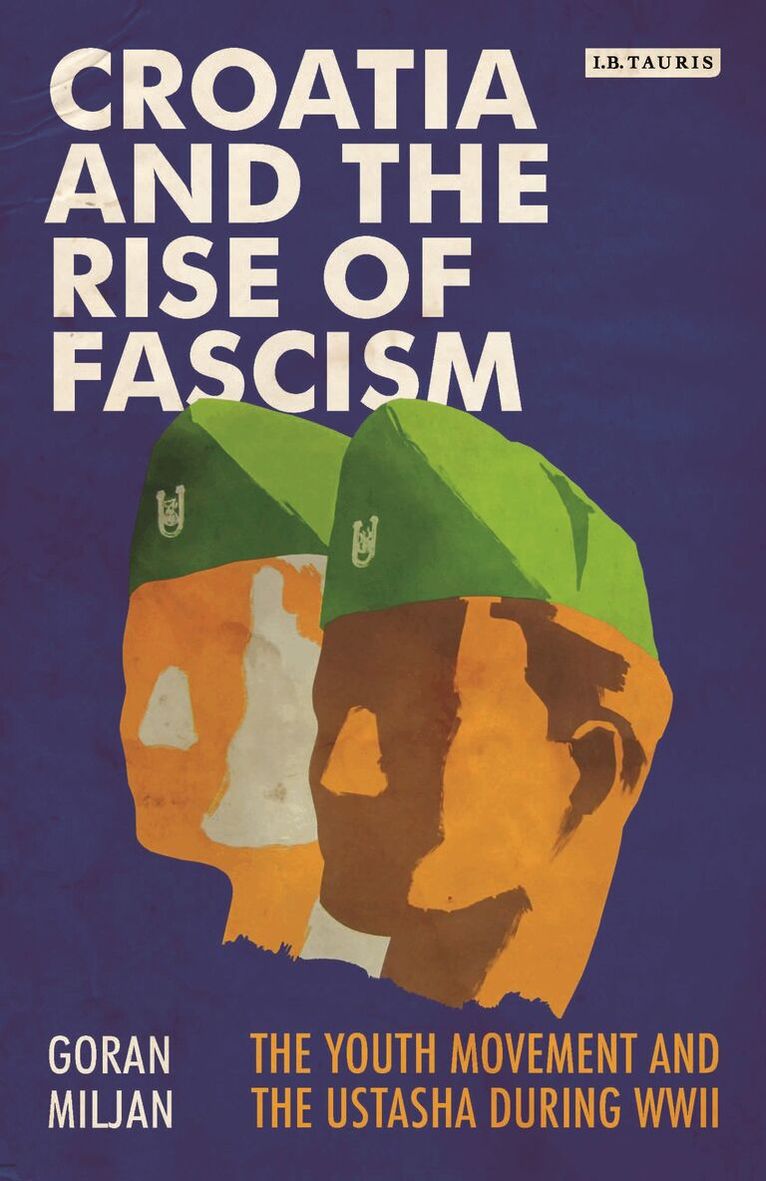
Croatia and the Rise of Fascism
The Youth Movement and the Ustasha During WWII
Av Goran Miljan
Inbunden, 2018
1389 kr
Lägg i varukorg
During World War II, Croatia became a fascist state under the control of the Ustasha Movement - allied with Nazi Germany and Fascist Italy. Here, Goran Miljan examines and analyzes for the first time the ideology, practices, and international connections of the Ustasha Youth organization. The …
Croatia and the Rise of Fascism
The Youth Movement and the Ustasha During WWII
Av Goran Miljan
E-bok, 2018
550 kr
Lägg i varukorg
During World War II, Croatia became a fascist state under the control of the Ustasha Movement - allied with Nazi Germany and Fascist Italy. Here, Goran Miljan examines and analyzes for the first time the ideology, practices, and international connections of the Ustasha Youth organization. The …
Croatia and the Rise of Fascism
The Youth Movement and the Ustasha During WWII
Av Goran Miljan
E-bok, 2018
562 kr
Lägg i varukorg
During World War II, Croatia became a fascist state under the control of the Ustasha Movement - allied with Nazi Germany and Fascist Italy. Here, Goran Miljan examines and analyzes for the first time the ideology, practices, and international connections of the Ustasha Youth organization. The …