Grace Yukich - Böcker
Visar alla böcker från författaren Grace Yukich. Handla med fri frakt och snabb leverans.
4 produkter
4 produkter
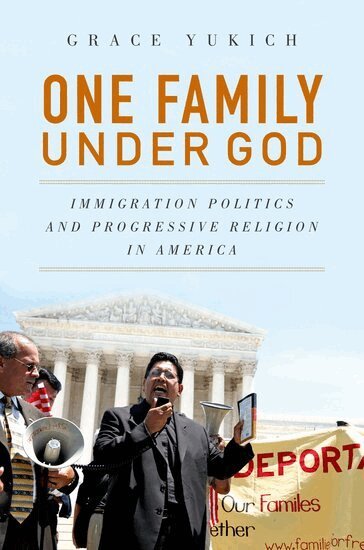
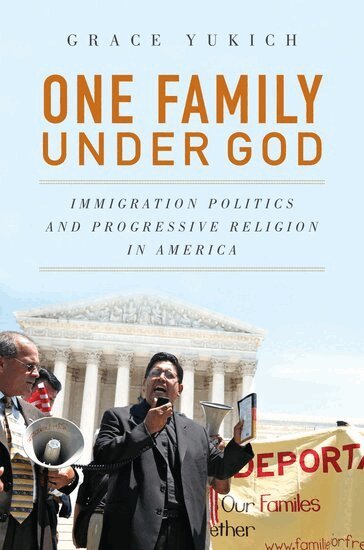
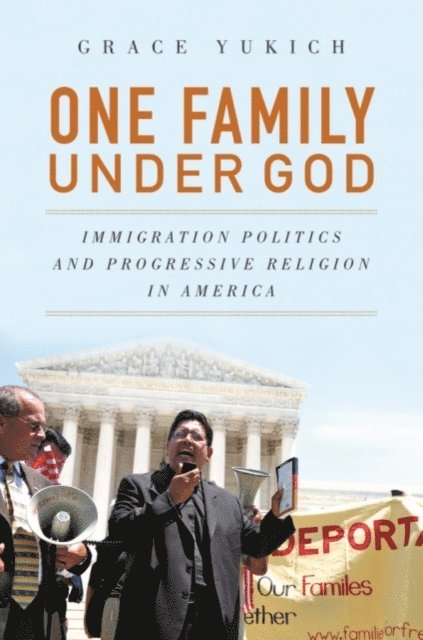
One Family Under God
Immigration Politics and Progressive Religion in America
Inbunden, Engelska, 2013
1 932 kr
Skickas inom 5-8 vardagar
Behind the walls of a church, Liliana and her baby eat, sleep, and wait. Outside, protestors shout ''Go back to Mexico!'' and ''Tax this political church!'' They demand that the U.S. government deport Liliana, which would separate her from her husband and children. Is Liliana a criminal or a hero? And why does the church protect her? Grace Yukich draws on extensive field observation and interviews to reveal how immigration is changing religious activism in the U.S. In the face of nationwide immigration raids and public hostility toward ''illegal'' immigration, the New Sanctuary Movement emerged in 2007 as a religious force seeking to humanize the image of undocumented immigrants like Liliana. Building coalitions between religious and ethnic groups that had rarely worked together in the past, activists revived and adapted ''sanctuary,'' the tradition of providing shelter for fugitives in houses of worship. Through sanctuary, they called on Americans to support legislation that would keep immigrant families together. But they sought more than political change: they also pursued religious transformation, challenging the religious nationalism in America's faith communities by portraying undocumented immigrants as fellow children of God. Yukich shows progressive religious activists struggling with the competing goals of newly diverse coalitions, fighting to expand the meaning of ''family values'' in a globalizing nation. Through these struggles, the activists both challenged the public dominance of the religious right and created conflicts that could doom their chances of impacting immigration reform.
379 kr
Skickas inom 5-8 vardagar
Behind the walls of a church, Liliana and her baby eat, sleep, and wait. Outside, protestors shout ''Go back to Mexico!'' and ''Tax this political church!'' They demand that the U.S. government deport Liliana, which would separate her from her husband and children. Is Liliana a criminal or a hero? And why does the church protect her? Grace Yukich draws on extensive field observation and interviews to reveal how immigration is changing religious activism in the U.S. In the face of nationwide immigration raids and public hostility toward ''illegal'' immigration, the New Sanctuary Movement emerged in 2007 as a religious force seeking to humanize the image of undocumented immigrants like Liliana. Building coalitions between religious and ethnic groups that had rarely worked together in the past, activists revived and adapted ''sanctuary,'' the tradition of providing shelter for fugitives in houses of worship. Through sanctuary, they called on Americans to support legislation that would keep immigrant families together. But they sought more than political change: they also pursued religious transformation, challenging the religious nationalism in America's faith communities by portraying undocumented immigrants as fellow children of God. Yukich shows progressive religious activists struggling with the competing goals of newly diverse coalitions, fighting to expand the meaning of ''family values'' in a globalizing nation. Through these struggles, the activists both challenged the public dominance of the religious right and created conflicts that could doom their chances of impacting immigration reform.
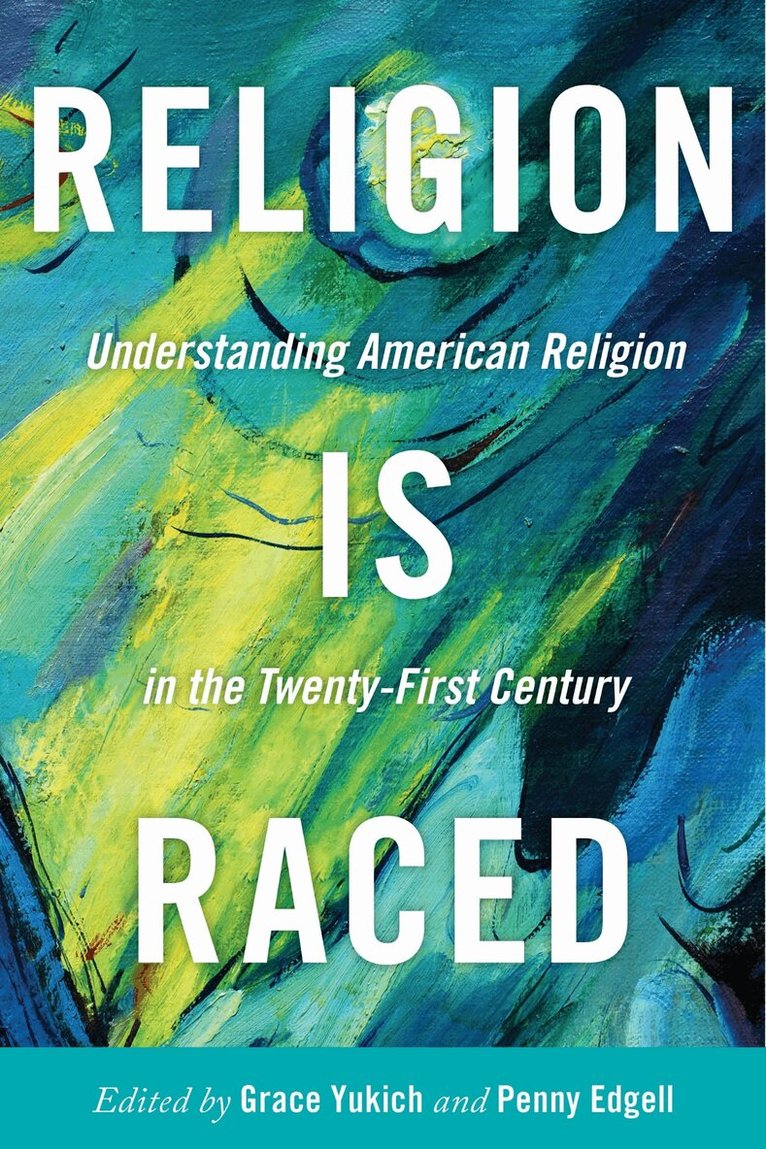
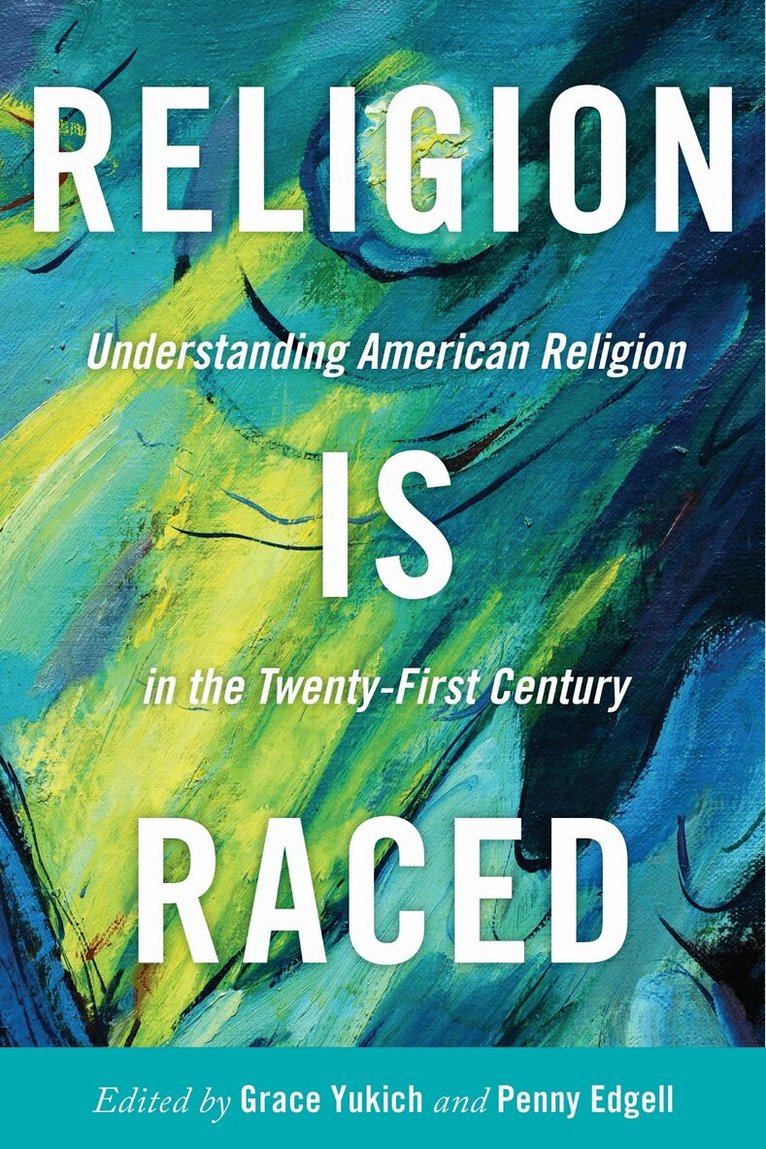
Religion Is Raced
Understanding American Religion in the Twenty-First Century
Inbunden, Engelska, 2020
1 066 kr
Skickas inom 10-15 vardagar
Demonstrates how race and power help to explain American religion in the twenty-first centuryWhen White people of faith act in a particular way, their motivations are almost always attributed to their religious orientation. Yet when religious people of color act in a particular way, their motivations are usually attributed to their racial positioning. Religion Is Raced makes the case that religion in America has generally been understood in ways that center White Christian experiences of religion, and argues that all religion must be acknowledged as a raced phenomenon. When we overlook the role race plays in religious belief and action, and how religion in turn spurs public and political action, we lose sight of a key way in which race influences religiously-based claims-making in the public sphere.With contributions exploring a variety of religious traditions, from Buddhism and Islam to Judaism and Protestantism, as well as pieces on atheists and humanists, Religion Is Raced brings discussions about the racialized nature of religion from the margins of scholarly and religious debate to the center. The volume offers a new model for thinking about religion that emphasizes how racial dynamics interact with religious identity, and how we can in turn better understand the roles religion—and Whiteness—play in politics and public life, especially in the United States. It includes clear recommendations for researchers, including pollsters, on how to better recognize moving forward that religion is a raced phenomenon.With contributions by Joseph O. Baker, Kelsy Burke, James Clark Davidson, Janine Giordano Drake, Ashley Garner, Edward Orozco Flores, Sikivu Hutchinson, Sarah Imhoff, Russell Jeung, John Jimenez, Jaime Kucinskas, Eric Mar, Gerardo Martí, Omar M. McRoberts, Besheer Mohamed, Dawne Moon, Jerry Z. Park, Z. Fareen Parvez, Theresa W. Tobin, and Rhys H. Williams.
403 kr
Skickas inom 7-10 vardagar
Demonstrates how race and power help to explain American religion in the twenty-first centuryWhen White people of faith act in a particular way, their motivations are almost always attributed to their religious orientation. Yet when religious people of color act in a particular way, their motivations are usually attributed to their racial positioning. Religion Is Raced makes the case that religion in America has generally been understood in ways that center White Christian experiences of religion, and argues that all religion must be acknowledged as a raced phenomenon. When we overlook the role race plays in religious belief and action, and how religion in turn spurs public and political action, we lose sight of a key way in which race influences religiously-based claims-making in the public sphere.With contributions exploring a variety of religious traditions, from Buddhism and Islam to Judaism and Protestantism, as well as pieces on atheists and humanists, Religion Is Raced brings discussions about the racialized nature of religion from the margins of scholarly and religious debate to the center. The volume offers a new model for thinking about religion that emphasizes how racial dynamics interact with religious identity, and how we can in turn better understand the roles religion—and Whiteness—play in politics and public life, especially in the United States. It includes clear recommendations for researchers, including pollsters, on how to better recognize moving forward that religion is a raced phenomenon.With contributions by Joseph O. Baker, Kelsy Burke, James Clark Davidson, Janine Giordano Drake, Ashley Garner, Edward Orozco Flores, Sikivu Hutchinson, Sarah Imhoff, Russell Jeung, John Jimenez, Jaime Kucinskas, Eric Mar, Gerardo Martí, Omar M. McRoberts, Besheer Mohamed, Dawne Moon, Jerry Z. Park, Z. Fareen Parvez, Theresa W. Tobin, and Rhys H. Williams.