Graham Shipley – författare
Visar alla böcker från författaren Graham Shipley. Handla med fri frakt och snabb leverans.
23 produkter
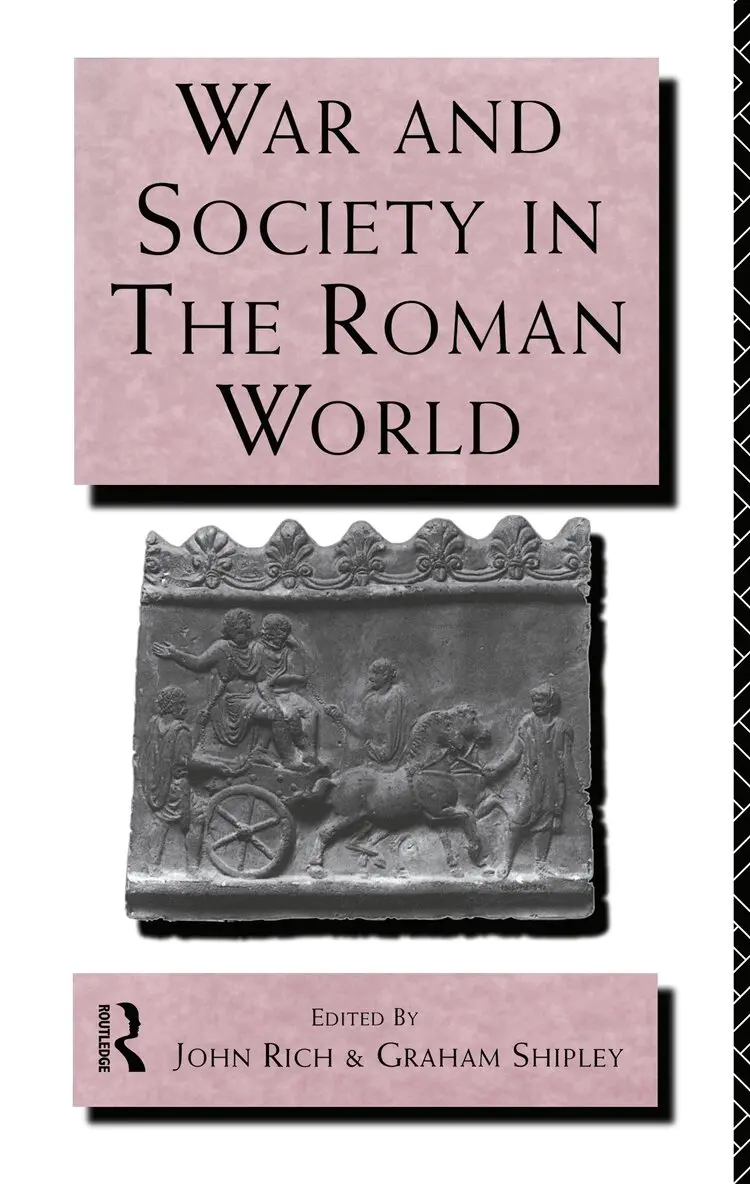
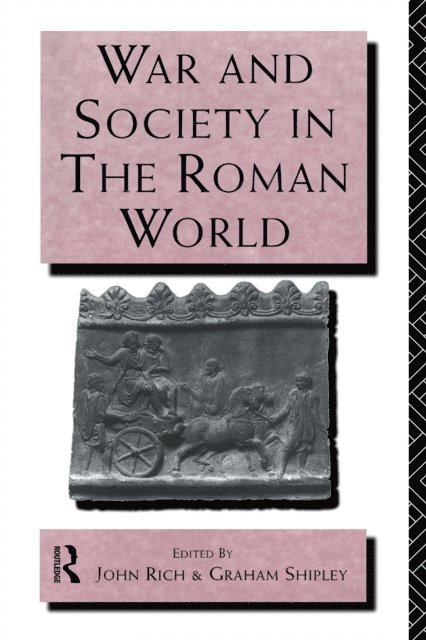
War and Society in the Roman World
Häftad, 1995
924 kr
Lägg i varukorg
This volume focuses on the changing relationship between warfare and the Roman citizenry; from the Republic, when war was at the heart of Roman life, through to the Principate, when it was confined to professional soldiers, and to the Late Empire and the Roman army's eventual failure.
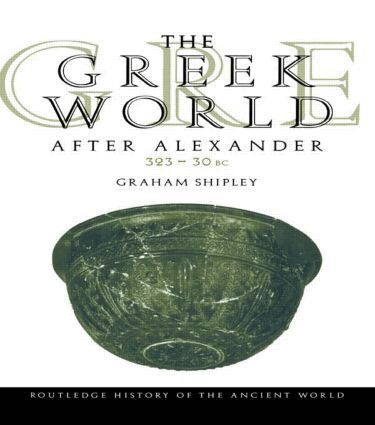
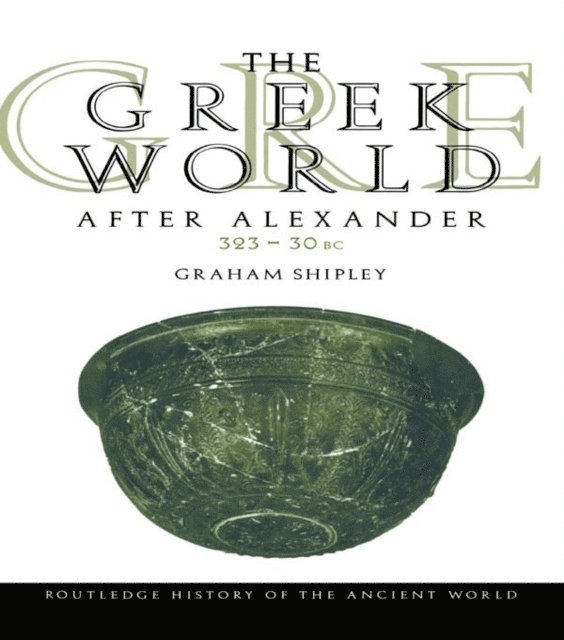
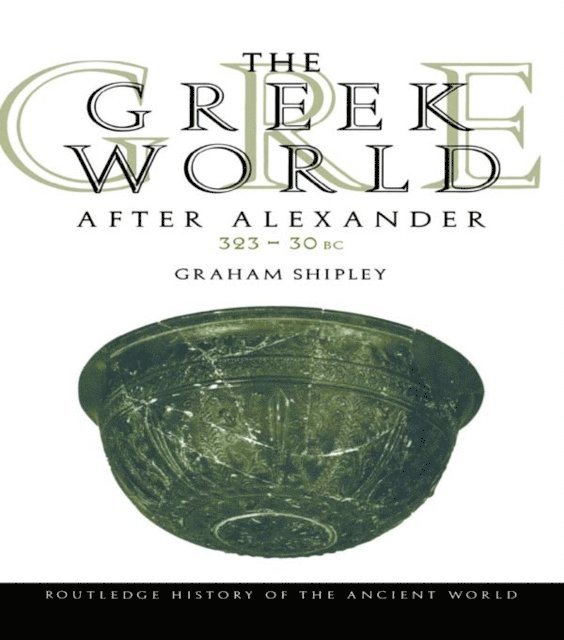
Greek World After Alexander 323-30 BC
Häftad, 1999
844 kr
Lägg i varukorg
The Greek World After Alexander 323–30 BC examines social changes in the old and new cities of the Greek world and in the new post-Alexandrian kingdoms. An appraisal of the momentous military and political changes after the era of Alexander, this book considers developments in literature, religion, …
Human Landscapes in Classical Antiquity
Environment and Culture
Av John Salmon, Graham Shipley
Inbunden, 1996
2586 kr
Lägg i varukorg
Human Landscapes in Classical Antiquity shows how today's environmental and ecological concerns can help illuminate our study of the ancient world. The contributors consider how the Greeks and Romans perceived their natural world, and how their perceptions affected society. The effects of human …
A History of Samos, 800-188 BC
Inbunden, 1987
3948 kr
Lägg i varukorg
In the time of Herodotus and Thucydides, the island city of Samos was a leading Greek community, and under the later Hellenistic kingdoms its reputation remained high. Despite its importance, however, this is the first comprehensive study since sustained archaeological investigation began in the …
Greek World After Alexander 323-30 BC
Inbunden, 1999
2632 kr
Lägg i varukorg
The Greek World After Alexander 323–30 BC examines social changes in the old and new cities of the Greek world and in the new post-Alexandrian kingdoms. An appraisal of the momentous military and political changes after the era of Alexander, this book considers developments in literature, religion, …
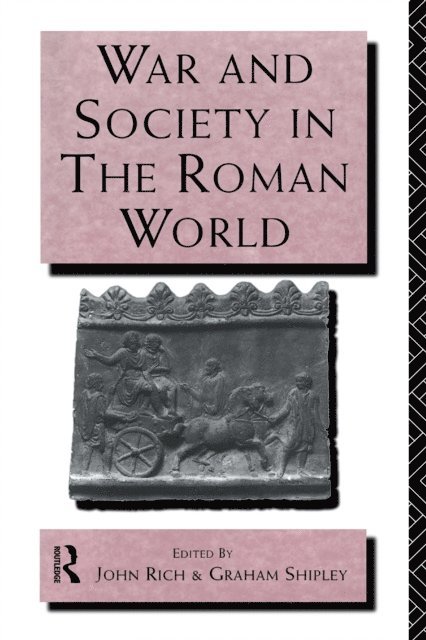
War and Society in the Roman World
Inbunden, 1993
2197 kr
Lägg i varukorg
This volume focuses on the changing relationship between warfare and the Roman citizen body, from the Republic, when war was at the heart of Roman life, through to the Principate, when it was confined to professional soldiers and expansion largely ceased, and finally on to the Late Empire and the …
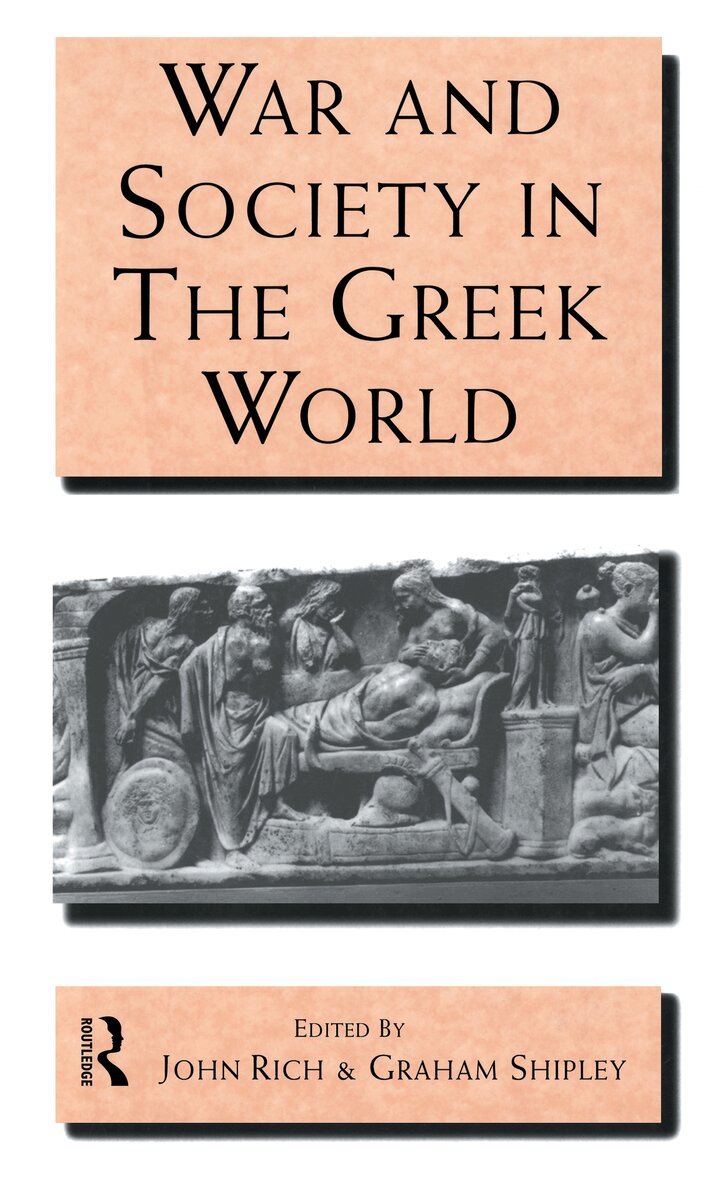
War and Society in the Greek World
Häftad, 1995
667 kr
Lägg i varukorg
The role of warfare is central to our understanding of the ancient Greek world. In this book and the companion work, War and Society in the Roman World, the wider social context of war is explored. This volume examines its impact on Greek society from Homeric times to the age of Alexander and his …
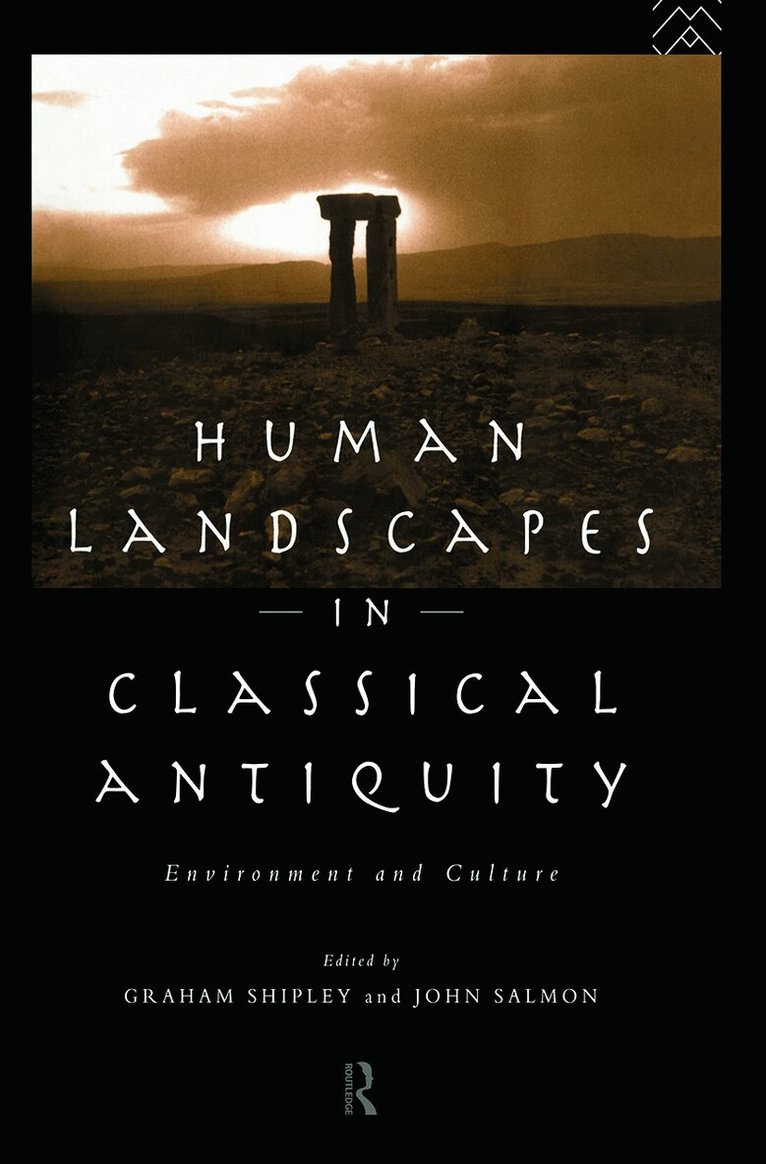
Human Landscapes in Classical Antiquity
Environment and Culture
Av John Salmon, Graham Shipley
Häftad, 2011
772 kr
Lägg i varukorg
Human Landscapes in Classical Antiquity shows how today's environmental and ecological concerns can help illuminate our study of the ancient world. The contributors consider how the Greeks and Romans perceived their natural world, and how their perceptions affected society. The effects of human …
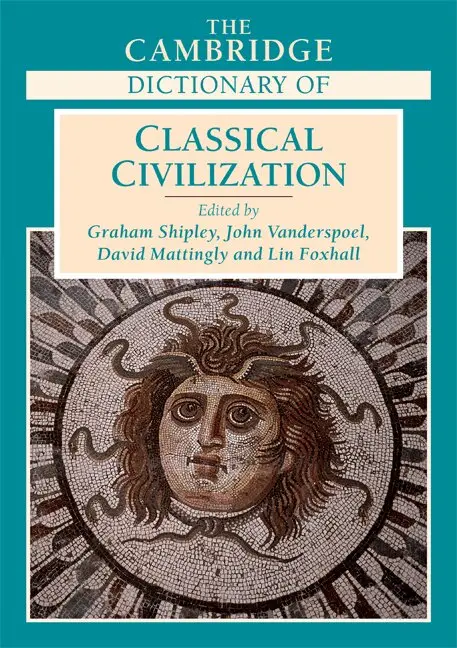
The Cambridge Dictionary of Classical Civilization
Av Graham Shipley, John Vanderspoel m. fl.
Häftad, 2008
1056 kr
Lägg i varukorg
The Cambridge Guide to Classical Civilization provides an authoritative survey of the classical world, combining the traditional strengths of classical subjects with new approaches examining the social and cultural features of the ancient Greek and Roman world. Ranging in time from post-Bronze Age …
War and Society in the Greek World
Av Graham Shipley, Dr John Rich
E-bok, 2020
857 kr
Lägg i varukorg
The role of warfare is central to our understanding of the ancient Greek world. In this book and the companion work, War and Society in the Roman World , the wider social context of war is explored. This volume examines its impact on Greek society from Homeric times to the age of Alexander and his …
War and Society in the Roman World
Av Graham Shipley, John Rich m. fl.
E-bok, 2020
1099 kr
Lägg i varukorg
This volume focuses on the changing relationship between warfare and the Roman citizenry; from the Republic, when war was at the heart of Roman life, through to the Principate, when it was confined to professional soldiers, and to the Late Empire and the Roman army''s eventual failure.
War and Society in the Greek World
Av Graham Shipley, Dr John Rich
E-bok, 2020
876 kr
Lägg i varukorg
The role of warfare is central to our understanding of the ancient Greek world. In this book and the companion work, War and Society in the Roman World , the wider social context of war is explored. This volume examines its impact on Greek society from Homeric times to the age of Alexander and his …
War and Society in the Roman World
Av Graham Shipley, John Rich m. fl.
E-bok, 2020
1088 kr
Lägg i varukorg
This volume focuses on the changing relationship between warfare and the Roman citizenry; from the Republic, when war was at the heart of Roman life, through to the Principate, when it was confined to professional soldiers, and to the Late Empire and the Roman army''s eventual failure.
Greek World After Alexander 323-30 BC
E-bok, 2014
892 kr
Lägg i varukorg
The Greek World After Alexander 323–30 BC examines social changes in the old and new cities of the Greek world and in the new post-Alexandrian kingdoms. An appraisal of the momentous military and political changes after the era of Alexander, this book considers developments in literature, …
Greek World After Alexander 323-30 BC
E-bok, 2014
892 kr
Lägg i varukorg
The Greek World After Alexander 323–30 BC examines social changes in the old and new cities of the Greek world and in the new post-Alexandrian kingdoms. An appraisal of the momentous military and political changes after the era of Alexander, this book considers developments in literature, …
Human Landscapes in Classical Antiquity
Environment and Culture
Av Graham Shipley, John Salmon
E-bok, 2013
890 kr
Lägg i varukorg
Human Landscapes in Classical Antiquity shows how today''s environmental and ecological concerns can help illuminate our study of the ancient world. The contributors consider how the Greeks and Romans perceived their natural world, and how their perceptions affected society. The effects of human …
Human Landscapes in Classical Antiquity
Environment and Culture
Av Graham Shipley, John Salmon
E-bok, 2013
910 kr
Lägg i varukorg
Human Landscapes in Classical Antiquity shows how today''s environmental and ecological concerns can help illuminate our study of the ancient world. The contributors consider how the Greeks and Romans perceived their natural world, and how their perceptions affected society. The effects of human …
War and Society in the Roman World
Av Graham Shipley, John Rich m. fl.
E-bok, 2002
856 kr
Lägg i varukorg
This volume focuses on the changing relationship between warfare and the Roman citizen body, from the Republic, when war was at the heart of Roman life, through to the Principate, when it was confined to professional soldiers and expansion largely ceased, and finally on to the Late Empire and the …
War and Society in the Roman World
Av Graham Shipley, John Rich m. fl.
E-bok, 2002
856 kr
Lägg i varukorg
This volume focuses on the changing relationship between warfare and the Roman citizen body, from the Republic, when war was at the heart of Roman life, through to the Principate, when it was confined to professional soldiers and expansion largely ceased, and finally on to the Late Empire and the …
War and Society in the Greek World
Inbunden, 2015
2586 kr
Lägg i varukorg
The role of warfare is central to our understanding of the ancient Greek world. In this book and the companion work, War and Society in the Roman World, the wider social context of war is explored. This volume examines its impact on Greek society from Homeric times to the age of Alexander and his …
War and Society in the Roman World
Inbunden, 2016
2586 kr
Lägg i varukorg
This volume focuses on the changing relationship between warfare and the Roman citizenry; from the Republic, when war was at the heart of Roman life, through to the Principate, when it was confined to professional soldiers, and to the Late Empire and the Roman army's eventual failure.
Pseudo-Skylax's Periplous
The Circumnavigation of the Inhabited World: Text, Translation and Commentary
Inbunden, 2019
3037 kr
Lägg i varukorg
The text of the Periplous or 'circumnavigation' that survives under the name of Skylax of Karyanda is in fact by an unknown author of the 4th century BC. It describes the coasts of the Mediterranean and Black Sea, naming hundreds of towns with geographical features such as rivers, harbours and …
Pseudo-Skylax's Periplous
The Circumnavigation of the Inhabited World: Text, Translation and Commentary
Häftad, 2019
673 kr
Lägg i varukorg
The text of the Periplous or 'circumnavigation' that survives under the name of Skylax of Karyanda is in fact by an unknown author of the 4th century BC. It describes the coasts of the Mediterranean and Black Sea, naming hundreds of towns with geographical features such as rivers, harbours and …