Graham Virgo - Böcker
Visar alla böcker från författaren Graham Virgo. Handla med fri frakt och snabb leverans.
9 produkter
9 produkter
620 kr
Skickas inom 5-8 vardagar
The Principles of Equity & Trusts offers a refreshing, student-focused approach to a dynamic area of law. In the fifth edition of his best-selling textbook, Professor Graham Virgo brings his expertise as a teacher to deliver an engaging, contextual account of the essential principles of trusts and their equitable remedies.Virgo states the law in plain terms before building on an area of debate and encouraging students to fully engage with the inherent issues within the subject. Concise and authoritative analysis enables students to grasp the principles of trusts, develop the confidence to engage fully with the subject area, and excel in their studies.Virgo approaches the topics with unparalleled clarity and provides the academic rigour for which this text has come to be relied upon. Combining expert knowledge and comprehensive coverage, this is the ideal companion to a course in trusts.Digital formats and resourcesThe fifth edition is available for students and institutions to purchase in a variety of formats, and is supported by online resources. · The e-book offers a mobile experience and convenient access along with self-assessment activities, multi-media content including author videos, web links to key cases, functionality tools, navigation features and links that offer extra learning support: http://www.oxfordtextbooks.co.uk/ebooks· The online resources includes self-test and scenario questions with feedback, videos from the author, and web links to key cases
920 kr
Skickas inom 7-10 vardagar
The third edition of The Principles of the Law of Restitution brings this widely cited and influential volume fully up to date. It has been substantially rewritten to reflect the significant changes in the law of restitution and the expansion in the theoretical and critical commentary on the subject. Following important decisions of the Supreme Court and other courts, large-scale changes have been made to the chapters on enrichment, at the expense of the claimant, mistake, claims against public authorities, and change of position. Additionally, this edition contains a new chapter on the operation of juridical bars on restitutionary claims. References to developments in other jurisdictions have been expanded for this edition, reflecting the significance of these changes and how they assist in the interpretation of English law and provide a basis for criticising that law. Further, in the light of leading cases and the contributions of restitutionary scholars around the world, the author's views on specific controversial debates about the ambit, function, and interpretation of the subject have changed, sometimes radically. One significant aspect of the book remains unchanged: the book continues to focus on the identification and analysis of the principles which underpin the law of restitution as a whole, but with reference to its three distinct parts: unjust enrichment, restitution for wrongs, and the vindication of property rights. This approach provides the reader with a peerless guide to the law of restitution.
2 002 kr
Skickas inom 5-8 vardagar
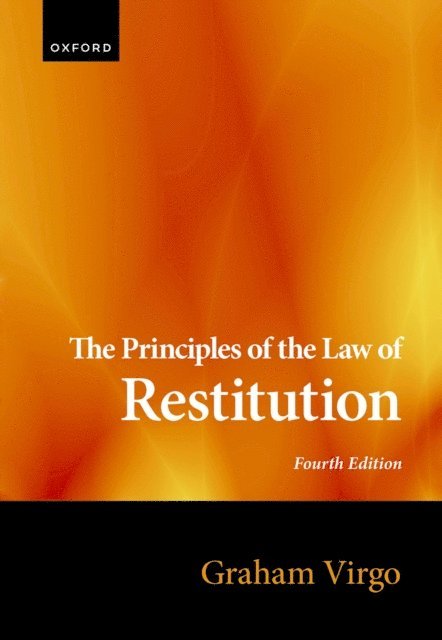
The fourth edition of The Principles of the Law of Restitution brings this widely cited and influential volume fully up to date. Substantially rewritten to reflect significant changes in the law of restitution and the expansion in the theoretical and critical commentary on the subject, this book is grounded in its clarity of exposition and analysis.The new edition significantly expands existing chapters on the treatment of the history of unjust enrichment, enrichment, the treatment of legally effective bases for receipt, and compulsion. It further expands existing parts on restitution for wrongs and proprietary restitutionary claims as well as offering completely new chapters dealing with 'at the claimant's expense', 'absence of intent', and the defence of illegality. Focusing primarily on English law, the volume also engages with the law in other common law jurisdictions, notably Australia, Canada, New Zealand, and Singapore. It provides a clear exposition of complex areas of law as well as critical analysis of that law.Timely and comprehensive, this book provides readers with a crucial guide to the law of restitution and will continue to be invaluable to student, academics, and practitioners alike.
668 kr
Skickas inom 5-8 vardagar
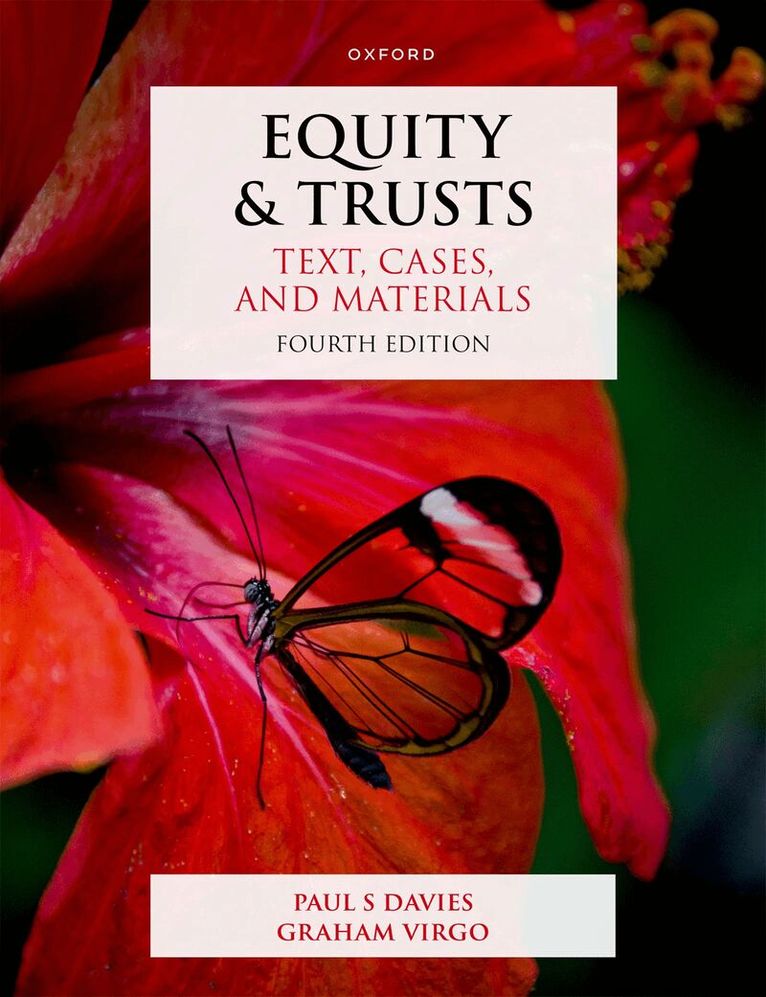
The most engaging and student-focused text, cases, and materials on equity, providing an authoritative account in a single volume.Paul Davies and Graham Virgo provide a comprehensive guide to trusts and equity in a single volume. Drawing on a judiciously balanced selection of case extracts, journal articles, and academic writing, Davies and Virgo present their authoritative commentary on the law with clarity and rigour.Key features:- An expertly selected range of legal extracts is complemented by unparalleled author commentary, providing clear explanation and analysis of the legal principles behind key decisions in a single volume- Further reading and extensive footnotes encourage students to think critically around the subject and develop relevant research skills- 'Central Issues' listed at the start of chapters outline the key topics covered and help students build a conceptual understanding of the subject- Scenario-based questions posed at the end of chapters frame the law in its practical context while giving students an opportunity to assess their own level of understandingNew to this edition:Fully updated to incorporate developments in the law and recent case law including Guest v Guest [2022] (proprietary estoppel), Byers v Saudi National Bank [2023] (knowing receipt), Butler-Sloss v Charity Commission for England and Wales [2022] (ethical investment), Group Seven Ltd. v Notable Services LLP [2019] (dishonest assistance), Grand View Private Trust Co Ltd. v Wen-Young Wong [2022] (improper purpose), Attorney General v Zedra Fidcuiary Services (UK) Ltd. [2023] (cy-près), Prickly Bay Waterside Ltd. v British American Insurance Co Ltd. (Quistclose trust), Children's Investment Fund Foundation (UK) v Attorney General [2020] (charities and fiduciaries); Frenkel v LA Micro Group (UK) Ltd. [2024] (formalities and vendor purchaser constructive trust), Hudson v Hathway [2023] (common intention constructive trust).Digital formats and resources:The 4th edition is available for students and institutions to purchase in a variety of formats: the e-book and Law Trove offer a mobile experience and convenient access.For more information about e-books, please visit www.oxfordtextbooks.co.uk/ebooks
584 kr
Kommande
The sixth edition of 'The Principles of Equity & Trusts' offers a distinctive, contextual, and critically engaged treatment of Equity and trusts, combining clear statements of doctrine with insightful commentary that places leading decisions within their broader legal and practical settings, across coverage that ranges from Equity’s history and contemporary commercial relevance through express, purpose, resulting, and constructive trusts, informal property arrangements, beneficiaries’ rights, trustees’ powers and duties, trust variation, and remedies for breach of trust and fiduciary duty. In light of significant recent appellate developments, the new edition is substantially rewritten: the analysis of Equity’s core attributes now explores more fully how Equity modifies the Common Law, how discretion operates, and how unconscionability functions; the trust discussion adds a new section on Abuse of the Trust; key chapters update formality requirements for trusts of land and the disposition of equitable interests; fiduciary duties and liability are extensively reworked; and the treatment of personal remedies and third-party liability is rewritten, including renewed attention to knowing receipt, alongside the integration of new authorities such as Byers v Saudi National Bank, D’Aloia v Persons Unknown, and the Property (Digital Assets etc.) Act 2025.
1 945 kr
Skickas inom 7-10 vardagar
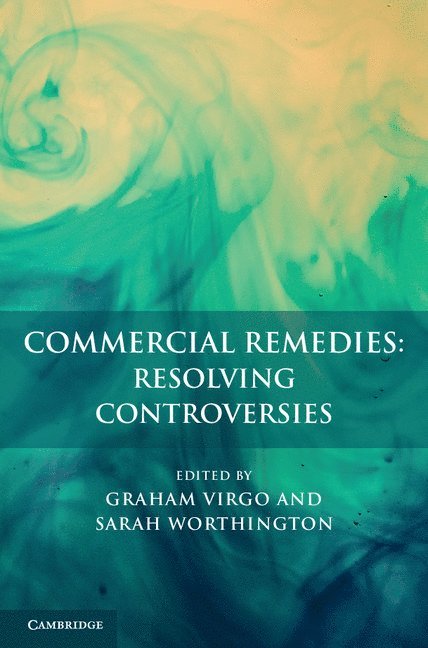
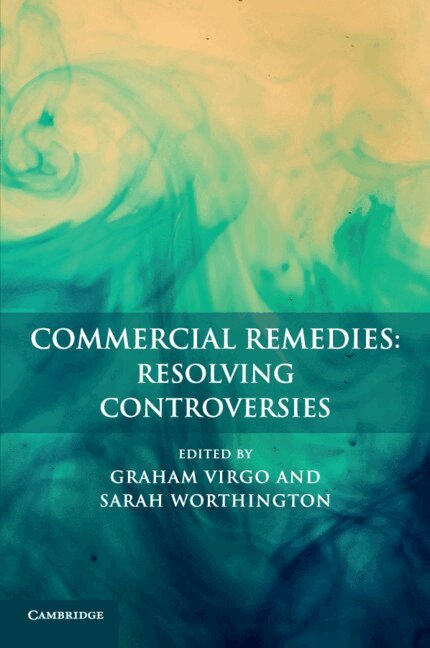
The law of commercial remedies raises a number of important doctrinal, theoretical and practical controversies which deserve sustained and rigorous examination. This volume explores such controversies and suggests solutions, which is essential to ensure that the law is defensible, clear and just. With contributions from twenty-three leading academic and practitioner experts, this book addresses significant issues in the law which, taken together, range across the entire remedial jurisdiction as it applies to commercial disputes. The book primarily focuses on the resolution of controversies in the English law of commercial remedies, but recent developments elsewhere are also considered, especially in other common law jurisdictions. The result provides remarkably comprehensive coverage of the field which will be of relevance to academics, students, judges and practitioners.
481 kr
Skickas inom 7-10 vardagar
The law of commercial remedies raises a number of important doctrinal, theoretical and practical controversies which deserve sustained and rigorous examination. This volume explores such controversies and suggests solutions, which is essential to ensure that the law is defensible, clear and just. With contributions from twenty-three leading academic and practitioner experts, this book addresses significant issues in the law which, taken together, range across the entire remedial jurisdiction as it applies to commercial disputes. The book primarily focuses on the resolution of controversies in the English law of commercial remedies, but recent developments elsewhere are also considered, especially in other common law jurisdictions. The result provides remarkably comprehensive coverage of the field which will be of relevance to academics, students, judges and practitioners.
1 567 kr
Skickas inom 10-15 vardagar
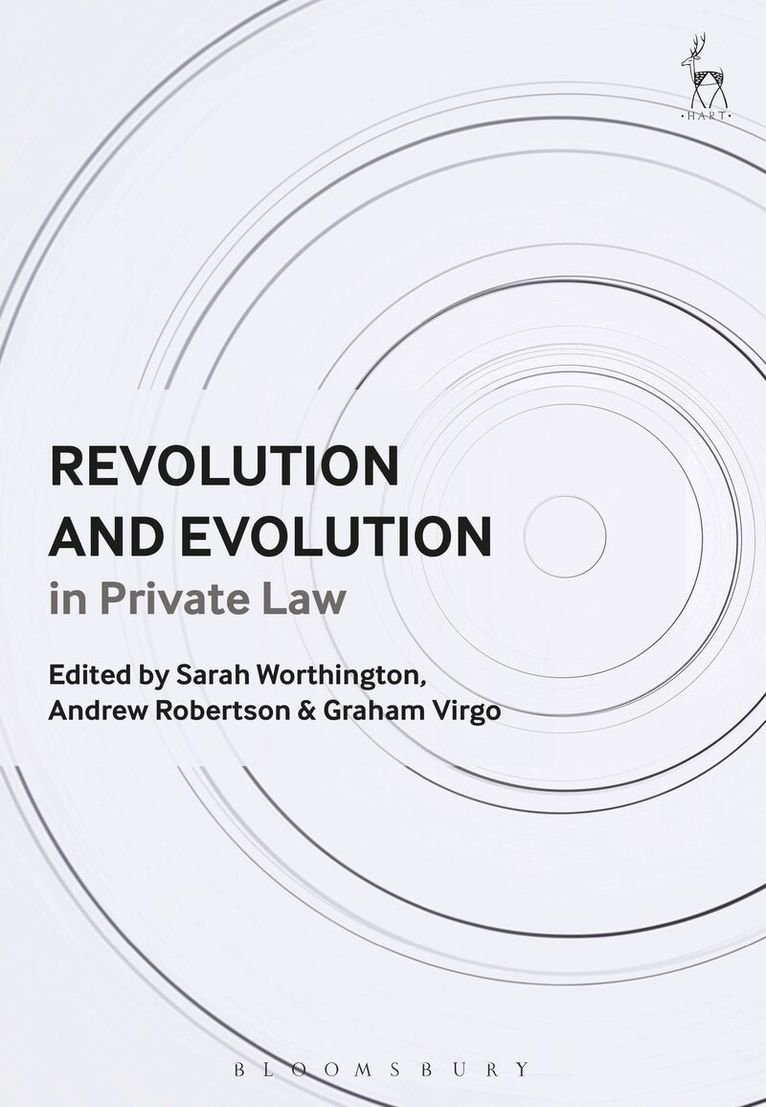
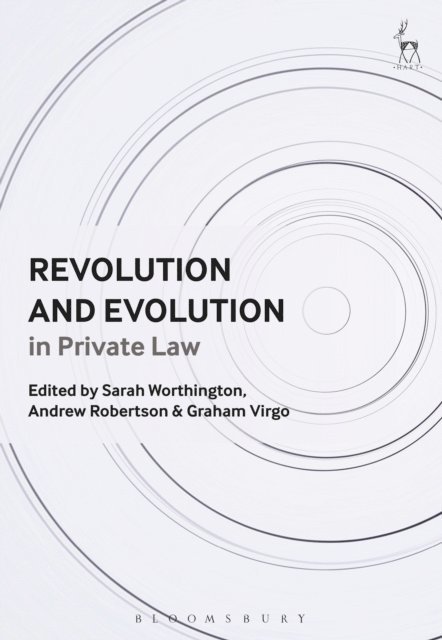
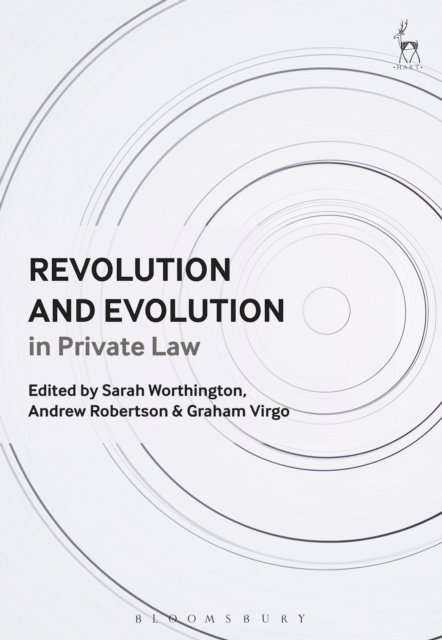
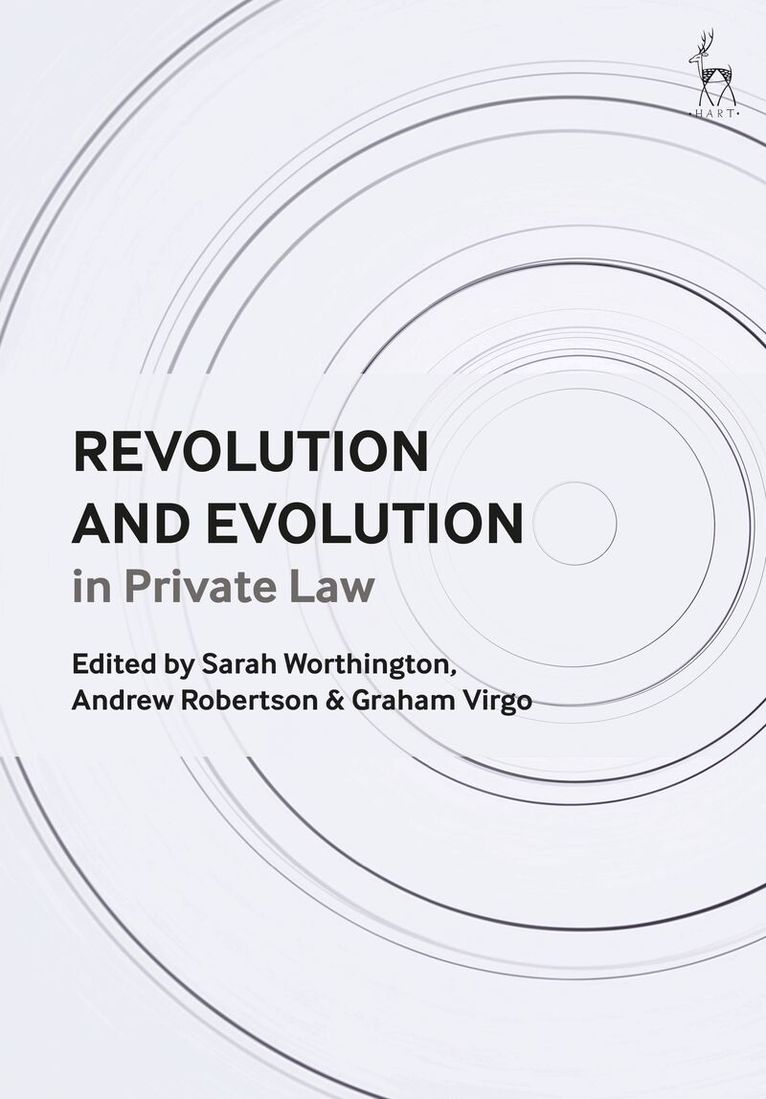
The development of private law across the common law world is typically portrayed as a series of incremental steps, each one delivered as a result of judges dealing with marginally different factual circumstances presented to them for determination. This is said to be the common law method. According to this process, change might be assumed to be gradual, almost imperceptible. If this were true, however, then even Darwinian-style evolution – which is subject to major change-inducing pressures, such as the death of the dinosaurs – would seem unlikely in the law, and radical and revolutionary paradigms shifts perhaps impossible. And yet the history of the common law is to the contrary. The legal landscape is littered with quite remarkable revolutionary and evolutionary changes in the shape of the common law.The essays in this volume explore some of the highlights in this fascinating revolutionary and evolutionary development of private law. The contributors expose the nature of the changes undergone and their significance for the future direction of travel. They identify the circumstances and the contexts which might have provided an impetus for these significant changes.The essays range across all areas of private law, including contract, tort, unjust enrichment and property. No area has been immune from development. That fact itself is unsurprising, but an extended examination of the particular circumstances and contexts which delivered some of private law’s most important developments has its own special significance for what it might indicate about the shape, and the shaping, of private law regimes in the future.
621 kr
Skickas inom 10-15 vardagar
The development of private law across the common law world is typically portrayed as a series of incremental steps, each one delivered as a result of judges dealing with marginally different factual circumstances presented to them for determination. This is said to be the common law method. According to this process, change might be assumed to be gradual, almost imperceptible. If this were true, however, then even Darwinian-style evolution – which is subject to major change-inducing pressures, such as the death of the dinosaurs – would seem unlikely in the law, and radical and revolutionary paradigms shifts perhaps impossible. And yet the history of the common law is to the contrary. The legal landscape is littered with quite remarkable revolutionary and evolutionary changes in the shape of the common law.The essays in this volume explore some of the highlights in this fascinating revolutionary and evolutionary development of private law. The contributors expose the nature of the changes undergone and their significance for the future direction of travel. They identify the circumstances and the contexts which might have provided an impetus for these significant changes.The essays range across all areas of private law, including contract, tort, unjust enrichment and property. No area has been immune from development. That fact itself is unsurprising, but an extended examination of the particular circumstances and contexts which delivered some of private law’s most important developments has its own special significance for what it might indicate about the shape, and the shaping, of private law regimes in the future.