Grant Williams – författare
2 517 kr
Skickas inom 10-15 vardagar
143 kr
Skickas inom 5-8 vardagar
1 333 kr
Skickas inom 7-10 vardagar
497 kr
Skickas inom 7-10 vardagar
1 263 kr
Skickas
378 kr
Skickas inom 7-10 vardagar
439 kr
Läs direkt efter köp
354 kr
Skickas inom 7-10 vardagar
1 232 kr
Skickas inom 7-10 vardagar
404 kr
Läs direkt efter köp
404 kr
Läs direkt efter köp
1 141 kr
Läs direkt efter köp
1 101 kr
Läs direkt efter köp
965 kr
Skickas inom 10-15 vardagar
597 kr
Läs direkt efter köp
597 kr
Läs direkt efter köp
271 kr
Skickas inom 5-8 vardagar
1 054 kr
Läs direkt efter köp
858 kr
Skickas inom 5-8 vardagar
948 kr
Läs direkt efter köp
1 907 kr
Skickas inom 10-15 vardagar
2 333 kr
Läs direkt efter köp
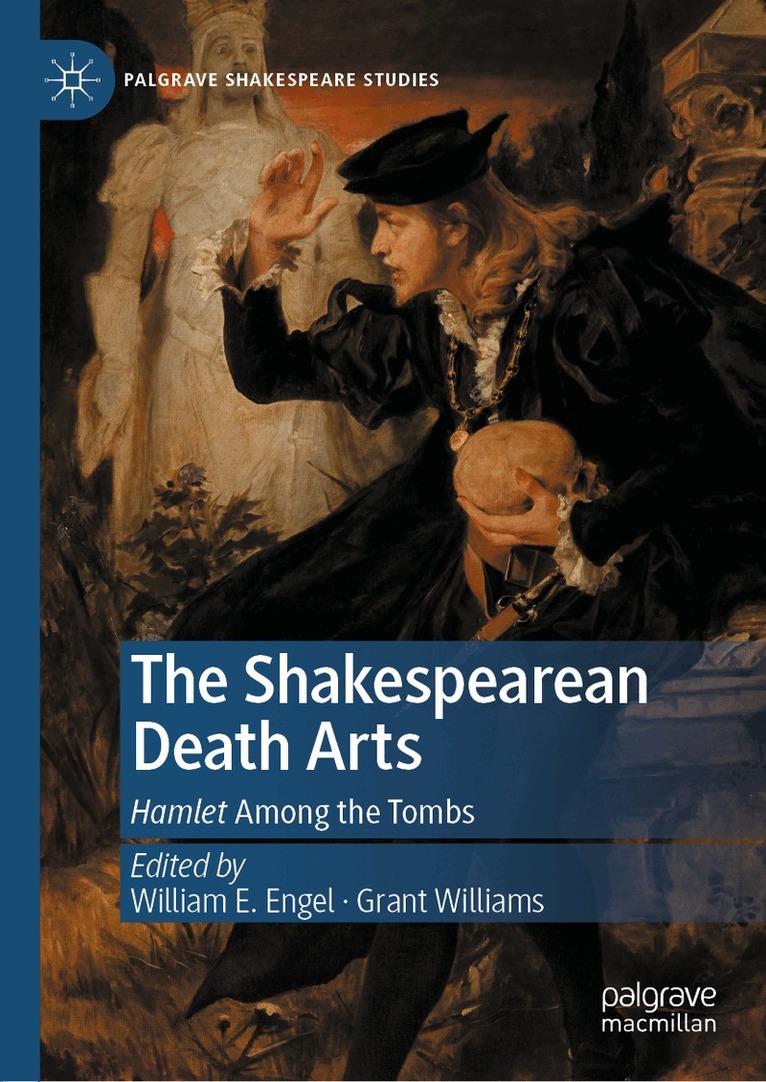
This is the first book to view Shakespeare’s plays from the prospect of the premodern death arts, not only the ars moriendi tradition but also the plurality of cultural expressions of memento mori, funeral rituals, commemorative activities, and rhetorical techniques and strategies fundamental to the performance of the work of dying, death, and the dead. The volume is divided into two sections: first, critically nuanced examinations of Shakespeare’s corpus and then, second, of Hamlet exclusively as the ultimate proving ground of the death arts in practice. This book revitalizes discussion around key and enduring themes of mortality by reframing Shakespeare’s plays within a newly conceptualized historical category that posits a cultural divide—at once epistemological and phenomenological—between premodernity and the Enlightenment.
1 907 kr
Skickas inom 10-15 vardagar
1 907 kr
Skickas inom 10-15 vardagar
2 418 kr
Läs direkt efter köp
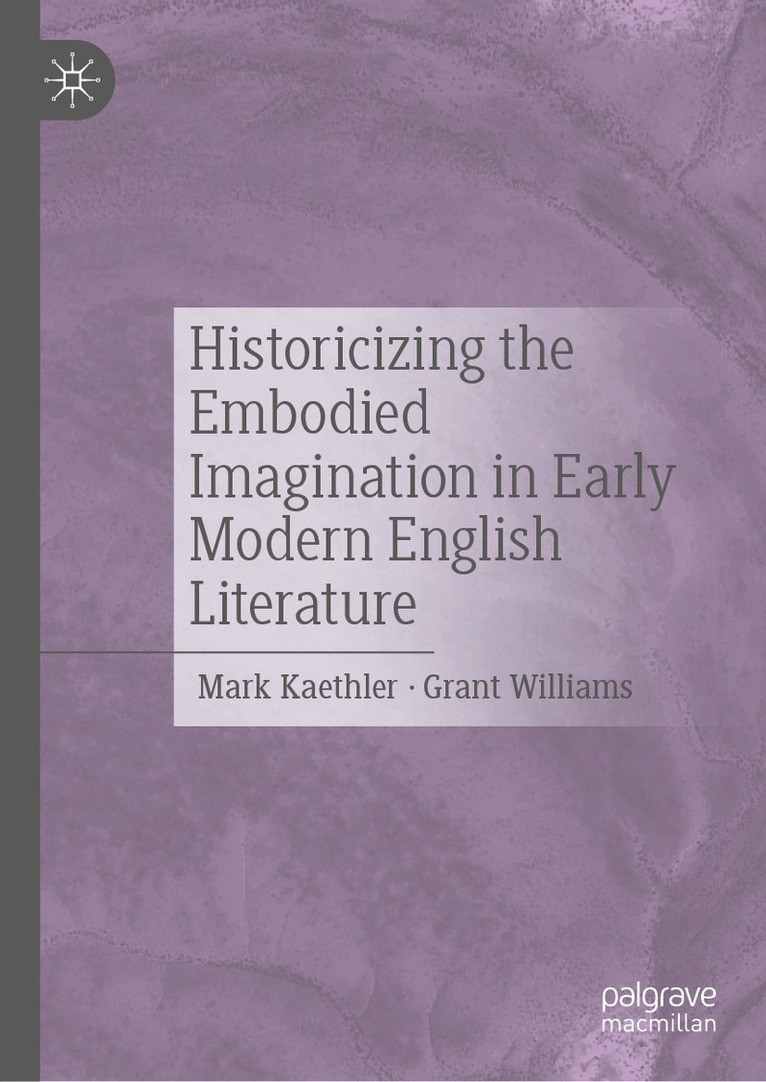
Commonly used as a rallying cry for general approaches to literary studies, the imagination has until recently been overwritten with romantic and modernist inflections that impede our understanding of literature’s intimate involvement in early modern cognition. To recover the pre-Cartesian imagination, this collection of essays takes a historicist approach by situating literary texts within the embodied and ensouled faculty system. Image-making and fantasizing were not autonomous activities but belonged to a greater cognitive ecosystem, which the volume’s four sections reflect: “The Visual Imagination,” “Sensory and Affective Imaginings,” “Artifice and the Mnemonic Imagination,” and “Higher Imaginings.” Together they accentuate the imagination’s interdependency and friction with other faculties. Ultimately, the volume’s attention to the embodied imagination gives scholars new perspectives on literary and image production in the writings of Spenser, Shakespeare, Donne, and their contemporaries.
1 907 kr
Skickas inom 10-15 vardagar