Greg Vass - Böcker
Visar alla böcker från författaren Greg Vass. Handla med fri frakt och snabb leverans.
8 produkter
8 produkter
227 kr
Skickas inom 7-10 vardagar
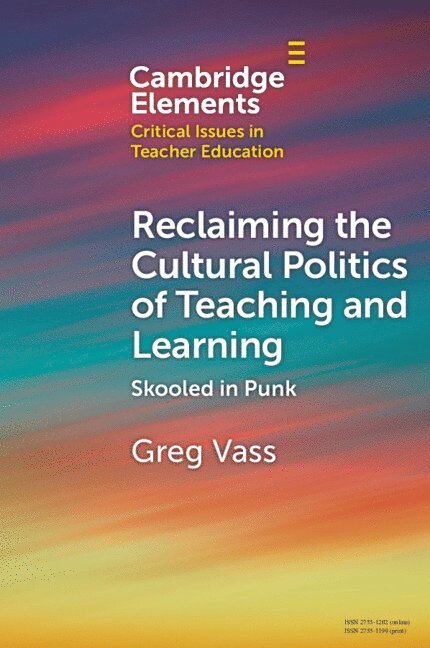
Despite often being associated with anti-establishment, irreverent, and a do-it yourself (DIY) rejection of dominant culture, less considered may the collaborative, communal and curative threads of punk thinking, being and doing. From the outset, punk offered critiques and alternative ways of conceptualizing a world and ways of worlding, that aren't as harmful and constraining as those encountered by many in the dominant milieu of life. This monograph is focused on how and why punk can productively contribute to efforts that are responding to the influences of dominant culture in education, such as the effects of standardization, heightened accountabilities, and 'gap talk'. For this Element, punk can be thought of as social practices that generate cultural resources that can be utilized to critique dominant culture. Hence, this Element aims to make the case that punk sensibilities offer educators opportunities to reclaim the cultural politics of teaching and learning.
731 kr
Skickas inom 7-10 vardagar
Despite often being associated with anti-establishment, irreverent, and a do-it yourself (DIY) rejection of dominant culture, less considered may the collaborative, communal and curative threads of punk thinking, being and doing. From the outset, punk offered critiques and alternative ways of conceptualizing a world and ways of worlding, that aren't as harmful and constraining as those encountered by many in the dominant milieu of life. This monograph is focused on how and why punk can productively contribute to efforts that are responding to the influences of dominant culture in education, such as the effects of standardization, heightened accountabilities, and 'gap talk'. For this Element, punk can be thought of as social practices that generate cultural resources that can be utilized to critique dominant culture. Hence, this Element aims to make the case that punk sensibilities offer educators opportunities to reclaim the cultural politics of teaching and learning.
Critical Studies and the International Field of Indigenous Education Research
Inbunden, Engelska, 2024
2 029 kr
Skickas inom 10-15 vardagar
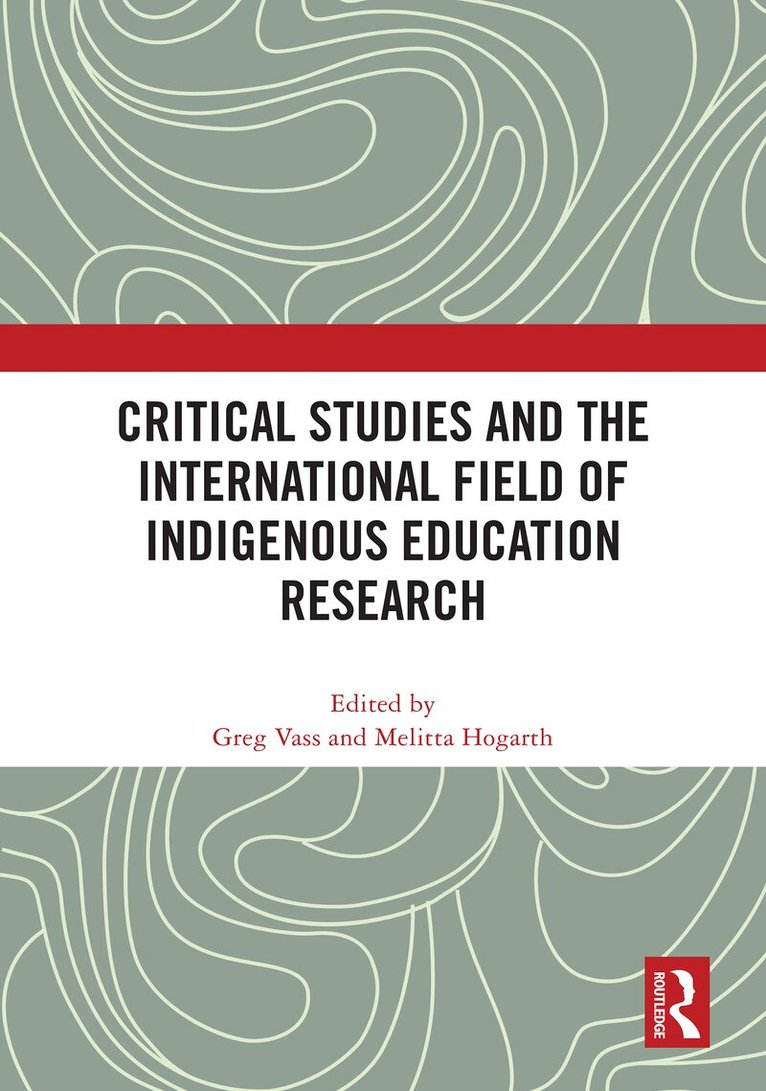
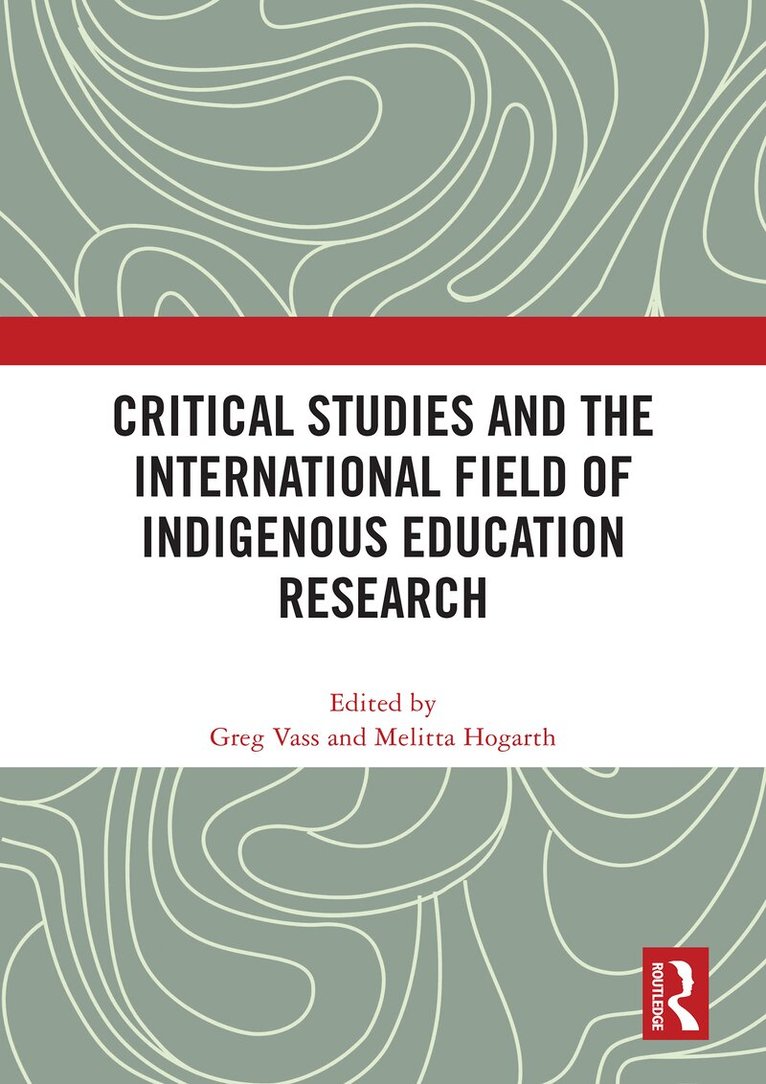
This book focuses on three broad and intertwined concerns in Indigenous education across several settler-colonial settings such as Australia, New Zealand and Canada.Within these settler-colonial contexts, many Indigenous learners continue to be failed by education policies and practices, while teaching and learning – all too often concomitantly – reproduce and maintain deficit perspectives and expectations from those in the wider community towards Indigenous Peoples. The contributions presented in this book seek to interrupt this cycle in some way and share three broad and intertwined areas of focus:Holistic and more-than-human view of the world and knowledge making practices Critical engagement with the ongoing legacies of colonial institutions, practices and histories And efforts that seek to reveal and address social injustices, inequities and discrimination.The book highlights the work of scholars who are actively working to privilege Indigenous ways of working and/or recognising the resilience of Indigenous peoples in all aspects of education.Critical Studies and the International Field of Indigenous Education Research offers inspiration, hope and practices to learn from and with. In doing so, a wider community of researchers and professionals can draw on the ideas and strategies to help inform their efforts within the settings they work and live. This book was originally published as a special issue of Critical Studies in Education.
599 kr
Skickas inom 10-15 vardagar
This book focuses on three broad and intertwined concerns in Indigenous education across several settler-colonial settings such as Australia, New Zealand and Canada.Within these settler-colonial contexts, many Indigenous learners continue to be failed by education policies and practices, while teaching and learning – all too often concomitantly – reproduce and maintain deficit perspectives and expectations from those in the wider community towards Indigenous Peoples. The contributions presented in this book seek to interrupt this cycle in some way and share three broad and intertwined areas of focus:Holistic and more-than-human view of the world and knowledge making practices Critical engagement with the ongoing legacies of colonial institutions, practices and histories And efforts that seek to reveal and address social injustices, inequities and discrimination.The book highlights the work of scholars who are actively working to privilege Indigenous ways of working and/or recognising the resilience of Indigenous peoples in all aspects of education.Critical Studies and the International Field of Indigenous Education Research offers inspiration, hope and practices to learn from and with. In doing so, a wider community of researchers and professionals can draw on the ideas and strategies to help inform their efforts within the settings they work and live. This book was originally published as a special issue of Critical Studies in Education.
2 224 kr
Skickas inom 10-15 vardagar
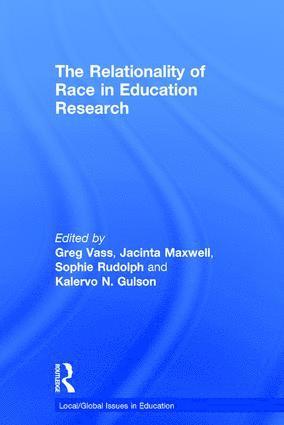
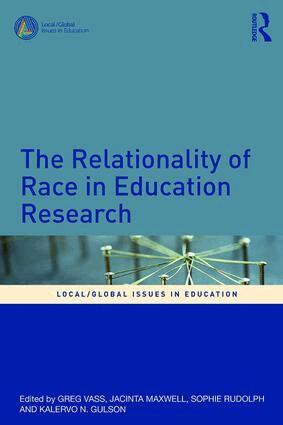
This edited collection examines the ways in which the local and global are key to understanding race and racism in the intersectional context of contemporary education. Analysing a broad range of examples, it highlights how race and racism is a relational phenomenon, that interconnects local, national and global contexts and ideas.The current educational climate is subject to global influences and the effects of conservative, hyper-nationalist politics and neoliberal economic rationalising in local settings that are creating new formations of race and racism. While focused predominantly on Australia and southern world or settler colonial contexts, the book aims to constructively contribute to broader emerging research and debates about race and education. Through the adoption of a relational framing, it draws the Australian context into the global conversation about race and racism in education in ways that challenge and test current understandings of the operation of race and racism in contemporary social and educational spaces. Importantly, it also pushes debates about race and racism in education and research to the foreground in Australia where such debates are typically dismissed or cursorily engaged.The book will guide readers as they navigate issues of race in education research and practice, and its chapters will serve as provocations designed to assist in critically understanding this challenging field. It reaches beyond education scholarship, as concerns to do with race remain intertwined with wider social justice issues such as access to housing, health, social/economic mobility, and political representation.
534 kr
Skickas inom 10-15 vardagar
This edited collection examines the ways in which the local and global are key to understanding race and racism in the intersectional context of contemporary education. Analysing a broad range of examples, it highlights how race and racism is a relational phenomenon, that interconnects local, national and global contexts and ideas.The current educational climate is subject to global influences and the effects of conservative, hyper-nationalist politics and neoliberal economic rationalising in local settings that are creating new formations of race and racism. While focused predominantly on Australia and southern world or settler colonial contexts, the book aims to constructively contribute to broader emerging research and debates about race and education. Through the adoption of a relational framing, it draws the Australian context into the global conversation about race and racism in education in ways that challenge and test current understandings of the operation of race and racism in contemporary social and educational spaces. Importantly, it also pushes debates about race and racism in education and research to the foreground in Australia where such debates are typically dismissed or cursorily engaged.The book will guide readers as they navigate issues of race in education research and practice, and its chapters will serve as provocations designed to assist in critically understanding this challenging field. It reaches beyond education scholarship, as concerns to do with race remain intertwined with wider social justice issues such as access to housing, health, social/economic mobility, and political representation.
2 088 kr
Skickas inom 10-15 vardagar
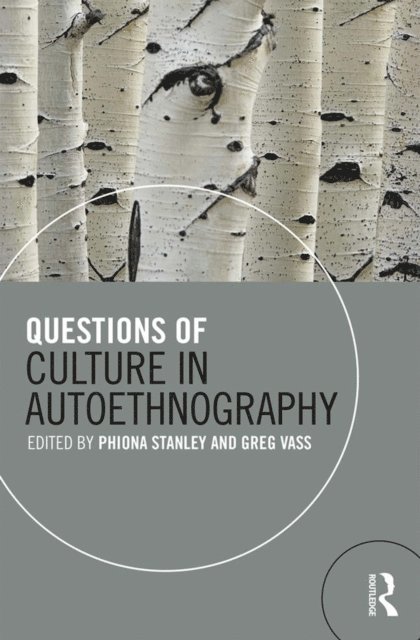
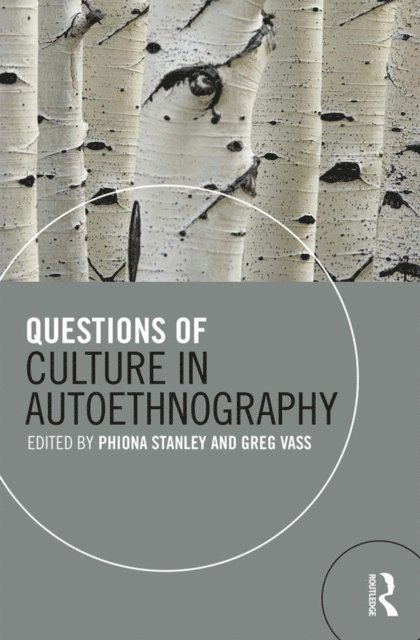
Autoethnography allows researchers to make sense of the ‘ethno’ – the cultural – by studying their own experiences – the ‘auto’. It links the self to the cultural, allowing for an inductive grounding of theoretical insight into researchers' lived experiences. But what happens when the culture that we research is not conventionally or entirely our ‘own’? What happens when our culture does not neatly conceptualise the ‘auto’ as an individual, Western self? And does autoethnographic writing risk reducing cultural ‘Others’ if we cannot help but see them through ‘imperial eyes’? Questions of Culture in Autoethnography showcases how cross-cultural autoethnographies might be done effectively, ethically, and reflectively. Chapters include: identity work among Tibetans in India and among the descendants of Spanish conquistadores in Appalachia; insider/outsider identities in myriad contexts from Mexico to Japan; embodied (gendered, raced, sized) intercultural experiences from Samoa to Aotearoa/New Zealand and from Canada to Malawi; and language stories from Korea to Singapore and from Somalia to Australia. It also explores cultural Otherness within ‘a’ culture, including researchers’ accounts of working with Indigenous Australians, of contesting mainstream cultural narratives from a body positive perspective, and as a US American man in New Zealand’s ‘bloke culture’, only seemingly sharing the same English-language-speaking, 'Western' culture.For all scholars of qualitative methods and autoethnography, the book has a dual purpose – to show and to tell. It presents evocative autoethnographies of and about ‘culture’, as it is variously understood, and discusses the issues inherent in autoethnographic writing.
593 kr
Skickas inom 10-15 vardagar
Autoethnography allows researchers to make sense of the ‘ethno’ – the cultural – by studying their own experiences – the ‘auto’. It links the self to the cultural, allowing for an inductive grounding of theoretical insight into researchers' lived experiences. But what happens when the culture that we research is not conventionally or entirely our ‘own’? What happens when our culture does not neatly conceptualise the ‘auto’ as an individual, Western self? And does autoethnographic writing risk reducing cultural ‘Others’ if we cannot help but see them through ‘imperial eyes’? Questions of Culture in Autoethnography showcases how cross-cultural autoethnographies might be done effectively, ethically, and reflectively. Chapters include: identity work among Tibetans in India and among the descendants of Spanish conquistadores in Appalachia; insider/outsider identities in myriad contexts from Mexico to Japan; embodied (gendered, raced, sized) intercultural experiences from Samoa to Aotearoa/New Zealand and from Canada to Malawi; and language stories from Korea to Singapore and from Somalia to Australia. It also explores cultural Otherness within ‘a’ culture, including researchers’ accounts of working with Indigenous Australians, of contesting mainstream cultural narratives from a body positive perspective, and as a US American man in New Zealand’s ‘bloke culture’, only seemingly sharing the same English-language-speaking, 'Western' culture.For all scholars of qualitative methods and autoethnography, the book has a dual purpose – to show and to tell. It presents evocative autoethnographies of and about ‘culture’, as it is variously understood, and discusses the issues inherent in autoethnographic writing.