Inbunden, Engelska, 2004
593 kr
Skickas inom 10-15 vardagar
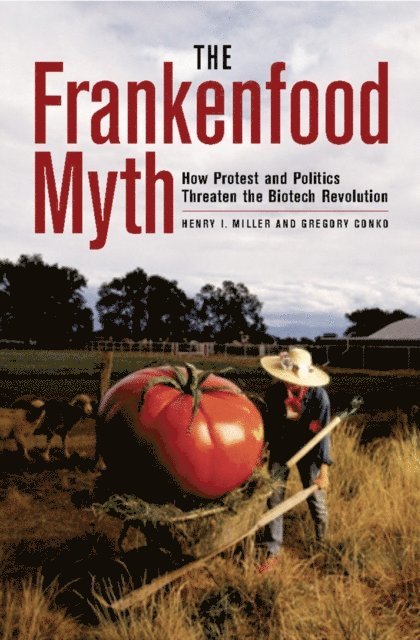
Few topics have inspired as much international furor and misinformation as the development and distribution of genetically altered foods. For thousands of years, farmers have bred crops for their resistance to disease, productivity, and nutritional value; and over the past century, scientists have used increasingly more sophisticated methods for modifying them at the genetic level. But only since the 1970s have advances in biotechnology (or gene-splicing to be more precise) upped the ante, with the promise of dramatically improved agricultural products—and public resistance far out of synch with the potential risks.In this provocative and meticulously researched book, Henry Miller and Gregory Conko trace the origins of gene-splicing, its applications, and the backlash from consumer groups and government agencies against so-called Frankenfoods—from America to Zimbabwe. They explain how a happy conspiracy of anti-technology activism, bureaucratic over-reach, and business lobbying has resulted in a regulatory framework in which there is an inverse relationship between the degree of product risk and degree of regulatory scrutiny. The net result, they argue, is a combination of public confusion, political manipulation, ill-conceived regulation (from such agencies as the USDA, EPA, and FDA), and ultimately, the obstruction of one of the safest and most promising technologies ever developed—with profoundly negative consequences for the environment and starving people around the world. The authors go on to suggest a way to emerge from this morass, proposing a variety of business and policy reforms that can unlock the potential of this cutting-edge science, while ensuring appropriate safeguards and moving environmentally friendly products into the hands of farmers and consumers. This book is guaranteed to fuel the ongoing debate over the future of biotech and its cultural, economic, and political implications.