Gregory M.W. Kennedy – författare
Visar alla böcker från författaren Gregory M.W. Kennedy. Handla med fri frakt och snabb leverans.
10 produkter
Lost in the Crowd
Acadian Soldiers of Canada's First World War
Inbunden, 2024
1275 kr
Lägg i varukorg
In December 1915, as the First World War wore on, Acadian leaders meeting in New Brunswick deplored how soldiers from their communities were “lost in the crowd” of the Canadian Expeditionary Force. They successfully lobbied the federal government for the creation of an Acadian national unit that …
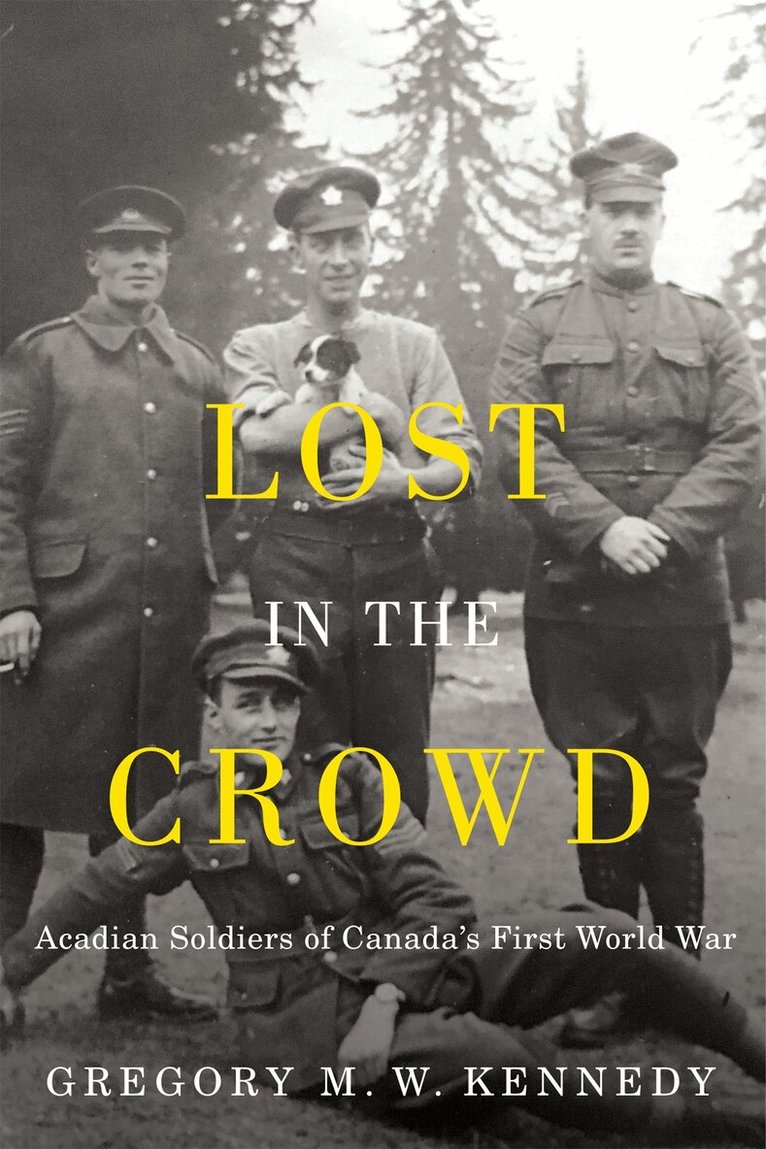
Lost in the Crowd
Acadian Soldiers of Canada's First World War
Häftad, 2024
454 kr
Lägg i varukorg
In December 1915, as the First World War wore on, Acadian leaders meeting in New Brunswick deplored how soldiers from their communities were "lost in the crowd" of the Canadian Expeditionary Force. They successfully lobbied the federal government for the creation of an Acadian national unit that …
Lost in the Crowd
Acadian Soldiers of Canada''s First World War
E-bok, 2024
456 kr
Lägg i varukorg
In December 1915, as the First World War wore on, Acadian leaders meeting in New Brunswick deplored how soldiers from their communities were “lost in the crowd” of the Canadian Expeditionary Force. They successfully lobbied the federal government for the creation of an Acadian national unit that …
Lost in the Crowd
Acadian Soldiers of Canada''s First World War
E-bok, 2024
456 kr
Lägg i varukorg
In December 1915, as the First World War wore on, Acadian leaders meeting in New Brunswick deplored how soldiers from their communities were “lost in the crowd” of the Canadian Expeditionary Force. They successfully lobbied the federal government for the creation of an Acadian national unit that …
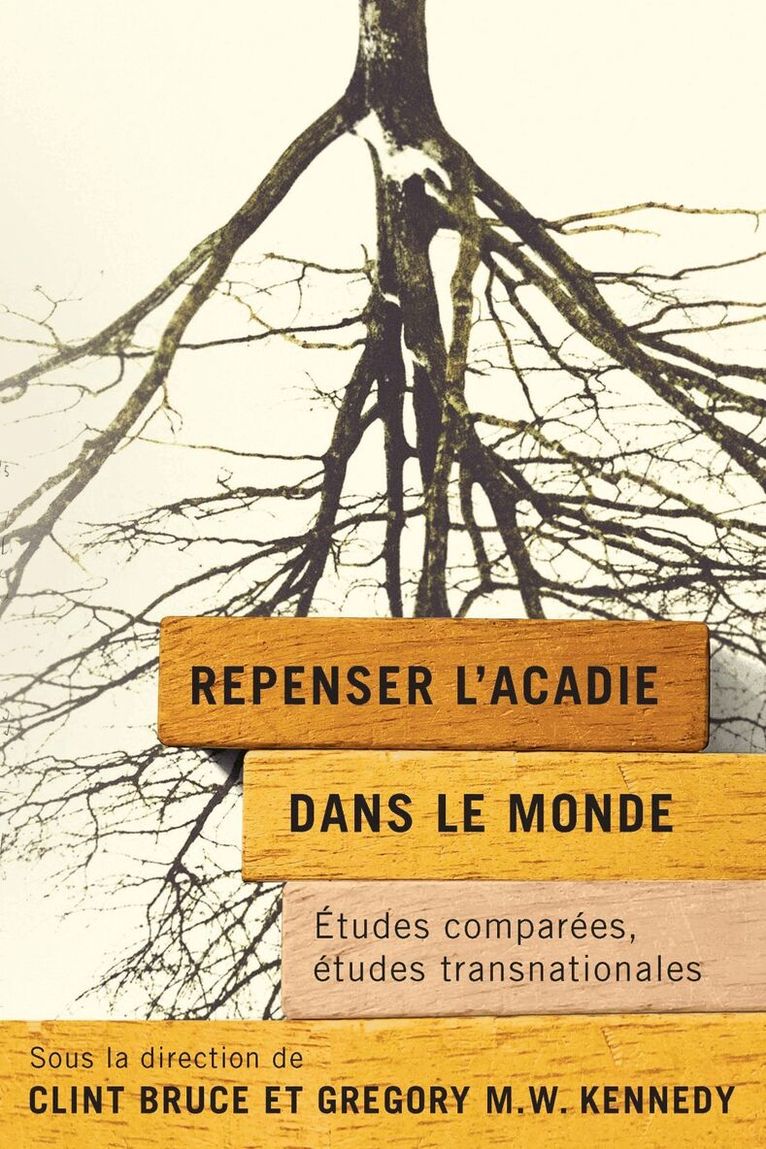
Repenser l’Acadie dans le monde
Études comparées, études transnationales
Av Clint Bruce, Gregory M.W. Kennedy
Häftad, 2025
555 kr
Lägg i varukorg
Petite société francophone concentrée dans le Canada atlantique, l’Acadie renvoie tout autant à une multiplicité de réalités socioculturelles, depuis l’ère de la colonisation en Mi’kmaki jusqu’aux grandes mutations contemporaines liées à la mondialisation. Du « Grand Dérangement » en 1755 est née …
Repenser l’Acadie dans le monde
Études comparées, études transnationales
Av Gregory M.W. Kennedy, Clint Bruce
E-bok, 2025
661 kr
Lägg i varukorg
Petite société francophone concentrée dans le Canada atlantique, l’Acadie renvoie tout autant à une multiplicité de réalités socioculturelles, depuis l’ère de la colonisation en Mi’kmaki jusqu’aux grandes mutations contemporaines liées à la mondialisation. Du « Grand Dérangement » en 1755 est née …
Repenser l’Acadie dans le monde
Études comparées, études transnationales
Av Gregory M.W. Kennedy, Clint Bruce
E-bok, 2025
647 kr
Lägg i varukorg
Petite société francophone concentrée dans le Canada atlantique, l’Acadie renvoie tout autant à une multiplicité de réalités socioculturelles, depuis l’ère de la colonisation en Mi’kmaki jusqu’aux grandes mutations contemporaines liées à la mondialisation. Du « Grand Dérangement » en 1755 est née …
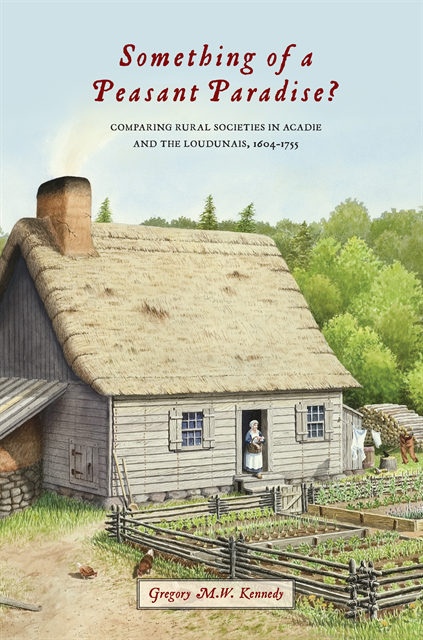
Something of a Peasant Paradise?
Comparing Rural Societies in Acadie and the Loudunais, 1604-1755
Häftad, 2014
425 kr
Lägg i varukorg
Were Acadians better off than their rural counterparts in old regime France? Did they enjoy a Golden Age? To what degree did a distinct Acadian identity emerge before the wars and deportations of the mid-eighteenth century? In Something of a Peasant Paradise?, Gregory Kennedy compares Acadie in …
Something of a Peasant Paradise?
Comparing Rural Societies in Acadie and the Loudunais, 1604-1755
E-bok, 2014
359 kr
Lägg i varukorg
Were Acadians better off than their rural counterparts in old regime France? Did they enjoy a Golden Age? To what degree did a distinct Acadian identity emerge before the wars and deportations of the mid-eighteenth century? In Something of a Peasant Paradise?, Gregory Kennedy compares Acadie in …
Something of a Peasant Paradise?
Comparing Rural Societies in Acadie and the Loudunais, 1604-1755
E-bok, 2014
367 kr
Lägg i varukorg
Were Acadians better off than their rural counterparts in old regime France? Did they enjoy a Golden Age? To what degree did a distinct Acadian identity emerge before the wars and deportations of the mid-eighteenth century? In Something of a Peasant Paradise?, Gregory Kennedy compares Acadie in …