Gregory Pappas - Böcker
Visar alla böcker från författaren Gregory Pappas. Handla med fri frakt och snabb leverans.
3 produkter
3 produkter
289 kr
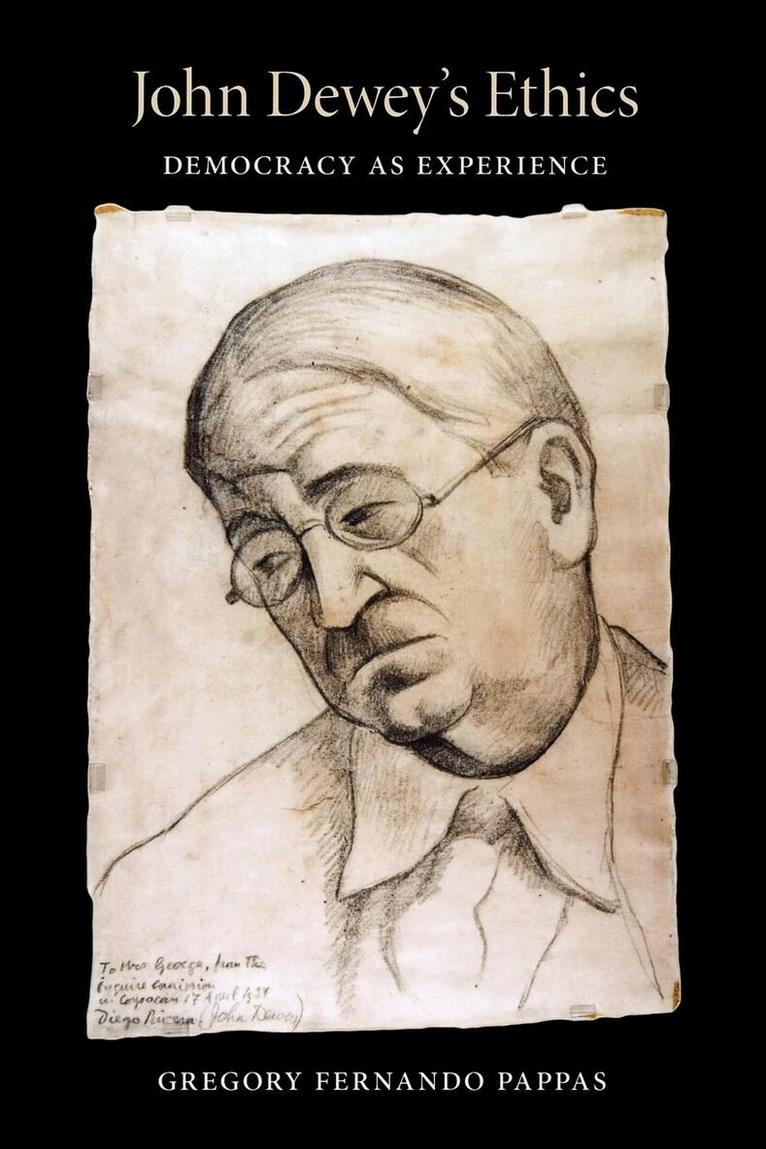
John Dewey, widely known as "America's philosopher," provided important insights into education and political philosophy, but surprisingly never set down a complete moral or ethical philosophy. Gregory Fernando Pappas presents the first systematic and comprehensive treatment of Dewey's ethics. By providing a pluralistic account of moral life that is both unified and coherent, Pappas considers ethics to be key to an understanding of Dewey's other philosophical insights, especially his views on democracy. Pappas unfolds Dewey's ethical vision by looking carefully at the virtues and values of ideal character and community. Showing that Dewey's ethics are compatible with the rest of his philosophy, Pappas corrects the reputation of American pragmatism as a philosophy committed to skepticism and relativism. Readers will find a robust and boldly detailed view of Dewey's ethics in this groundbreaking book.
637 kr
Skickas inom 10-15 vardagar
Thirty-two million Americans have lost jobs because of permanent factory closings since 1970. Gregory Pappas here provides an intimate account of the economic, social, psychological, and medical consequences of one such closing.Once known as "the magic city" of economic opportunity, Barberton, Ohio, is an industrial working-class town of second- and third-generation factory workers. When the Seiberling tire plant in Barberton was closed in 1980, over 1200 jobs were eliminated. Drawing on extensive research, including surveys and interviews with workers laid off by the closing, Pappas offers an incisive analysis of their responses to unemployment. Pappas first details the ways in which the unemployed rubber workers have met their economic needs in the face of declining income. He next evaluates their success in reentering the labor market, as he examines the job-hunting process, the unemployment insurance system, and workers' initiatives toward retraining and relocation. Turning to the psychological effects of the shutdown on workers and their families, Pappas describes unemployed workers' responses to the loss of status, identity, participation in the community, and sense of time. He next considers central historical questions, offering an explanation of the contemporary rise in unemployment and analyzing the prior development of this community that must now bear the burden of change. Two detailed portraits document the adaptations of individuals to the shutdown and explore the complex relationship between social change and personality.
409 kr
Skickas inom 10-15 vardagar
Thirty-two million Americans have lost jobs because of permanent factory closings since 1970. Gregory Pappas here provides an intimate account of the economic, social, psychological, and medical consequences of one such closing.Once known as "the magic city" of economic opportunity, Barberton, Ohio, is an industrial working-class town of second- and third-generation factory workers. When the Seiberling tire plant in Barberton was closed in 1980, over 1200 jobs were eliminated. Drawing on extensive research, including surveys and interviews with workers laid off by the closing, Pappas offers an incisive analysis of their responses to unemployment. Pappas first details the ways in which the unemployed rubber workers have met their economic needs in the face of declining income. He next evaluates their success in reentering the labor market, as he examines the job-hunting process, the unemployment insurance system, and workers' initiatives toward retraining and relocation. Turning to the psychological effects of the shutdown on workers and their families, Pappas describes unemployed workers' responses to the loss of status, identity, participation in the community, and sense of time. He next considers central historical questions, offering an explanation of the contemporary rise in unemployment and analyzing the prior development of this community that must now bear the burden of change. Two detailed portraits document the adaptations of individuals to the shutdown and explore the complex relationship between social change and personality.