Gregory S. Gordon – författare
Visar alla böcker från författaren Gregory S. Gordon. Handla med fri frakt och snabb leverans.
5 produkter
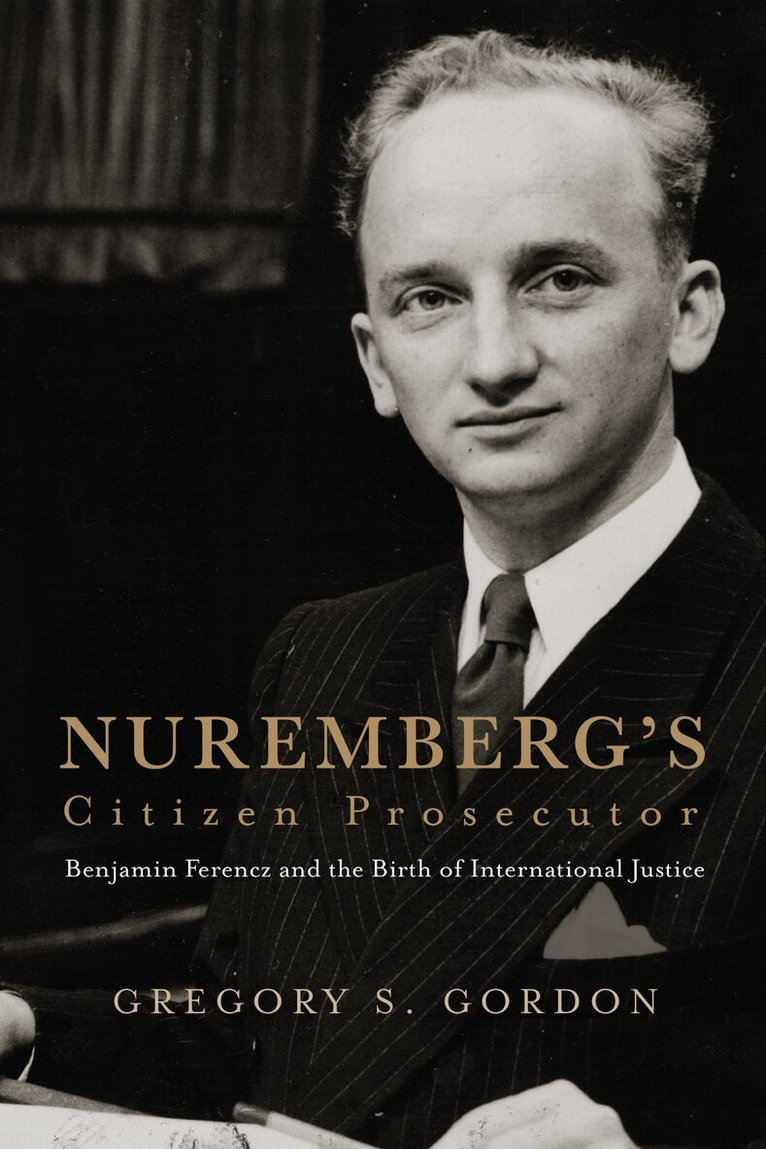
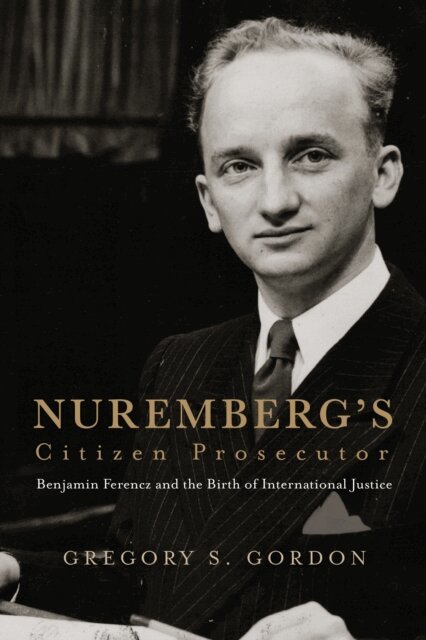
Nuremberg's Citizen Prosecutor
Benjamin Ferencz and the Birth of International Justice
Inbunden, 2025
429 kr
Lägg i varukorg
The remarkable life of one of the twentieth century's great warriors for justice, from Nuremberg to the first trial of the International Criminal CourtOn September 29, 1947, in Courtroom 600, before the Nuremberg Military Tribunal, twenty-seven-year-old Benjamin Ferencz approached the lectern to …
Atrocity Speech Law
Foundation, Fragmentation, Fruition
Inbunden, 2017
2186 kr
Lägg i varukorg
The law governing the relationship between speech and core international crimes -- a key component in atrocity prevention -- is broken. Incitement to genocide has not been adequately defined. The law on hate speech as persecution is split between the International Criminal Tribunal for Rwanda …
Atrocity Speech Law
Foundation, Fragmentation, Fruition
E-bok, 2017
1529 kr
Lägg i varukorg
The law governing the relationship between speech and core international crimes — a key component in atrocity prevention — is broken. Incitement to genocide has not been adequately defined. The law on hate speech as persecution is split between the International Criminal Tribunal for Rwanda …
Atrocity Speech Law
Foundation, Fragmentation, Fruition
E-bok, 2017
1529 kr
Lägg i varukorg
The law governing the relationship between speech and core international crimes — a key component in atrocity prevention — is broken. Incitement to genocide has not been adequately defined. The law on hate speech as persecution is split between the International Criminal Tribunal for Rwanda …
Nuremberg's Citizen Prosecutor
Benjamin Ferencz and the Birth of International Justice
E-bok, 2025
648 kr
Lägg i varukorg
The remarkable life of one of the twentieth century’s great warriors for justice, from Nuremberg to the first trial of the International Criminal Court On September 29, 1947, in Courtroom 600, before the Nuremberg Military Tribunal, twenty-seven-year-old Benjamin Ferencz approached the lectern to …