Guanglin Zhang – författare
Visar alla böcker från författaren Guanglin Zhang. Handla med fri frakt och snabb leverans.
4 produkter
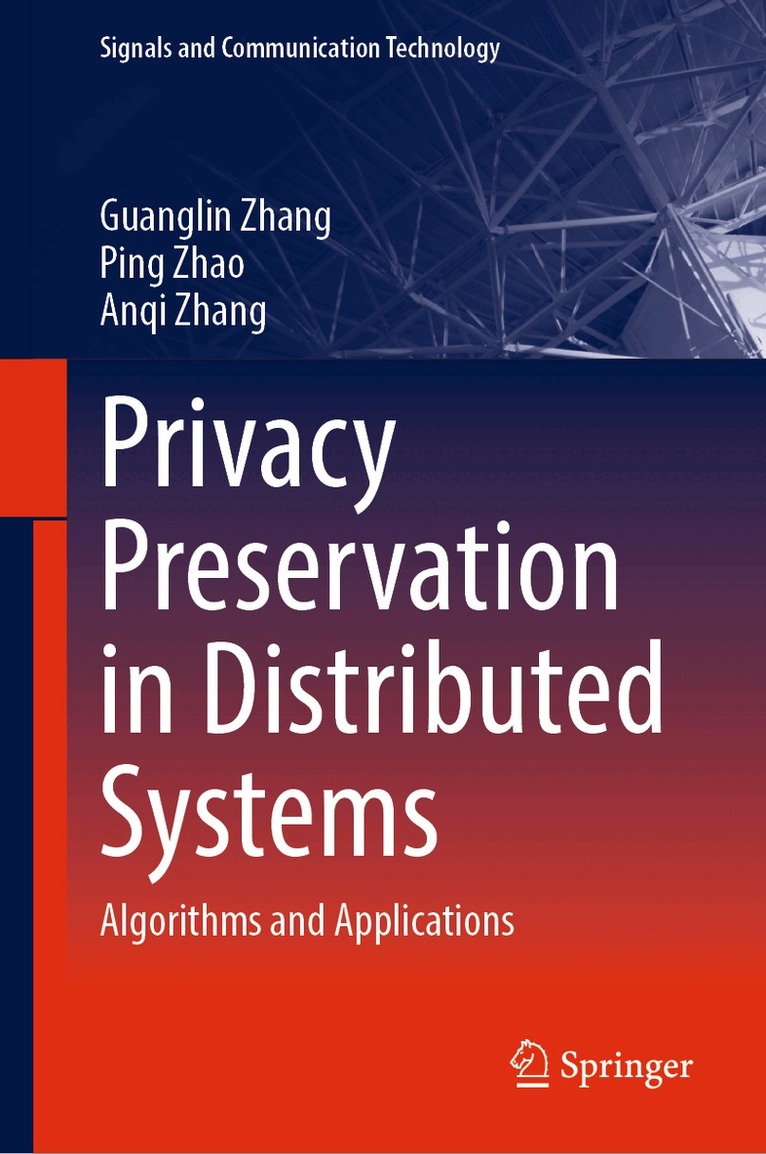
Privacy Preservation in Distributed Systems
Algorithms and Applications
Av Guanglin Zhang, Ping Zhao m. fl.
Inbunden, 2024
1641 kr
Lägg i varukorg
This book provides a discussion of privacy in the following three parts: Privacy Issues in Data Aggregation; Privacy Issues in Indoor Localization; and Privacy-Preserving Offloading in MEC. In Part 1, the book proposes LocMIA, which shifts from membership inference attacks against aggregated …
Privacy Preservation in Distributed Systems
Algorithms and Applications
Av Anqi Zhang, Ping Zhao m. fl.
E-bok, 2024
2119 kr
Lägg i varukorg
This book provides a discussion of privacy in the following three parts: Privacy Issues in Data Aggregation; Privacy Issues in Indoor Localization; and Privacy-Preserving Offloading in MEC. In Part 1, the book proposes LocMIA, which shifts from membership inference attacks against aggregated …
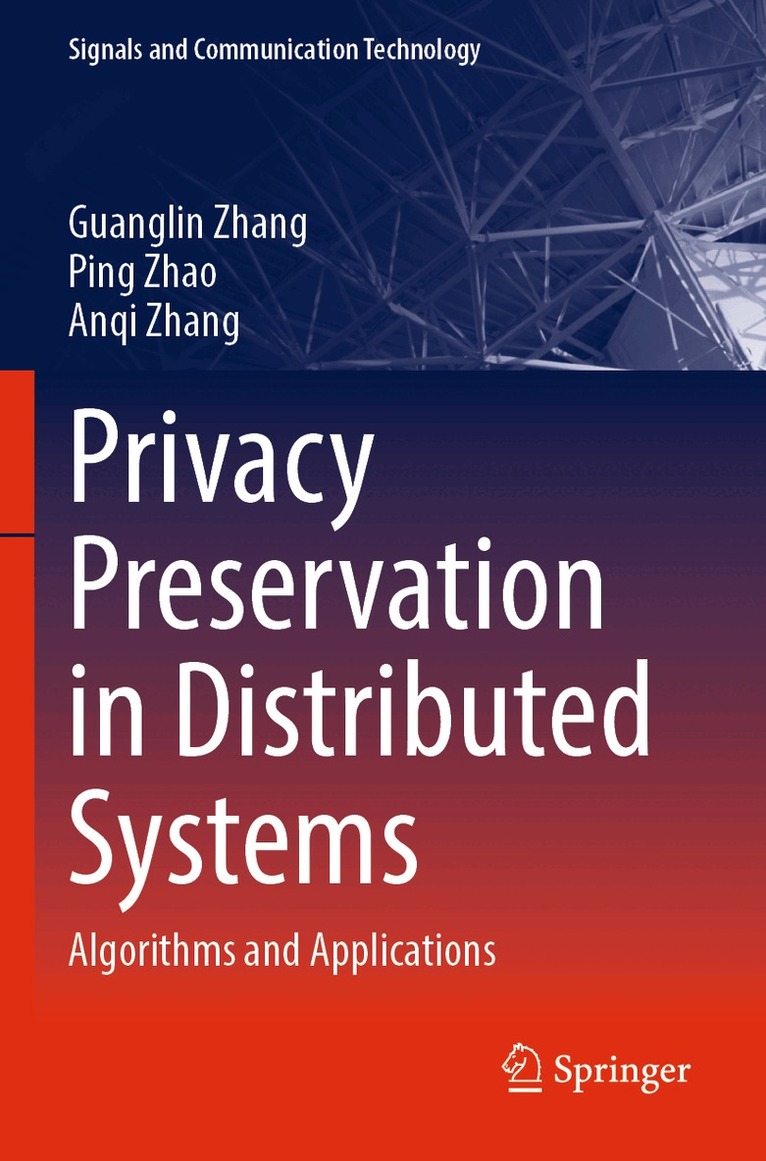
Privacy Preservation in Distributed Systems
Algorithms and Applications
Av Guanglin Zhang, Ping Zhao m. fl.
Häftad, 2025
1641 kr
Lägg i varukorg
This book provides a discussion of privacy in the following three parts: Privacy Issues in Data Aggregation; Privacy Issues in Indoor Localization; and Privacy-Preserving Offloading in MEC. In Part 1, the book proposes LocMIA, which shifts from membership inference attacks against aggregated …
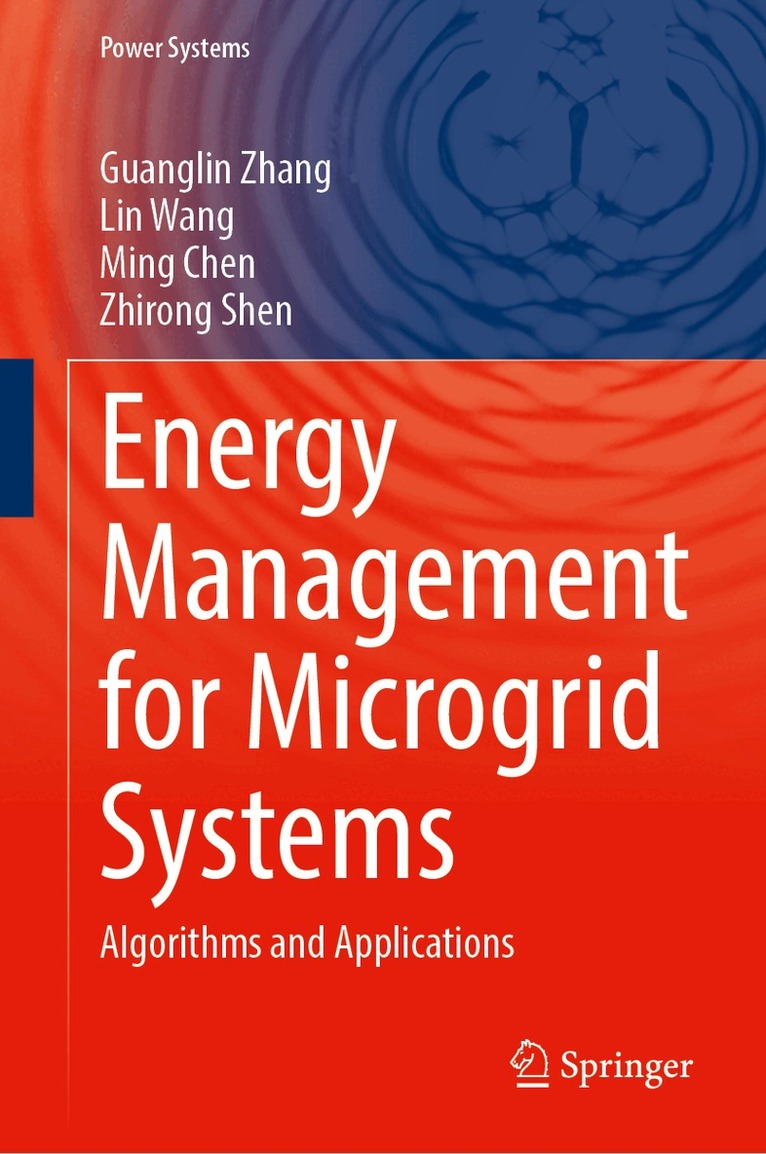
Energy Management for Microgrid Systems
Algorithms and Applications
Av Guanglin Zhang, Lin Wang m. fl.
Inbunden, 1900
2288 kr
Kommande
This book provides an in-depth discussion of the significance of energy management in microgrids, focusing on three key areas: multi-energy cooperative management in single and multi-microgrid systems, and energy management issues related to the Internet of Vehicles (IoV) in microgrids.In Part 1, …