Guillermo Alvar Nuno – författare
802 kr
Läs direkt efter köp
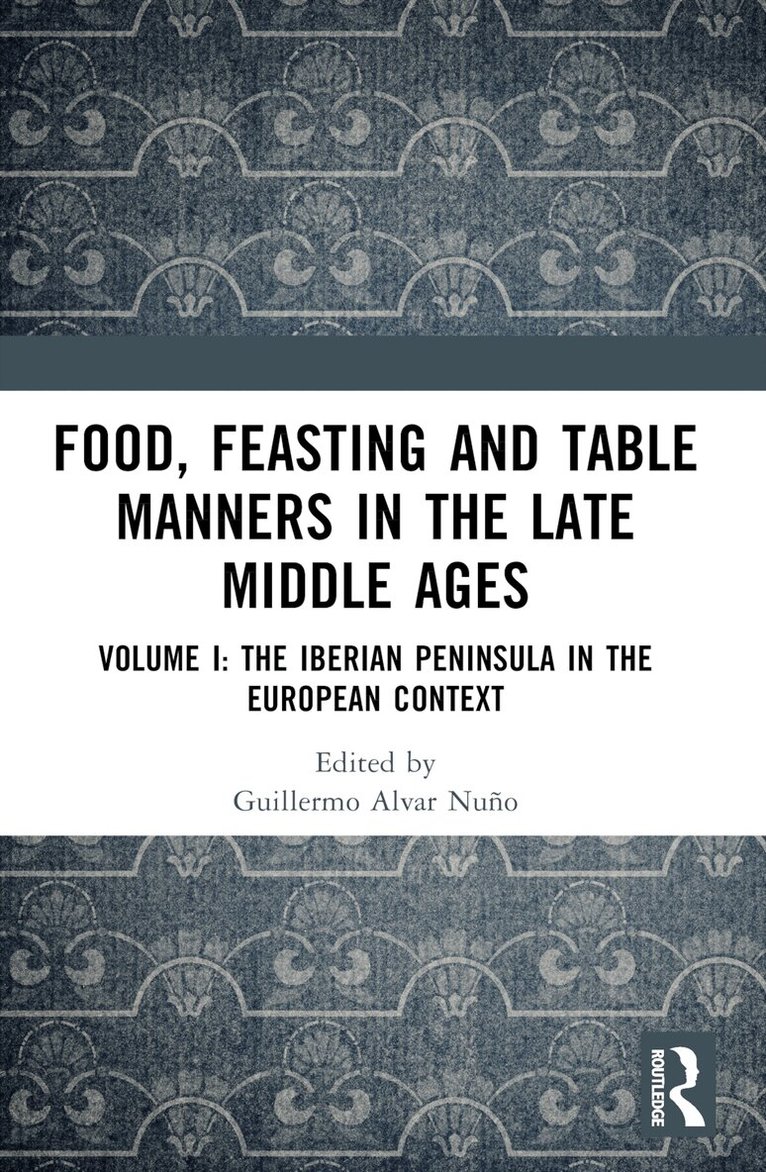
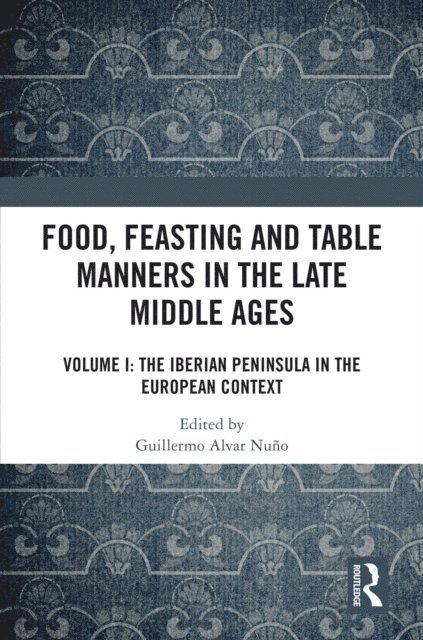
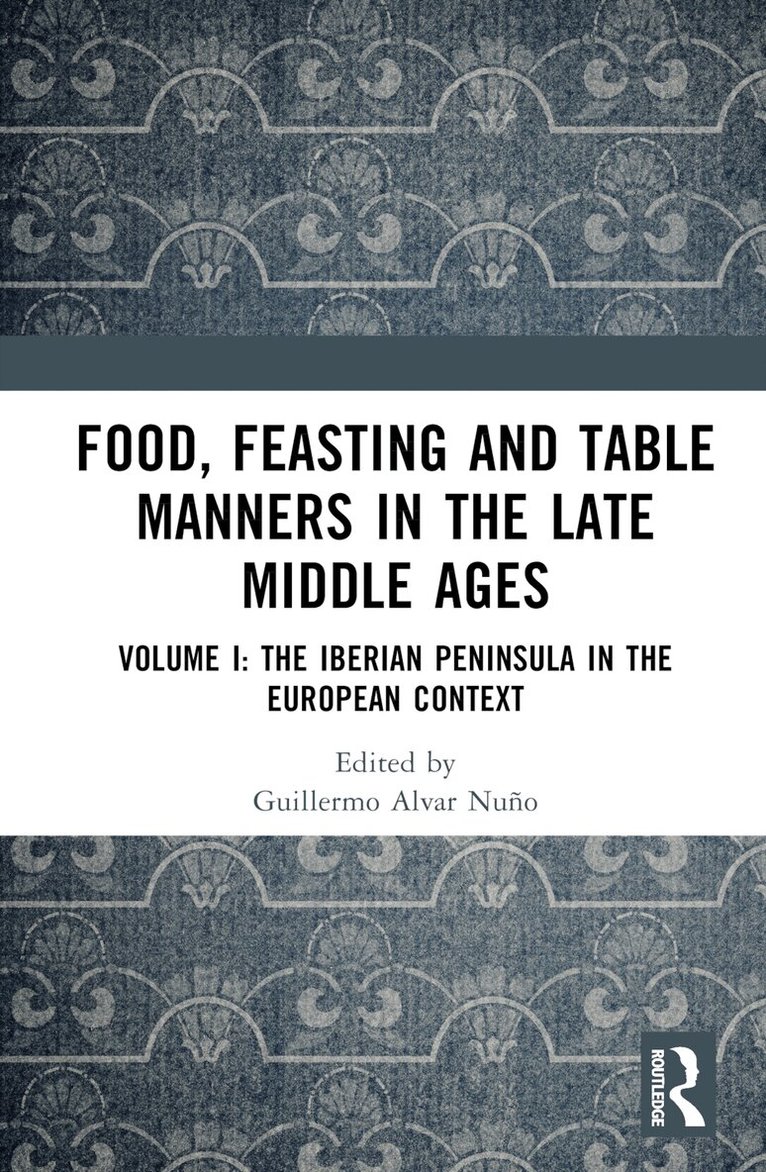
This book offers a study of what and how people ate in the Iberian Peninsula between the twelfth and fifteenth centuries.
It has long been recognized that Mediterranean cultures attach great importance to communal meals and food cooked with great refinement. However, whilst medieval feasting in England, France and Italy has been thoroughly studied, Spain and Portugal have both been somewhat neglected in this area of study. This volume analyses how medieval men of the Iberian Peninsula questioned themselves about different aspects deemed important in social feasting. It investigates the acquisition of table manners and rhetorical skills, the interaction between medicine and eating, and the presence of food in literature and religion. The book also shows how this shared society and culture, as well as their attitude towards food, connected them to a Western European tradition.
The book will appeal to scholars and students alike interested in food and feasting from the perspectives of literature, history, language, art, religion and medicine, and to those interested in a social, cultural and literary overview of life in the Iberian Peninsula during the late Middle Ages.
802 kr
Läs direkt efter köp
This book offers a study of what and how people ate in the Iberian Peninsula between the twelfth and fifteenth centuries.
It has long been recognized that Mediterranean cultures attach great importance to communal meals and food cooked with great refinement. However, whilst medieval feasting in England, France and Italy has been thoroughly studied, Spain and Portugal have both been somewhat neglected in this area of study. This volume analyses how medieval men of the Iberian Peninsula questioned themselves about different aspects deemed important in social feasting. It investigates the acquisition of table manners and rhetorical skills, the interaction between medicine and eating, and the presence of food in literature and religion. The book also shows how this shared society and culture, as well as their attitude towards food, connected them to a Western European tradition.
The book will appeal to scholars and students alike interested in food and feasting from the perspectives of literature, history, language, art, religion and medicine, and to those interested in a social, cultural and literary overview of life in the Iberian Peninsula during the late Middle Ages.
2 103 kr
Skickas inom 10-15 vardagar
652 kr
Skickas inom 10-15 vardagar
2 247 kr
Skickas inom 10-15 vardagar
750 kr
Skickas inom 10-15 vardagar
858 kr
Läs direkt efter köp
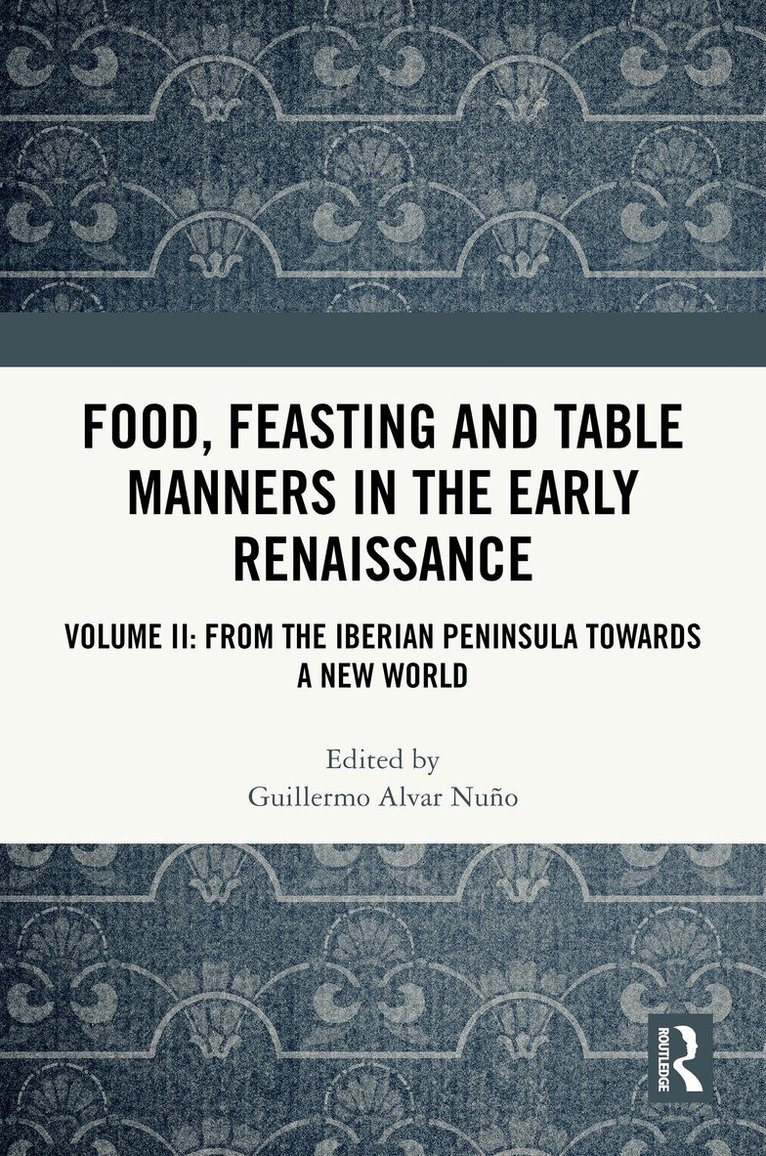
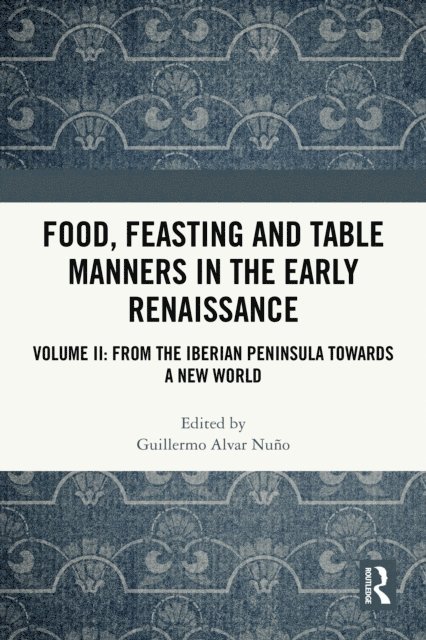
The acquisition of table manners and rhetorical skills, the interaction between medicine and eating, and the presence of food in literature and religion shaped Peninsular societies and connected them to a Western European background during the Middle Ages. The Renaissance, however, marked a turning point in world history, and the reader will learn how eating evolved in the kingdoms of Spain and Portugal during the early Renaissance in fields such as morals, politics, medicine, literature and religion. The book also explains how the cultural conception of food was exported by Iberian explorers to the Americas and Japan.
The present volume focuses on a two-fold issue: food as a cultural element that united Mediterranean European society, and food as a cultural encounter between European explorers and new worlds during the early Renaissance. Therefore, this volume continues the themes introduced in the previous monograph, Food, Feasting and Table Manners in the Late Middle Ages: Volume I: The Iberian Peninsula in the European Context, but takes into account the new, global scale of the era.
Readers will find here a panorama of what, and how, people ate in Mediterranean Europe during the fifteenth and sixteenth centuries and learn how cultural aspects of food were exported to the new lands that were explored during the Age of Discovery.
858 kr
Läs direkt efter köp
The acquisition of table manners and rhetorical skills, the interaction between medicine and eating, and the presence of food in literature and religion shaped Peninsular societies and connected them to a Western European background during the Middle Ages. The Renaissance, however, marked a turning point in world history, and the reader will learn how eating evolved in the kingdoms of Spain and Portugal during the early Renaissance in fields such as morals, politics, medicine, literature and religion. The book also explains how the cultural conception of food was exported by Iberian explorers to the Americas and Japan.
The present volume focuses on a two-fold issue: food as a cultural element that united Mediterranean European society, and food as a cultural encounter between European explorers and new worlds during the early Renaissance. Therefore, this volume continues the themes introduced in the previous monograph, Food, Feasting and Table Manners in the Late Middle Ages: Volume I: The Iberian Peninsula in the European Context, but takes into account the new, global scale of the era.
Readers will find here a panorama of what, and how, people ate in Mediterranean Europe during the fifteenth and sixteenth centuries and learn how cultural aspects of food were exported to the new lands that were explored during the Age of Discovery.
748 kr
Skickas inom 5-8 vardagar