Günter Haag – författare
Visar alla böcker från författaren Günter Haag. Handla med fri frakt och snabb leverans.
8 produkter
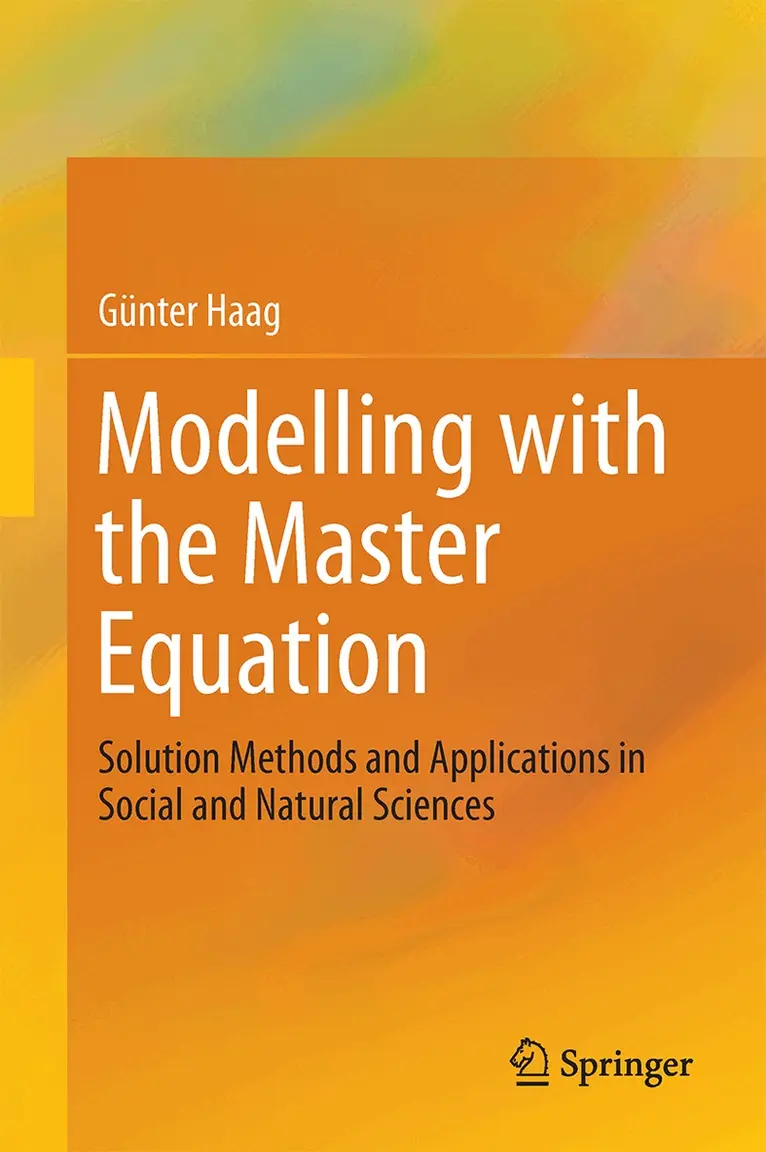
Modelling with the Master Equation
Solution Methods and Applications in Social and Natural Sciences
Av Günter Haag
Inbunden, 2017
1205 kr
Lägg i varukorg
This book presents the theory and practical applications of the Master equation approach, which provides a powerful general framework for model building in a variety of disciplines. The aim of the book is to not only highlight different mathematical solution methods, but also reveal their potential …
Modelling with the Master Equation
Solution Methods and Applications in Social and Natural Sciences
Av Gunter Haag
E-bok, 2017
1622 kr
Lägg i varukorg
This book presents the theory and practical applications of the Master equation approach, which provides a powerful general framework for model building in a variety of disciplines. The aim of the book is to not only highlight different mathematical solution methods, but also reveal their potential …
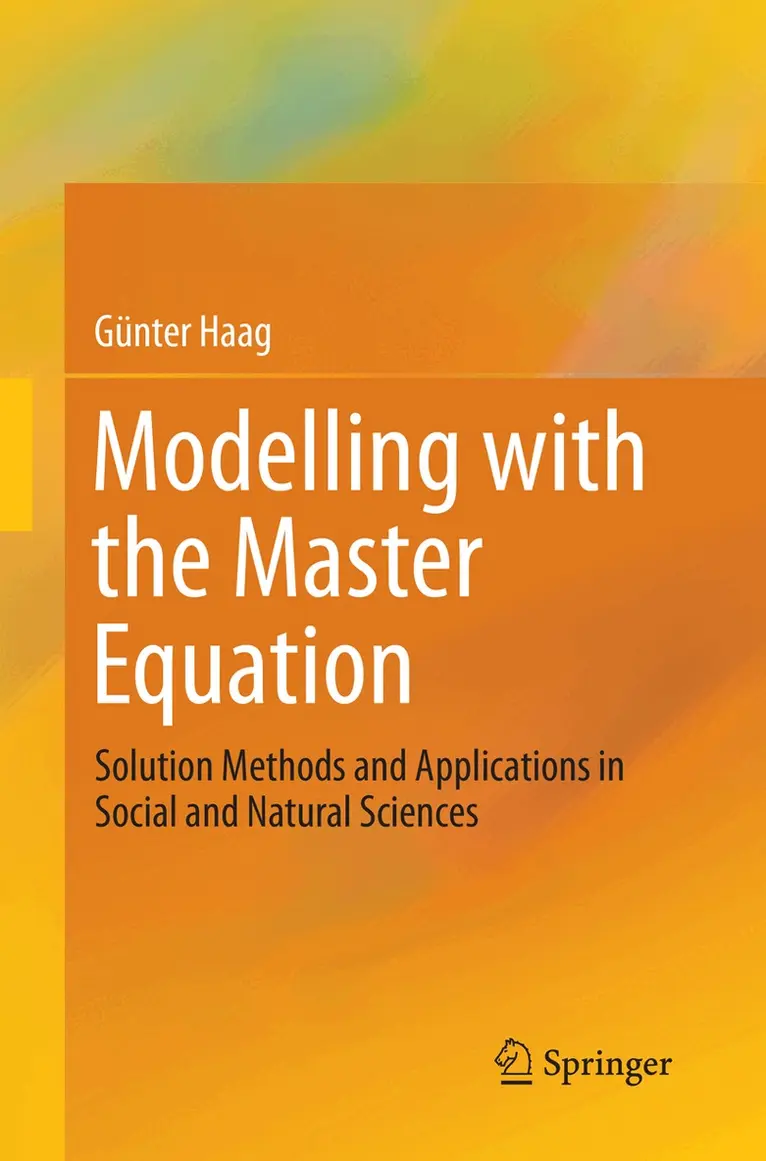
Modelling with the Master Equation
Solution Methods and Applications in Social and Natural Sciences
Av Günter Haag
Häftad, 2018
1205 kr
Lägg i varukorg
This book presents the theory and practical applications of the Master equation approach, which provides a powerful general framework for model building in a variety of disciplines. The aim of the book is to not only highlight different mathematical solution methods, but also reveal their potential …
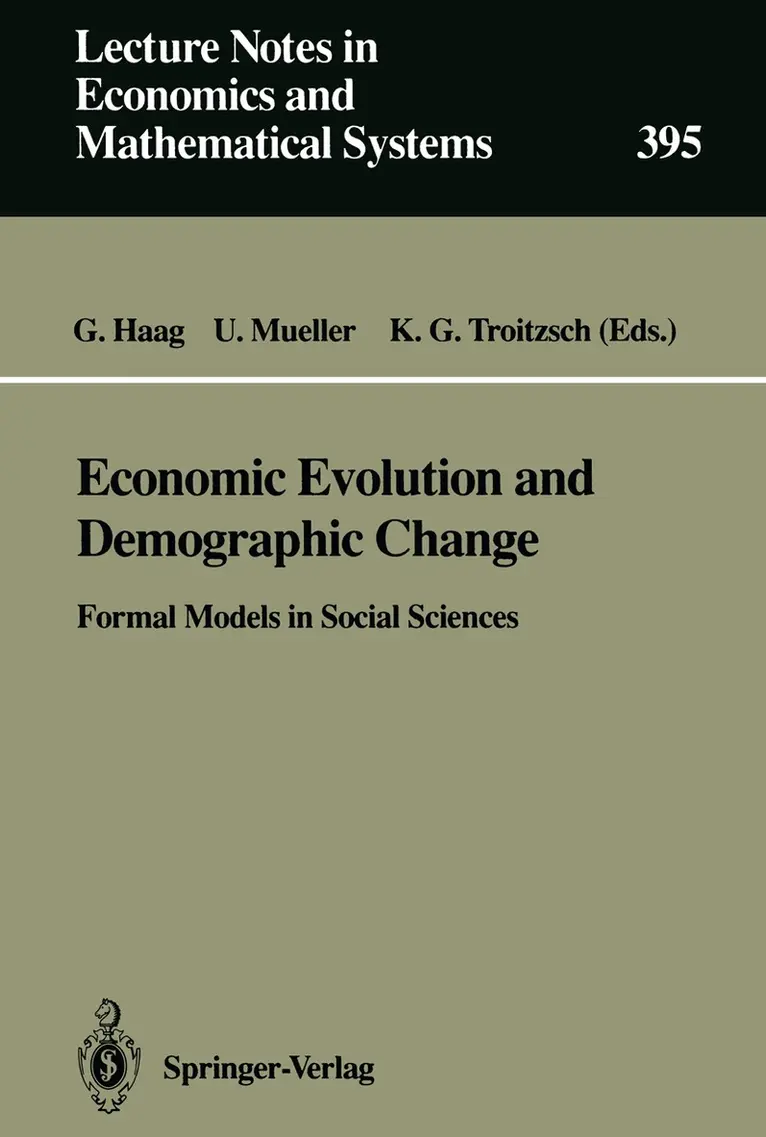
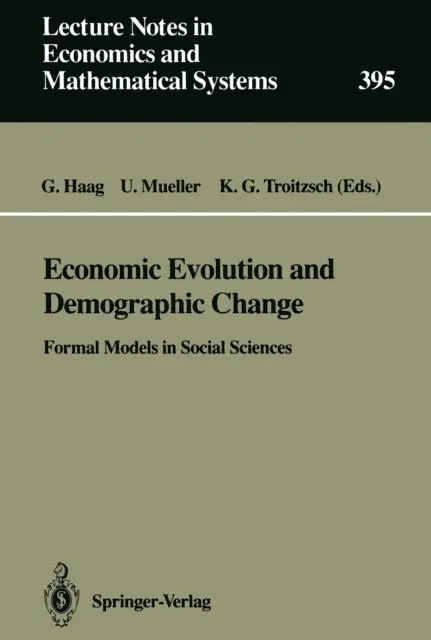
Economic Evolution and Demographic Change
Formal Models in Social Sciences
Av Günter Haag, Ulrich Mueller m. fl.
Häftad, 1992
552 kr
Lägg i varukorg
The articles collected in this volume have two features incommon: they wantto integrate economics, demography andgeography, and they want to overcome the stationary approachin modelling in favour of a dynamic one. The book issubdivided into three parts, where Part I is focussing oneconomic …
Economic Evolution and Demographic Change
Formal Models in Social Sciences
Av Klaus G. Troitzsch, Ulrich Mueller m. fl.
E-bok, 2012
734 kr
Lägg i varukorg
The articles collected in this volume have two features incommon: they wantto integrate economics, demography andgeography, and they want to overcome the stationary approachin modelling in favour of a dynamic one. The book issubdivided into three parts, where Part I is focussing oneconomic …
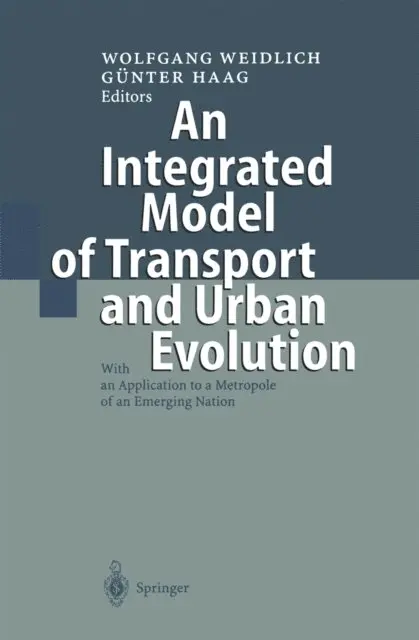
Integrated Model of Transport and Urban Evolution
With an Application to a Metropole of an Emerging Nation
Av Gunter Haag, Wolfgang Weidlich
E-bok, 2012
734 kr
Lägg i varukorg
Gone are the days when mobility was nearly always a question of having a vehicle. Today the issue of road capacity is becoming ever more pressing. Even the safest, most comfortable and 100% emissions-free vehicle is only of limited use if it is stuck in a traffic jam. Mobility is a key human need …
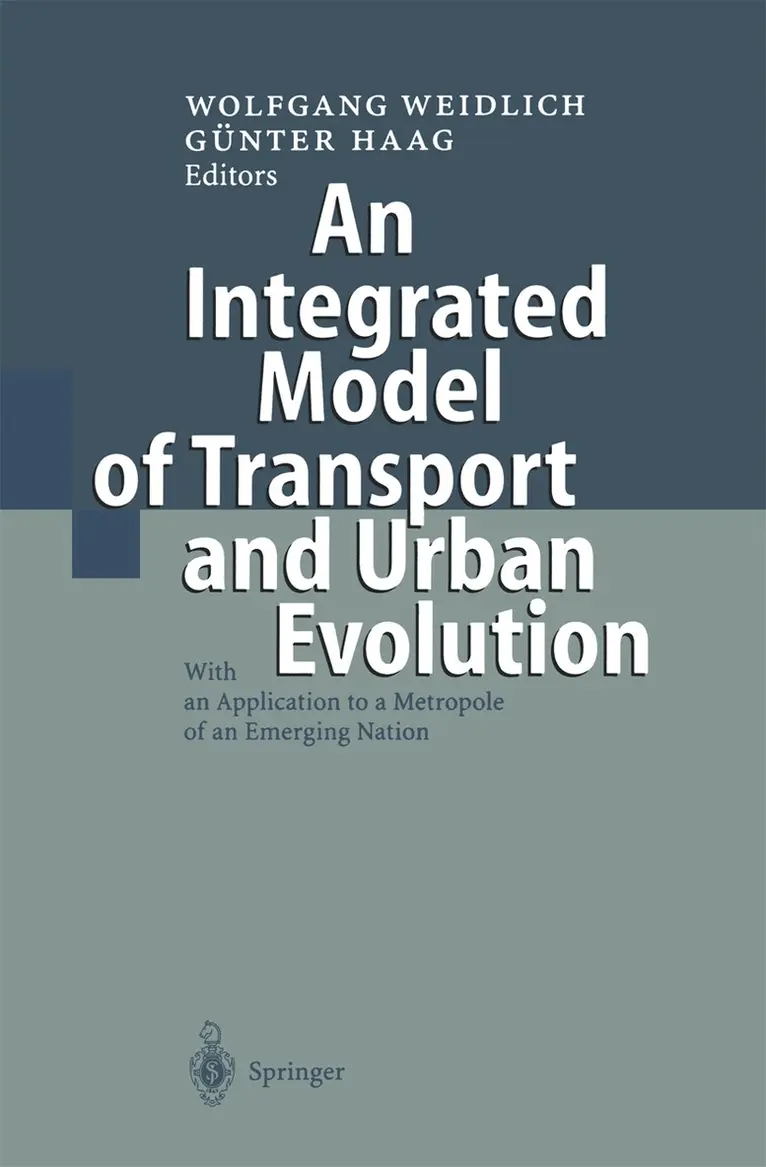
Integrated Model of Transport and Urban Evolution
With an Application to a Metropole of an Emerging Nation
Av Wolfgang Weidlich, Günter Haag
Häftad, 2011
552 kr
Lägg i varukorg
Gone are the days when mobility was nearly always a question of having a vehicle. Today the issue of road capacity is becoming ever more pressing. Even the safest, most comfortable and 100% emissions-free vehicle is only of limited use if it is stuck in a traffic jam. Mobility is a key human need …
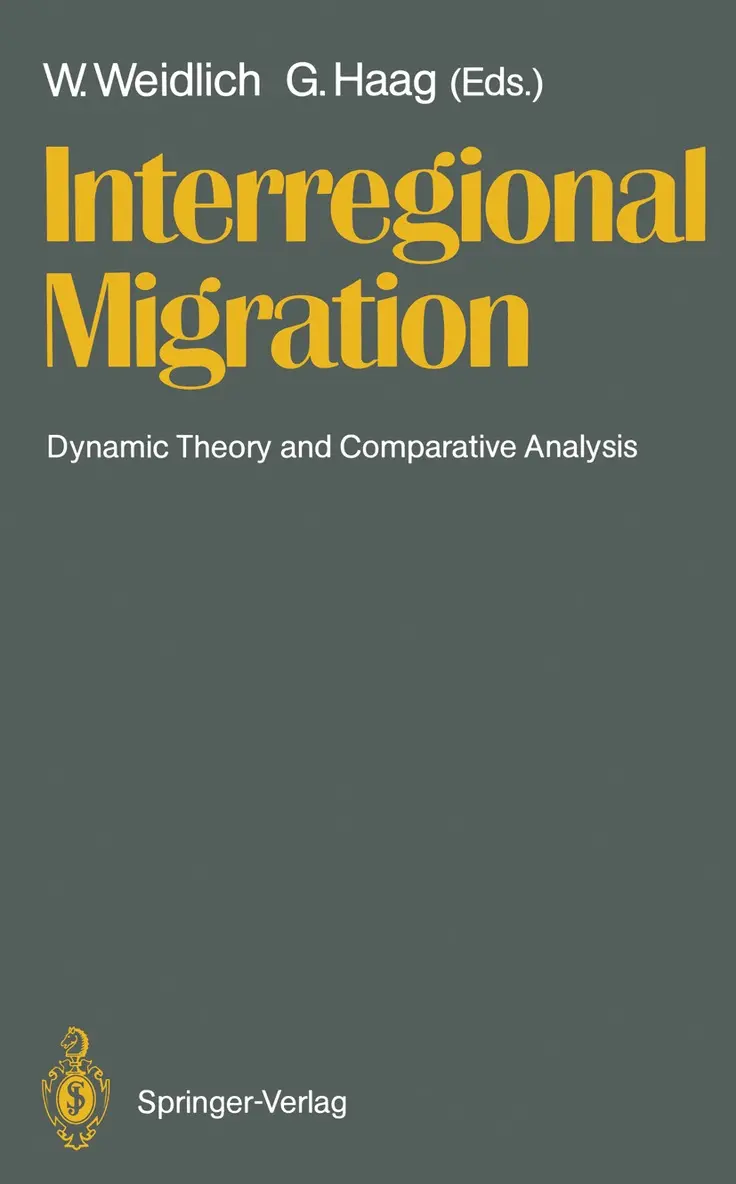
Interregional Migration
Dynamic Theory and Comparative Analysis
Av Wolfgang Weidlich, Günter Haag
Häftad, 2011
1096 kr
Lägg i varukorg
In part I of this book a dynamic migratory model connecting the microlevel of individual migration trends with the macrolevel of interregional migration is developed. Its derivation makes use of the master equation method. Applying a ranking regression analysis, the trend parameters of the model …