Klaus G. Troitzsch – författare
Visar alla böcker från författaren Klaus G. Troitzsch. Handla med fri frakt och snabb leverans.
14 produkter
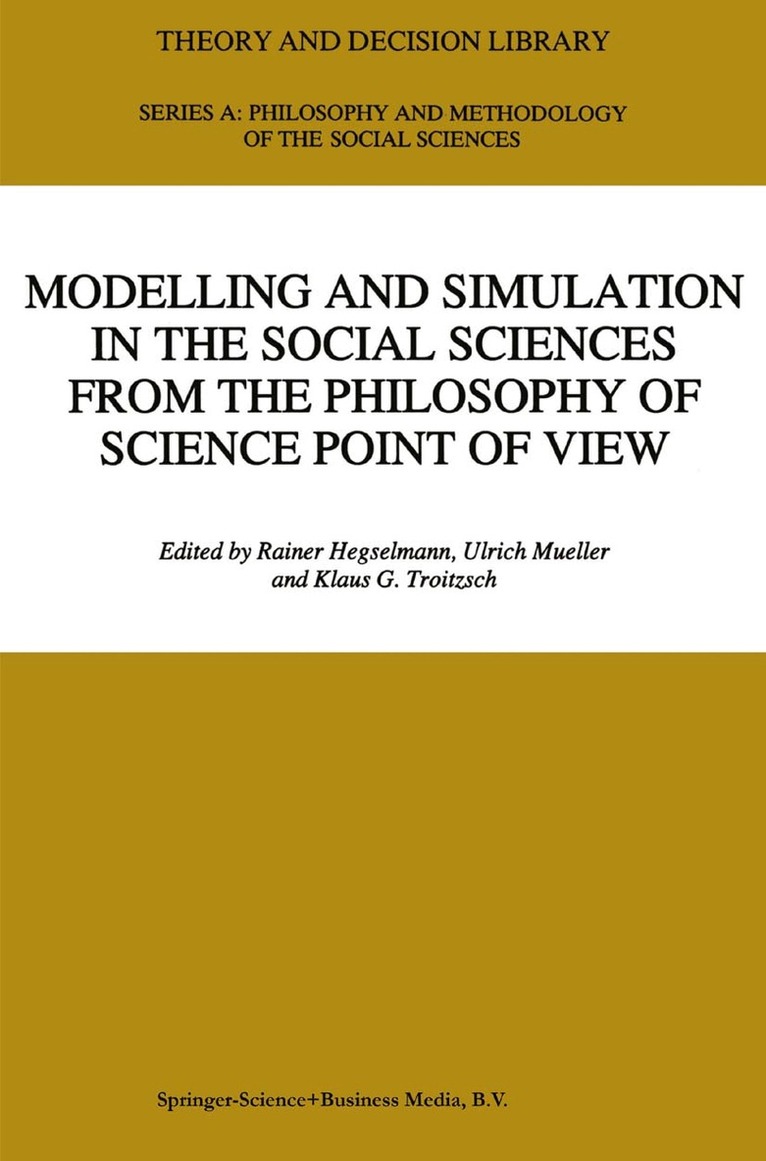
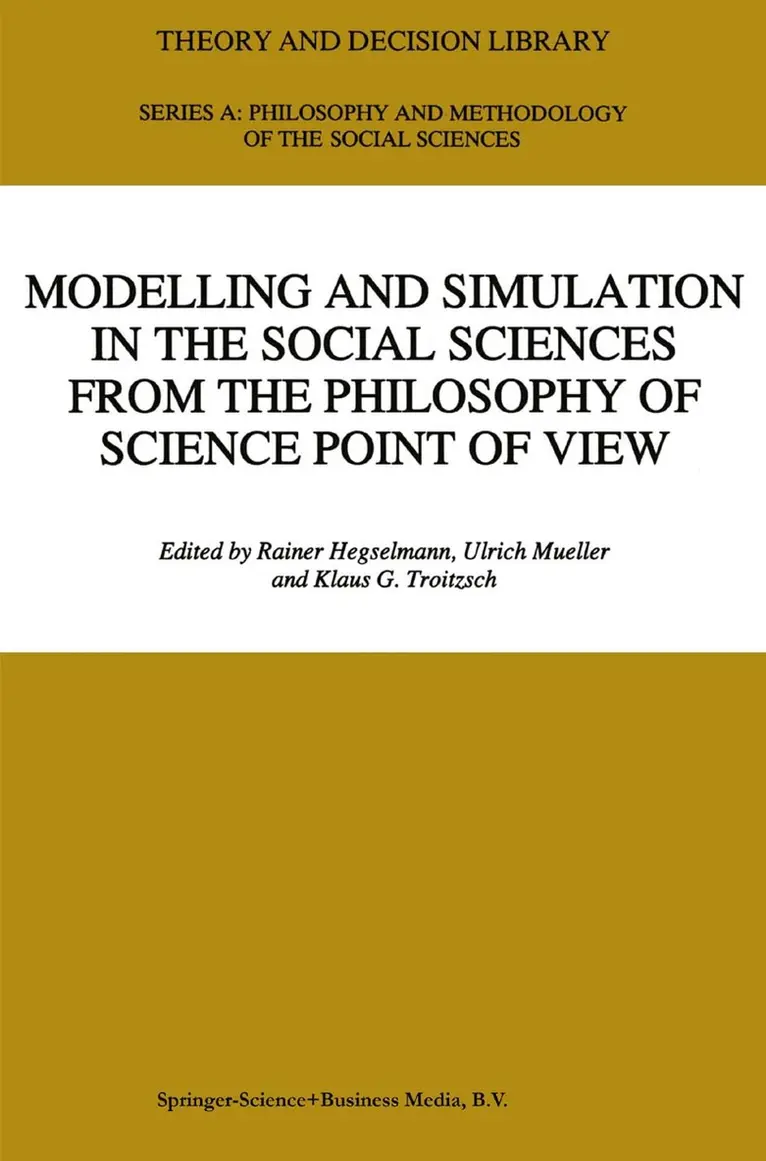
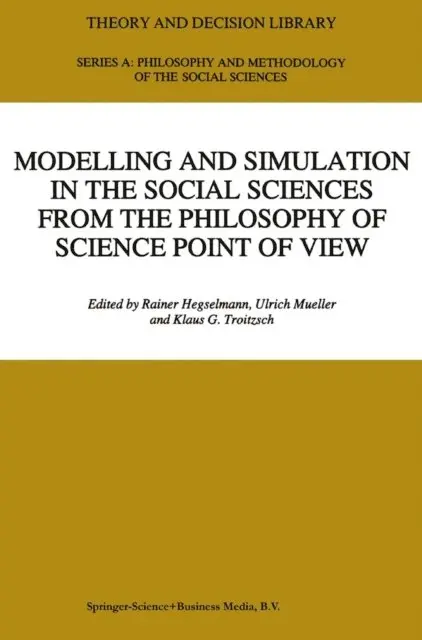
Modelling and Simulation in the Social Sciences from the Philosophy of Science Point of View
Av R. Hegselmann, Ulrich Mueller m. fl.
Inbunden, 1996
1641 kr
Lägg i varukorg
Model building in the social sciences can increasingly rely on well elaborated formal theories. At the same time inexpensive large computational capacities are now available. Both make computer-based model building and simulation possible in social science, whose central aim is in particular an …
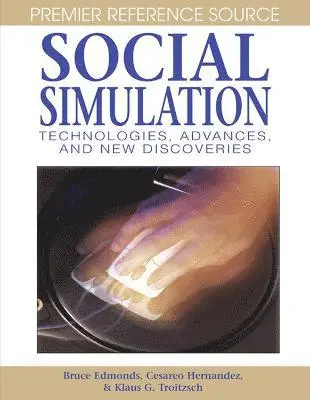
Social Simulation
Technologies, Advances and New Discoveries
Av Bruce Edmonds, Cesareo Hernandez m. fl.
Inbunden, 2007
2432 kr
Lägg i varukorg
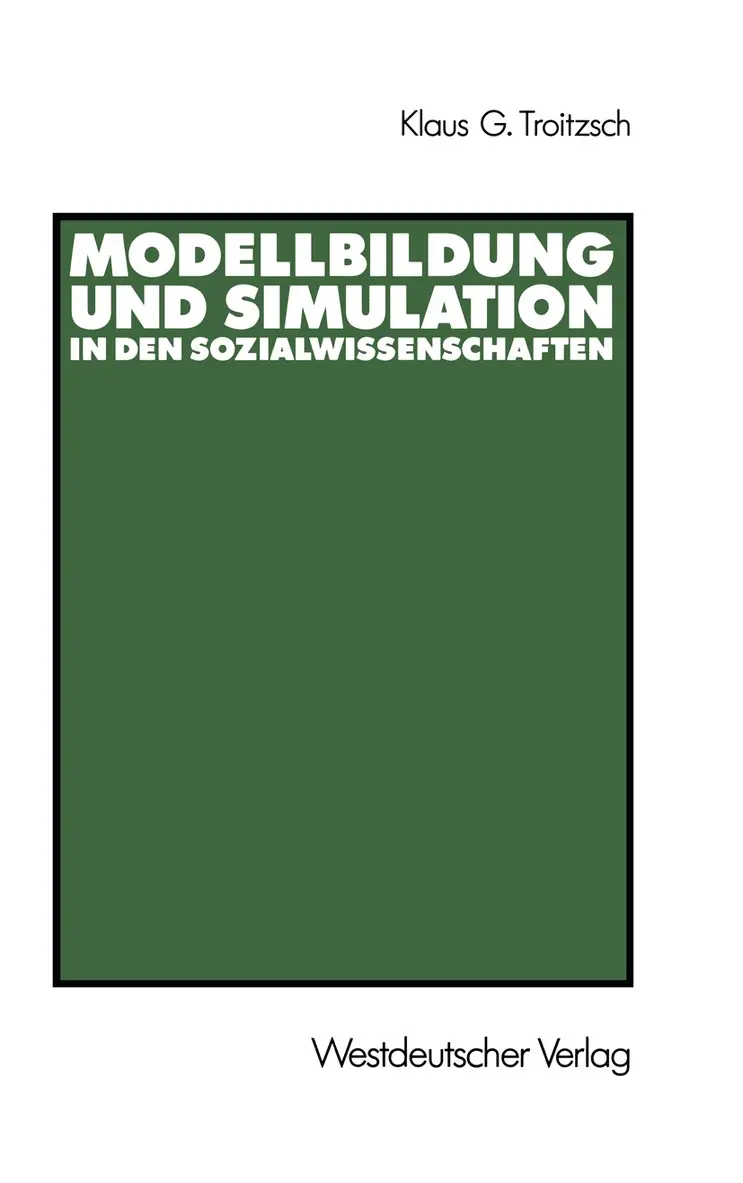
Modellbildung und Simulation in den Sozialwissenschaften
Av Klaus G. Troitzsch, Klaus G. Troitzsch
Häftad, 1990
464 kr
Lägg i varukorg
Das vorliegende Buch ist aus Notizen und Skripten zu einer Vorlesung "Modellbildung und Simulation III den Sozialwissenschaften" hervorgegangen, die ich in der hier dokumentierten Form 1m Sommersemester 1988 zum vierten Male vor Informatik-Studenten mit dem Nebenfach Sozialwissenschaft am …
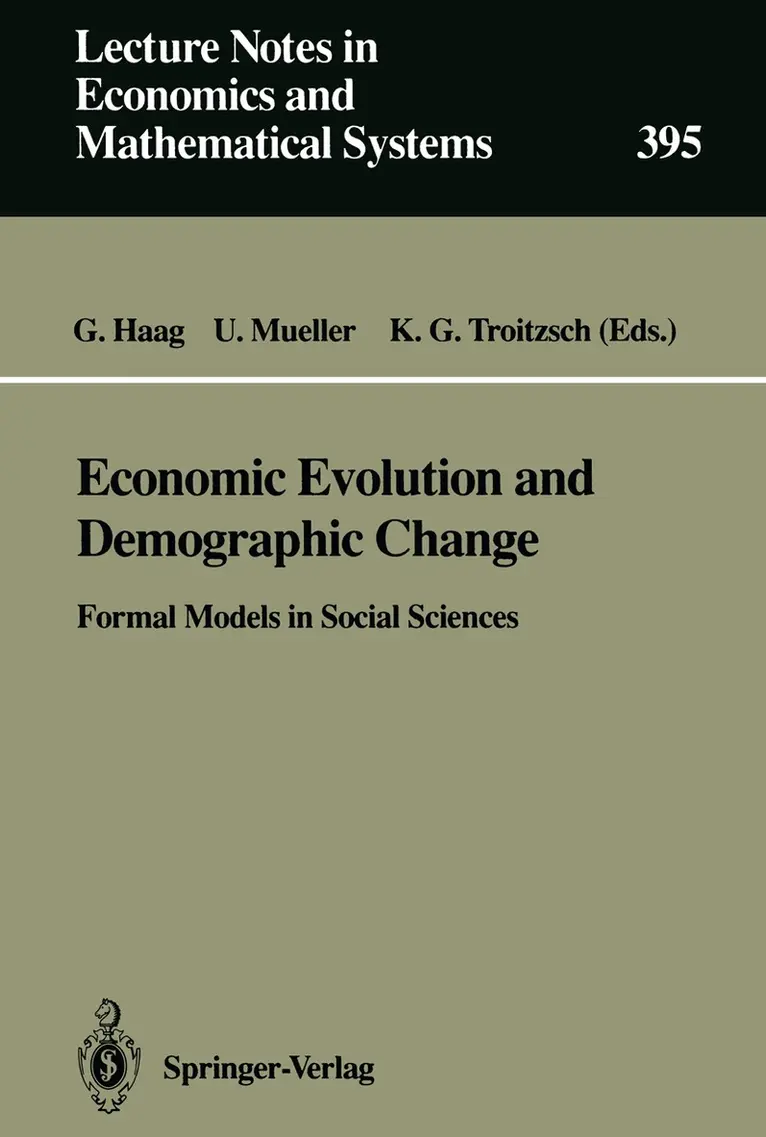
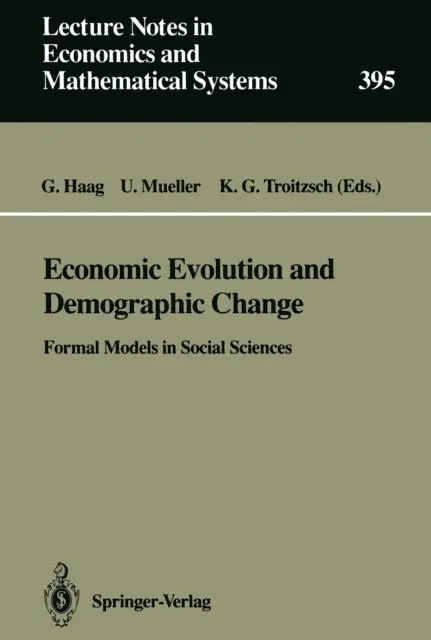
Economic Evolution and Demographic Change
Formal Models in Social Sciences
Av Günter Haag, Ulrich Mueller m. fl.
Häftad, 1992
550 kr
Lägg i varukorg
The articles collected in this volume have two features incommon: they wantto integrate economics, demography andgeography, and they want to overcome the stationary approachin modelling in favour of a dynamic one. The book issubdivided into three parts, where Part I is focussing oneconomic …
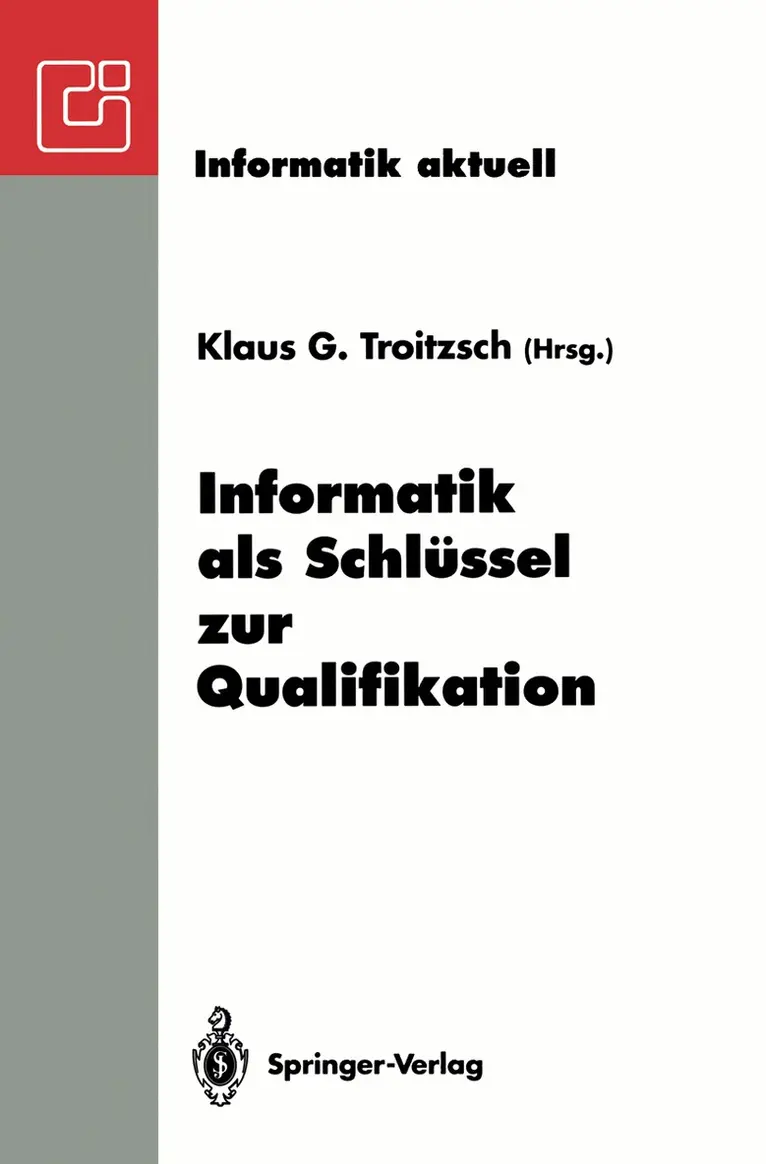
Informatik als Schlüssel zur Qualifikation
GI-Fachtagung „Informatik und Schule 1993“ Koblenz, 11.–13. Oktober 1993
Häftad, 1993
582 kr
Lägg i varukorg
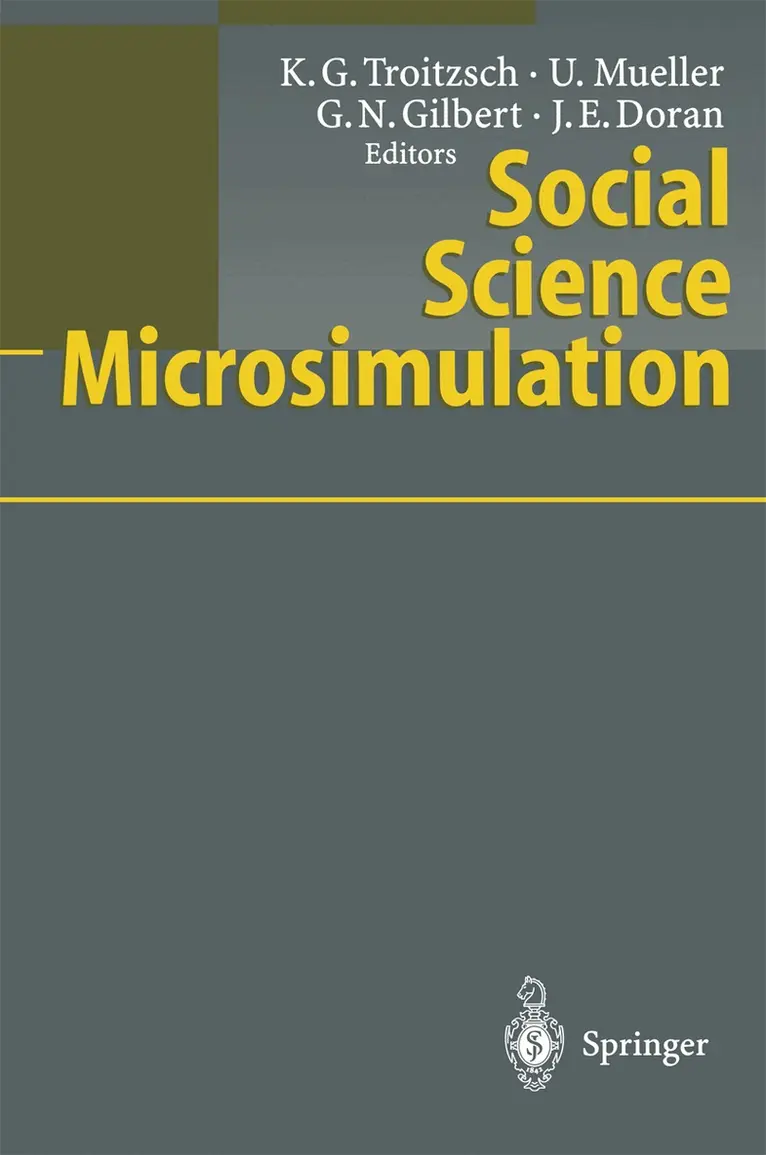
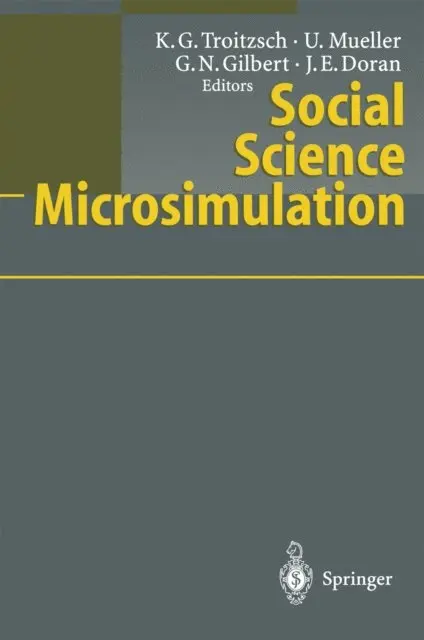
Social Science Microsimulation
Av Klaus G. Troitzsch, Ulrich Mueller m. fl.
Inbunden, 1996
1636 kr
Lägg i varukorg
This book gives an overview of the state of the art in five different approaches to social science simulation on the individual level. The volume contains microanalytical simulation models designed for policy implementation and evaluation, multilevel simulation methods designed for detecting …
Social Science Microsimulation
Av Klaus G. Troitzsch, Ulrich Mueller m. fl.
Häftad, 2010
1679 kr
Lägg i varukorg
This book gives an overview of the state of the art in five different approaches to social science simulation on the individual level. The volume contains microanalytical simulation models designed for policy implementation and evaluation, multilevel simulation methods designed for detecting …
Economic Evolution and Demographic Change
Formal Models in Social Sciences
Av Klaus G. Troitzsch, Ulrich Mueller m. fl.
E-bok, 2012
734 kr
Lägg i varukorg
The articles collected in this volume have two features incommon: they wantto integrate economics, demography andgeography, and they want to overcome the stationary approachin modelling in favour of a dynamic one. The book issubdivided into three parts, where Part I is focussing oneconomic …
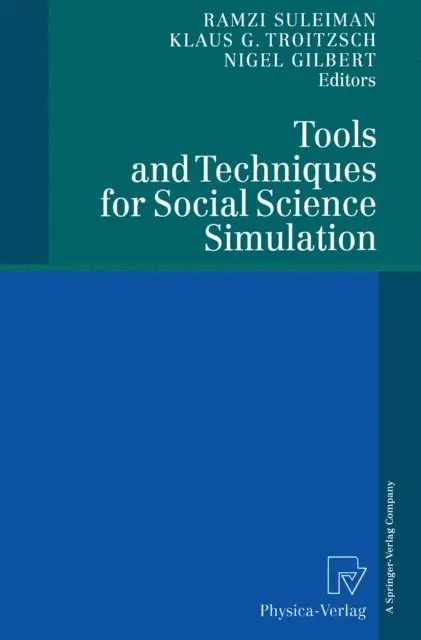
Tools and Techniques for Social Science Simulation
Av Nigel Gilbert, Klaus G. Troitzsch m. fl.
E-bok, 2012
1459 kr
Lägg i varukorg
The use of computer simulations to study social phenomena has grown rapidly during the last few years. Many social scientists from the fields of economics, sociology, psychology and other disciplines now use computer simulations to study a wide range of social phenomena. The availability of …
Informatik als Schlüssel zur Qualifikation
GI-Fachtagung „Informatik und Schule 1993“ Koblenz, 11.–13. Oktober 1993
E-bok, 2013
518 kr
Lägg i varukorg
Social Science Microsimulation
Av Jim E. Doran, Nigel Gilbert m. fl.
E-bok, 2019
2174 kr
Lägg i varukorg
This book gives an overview of the state of the art in five different approaches to social science simulation on the individual level. The volume contains microanalytical simulation models designed for policy implementation and evaluation, multilevel simulation methods designed for detecting …
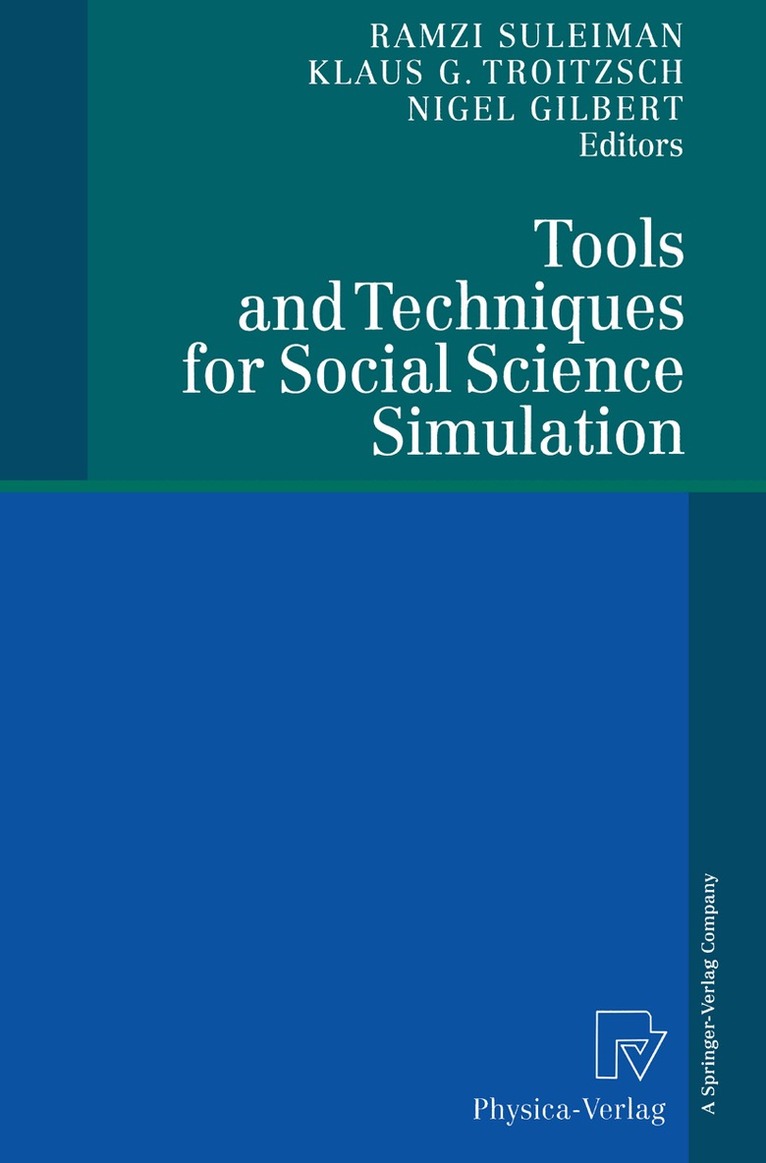
Tools and Techniques for Social Science Simulation
Av Ramzi Suleiman, Klaus G. Troitzsch m. fl.
Häftad, 2000
1093 kr
Lägg i varukorg
The use of computer simulations to study social phenomena has grown rapidly during the last few years. Many social scientists from the fields of economics, sociology, psychology and other disciplines now use computer simulations to study a wide range of social phenomena. The availability of …
Modelling and Simulation in the Social Sciences from the Philosophy of Science Point of View
Av R. Hegselmann, Ulrich Mueller m. fl.
Häftad, 2010
1636 kr
Lägg i varukorg
Model building in the social sciences can increasingly rely on well elaborated formal theories. At the same time inexpensive large computational capacities are now available. Both make computer-based model building and simulation possible in social science, whose central aim is in particular an …
Modelling and Simulation in the Social Sciences from the Philosophy of Science Point of View
Av Klaus G. Troitzsch, Ulrich Mueller m. fl.
E-bok, 2013
2111 kr
Lägg i varukorg
Model building in the social sciences can increasingly rely on well elaborated formal theories. At the same time inexpensive large computational capacities are now available. Both make computer-based model building and simulation possible in social science, whose central aim is in particular an …