Guy Elgat - Böcker
Visar alla böcker från författaren Guy Elgat. Handla med fri frakt och snabb leverans.
3 produkter
3 produkter
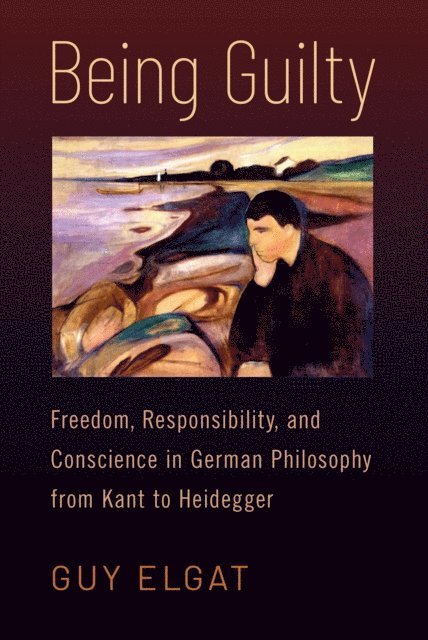
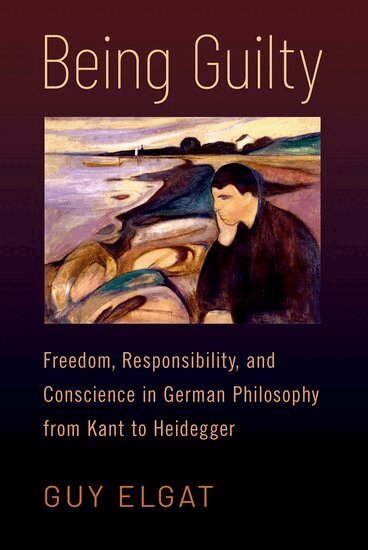
Being Guilty
Freedom, Responsibility, and Conscience in German Philosophy from Kant to Heidegger
Inbunden, Engelska, 2022
1 010 kr
Skickas inom 5-8 vardagar
What can guilt, the painful sting of the bad conscience, tell us about who we are as human beings? How can it be explained or justified? Being Guilty seeks to answer these questions through an examination of the views of Kant, Schelling, Schopenhauer, Paul Rée, Nietzsche, and Heidegger on guilt, freedom, responsibility, and conscience.The concept of guilt has not received sufficient attention from scholars working in the history of German philosophy. What's more, even individual thinkers whose conceptions of guilt have been researched have not been studied fully within their historical contexts. Guy Elgat redresses both these scholarly lacunae to show how these philosophers' arguments can be more deeply grasped once read in their historical context, a history that should be read as proceeding dialectically. Thus, in Kant, Schelling, and Schopenhauer, we find variations on the idea that guilt for specific actions we perform is justified because the human agent is guilty in his very being--a guilt for which he is responsible. In contrast, in Rée and Nietzsche, these ideas are rejected and guilt is seen as rarely justified but rather explainable through human psychology. Finally, in Heidegger, we find a near synthesis of the views of the previous philosophers, as he argues we are guilty in our very being yet are not responsible for this guilt. In the process of unfolding the trajectory of these evolving conceptions of guilt, the philosophers' views on these and many other issues are explored in depth, and through them Elgat articulates an entirely new approach to guilt.
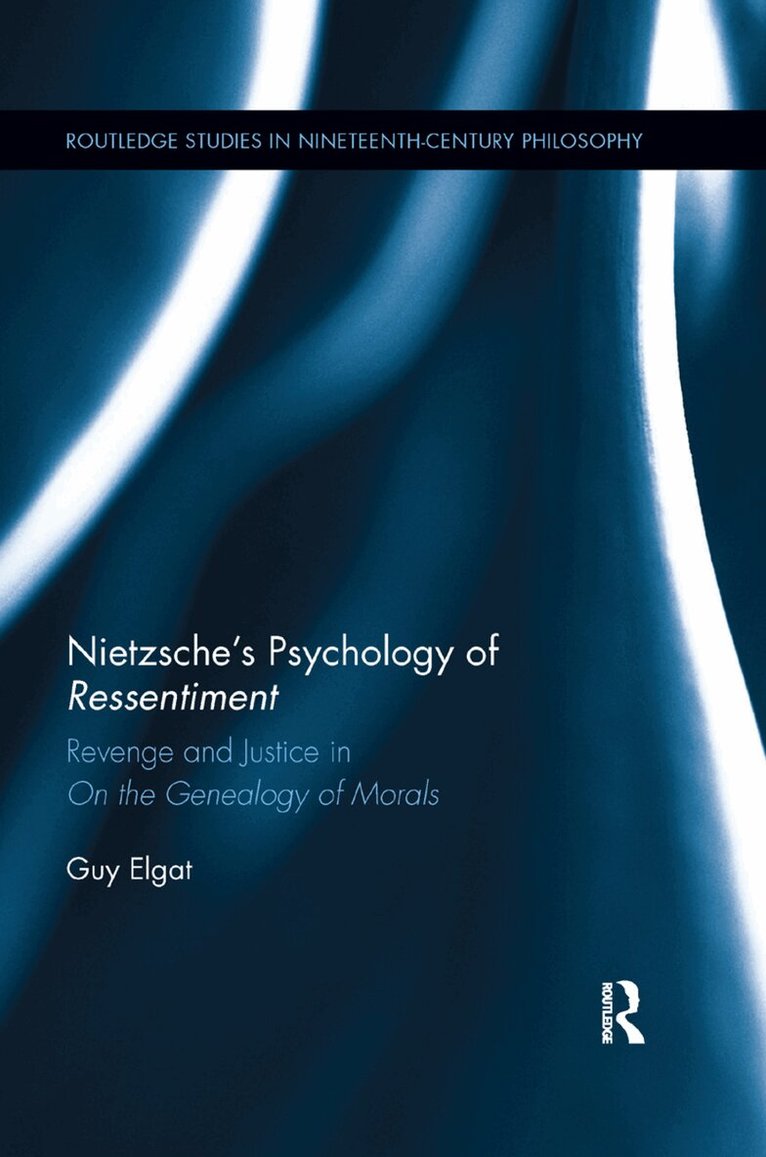
Nietzsche's Psychology of Ressentiment
Revenge and Justice in "On the Genealogy of Morals"
Häftad, Engelska, 2019
659 kr
Skickas inom 10-15 vardagar
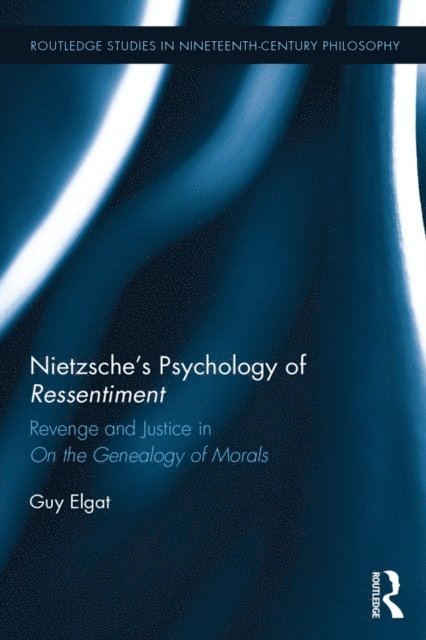
Ressentiment—the hateful desire for revenge—plays a pivotal role in Nietzsche’s On the Genealogy of Morals. Ressentiment explains the formation of bad conscience, guilt, asceticism, and, most importantly, it motivates the "slave revolt" that gives rise to Western morality’s values. Ressentiment, however, has not enjoyed a thorough treatment in the secondary literature. This book brings it sharply into focus and provides the first detailed examination of Nietzsche’s psychology of ressentiment. Unlike other books on the Genealogy, it uses ressentiment as a key to the Genealogy and focuses on the intriguing relationship between ressentiment and justice. It shows how ressentiment, despite its blindness to justice, gives rise to moral justice—the central target of Nietzsche’s critique. This critique notwithstanding, the Genealogy shows Nietzsche’s enduring commitment to the virtue of non-moral justice: a commitment that grounds his provocative view that moral justice spells the ‘end of justice’. The result provides a novel view of Nietzsche's moral psychology in the Genealogy, his critique of morality, and his views on justice.
Nietzsche's Psychology of Ressentiment
Revenge and Justice in "On the Genealogy of Morals"
Inbunden, Engelska, 2017
2 113 kr
Skickas inom 10-15 vardagar
Ressentiment—the hateful desire for revenge—plays a pivotal role in Nietzsche’s On the Genealogy of Morals. Ressentiment explains the formation of bad conscience, guilt, asceticism, and, most importantly, it motivates the "slave revolt" that gives rise to Western morality’s values. Ressentiment, however, has not enjoyed a thorough treatment in the secondary literature. This book brings it sharply into focus and provides the first detailed examination of Nietzsche’s psychology of ressentiment. Unlike other books on the Genealogy, it uses ressentiment as a key to the Genealogy and focuses on the intriguing relationship between ressentiment and justice. It shows how ressentiment, despite its blindness to justice, gives rise to moral justice—the central target of Nietzsche’s critique. This critique notwithstanding, the Genealogy shows Nietzsche’s enduring commitment to the virtue of non-moral justice: a commitment that grounds his provocative view that moral justice spells the ‘end of justice’. The result provides a novel view of Nietzsche's moral psychology in the Genealogy, his critique of morality, and his views on justice.