Gwen Ottinger - Böcker
Visar alla böcker från författaren Gwen Ottinger. Handla med fri frakt och snabb leverans.
5 produkter
5 produkter
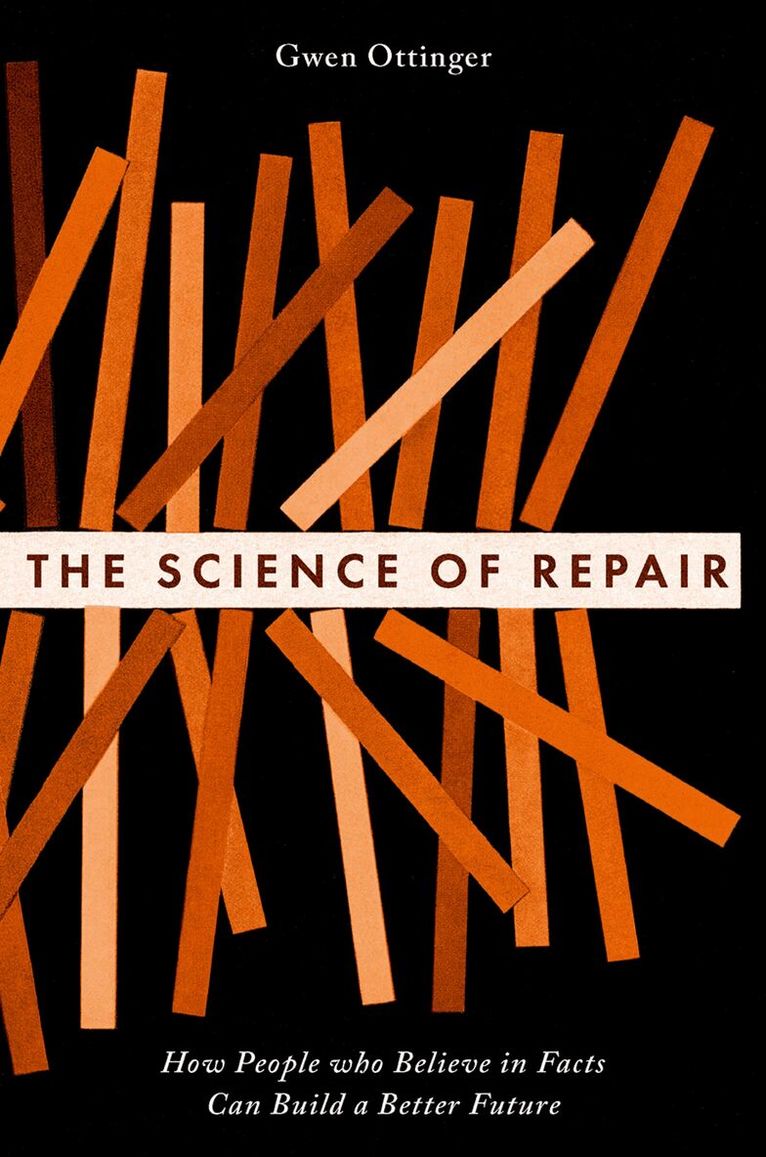
The Science of Repair
How People who Believe in Facts Can Build a Better Future
Inbunden, Engelska, 2026
317 kr
Skickas inom 5-8 vardagar
A transformative account of the role science can play in combatting injustice--by deepening our moral commitments to each other through collaborative investigation. For many people, science and social justice seem to be natural allies-the slogan "science is real" often accompanies affirmations of diversity and reproductive rights. In practice, too, doing science is an increasingly prevalent strategy of social and environmental justice movements. But while it seems apparent that science can aid in the pursuit of justice, it can be hard to explain how it does so-and thus hard to know how to deploy science most strategically.In The Science of Repair, Gwen Ottinger draws on years of on-the-ground research to offer a much-needed explanation of how science works to combat injustice. Telling the stories of ordinary people who've turned to science in the hopes of reducing toxic pollution in their communities, the scientists and innovators who've developed methods to enable communities to better represent their experiences, and the charismatic technologies that they've deployed, Ottinger presents a surprising conclusion: proving that people have been harmed, in itself, rarely advances justice. The process of investigating injustice, on the other hand, can strengthen shared standards for right and wrong, increase ordinary people's ability to hold powerful actors accountable, and bolster hope that wrongs will be redressed-all essential elements of a just society.For those who believe that science should matter to public discourse and decision-making, Gwen Ottinger's engaging new work offers clear steps to help ensure that scientific investigations further justice. It brings much needed nuance to our thinking about how science can do good in the world and why we should defend it.
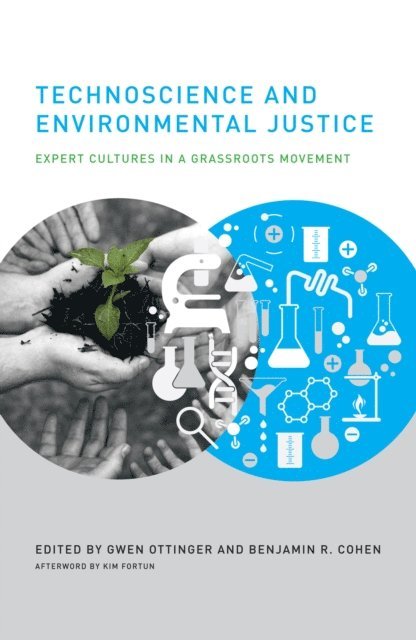
Technoscience and Environmental Justice
Expert Cultures in a Grassroots Movement
Inbunden, Engelska, 2011
107 kr
Tillfälligt slut
Technoscience and Environmental Justice
Expert Cultures in a Grassroots Movement
Häftad, Engelska, 2011
290 kr
Tillfälligt slut
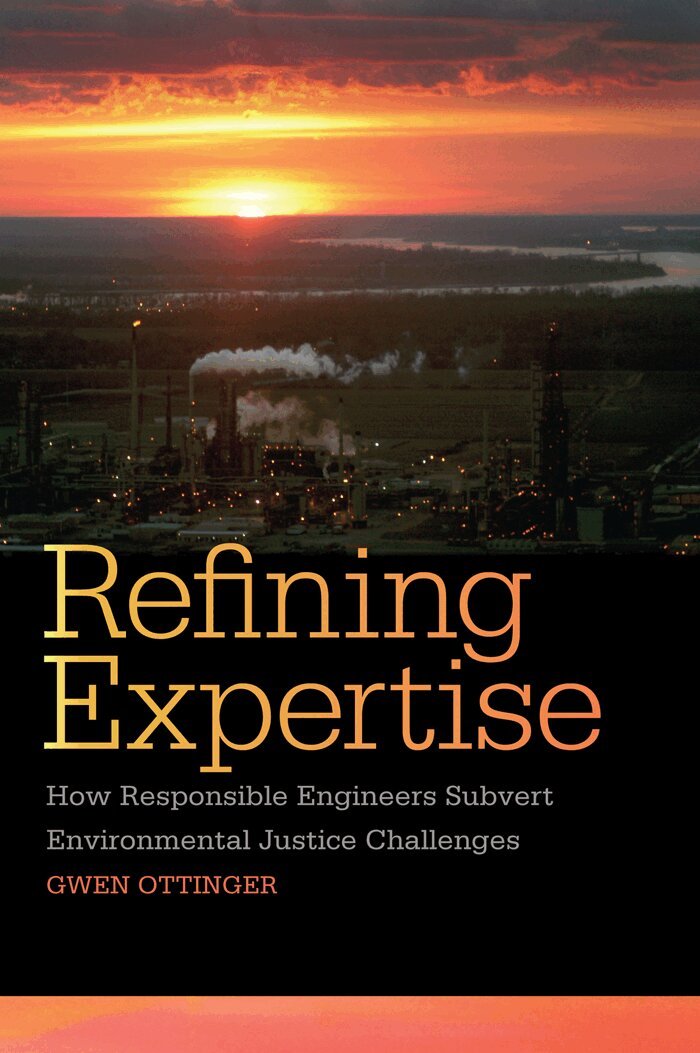
Refining Expertise
How Responsible Engineers Subvert Environmental Justice Challenges
Inbunden, Engelska, 2013
914 kr
Skickas inom 10-15 vardagar
Winner of the 2015 Rachel Carson Prize presented by the Society for Social Studies of ScienceResidents of a small Louisiana town were sure that the oil refinery next door was making them sick. As part of a campaign demanding relocation away from the refinery, they collected scientific data to prove it. Their campaign ended with a settlement agreement that addressed many of their grievances—but not concerns about their health. Yet, instead of continuing to collect data, residents began to let refinery scientists' assertions that their operations did not harm them stand without challenge. What makes a community move so suddenly from actively challenging to apparently accepting experts' authority? Refining Expertise argues that the answer lies in the way that refinery scientists and engineers defined themselves as experts. Rather than claiming to be infallible, they began to portray themselves as responsible—committed to operating safely and to contributing to the well-being of the community. The volume shows that by grounding their claims to responsibility in influential ideas from the larger culture about what makes good citizens, nice communities, and moral companies, refinery scientists made it much harder for residents to challenge their expertise and thus re-established their authority over scientific questions related to the refinery's health and environmental effects.Gwen Ottinger here shows how industrial facilities' current approaches to dealing with concerned communities—approaches which leave much room for negotiation while shielding industry's environmental and health claims fromcritique—effectively undermine not only individual grassroots campaigns but also environmental justice activism and far-reaching efforts to democratize science. This work drives home the need for both activists and politically engaged scholars to reconfigure their own activities in response, in order to advance community health and robust scientific knowledge about it.
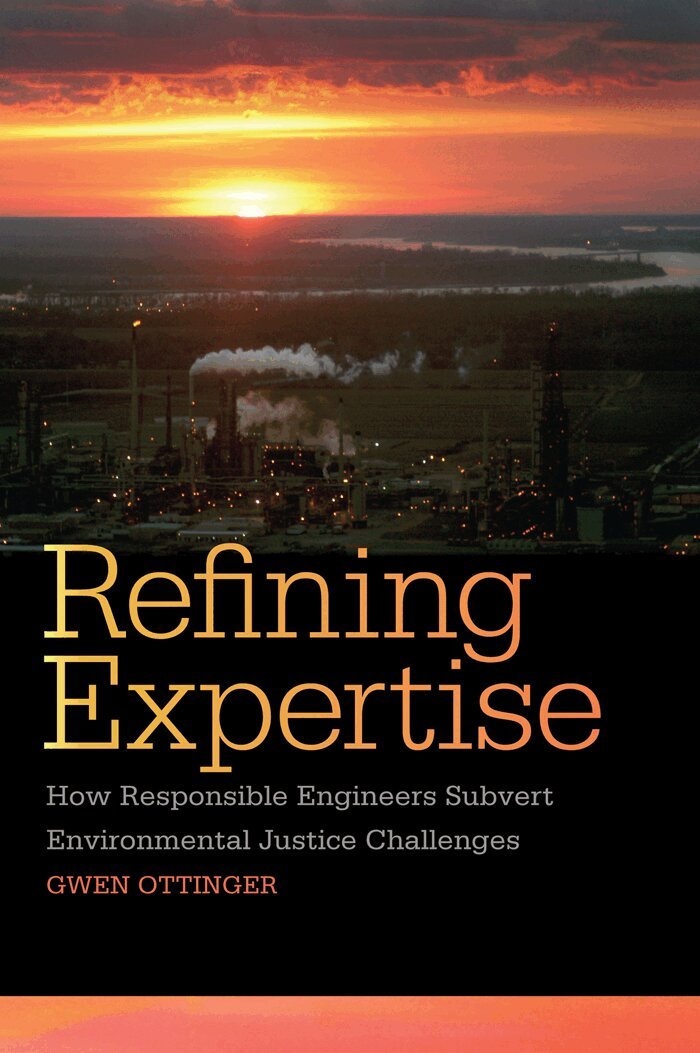
Refining Expertise
How Responsible Engineers Subvert Environmental Justice Challenges
Häftad, Engelska, 2013
362 kr
Skickas inom 7-10 vardagar
Winner of the 2015 Rachel Carson Prize presented by the Society for Social Studies of ScienceResidents of a small Louisiana town were sure that the oil refinery next door was making them sick. As part of a campaign demanding relocation away from the refinery, they collected scientific data to prove it. Their campaign ended with a settlement agreement that addressed many of their grievances—but not concerns about their health. Yet, instead of continuing to collect data, residents began to let refinery scientists' assertions that their operations did not harm them stand without challenge. What makes a community move so suddenly from actively challenging to apparently accepting experts' authority? Refining Expertise argues that the answer lies in the way that refinery scientists and engineers defined themselves as experts. Rather than claiming to be infallible, they began to portray themselves as responsible—committed to operating safely and to contributing to the well-being of the community. The volume shows that by grounding their claims to responsibility in influential ideas from the larger culture about what makes good citizens, nice communities, and moral companies, refinery scientists made it much harder for residents to challenge their expertise and thus re-established their authority over scientific questions related to the refinery's health and environmental effects.Gwen Ottinger here shows how industrial facilities' current approaches to dealing with concerned communities—approaches which leave much room for negotiation while shielding industry's environmental and health claims fromcritique—effectively undermine not only individual grassroots campaigns but also environmental justice activism and far-reaching efforts to democratize science. This work drives home the need for both activists and politically engaged scholars to reconfigure their own activities in response, in order to advance community health and robust scientific knowledge about it.