Gwendolyn Battle Lavert – författare
438 kr
Läs direkt efter köp
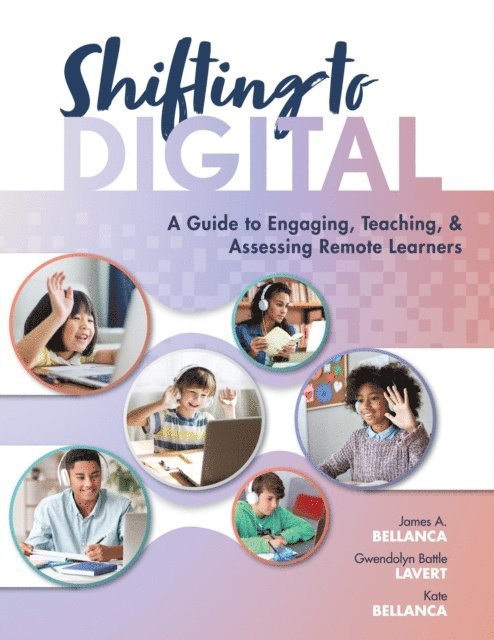
Rely on Shifting to Digital to deliver clear and concise answers to all of your remote teaching questions. This comprehensive guide provides specific strategies for planning high-engagement instruction, handling technology, assessing collaboration and assignments, and more. You''ll also gain access to a helpful list of digital tools, along with online-specific lessons and projects for various subjects.
Learn how to engage and manage multiple students online at one time.Create effective lesson plans that incorporate synchronous and asynchronous instruction based on best-practice cooperative learning and project-based learning.Gauge students'' executive function and increase their self-direction--a crucial part of online learning.Understand how to best teach and support English learners and students with special needs.Plan communications for students, parents, and guardians that address technology procedures, expectations, and privacy.Contents:IntroductionChapter 1: TechnologyChapter 2: Instructional PlanningChapter 3: Document HandlingChapter 4: Mindful EngagementChapter 5: Positive Interaction and Social-Emotional LearningChapter 6: FeedbackChapter 7: AssessmentChapter 8: Students With Special NeedsChapter 9: Communication With Parents and GuardiansEpilogue Appendix: Distance Learning Lesson and Project DesignsReferences and ResourcesIndex
474 kr
Läs direkt efter köp
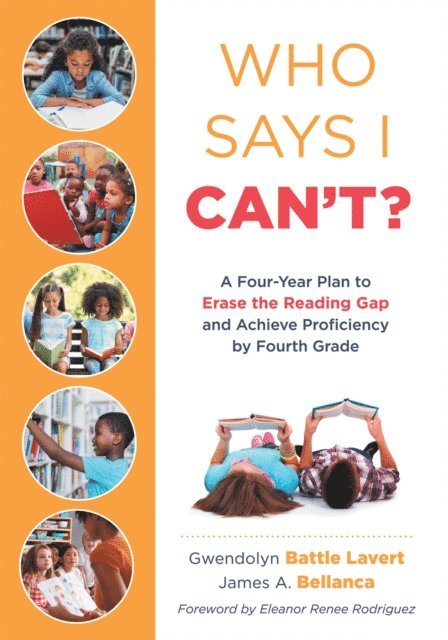
Eliminating the reading achievement gap is essential for long-term school success. In Who Says I Can’t?, the authors explain how to close the third-grade reading gap for marginalized students. They supply educators with research, strategies, structure, and support necessary to revise current practices so that all children, regardless of ethnic, racial, or socioeconomic deterrents, will read for meaning before grade 4.
K–4 educators can use this book to: Learn current research on the third-grade reading gap and why it mattersUnderstand the importance of teaching phonics and phonemics in the early gradesExplore how to expand vocabulary for students below target levelsGuide students on forming meaning in cognitive and metacognitive waysProvide reading material with diverse characters to encourage investment and belongingContents:ForewordIntroduction: A Necessary PathwayChapter 1: Engage With the Learning-to-Read ChallengeChapter 2: Acknowledge That Yes, It Is About the BrainChapter 3: Make Meaning VisibleChapter 4: Use the Reciprocal Teacher’s PlaybookChapter 5: Hear It First With Phonemics and Ensure MasteryChapter 6: Make the Phonics ConnectionChapter 7: Use Patterns to Achieve Vocabulary FluencyChapter 8: Learn to Read for MeaningChapter 9: Prioritize EquityEpilogue: A Dream RevisitedAppendix: Lesson Design Templates and Further ReadingReferences and ResourcesIndex