H. Ott - Böcker
Visar alla böcker från författaren H. Ott. Handla med fri frakt och snabb leverans.
7 produkter
7 produkter
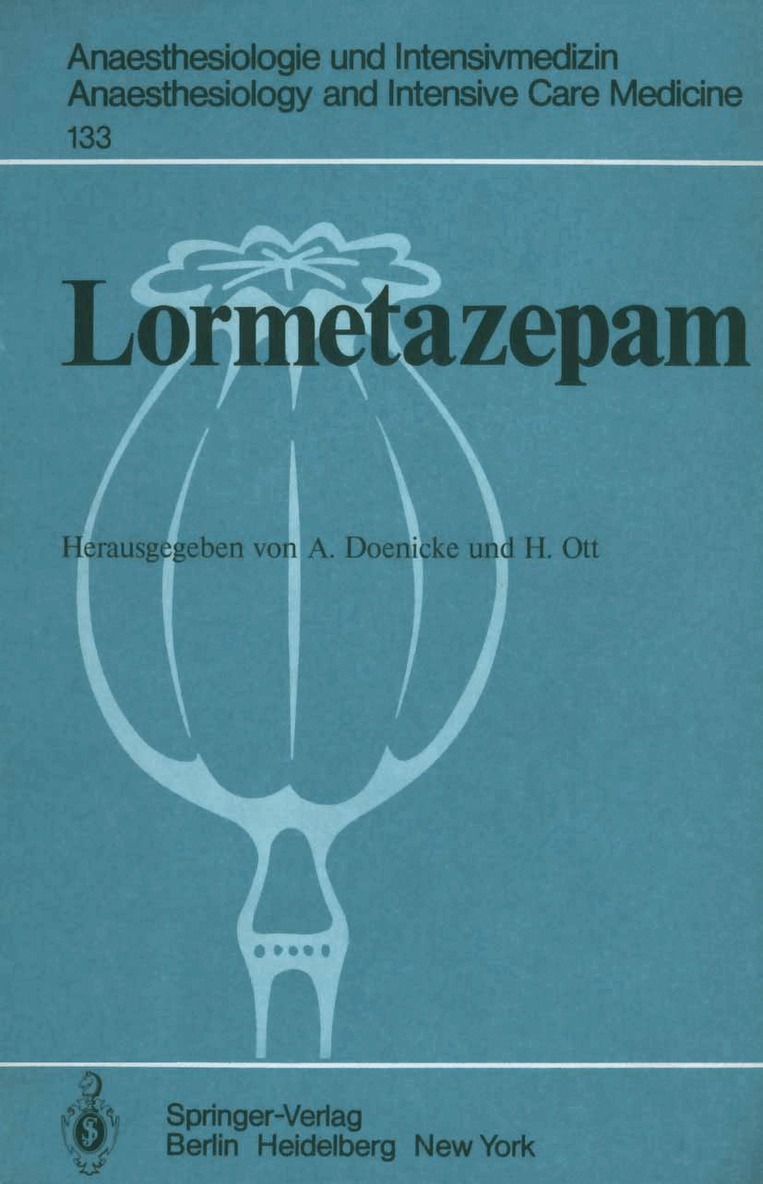
Lormetazepam
Experimentelle und klinische Erfahrungen mit einem neuen Benzodiazepin zur oralen und intravenösen Anwendung
Häftad, Tyska, 1980
565 kr
Skickas inom 10-15 vardagar
Sleep, Benzodiazepines and Performance
Experimental Methodologies and Research Prospects
Häftad, Engelska, 2011
1 093 kr
Skickas inom 10-15 vardagar
The following papers were presented at an International Workshop on experi mental methodologies and research strategies in sleep, benzodiazepines and per formance during the VII. International Congress of Psychiatry in Vienna 1983. Authors were asked to examine and review the methods used and the results obtained from the various studies within their particular expertise and to provide guidelines for future strategies in the psychopharmacology of sleep. It has long been felt by sleep researchers, psychopharmacologists and clini cians that the effects of drugs on sleep or even sleep itself cannot be evaluated without reference to the daytime behaviour of the individual. Sleep and daytime performance are complementary aspects of the same circadian cycle. The modifi cation of sleep parameters by hypnotic medication must necessarily have an impact upon daytime behaviour. The overall change in a patient's daytime behaviour following nocturnal administration of a benzodiazepine is of importance when considering the toler ability and safety of the drug in clinical use. Alterations to the integrity of daytime performance also have consequences for that patient's subsequent sleep and nocturnal behaviour. Thus this workshop was conceived as a platform for examining the inter relationship of sleep, benzodiazepine hypnotics and daytime performance from pharmacological, psychological, experimental and clinical standpoints. The fol lowing papers also highlight the complexity of the interaction between sleep, patient, drug and daytime performance and emphasize the need to approach problem areas with appropriate research strategies and experimental method ologies.
565 kr
Skickas inom 10-15 vardagar
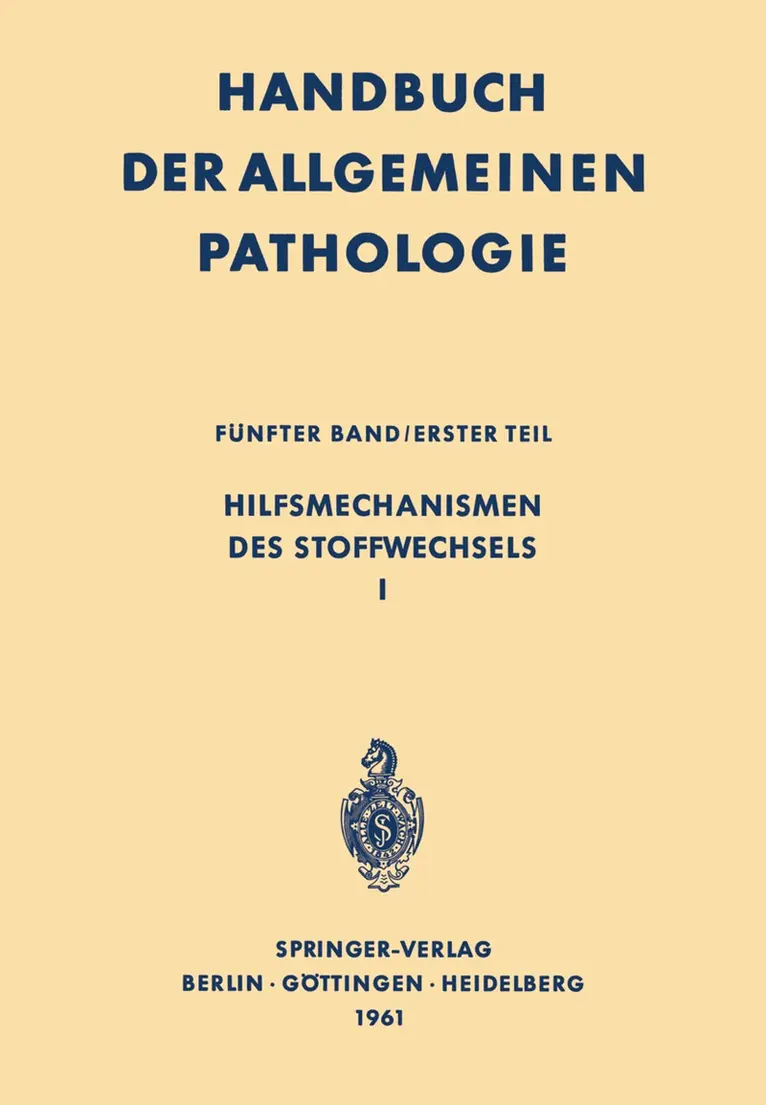
wurden 150-280 mg% genannt). Entsprechend lag auch der Serumcholesterinwert mit 22 mg %, der Serumphosphorlipidwert mit 45 mg % und der Gesamtlipidwert mit 80 mg% extrem niedrig. Carotinoide konnten überhaupt nicht nachgewiesen werden, und der Vitamin A-Gehalt war mindestens auf 1/ der Norm herabgesetzt. 5 Die Autoren brachten ihre Beobachtung mit der Beschreibung von vier weiteren Fällen von Acanthocytose und Hypocholesterinämie (37-60 mg%) in Zusammenhang, bei welchen zwar auf A-ß-Lipoproteidämie nicht untersucht worden war, die aber durch die große Ähnlichkeit der Symptome als gleiche Krankheit imponierten. Bei allen vier Personen war Konsanguinität bei Eltern oder Großeltern vorhanden. Von größter Bedeutung waren Verlaufsbeobach tungen über mehrere Jahre!, welche Schlüsse auf die Entwicklung, also auch auf die Folgen des ß-Lipoproteidmangels, erlaubten. Alle Kranken, auch der von SALT beobachtete Fall, zeigten cöliakieähnliche Symptome: Durchfallperioden, Fett stühle und röntgenologisch weite Dünndarmlumina. Die älteren Patienten litten an einer atypischen Retinitis pigmentosa und an einer Ataxie vom Typ Friedreich 2. Bei einem vom 13. bis 19. Lebensjahr beobachteten Knaben entwickelte sich in 3 dieser Zeit die Retinitis, und es verstärkten sich die neurologischen Symptome • Daraus ergab sich der naheliegende Schluß, daß die Progredienz des Leidens ihre Ursache in einem durch Transport- bzw. Vehikelinsuffizienz fortwirkenden spezifisch lokalisierten Mangelzustand haben kann. Ob der Mangel an Blut lipiden oder an in Lipiden gelösten Vitaminen und Wirkstoffen (etwa Vitamin A oder Carotinoid) bedeutungsvoller ist, das kann noch nicht näher bestimmt werden.
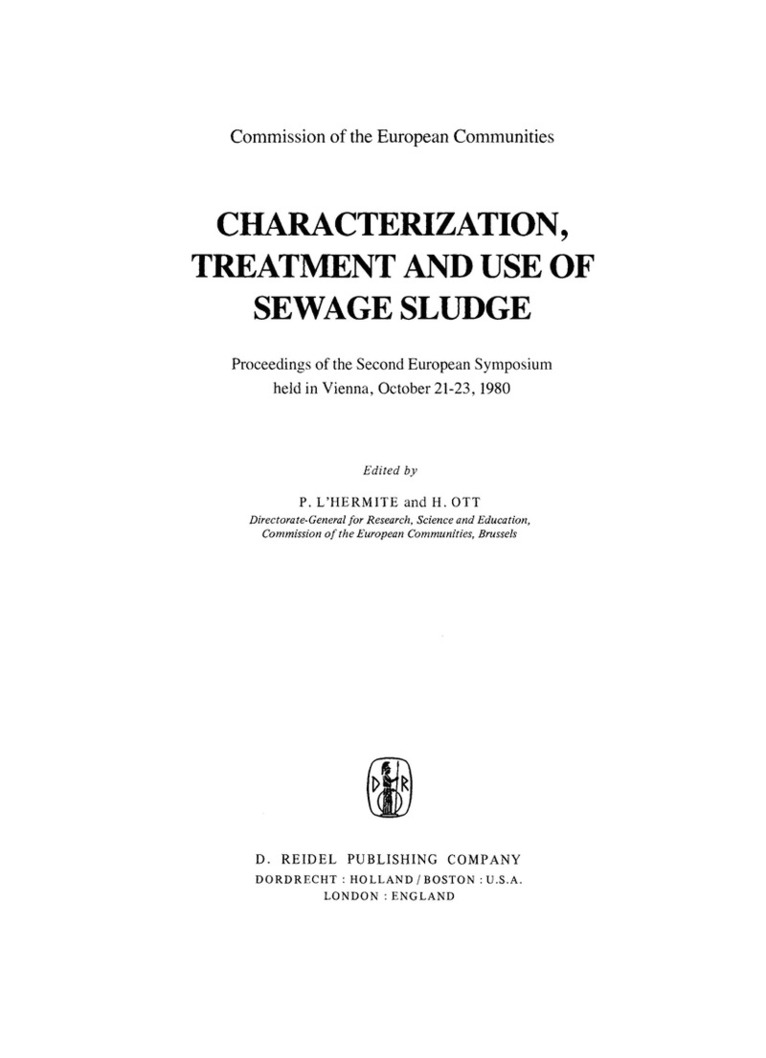
Characterization, Treatment and Use of Sewage Sludge
Proceedings of the Second European Symposium held in Vienna, October 21–23, 1980
Inbunden, Engelska, 1981
2 116 kr
Skickas inom 10-15 vardagar
The object of sludge characterization must be to get quantitative mea- sures for sludge behaviour in treatment processes and when disposed of. Thus the incentive for characterization could be one of the following: 1. Because sludges exist in large quantities we want to know the amounts and the expenees involved in their treatment and disposal. 2. Because sludges are environmental nuicances/hazards, energy sourc:-es, fertilizers or even food sources; we want to know their potential. 3. Because the processes change the sludge propert~es, we w~nt to know their "treatability". 4. 5ecause sludges have a history, we want to know how the generation process affects the quantities and the properties of raw sludge. Parallel to the characterization of the sludges runs characterization of the sludge treatment-processes and the environment in which we dispose of the sludge. In the following discussion we will group parameters related to sludges into three cathegories: 1. Sludge Quantity. Both total ~nd per capita sludge production data from all connnon sewage and sludge treatment methods are of "interest. 2. Treatability parameters.These are characteristics of how a sludge behaves in a specific process. Typically; dewaterability and digesta- bility. 3. Sludge quality parameters. These are indicators of how the sludge could influence the environment when disposed of. Sludge quality changes through most sludge treatment processes (stabilization, ther- mal etc.) and include concentrations of chemical compounds, pathogenes etc.
2 116 kr
Skickas inom 10-15 vardagar
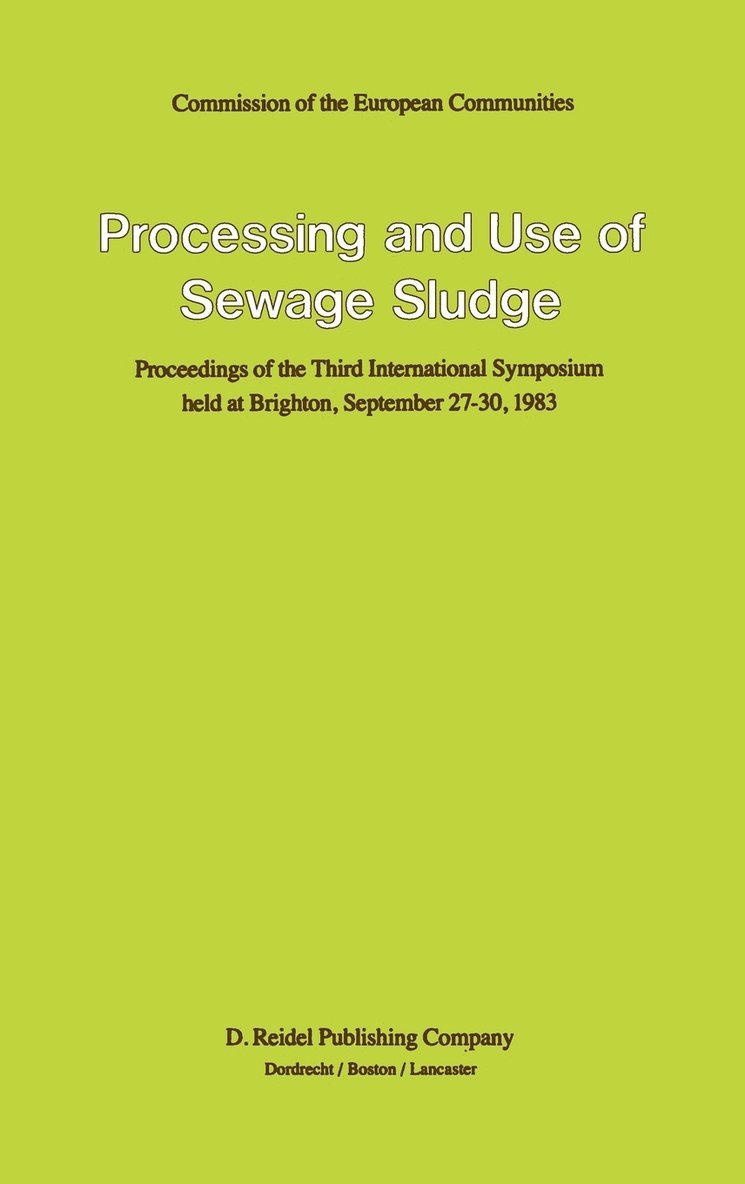
Proceedings of the Third International Symposium held at Brighton, September 27-30, 1983
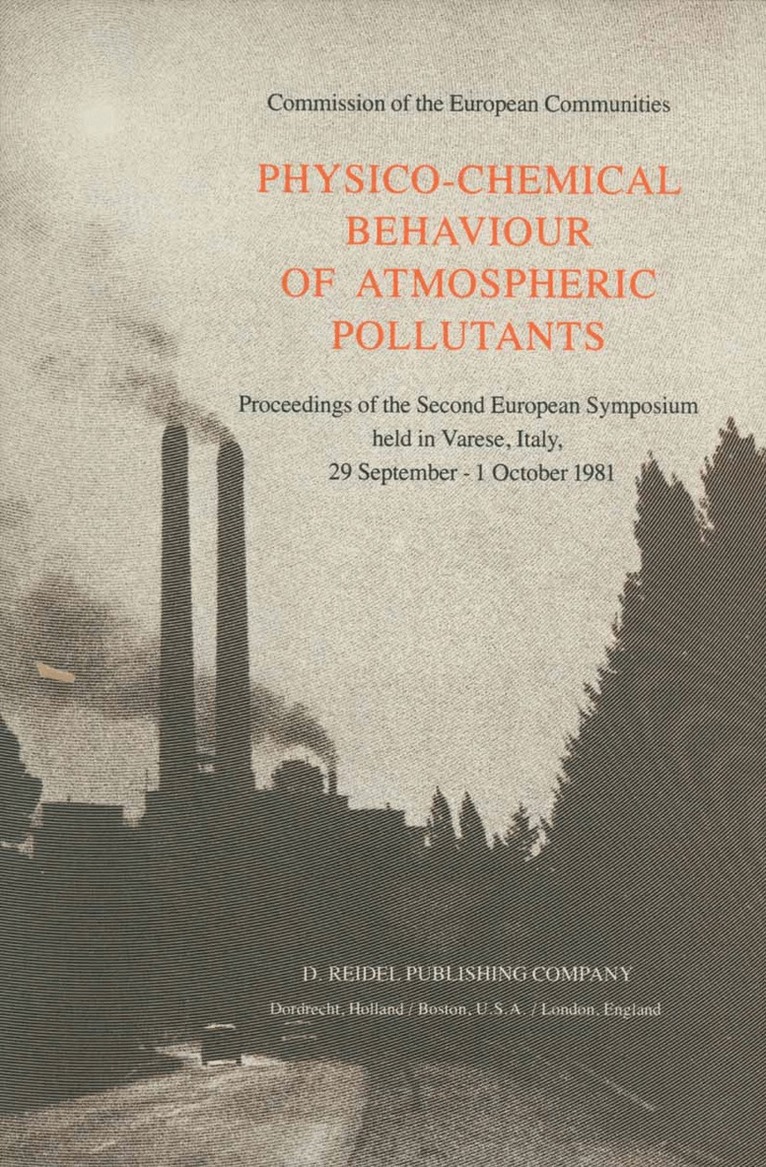
Physico-Chemical Behaviour of Atmospheric Pollutants
Proceedings of the Second European Symposium held in Varese, Italy, 29 September – 1 October 1981
Häftad, Engelska, 2012
534 kr
Skickas inom 10-15 vardagar
In this volume, the Camnission of the Eurc.pean camunities presents the proceedissJs of the secood Eurc.pean Synpositun en the physioo-chemical behaviour of atIoospheric pollutants. '!bese Symposia are organized in intervals of about t'110 years wi thin the framework of a Concerted Action in this area, which is part of the CCIIlIlIll1ities' research progranure in the environmental field. '!be Eurc.pean CCIIlIlIll1ities co-operate in this area wi th Eurc.pean Non-Member States under an agreement within the frame'llOrk of coor (~ration Scientifique et Technique). This Jlgreement (COOT Project 61a bis) has been signed by the European Communities, Austria, Switzerland, Sweden and Yugoslavia. 'lbe scc.pe of the Concerted Actien is to co-onHnate all research in the area executed in the participatissJ countries and to collect and dissemi- nate the results. The research inventory established comprises 165 individual projects~ regular meetings of 5 WorkissJ Parties permit close contacts amossJst the scientists involved. 'lbe Eurc.pean Syrrposia should pennit fran time to time an overall review of the progress.'lbe first Symposium held in October 1979 *) permitted to review the state of progress at the beginning of the Concerted Actien. The second Symposium gives now an overview of the important achievements durissJ the past two years. These are evident already fran the number of contri- butions which increased from 45 in 1979 to 74 in 1981. The results collected durissJ this per iod permi tted the presentation of a number of important review papers.
Characterization, Treatment and Use of Sewage Sludge
Proceedings of the Second European Symposium held in Vienna, October 21–23, 1980
Häftad, Engelska, 2011
2 116 kr
Skickas inom 10-15 vardagar
The object of sludge characterization must be to get quantitative mea- sures for sludge behaviour in treatment processes and when disposed of. Thus the incentive for characterization could be one of the following: 1. Because sludges exist in large quantities we want to know the amounts and the expenees involved in their treatment and disposal. 2. Because sludges are environmental nuicances/hazards, energy sourc:-es, fertilizers or even food sources; we want to know their potential. 3. Because the processes change the sludge propert~es, we w~nt to know their "treatability". 4. 5ecause sludges have a history, we want to know how the generation process affects the quantities and the properties of raw sludge. Parallel to the characterization of the sludges runs characterization of the sludge treatment-processes and the environment in which we dispose of the sludge. In the following discussion we will group parameters related to sludges into three cathegories: 1. Sludge Quantity. Both total ~nd per capita sludge production data from all connnon sewage and sludge treatment methods are of "interest. 2. Treatability parameters.These are characteristics of how a sludge behaves in a specific process. Typically; dewaterability and digesta- bility. 3. Sludge quality parameters. These are indicators of how the sludge could influence the environment when disposed of. Sludge quality changes through most sludge treatment processes (stabilization, ther- mal etc.) and include concentrations of chemical compounds, pathogenes etc.