Hafiz – författare
Visar alla böcker från författaren Hafiz. Handla med fri frakt och snabb leverans.
35 produkter
Drunk on the Wine of the Beloved: 100 Poems of Hafiz
Av Hafiz
Häftad, 2001
205 kr
Lägg i varukorg
The Persian Sufi poet Hafiz (1326–1390) is a towering figure in Islamic literature—and in spiritual attainment as well. Known for his profound mystical wisdom combined with a sublime sensuousness, Hafiz was the supreme master of a poetic form known as the ghazal (pronounced "guzzle"), an ode or …
Hafiz & the Lover Divine
Av Hafiz
E-bok, 2026
78 kr
Lägg i varukorg
Hafiz has been called "e;the master of the erotic ghazal,"e; and much of the sexuality in his work is homoerotic. Hafiz' ghazals are infused with same-sex mysticism that startles many Western minds because of the expression of male-male love as not only approaching but actually reaching a …
Hafiz
The Mystic Poets
Av Hafiz
Häftad, 2004
237 kr
Lägg i varukorg
Discover How Hafiz's Spiritual Life and Vision Can Enlighten Your OwnHafiz is known throughout the world as Persia’s greatest poet, with sales of his poems in Iran today only surpassed by those of the Qur’an itself. His probing and joyful verse speaks to people from all backgrounds who long to …
The Singer of Shiraz: A RADIO MUSICAL ? DRAMA on the Life of Persia's Immortal Poet Hafiz of Shiraz
Av Paul Smith, Hafiz
Häftad
281 kr
Lägg i varukorg
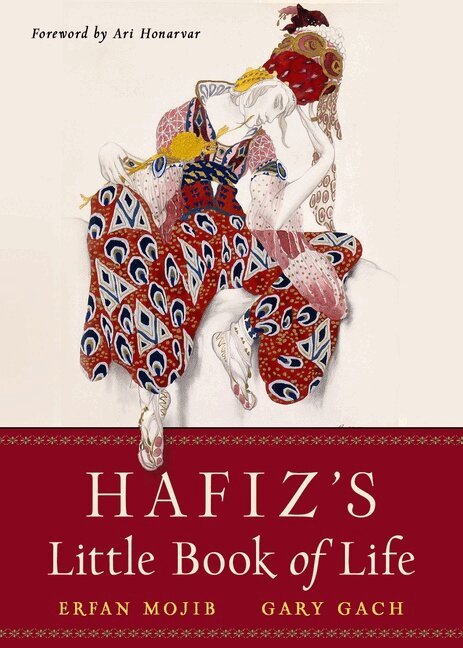
Hafiz's Little Book of Life
Av Hafiz
Häftad, 2023
203 kr
Lägg i varukorg
Silver Winner, Focused Topic-Translation, Nautilus Book Awards“Delicate and tough, a crafted danger, full of wit as well as abandon, Hafiz’s lyric is one of the rare mysteries of world literature.”—Coleman Barks, author and translator of The Essential Rumi I have this gem and it’s looking for a …
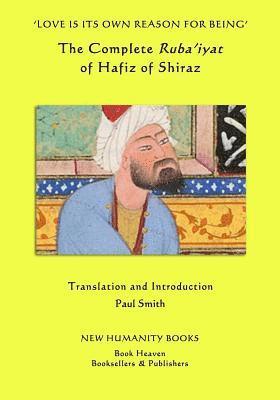
'Love is its own Reason for Being'
The Complete Ruba?iyat of Hafiz of Shiraz
Av Hafiz
Häftad, 2018
301 kr
Lägg i varukorg
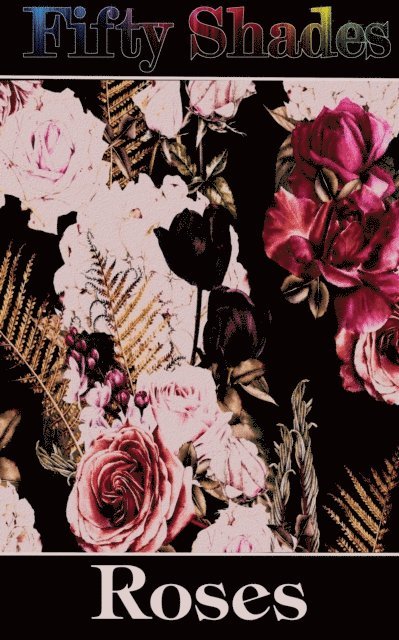
Fifty Shades of Roses
Av Hafiz, Robert Herrick m. fl.
E-bok, 2023
48 kr
Lägg i varukorg
There are many things we can perhaps more easily say with flowers than with words. And flowers can say many things to us. So perhaps these poetic expressions of spoken words and flowery subject are a perfect match. Many would agree that there is one flower, the rose, that embodies both the human …
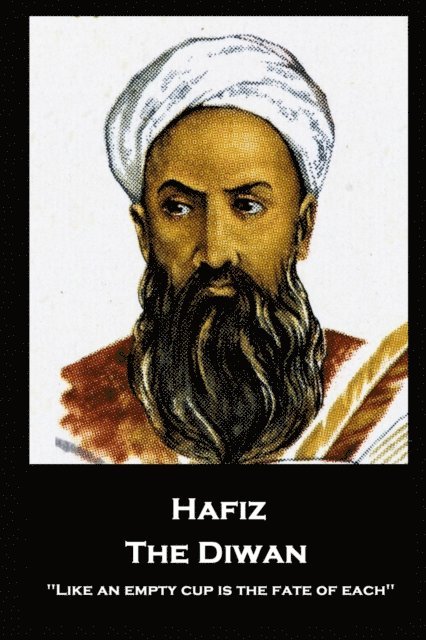
Hafiz - The Diwan: ''Like an empty cup is the fate of each''
''Like an empty cup is the fate of each''''
Av Hafiz
Häftad, 2020
228 kr
Lägg i varukorg
Khwāja Shams-ud-Dīn Muḥammad Ḥāfeẓ-e Shīrāzī is commonly known to us as Hafiz, the Persian poet who was born in Shiraz, Iran in either 1315 or 1317. The facts of much of his early life are unknown to us but it is said that, at an early age, he memorised many passages of the Quran and was therefore …
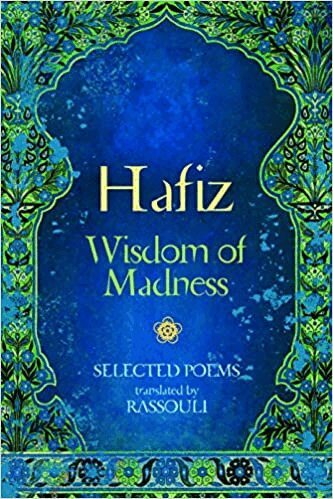
Hafiz: Wisdom of Madness
Selected Poems
Av Hafiz
Häftad, 2019
219 kr
Lägg i varukorg
Hafiz (1315-1390) was a Persian poet who "lauded the joys of love and wine but, also, targeted religious hypocrisy". His collected works, the Divan being the most well-known, are regarded as a pinnacle of Persian literature and are often found in the homes of people in the Persian speaking world, …
Green Sea of Heaven
Eighty Ghazals from the Diwan of Hafiz
Av Hafiz
Häftad, 2025
284 kr
Lägg i varukorg
Authoritative edition of Hafizs most important poems, including original Persian and brilliant English translations Recent translations of Hafiz have been controversial. Omid Safi, an Islamic studies scholar at Duke, notes that there are so many fake translations of Hafiz floating around, …
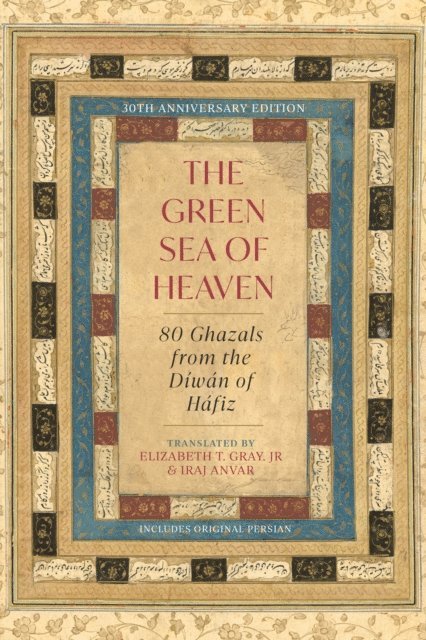
Green Sea of Heaven
Eighty Ghazals from the Diwan of Hafiz
Av Hafiz
E-bok, 2024
516 kr
Lägg i varukorg
Authoritative edition of Hafiz’s most important poems, including original Persian and brilliant English translations Recent translations of Hafiz have been controversial. Omid Safi, an Islamic studies scholar at Duke, notes that “there are so many fake translations of Hafiz floating around, …
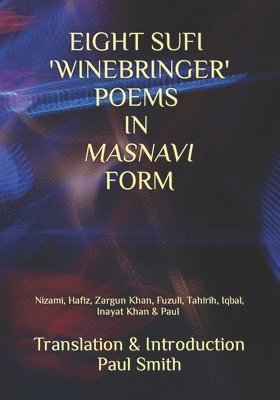
Eight Sufi 'Winebringer' Poems in Masnavi Form
Av Hafiz, Zargun Khan m. fl.
Häftad, 2017
259 kr
Lägg i varukorg