Hagen Koo – författare
Visar alla böcker från författaren Hagen Koo. Handla med fri frakt och snabb leverans.
6 produkter
6 produkter
1 604 kr
Skickas inom 10-15 vardagar
996 kr
Skickas inom 10-15 vardagar
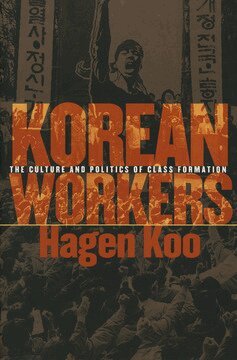
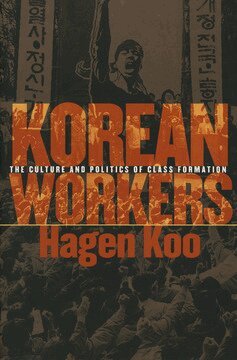
Forty years of rapid industrialization have transformed millions of South Korean peasants and their sons and daughters into urban factory workers. Hagen Koo explores the experiences of this first generation of industrial workers and describes its struggles to improve working conditions in the factory and to search for justice in society.The working class in South Korea was born in a cultural and political environment extremely hostile to its development, Koo says. Korean workers forged their collective identity much more rapidly, however, than did their counterparts in other newly industrialized countries in East Asia. This book investigates how South Korea's once-docile and submissive workers reinvented themselves so quickly into a class with a distinct identity and consciousness.Based on sources ranging from workers' personal writings to union reports to in-depth interviews, this book is a penetrating analysis of the South Korean working-class experience. Koo reveals how culture and politics simultaneously suppressed and facilitated class formation in South Korea. With chapters exploring the roles of women, students, and church organizations in the struggle, the book reflects Koo's broader interest in the social and cultural dimensions of industrial transformation.
338 kr
Skickas inom 10-15 vardagar
251 kr
Skickas
Forty years of rapid industrialization have transformed millions of South Korean peasants and their sons and daughters into urban factory workers. Hagen Koo explores the experiences of this first generation of industrial workers and describes its struggles to improve working conditions in the factory and to search for justice in society.The working class in South Korea was born in a cultural and political environment extremely hostile to its development, Koo says. Korean workers forged their collective identity much more rapidly, however, than did their counterparts in other newly industrialized countries in East Asia. This book investigates how South Korea's once-docile and submissive workers reinvented themselves so quickly into a class with a distinct identity and consciousness.Based on sources ranging from workers' personal writings to union reports to in-depth interviews, this book is a penetrating analysis of the South Korean working-class experience. Koo reveals how culture and politics simultaneously suppressed and facilitated class formation in South Korea. With chapters exploring the roles of women, students, and church organizations in the struggle, the book reflects Koo's broader interest in the social and cultural dimensions of industrial transformation.
1 384 kr
Skickas inom 10-15 vardagar
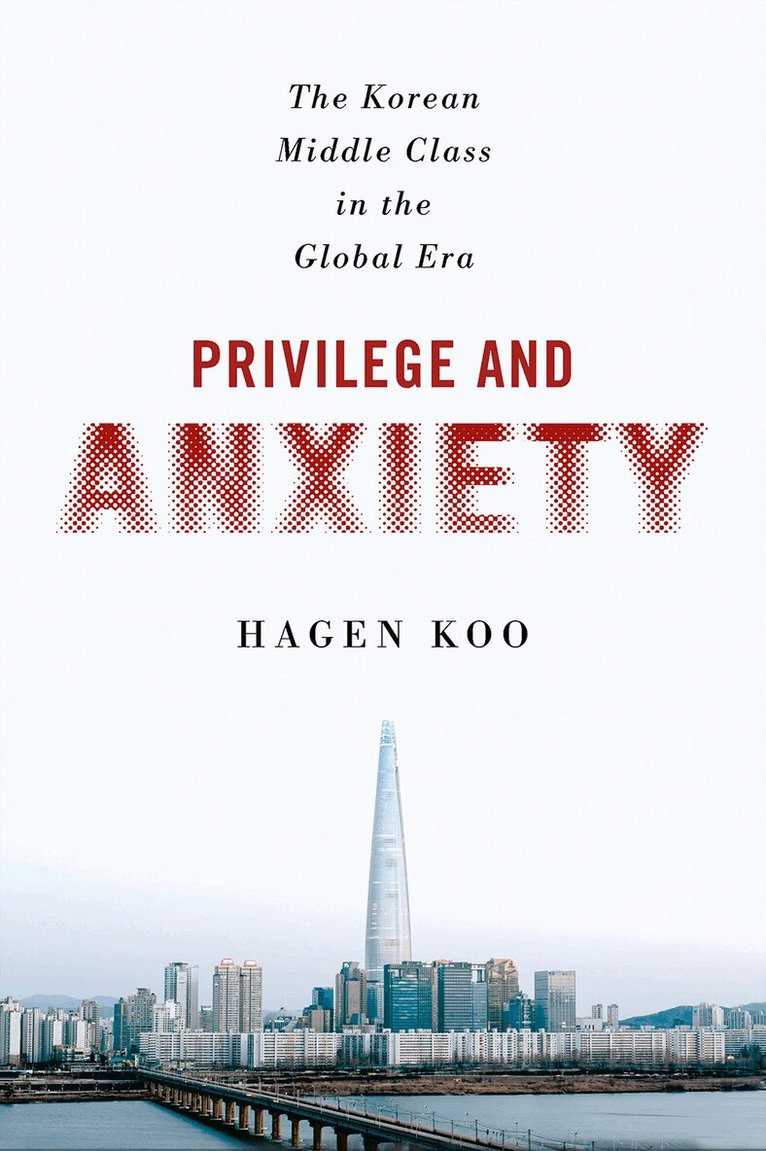
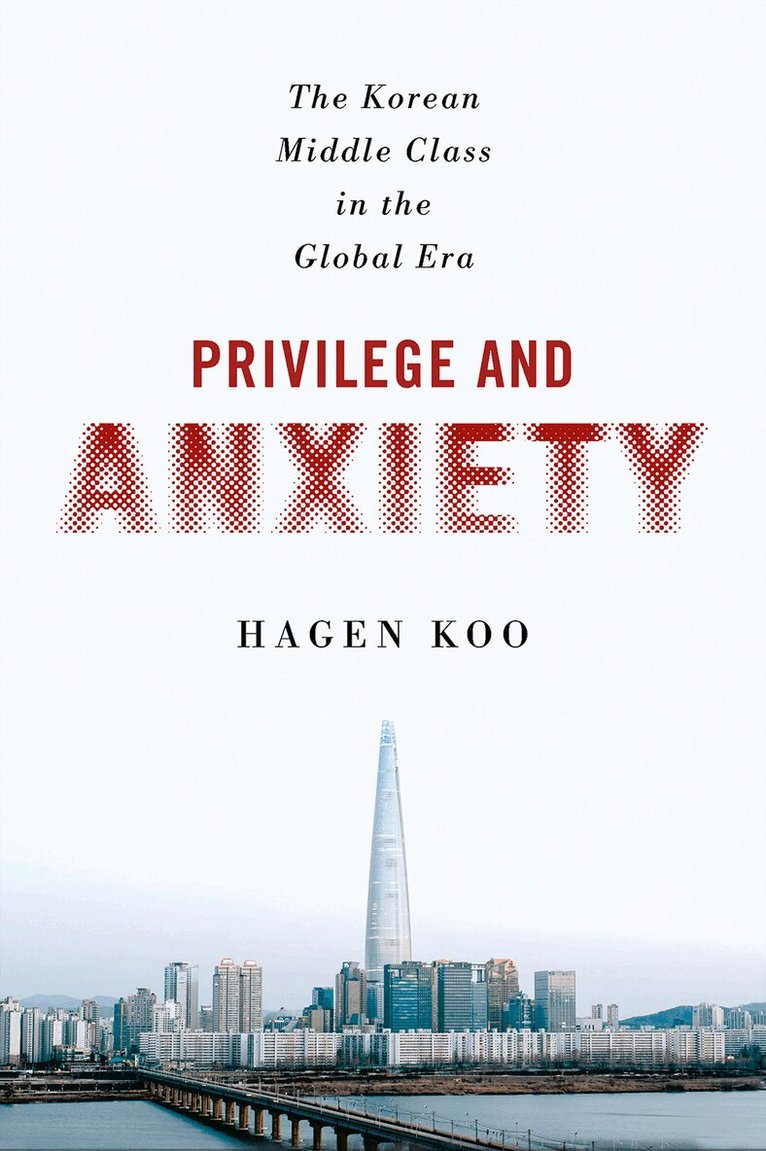
In Privilege and Anxiety, Hagen Koo examines what has happened to the Korean middle class in the era of neoliberal globalization and demonstrates that global economic change brought more profound changes than mere economic decline and shrinking size to this class.Globalization has inserted an axis of polarization into the middle class, separating a small minority that benefits from the globalized economy from the large majority that suffers from it. This internal differentiation generates a challenging dynamic within Korean society, as the newly affluent seek to distinguish themselves from the rest of the middle class to establish a new, privileged class position. Privilege and Anxiety explores how these tensions play out in three areas: consumption and lifestyle, residential differentiation, and education. In all three areas, the dominant orientation of the affluent middle class is to preserve their newfound privilege and to pass it onto their children. Their new class practices, Koo argues, bring great anxiety to both the winners and losers of neoliberal globalization.
269 kr
Skickas inom 10-15 vardagar
In Privilege and Anxiety, Hagen Koo examines what has happened to the Korean middle class in the era of neoliberal globalization and demonstrates that global economic change brought more profound changes than mere economic decline and shrinking size to this class.Globalization has inserted an axis of polarization into the middle class, separating a small minority that benefits from the globalized economy from the large majority that suffers from it. This internal differentiation generates a challenging dynamic within Korean society, as the newly affluent seek to distinguish themselves from the rest of the middle class to establish a new, privileged class position. Privilege and Anxiety explores how these tensions play out in three areas: consumption and lifestyle, residential differentiation, and education. In all three areas, the dominant orientation of the affluent middle class is to preserve their newfound privilege and to pass it onto their children. Their new class practices, Koo argues, bring great anxiety to both the winners and losers of neoliberal globalization.