Haim Malka – författare
Visar alla böcker från författaren Haim Malka. Handla med fri frakt och snabb leverans.
3 produkter
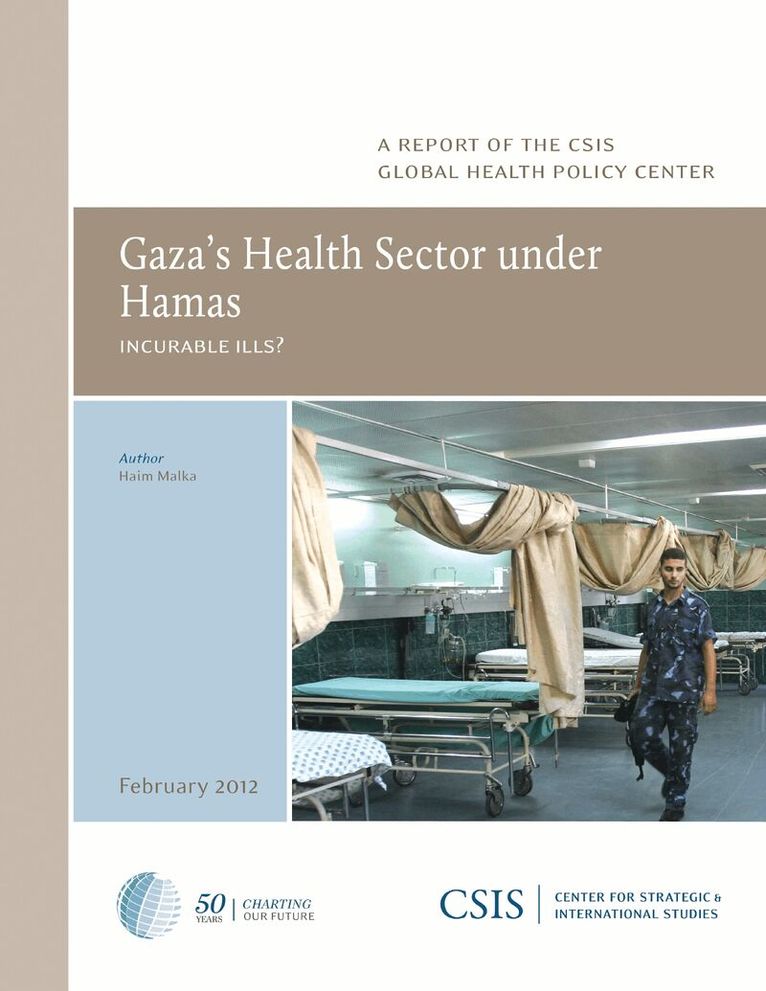
Gaza's Health Sector under Hamas
Incurable Ills?
Av Haim Malka
Häftad, 2012
558 kr
Lägg i varukorg
This report traces the evolution of Hamas’s health care services from the movement’s origins to its current role as the de facto government of Gaza. The analysis focuses primarily on the impact of Palestinian divisions on the development of Gaza’s health sector since Hamas’s takeover of Gaza in …
Restoring the Eastern Mediterranean as a U.S. Strategic Anchor
Av Jon B. Alterman, Heather A. Conley m. fl.
E-bok, 2018
607 kr
Lägg i varukorg
U.S. strategy in the Eastern Mediterranean is long overdue for revision. Today’s strategy was conceived 70 years ago and is no longer fit for purpose despite the continued strategic importance of the region for U.S. interests. To account for the dramatic changes that have occurred in the Eastern …
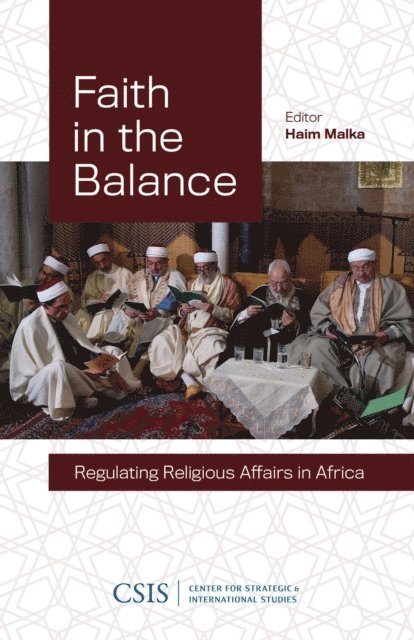
Faith in the Balance
Regulating Religious Affairs in Africa
Av Haim Malka
E-bok, 2019
532 kr
Lägg i varukorg
This important and timely study, Faith in the Balance: Regulating Religious Affairs in Africa, provides unique insights into how five governments on the African continent do just that: manage the politics of religion and the role of religion in politics. The study looks at each case—Morocco, …