Hanna David – författare
Visar alla böcker från författaren Hanna David. Handla med fri frakt och snabb leverans.
9 produkter
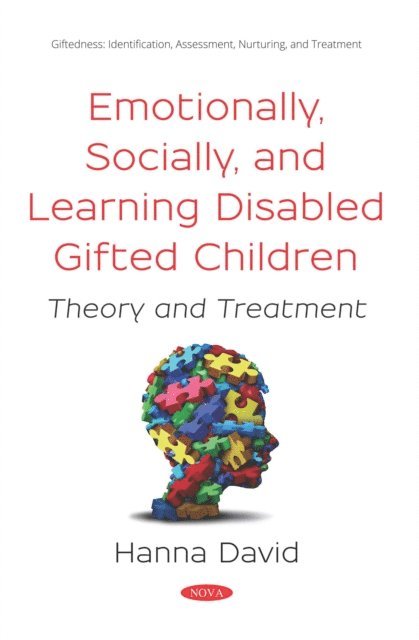
Emotionally, Socially, and Learning Disabled Gifted Children: Theory and Treatment
Av Hanna David
E-bok, 2019
1505 kr
Lägg i varukorg
This book presents the reader with the main inherent problems of double-exceptionality, namely, the difficulties educators and mental health professionals must deal with when working with gifted disabled children and youths. The first chapter describes ten of these problems; on the one hand, some …
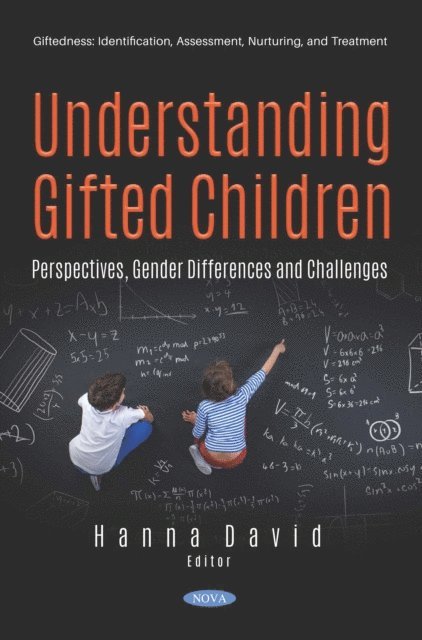
Understanding Gifted Children: Perspectives, Gender Differences and Challenges
Av Hanna David
E-bok, 2020
1505 kr
Lägg i varukorg
This book is about exploring and finding the best ways of matching educational and psychological means and methods for each gifted child. The book tries to help the reader understand the different educational, emotional or social needs of various gifted children, those considered “highly-gifted” …
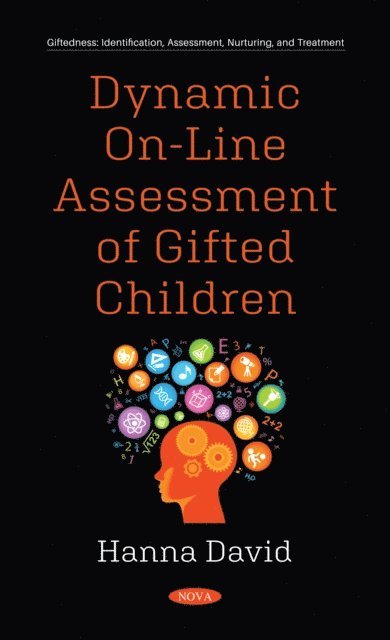
Dynamic Assessment of Gifted Children
Av Hanna David
E-bok, 2020
1457 kr
Lägg i varukorg
The book DYNAMIC ON-LINE ASSESSMENT OF GIFTED CHILDREN offers educators, counselors and parents of 3-16-year-old gifted, talented, curious, and creative children and youths a new, original tool of assessing their interests and abilities. As this book has been published during the second wave of the …
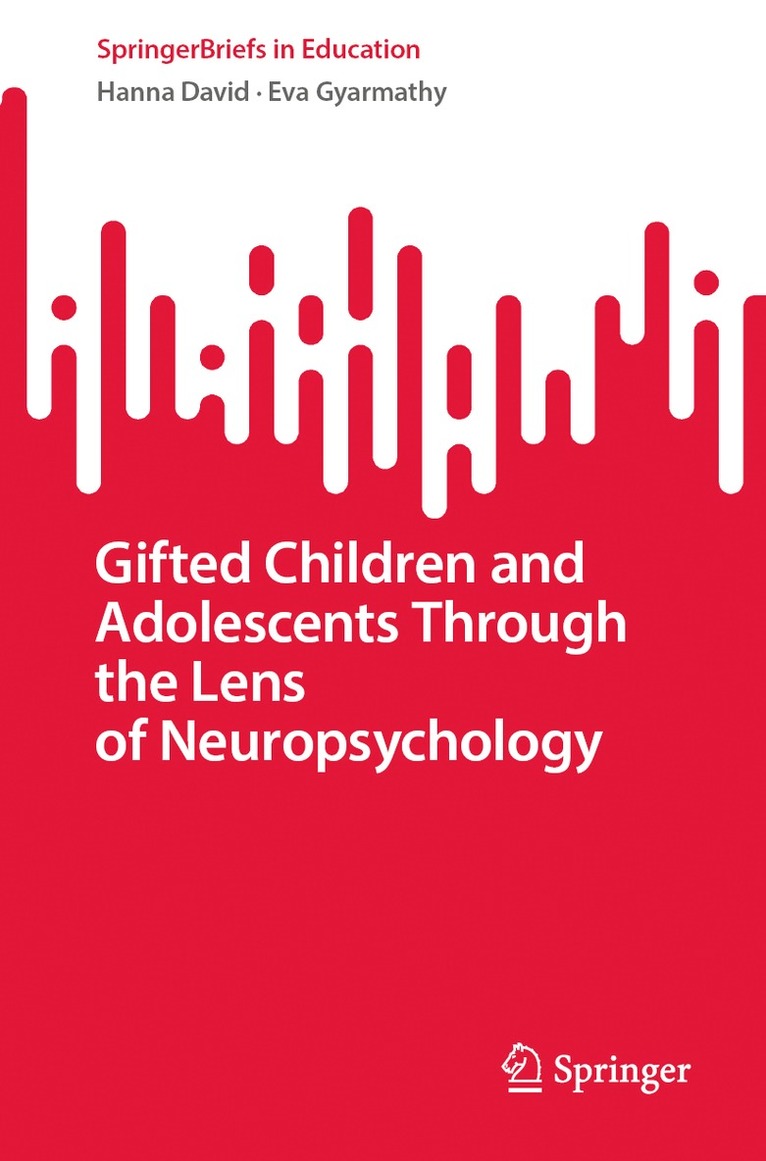
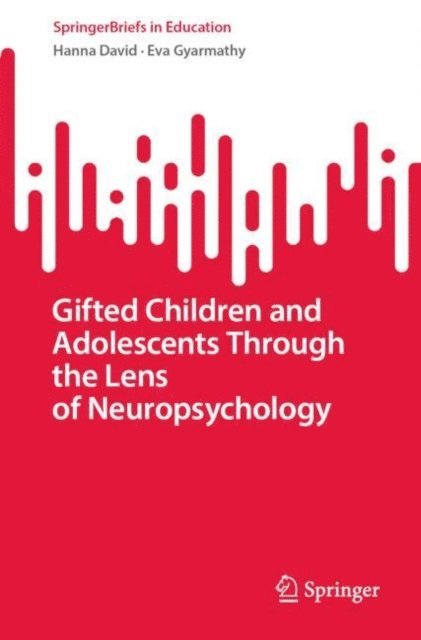
Gifted Children and Adolescents Through the Lens of Neuropsychology
Häftad, 2023
681 kr
Lägg i varukorg
This book addresses a wide range of issues situated in the core of theoreticians’ and clinicians’ work in the field of giftedness. It gathers practical issues, relevant for the lives of many gifted children, adolescents and adults, from a neuropsychological point of view. By studying the basic …
Gifted Children and Adolescents Through the Lens of Neuropsychology
E-bok, 2023
923 kr
Lägg i varukorg
This book addresses a wide range of issues situated in the core of theoreticians’ and clinicians’ work in the field of giftedness. It gathers practical issues, relevant for the lives of many gifted children, adolescents and adults, from a neuropsychological point of view. By studying the basic …
Erika Landau’s Contribution to the History of Gifted Education
Family Characteristics of Gifted Children
Av Hanna David
Inbunden, 2025
1385 kr
Lägg i varukorg
This book describes some of the most critical issues in gifted education, i.e., gender inequity concerning giftedness examinations and the boys/girls ratio. The book also discusses the background of the gifted child's family, including their parents’ education and number of their siblings. The …
Erika Landau's Contribution to the History of Gifted Education
Family Characteristics of Gifted Children
Av Hanna David
E-bok, 2025
1734 kr
Lägg i varukorg
This book describes some of the most critical issues in gifted education, i.e., gender inequity concerning giftedness examinations and the boys/girls ratio. The book also discusses the background of the gifted child''s family, including their parents’ education and number of their siblings. The …
Erika Landau’s Contribution to the History of Gifted Education
Family Characteristics of Gifted Children
Av Hanna David
Häftad, 2026
1385 kr
Lägg i varukorg
This book describes some of the most critical issues in gifted education, i.e., gender inequity concerning giftedness examinations and the boys/girls ratio. The book also discusses the background of the gifted child's family, including their parents’ education and number of their siblings. The …