Hanne S. Birkmose – författare
2 007 kr
Skickas inom 5-8 vardagar
395 kr
Läs direkt efter köp
395 kr
Läs direkt efter köp
1 900 kr
Skickas inom 5-8 vardagar
395 kr
Läs direkt efter köp
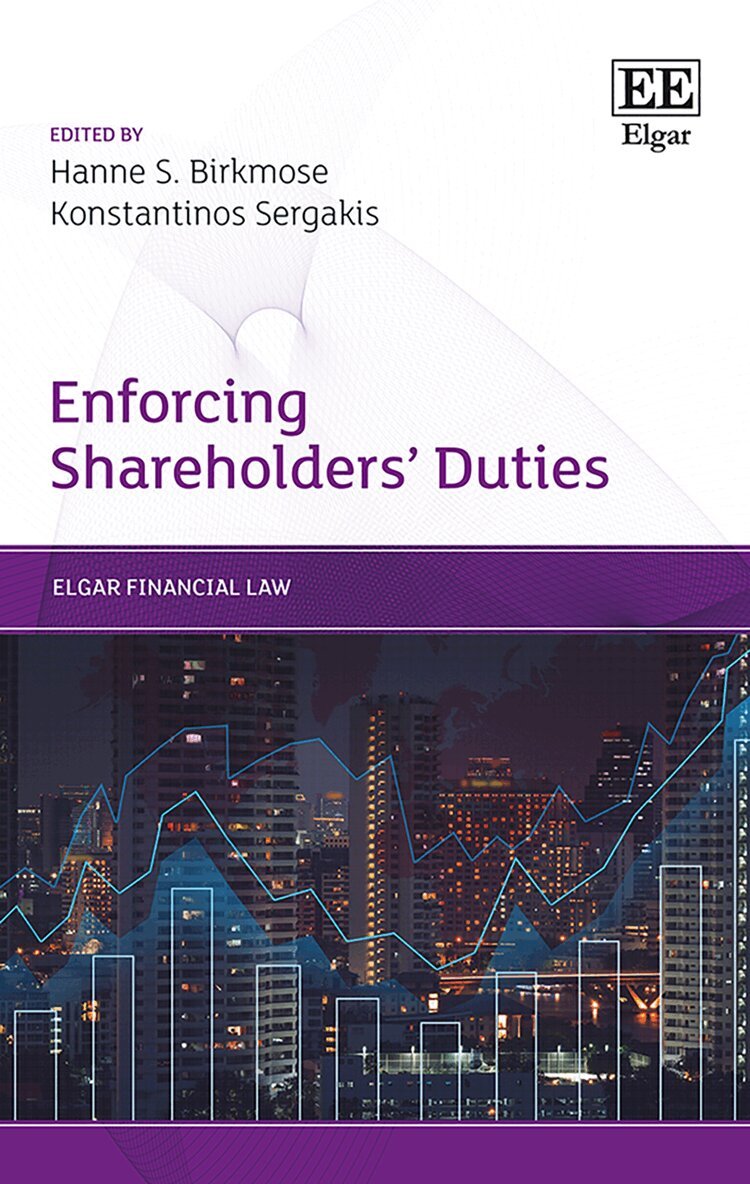
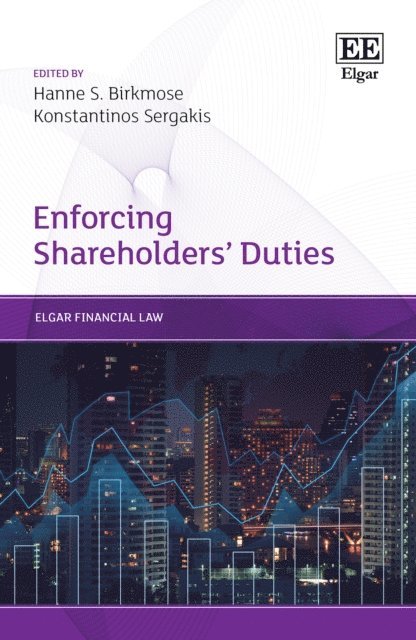
Enforcing Shareholders'' Duties is unique in critically challenging the revised Shareholder Rights Directive as well as other legal provisions. Adopting a holistic view of the possible enforcement issues shareholders may face in company law, it argues for a measured approach in the design of such enforcement mechanisms and for a careful consideration of the effects of a legal interventionist approach. Astute and engaging chapters provide arguments and recommendations for future regulatory initiatives aimed at ensuring shareholders will remain incentivised to invest in companies, whilst still assuming their responsibilities.
Students and researchers with an interest in financial and corporate law, particularly from a policy and governance angle, will find this book an important resource. Its focus on the emerging agenda surrounding the enforcement of shareholders'' duties ensure it is also highly relevant for legislators, policymakers, and practitioners.
Contributors include: A. Anand, H.S. Birkmose, J. Borg-Barthet, I.H.-Y. Chiu, M. Gargantini, E. Howell, C. Malberti, M. Neville, J. Payne, C. Puska
2 808 kr
Skickas inom 5-8 vardagar
2 307 kr
Läs direkt efter köp
Key features include:
article-by-article analysis of each of the provisions as adopted in the revised SRD IIcontribution to the ongoing discussions on shareholder rights and duties anticipated to be at the centre of debate for years to comedetailed explanation by leading scholars in the field to ensure complete understanding of each SRD II provision for the readerexploration of the two pillars of shareholder engagement: the facilitation of shareholder rights and improved communication to bridge procedural gaps and implementation of transparency obligations applicable to companies, investors and service providers.This Commentary will be a key resource for legal practitioners, legislators, scholars and students alike, working in the fields of corporate governance, alternative dispute resolution and financial law.
2 258 kr
Läs direkt efter köp
2 082 kr
Läs direkt efter köp
2 542 kr
Läs direkt efter köp
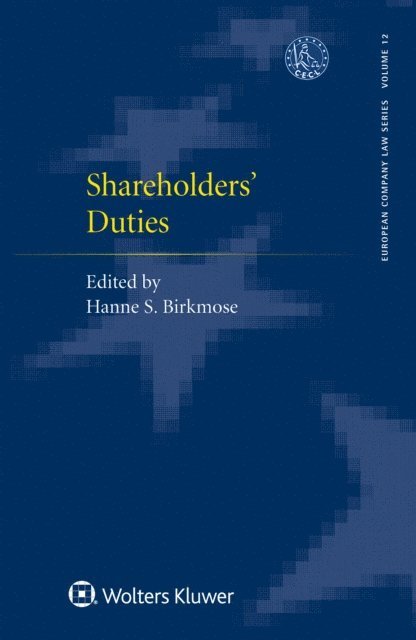
It is often assumed that shareholders have rights, not duties. In recent years, however, this assumption has come under intense scrutiny in all aspects of company law and capital market law -legislation, the courts, soft law, and scholarship - and, in Europe especially, major changes are under way across a diverse spectrum all the way from revised contractual arrangements to mandatory statutory provisions. Such a shift has important implications for the fundamentals of European company law, and there is a need to examine shareholders'' duties and to consider where this trend is taking shareholders and their stance in law. This focused collection of essays by twenty notable scholars addresses this complex subject from a highly informative and useful variety of perspectives.
Examining shareholders'' duties along three axes - types of investee companies, types of shareholders, and types of business situations - the essays deal with such topics and issues as the following:
- shareholders'' duties as reflections of the interests they are intended to safeguard;- shareholders'' duties to society;- shareholders'' disclosure obligations;- duties of parent companies;- institutional investor''s fiduciary duty;- how regulatory duties constrain value-reducing forms of opportunism;- the state''s continuing duties in the transformation of state-owned companies;- significant shareholders'' duties in transactions with the company; and- powerful shareholders'' duty not to abuse right.Examining the implications of this shift in discourse - how shareholders'' duties are coming to the fore under the impetus of legislation, legal doctrine, case law, and enforcement strategies - as well as its ideological underpinnings, this book offers a comprehensive and in-depth consideration of this rapidly developing field. It will prove of inestimable value not only to policymakers and academics, but also to investors and practitioners committed to creating conditions favourable to sustainable economic growth and responsible business behaviour.
2 542 kr
Läs direkt efter köp
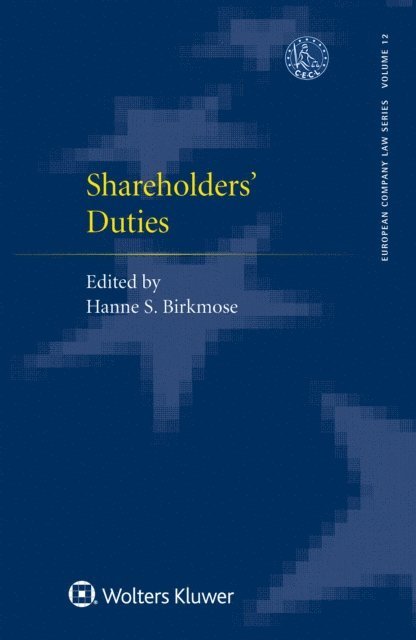
It is often assumed that shareholders have rights, not duties. In recent years, however, this assumption has come under intense scrutiny in all aspects of company law and capital market law -legislation, the courts, soft law, and scholarship - and, in Europe especially, major changes are under way across a diverse spectrum all the way from revised contractual arrangements to mandatory statutory provisions. Such a shift has important implications for the fundamentals of European company law, and there is a need to examine shareholders'' duties and to consider where this trend is taking shareholders and their stance in law. This focused collection of essays by twenty notable scholars addresses this complex subject from a highly informative and useful variety of perspectives.
Examining shareholders'' duties along three axes - types of investee companies, types of shareholders, and types of business situations - the essays deal with such topics and issues as the following:
- shareholders'' duties as reflections of the interests they are intended to safeguard;- shareholders'' duties to society;- shareholders'' disclosure obligations;- duties of parent companies;- institutional investor''s fiduciary duty;- how regulatory duties constrain value-reducing forms of opportunism;- the state''s continuing duties in the transformation of state-owned companies;- significant shareholders'' duties in transactions with the company; and- powerful shareholders'' duty not to abuse right.Examining the implications of this shift in discourse - how shareholders'' duties are coming to the fore under the impetus of legislation, legal doctrine, case law, and enforcement strategies - as well as its ideological underpinnings, this book offers a comprehensive and in-depth consideration of this rapidly developing field. It will prove of inestimable value not only to policymakers and academics, but also to investors and practitioners committed to creating conditions favourable to sustainable economic growth and responsible business behaviour.
1 677 kr
Läs direkt efter köp
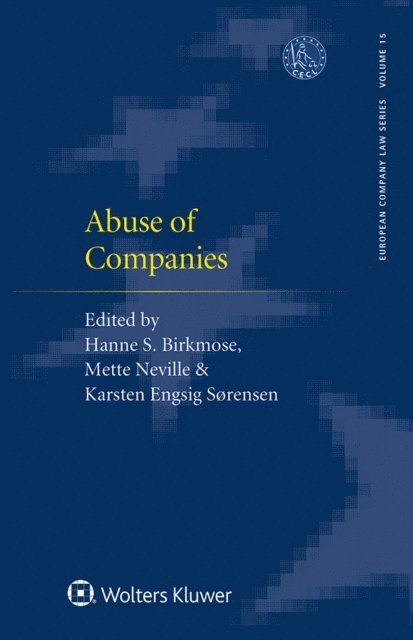
Whether the corporate form is used to avoid liabilities or cover illegal acts, or whether abuse is practised to obtain certain advantages, the subject of this first-ever in-depth survey and analysis garners more attention every day – both in legal literature and in popular media. Taken together, the authoritative contributions in this book clearly and comprehensively reveal typical situations where abuse may take place and how company law and other areas of law have tackled these incidents and practices in a variety of key jurisdictions.
Focusing on Europe but with global implications, the topics raised include the following:
how group structures may be used by multinational enterprises to escape regulation and avoid taxation; whether the decision to incorporate a company in a particular jurisdiction may be abusive; companies set up for the purpose of money laundering; letterbox companies formed as a front to allow a company to benefit from one legal regime and avoid others; ex post transfers of seats such as cross-border mergers and conversions; when the use of phoenix companies may constitute an abuse of the corporate form; how corporate mobility is used to circumvent worker participation; and how online company formation and technological innovation may foster abuse.This book helps to explain how the line is drawn between abuse and (creative) use of the corporate form. Remedies covered include restricting the use of bearer shares, setting minimum capital requirements, piercing the corporate veil, ensuring transparency of beneficial ownership, using insolvency law to lodge claims against directors and shareholders and recover assets, and applying the general principle prohibiting abuse.
There is no other book on the market focusing on abuse of companies and giving such a comprehensive analysis of the topic. Practitioners will get guidelines on how to avoid becoming involved in activities that may constitute abuse and how to address instances where abuse has occurred, and interested academics, legislators, and enforcement authorities in Europe and beyond will find this book’s perspectives invaluable.
1 677 kr
Läs direkt efter köp
Whether the corporate form is used to avoid liabilities or cover illegal acts, or whether abuse is practised to obtain certain advantages, the subject of this first-ever in-depth survey and analysis garners more attention every day – both in legal literature and in popular media. Taken together, the authoritative contributions in this book clearly and comprehensively reveal typical situations where abuse may take place and how company law and other areas of law have tackled these incidents and practices in a variety of key jurisdictions.
Focusing on Europe but with global implications, the topics raised include the following:
how group structures may be used by multinational enterprises to escape regulation and avoid taxation; whether the decision to incorporate a company in a particular jurisdiction may be abusive; companies set up for the purpose of money laundering; letterbox companies formed as a front to allow a company to benefit from one legal regime and avoid others; ex post transfers of seats such as cross-border mergers and conversions; when the use of phoenix companies may constitute an abuse of the corporate form; how corporate mobility is used to circumvent worker participation; and how online company formation and technological innovation may foster abuse.This book helps to explain how the line is drawn between abuse and (creative) use of the corporate form. Remedies covered include restricting the use of bearer shares, setting minimum capital requirements, piercing the corporate veil, ensuring transparency of beneficial ownership, using insolvency law to lodge claims against directors and shareholders and recover assets, and applying the general principle prohibiting abuse.
There is no other book on the market focusing on abuse of companies and giving such a comprehensive analysis of the topic. Practitioners will get guidelines on how to avoid becoming involved in activities that may constitute abuse and how to address instances where abuse has occurred, and interested academics, legislators, and enforcement authorities in Europe and beyond will find this book’s perspectives invaluable.
1 847 kr
Skickas inom 5-8 vardagar
1 555 kr
Läs direkt efter köp
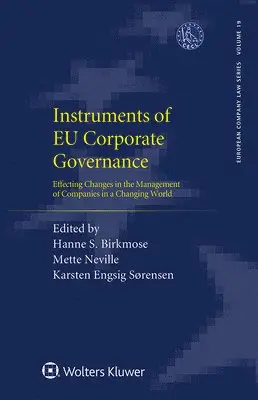
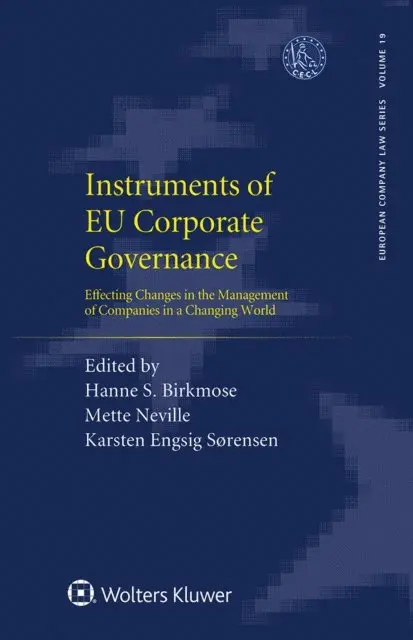
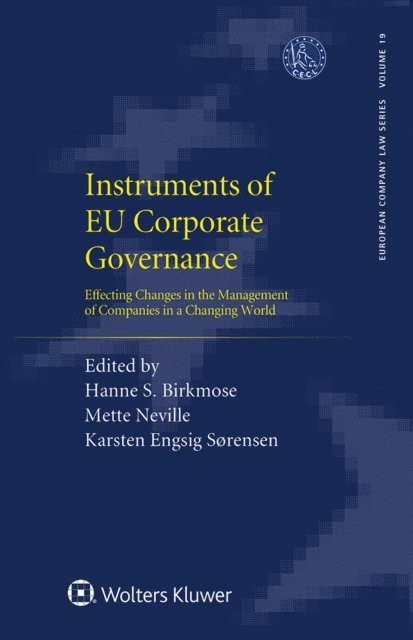
European Company Law Series, Volume 19
Compelling new perspectives on corporate governance – including attention to increased shareholder engagement, long-term value creation, and sustainability – have given rise to major changes in the management of companies. Yet, until this book, there has been no systematic account of the legislative and soft law instruments designed to promote good corporate governance practices across the range of sizes and types of companies. The book analyses the various instruments that legislators and others have used to promote good corporate governance in European companies and assesses their value in practice.
Nineteen well-known scholars of business and corporate law delve into how such issues and topics as the following are approached across the spectrum of corporate governance instruments available in Europe:
corporate codes of conduct;
procedural rules regulating how directors make decisions;
rules on board composition and remuneration;
regulating boards in small- and medium-sized enterprises;
public enforcement of directors’ duties;
how digitalisation may affect implementation of corporate governance instruments;
reporting rules;
rules on the empowerment of minority shareholders;
the role of the general meeting;
regulation of the market for corporate control;
certifications;
rules on liability of directors; and
role of auditors and accountants.
In its in-depth analysis of the benefits and potential disadvantages of each instrument and what may be achieved both at company level and generally, this book will prove of value to all concerned with promoting responsible corporate governance, whether in business, government, or academia.
1 555 kr
Läs direkt efter köp
European Company Law Series, Volume 19
Compelling new perspectives on corporate governance – including attention to increased shareholder engagement, long-term value creation, and sustainability – have given rise to major changes in the management of companies. Yet, until this book, there has been no systematic account of the legislative and soft law instruments designed to promote good corporate governance practices across the range of sizes and types of companies. The book analyses the various instruments that legislators and others have used to promote good corporate governance in European companies and assesses their value in practice.
Nineteen well-known scholars of business and corporate law delve into how such issues and topics as the following are approached across the spectrum of corporate governance instruments available in Europe:
corporate codes of conduct;
procedural rules regulating how directors make decisions;
rules on board composition and remuneration;
regulating boards in small- and medium-sized enterprises;
public enforcement of directors’ duties;
how digitalisation may affect implementation of corporate governance instruments;
reporting rules;
rules on the empowerment of minority shareholders;
the role of the general meeting;
regulation of the market for corporate control;
certifications;
rules on liability of directors; and
role of auditors and accountants.
In its in-depth analysis of the benefits and potential disadvantages of each instrument and what may be achieved both at company level and generally, this book will prove of value to all concerned with promoting responsible corporate governance, whether in business, government, or academia.
2 493 kr
Tillfälligt slut
2 381 kr
Tillfälligt slut