Harriet I. Flower – författare
Visar alla böcker från författaren Harriet I. Flower. Handla med fri frakt och snabb leverans.
20 produkter
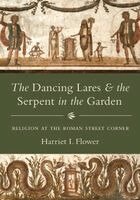
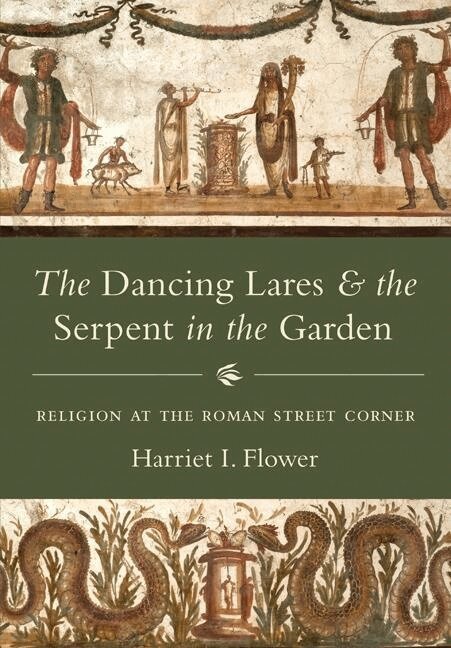
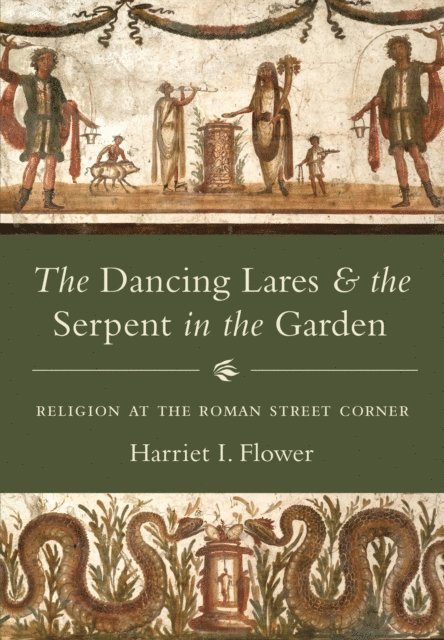
Dancing Lares and the Serpent in the Garden
Religion at the Roman Street Corner
Häftad, 2026
338 kr
Lägg i varukorg
A richly detailed study of everyday religion in ancient RomeThe most pervasive gods in ancient Rome had no traditional mythology attached to them, nor was their worship organized by elites. Throughout the Roman world, neighborhood street corners, farm boundaries, and household hearths featured …
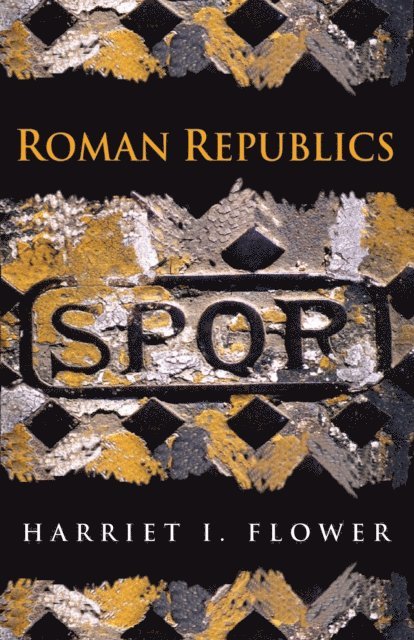
Roman Republics
Häftad, 2011
334 kr
Lägg i varukorg
From the Renaissance to today, the idea that the Roman Republic lasted more than 450 years--persisting unbroken from the late sixth century to the mid-first century BC--has profoundly shaped how Roman history is understood, how the ultimate failure of Roman republicanism is explained, and how …
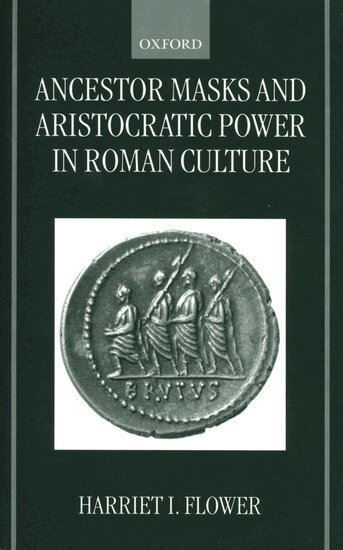
Ancestor Masks and Aristocratic Power in Roman Culture
Inbunden, 1996
4074 kr
Lägg i varukorg
In the first comprehensive study of Roman ancestor masks in English, Harriet Flower explains the reasons behind the use of wax masks in the commemoration of politically prominent family members by the elite society of Rome. Broadening her approach from the purely art historical, Flower traces the …
Ancestor Masks and Aristocratic Power in Roman Culture
Häftad, 1999
1669 kr
Lägg i varukorg
In the first comprehensive study of Roman ancestor masks in English, Harriet Flower explains the reasons behind the use of wax masks in the commemoration of politically prominent family members by the élite society of Rome. Flower traces the functional evolution of ancestor masks, from their first …
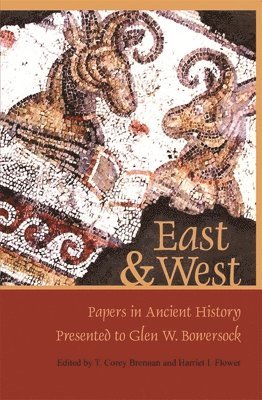
East & West
Papers in Ancient History Presented to Glen W. Bowersock
Av T. Corey Brennan, Harriet I. Flower
Inbunden, 2009
228 kr
Lägg i varukorg
The papers in this volume are based on a 2006 Princeton University symposium in honor of Glen W. Bowersock on the occasion of his retirement from the faculty of the Institute for Advanced Study. Here a distinguished international group of ancient historians explores the classical antiquity that …
Dancing Lares and the Serpent in the Garden
Religion at the Roman Street Corner
Inbunden, 2017
520 kr
Lägg i varukorg
The most pervasive gods in ancient Rome had no traditional mythology attached to them, nor was their worship organized by elites. Throughout the Roman world, neighborhood street corners, farm boundaries, and household hearths featured small shrines to the beloved lares, a pair of cheerful little …
Intellectual Property
Learned Slaves and Educated Freedmen in Republican Rome
Inbunden, 2025
402 kr
Lägg i varukorg
The first in-depth account of the lives and careers of educated slaves and freedmen in ancient RomeSlaves and freedmen played an important yet understudied role in the literary culture of the Roman Republic. Though their work went largely uncredited, they fulfilled vital roles as editors, …
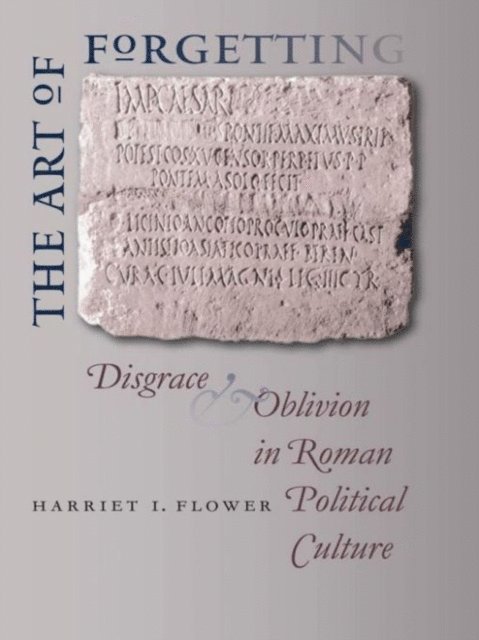
Art of Forgetting
Disgrace and Oblivion in Roman Political Culture
Häftad, 2011
515 kr
Lägg i varukorg
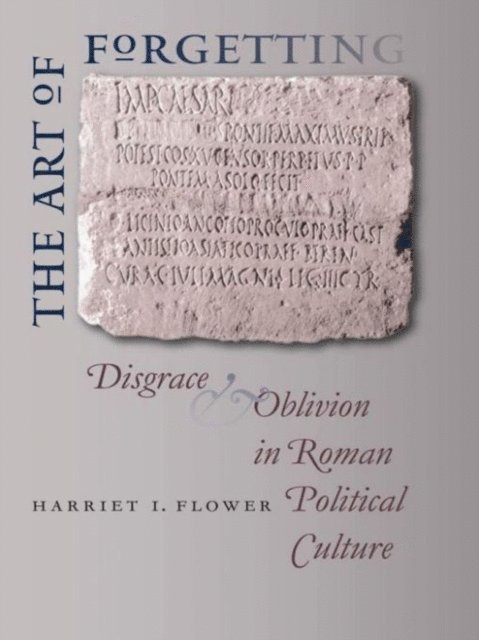
Elite Romans periodically chose to limit or destroy the memory of a leading citizen who was deemed an unworthy member of the community. Sanctions against memory could lead to the removal or mutilation of portraits and public inscriptions. Harriet Flower provides the first chronological overview of …
Art of Forgetting
Disgrace and Oblivion in Roman Political Culture
E-bok, 2011
410 kr
Lägg i varukorg
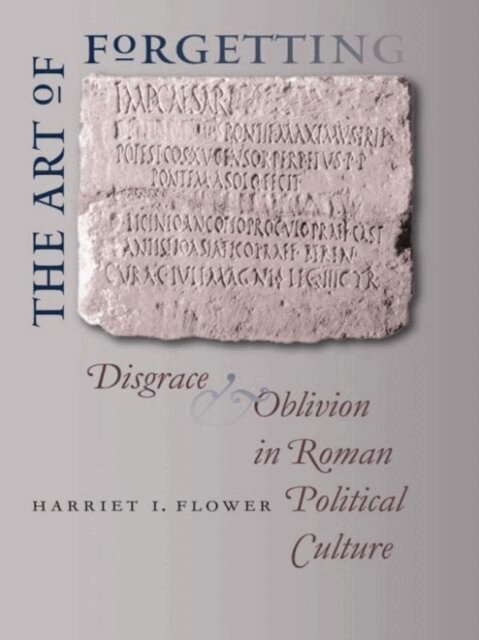
Elite Romans periodically chose to limit or destroy the memory of a leading citizen who was deemed an unworthy member of the community. Sanctions against memory could lead to the removal or mutilation of portraits and public inscriptions. Harriet Flower provides the first chronological overview of …
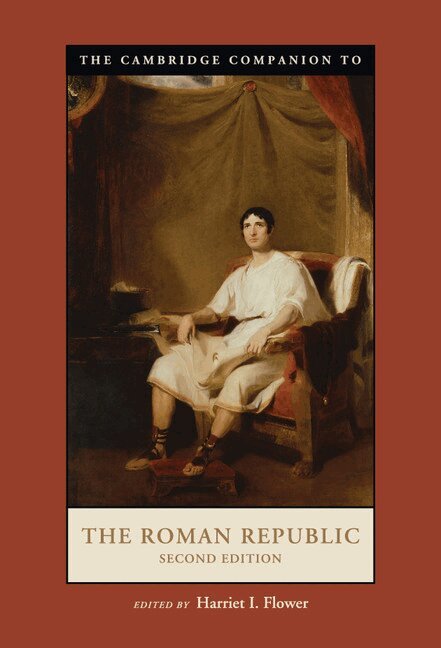
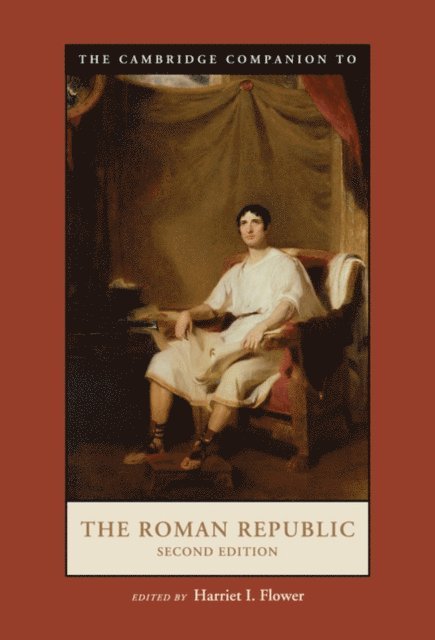
The Cambridge Companion to the Roman Republic
Inbunden, 2014
1777 kr
Lägg i varukorg
The Cambridge Companion to the Roman Republic examines all aspects of Roman history and civilization from 509 to 49 BC. The key development of the republican period was Rome's rise from a small city to a wealthy metropolis, which served as the international capital of an extensive Mediterranean …
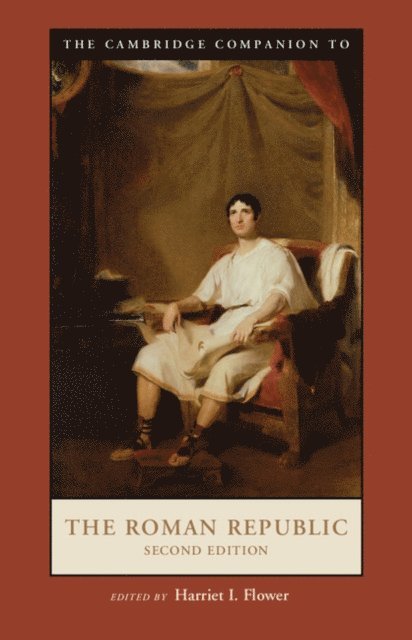
The Cambridge Companion to the Roman Republic
Häftad, 2014
720 kr
Lägg i varukorg
The Cambridge Companion to the Roman Republic examines all aspects of Roman history and civilization from 509 to 49 BC. The key development of the republican period was Rome's rise from a small city to a wealthy metropolis, which served as the international capital of an extensive Mediterranean …
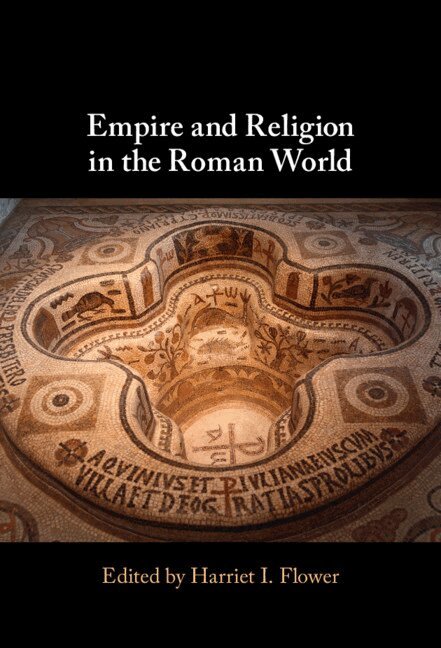
Empire and Religion in the Roman World
Inbunden, 2021
1391 kr
Lägg i varukorg
The inspiration for this volume comes from the work of its dedicatee, Brent D. Shaw, who is one of the most original and wide-ranging historians of the ancient world of the last half-century and continues to open up exciting new fields for exploration. Each of the distinguished contributors has …
Empire and Religion in the Roman World
Häftad, 2023
468 kr
Lägg i varukorg
The inspiration for this volume comes from the work of its dedicatee, Brent D. Shaw, who is one of the most original and wide-ranging historians of the ancient world of the last half-century and continues to open up exciting new fields for exploration. Each of the distinguished contributors has …
Cambridge Companion to the Roman Republic
E-bok, 2014
705 kr
Lägg i varukorg
The Cambridge Companion to the Roman Republic examines all aspects of Roman history and civilization from 509 to 49 BC. The key development of the republican period was Rome''s rise from a small city to a wealthy metropolis, which served as the international capital of an extensive Mediterranean …
Cambridge Companion to the Roman Republic
E-bok, 2014
685 kr
Lägg i varukorg
The Cambridge Companion to the Roman Republic examines all aspects of Roman history and civilization from 509 to 49 BC. The key development of the republican period was Rome''s rise from a small city to a wealthy metropolis, which served as the international capital of an extensive Mediterranean …
Roman Republics
E-bok, 2011
431 kr
Lägg i varukorg
From the Renaissance to today, the idea that the Roman Republic lasted more than 450 years--persisting unbroken from the late sixth century to the mid-first century BC--has profoundly shaped how Roman history is understood, how the ultimate failure of Roman republicanism is explained, and how …
Dancing Lares and the Serpent in the Garden
Religion at the Roman Street Corner
E-bok, 2017
368 kr
Lägg i varukorg
The most pervasive gods in ancient Rome had no traditional mythology attached to them, nor was their worship organized by elites. Throughout the Roman world, neighborhood street corners, farm boundaries, and household hearths featured small shrines to the beloved lares , a pair of cheerful little …
Art of Forgetting
Disgrace and Oblivion in Roman Political Culture
E-bok, 2011
2497 kr
Lägg i varukorg
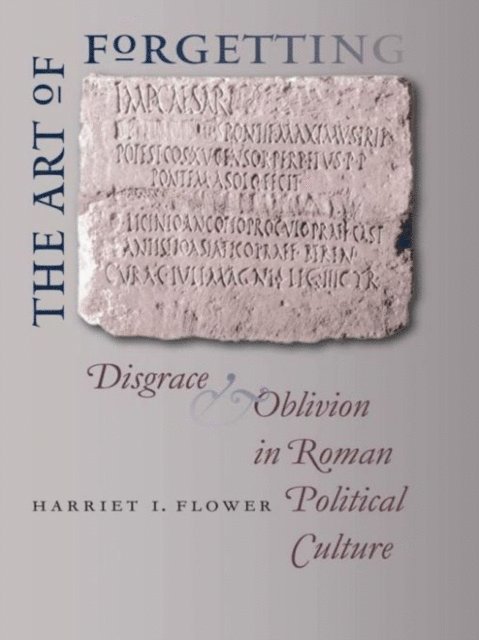
Elite Romans periodically chose to limit or destroy the memory of a leading citizen who was deemed an unworthy member of the community. Sanctions against memory could lead to the removal or mutilation of portraits and public inscriptions. Harriet Flower provides the first chronological overview of …
Art of Forgetting
Disgrace and Oblivion in Roman Political Culture
E-bok, 2011
535 kr
Lägg i varukorg
Elite Romans periodically chose to limit or destroy the memory of a leading citizen who was deemed an unworthy member of the community. Sanctions against memory could lead to the removal or mutilation of portraits and public inscriptions. Harriet Flower provides the first chronological overview of …
Art of Forgetting
Disgrace and Oblivion in Roman Political Culture
E-bok, 2011
2497 kr
Lägg i varukorg
Elite Romans periodically chose to limit or destroy the memory of a leading citizen who was deemed an unworthy member of the community. Sanctions against memory could lead to the removal or mutilation of portraits and public inscriptions. Harriet Flower provides the first chronological overview of …