Harry A. Kersey - Böcker
Visar alla böcker från författaren Harry A. Kersey. Handla med fri frakt och snabb leverans.
6 produkter
6 produkter
347 kr
Skickas inom 10-15 vardagar
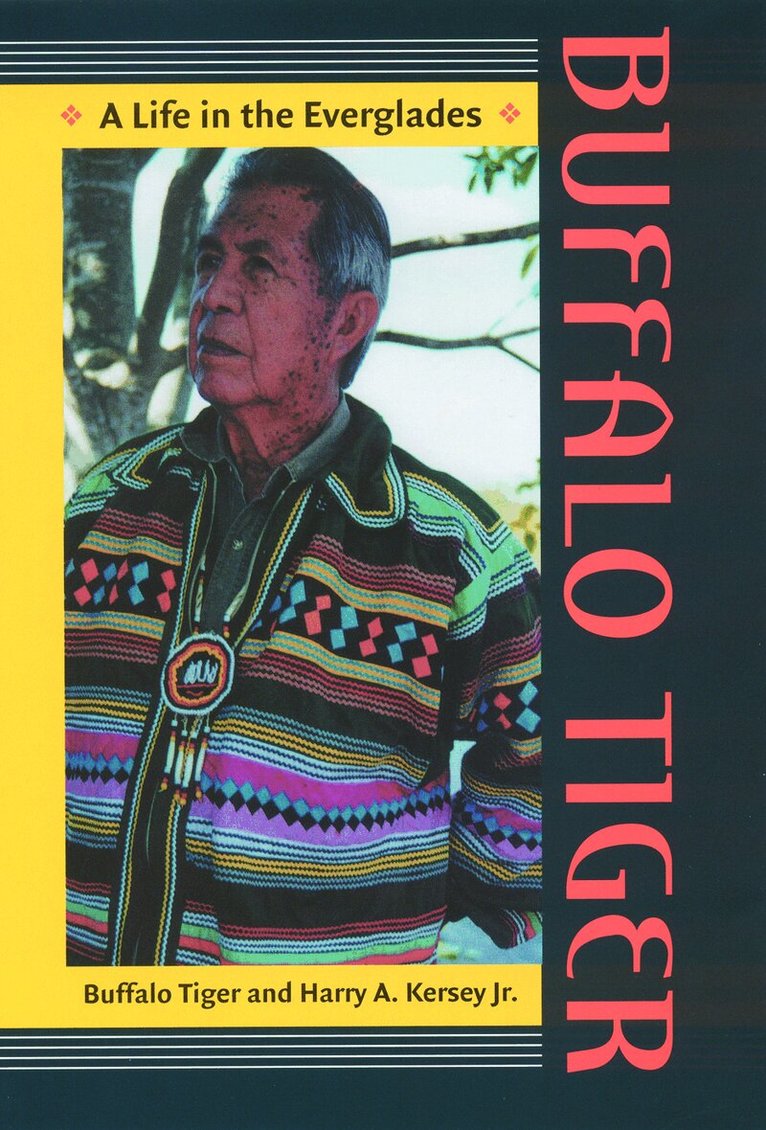
Frustrated in their attempts to gain official recognition by the United States, a group of Miccosukee Indians met with Fidel Castro in 1959 and were recognized by the Cuban government. The man behind this unprecedented move to provoke the U.S. government into action was Buffalo Tiger, a Miccosukee elder who has become one of the most prominent Indian leaders in the southeastern United States in the modern era. Born in a small village in the Everglades in 1920, Buffalo Tiger grew up immersed in the traditional customs and language of the Miccosukees. As the modern world encroached on the Miccosukees and the Everglades shrank around them, Buffalo Tiger became an energetic and outspoken leader of the community. As the first tribal chairman of the Miccosukees, he oversaw the adoption of a tribal constitution and worked diligently to implement reforms and to protect the community's cultural and natural resources. In the 1970s the Miccosukees became the first modern tribe to take complete control of their affairs and federal budget.Buffalo Tiger's penetrating observations about his people and the world around them, combined with the skilled scholarship of historian Harry A. Kersey Jr., illuminate a memorable life, a tireless leader, and an Indian community still proud to call the "River of Grass" its home.
191 kr
Skickas inom 10-15 vardagar
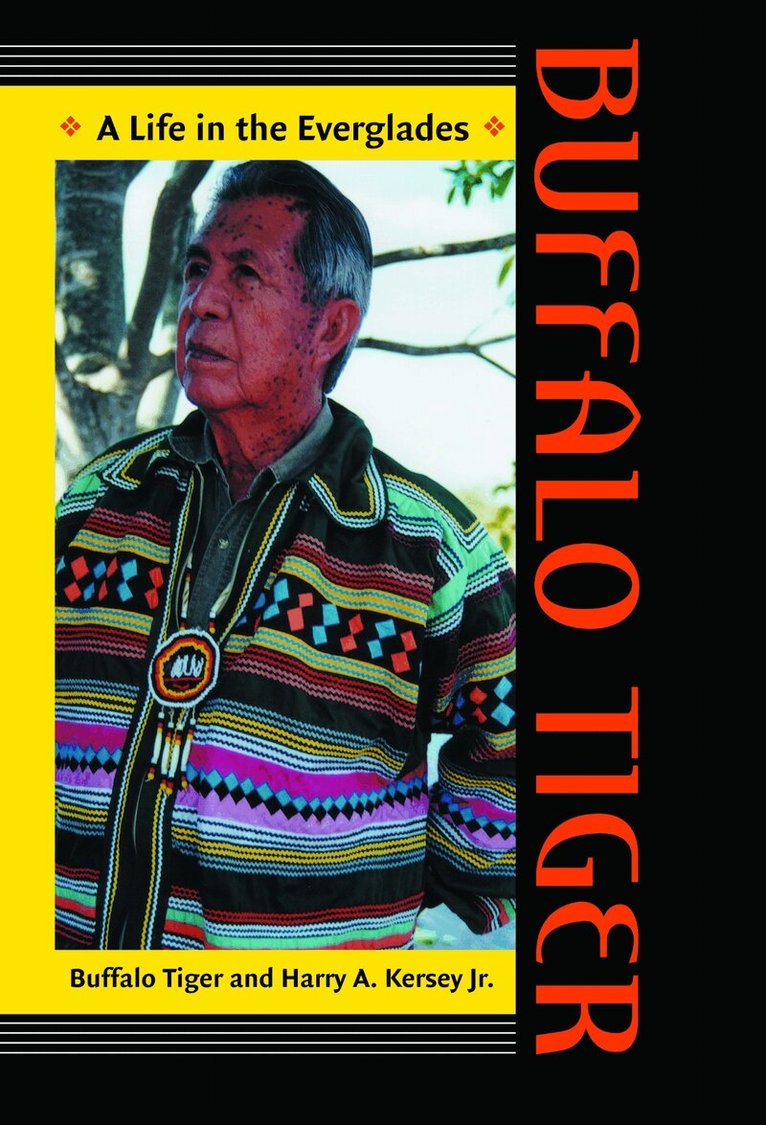
Frustrated in their attempts to gain official recognition by the United States, a group of Miccosukee Indians met with Fidel Castro in 1959 and were recognized by the Cuban government. The man behind this unprecedented move to provoke the U.S. government into action was Buffalo Tiger, a Miccosukee elder who has become one of the most prominent Indian leaders in the southeastern United States in the modern era. Born in a small village in the Everglades in 1920, Buffalo Tiger grew up immersed in the traditional customs and language of the Miccosukees. As the modern world encroached on the Miccosukees and the Everglades shrank around them, Buffalo Tiger became an energetic and outspoken leader of the community. As the first tribal chairman of the Miccosukees, he oversaw the adoption of a tribal constitution and worked diligently to implement reforms and to protect the community's cultural and natural resources. In the 1970s the Miccosukees became the first modern tribe to take complete control of their affairs and federal budget.Buffalo Tiger's penetrating observations about his people and the world around them, combined with the skilled scholarship of historian Harry A. Kersey Jr., illuminate a memorable life, a tireless leader, and an Indian community still proud to call the "River of Grass" its home.
Assumption of Sovereignty
Social and Political Transformation Among the Florida Seminoles, 1953-1979
Häftad, Engelska, 2007
268 kr
Skickas inom 10-15 vardagar
In the early 1950s the very existence of the Florida Seminoles was in jeopardy. Mired in poverty, poorly educated, underemployed, and without a tribal government, they also faced the possibility that the U.S. Congress would terminate services to them. Fortunately, loss of reservation lands was averted and the situation began to improve. When the federal government approved a charter and constitution for the tribe in 1957, it marked both the official resumption of tribal sovereignty after more than a century and the first agreement that did not force removal of the Seminoles from the reservation. An Assumption of Sovereignty continues Harry A. Kersey Jr.'s examination of Seminole history. He studies the effects of shifting governmental attitudes and policies on the Florida Indians during the past quarter-century. He also charts the social, economic, and political experiences of the tribe during these volatile decades. By the end of the account, readers understand that the Seminole tribe has become organized, functioning, and sovereign, with a stable economic base. The author has made extensive use of oral history from tribal elders as well as the memoirs and records of Florida congressional leaders.
666 kr
Skickas inom 10-15 vardagar
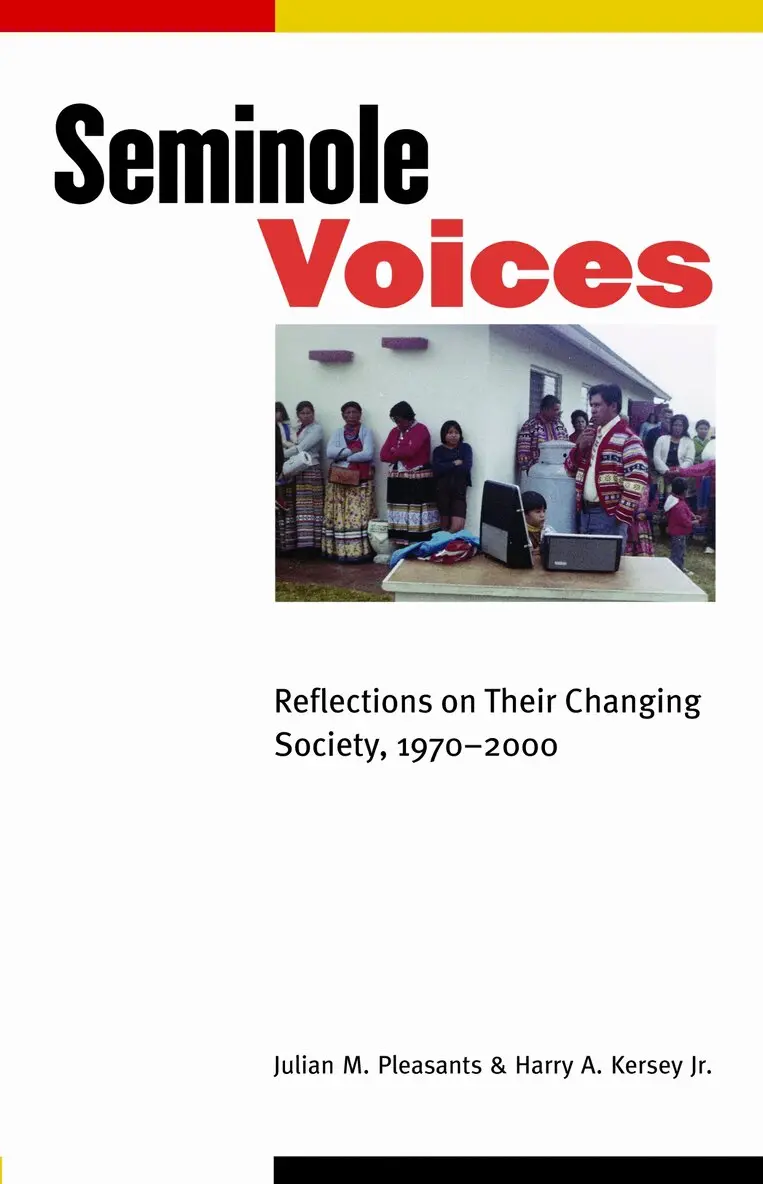
In a series of interviews conducted from 1969 to 1971 and again from 1998 to 1999, more than two hundred members of the Florida Seminole community described their lives for the Samuel Proctor Oral History Program at the University of Florida. Some of those interviews, now showcased in this volume, shed light on how the Seminoles' society, culture, religion, government, health care, and economy had changed during a tumultuous period in Florida's history. In 1970 the Seminoles lived in relative poverty, dependent on the Bureau of Indian Affairs, tourist trade, cattle breeding, handicrafts, and truck farming. By 2006 they were operating six casinos, and in 2007 they purchased Hard Rock International for $965 million. Within one generation, the tribe moved from poverty and relative obscurity to entrepreneurial success and wealth. Seminole Voices relates how economic changes have affected everyday life and values. The Seminoles' frank opinions and fascinating stories offer a window into the world of a modern Native community as well as a useful barometer of changes affecting its members at the beginning of the twenty-first century.
199 kr
Skickas inom 10-15 vardagar
276 kr
Skickas inom 10-15 vardagar
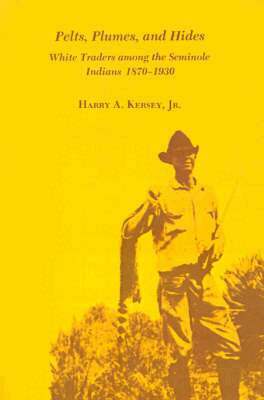
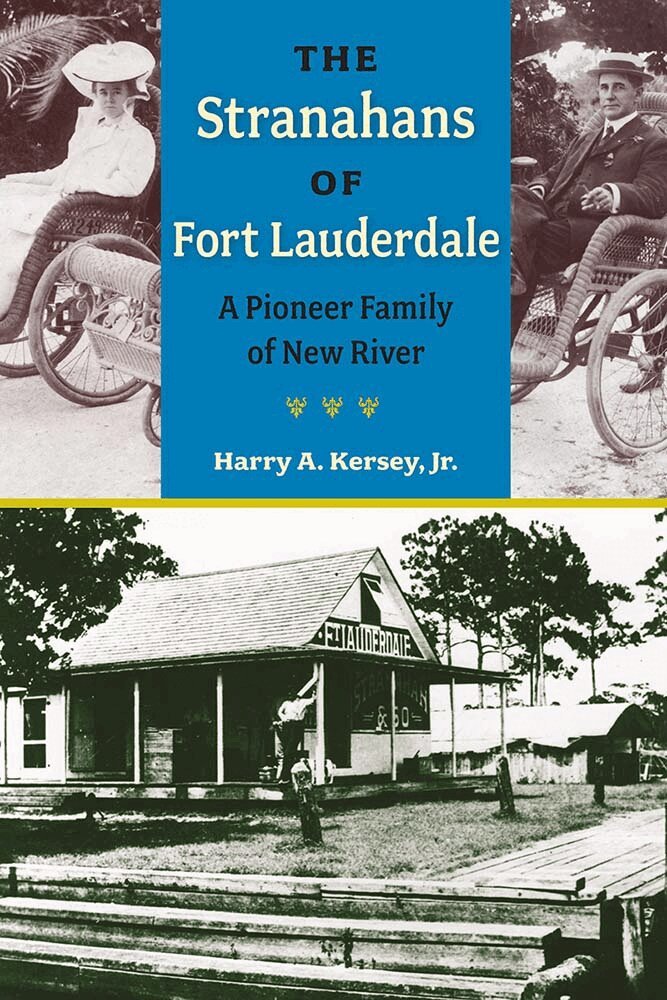
Two individuals who shaped the development of one of Florida'smajor urban centersWhenthey married in 1900, Frank and Ivy Stranahan began a life together on theFlorida frontier that would shape and define the development of one of thestate's most sophisticated urban centers. Pioneering spirit and economicenterprise linked them to Seminole Indians, venture capitalists, and colorfulentrepreneurs along the New River settlement; today they're recognized as afounding family of Fort Lauderdale and their riverfront home has been restoredand designated a National Historic Landmark.Frank Stranahan came south from Ohio in 1893 to run an overnight camp on thestagecoach line carrying passengers from Lake Worth to the Miami area. He soonopened a trading post that thrived on commerce in pelts, plumes, and hides withSeminole Indians, who in turn purchased goods and groceries to take back totheir camps in the Everglades. Stranahan's business interests expanded toinclude real estate and banking. An honest businessman, he became a respectedpolitical and civic leader, instrumental in the birth of Fort Lauderdale in1911. When the Florida land boom collapsed and his bank closed, Stranahan'smental and physical health failed, and he committed suicide in 1929.IvyCromartie, a native Floridian, was 18 when she arrived at the settlement as itsfirst schoolteacher and met her future husband. Energetic and articulate, shefocused her activities outside the home. Besides teaching, she was active in avariety of reform movements ranging from Audubon Society efforts to save theplume birds to temperance and women's suffrage, working mainly through theFlorida Federation of Women's Clubs. She is best remembered for her role as anadvocate for Indigenous American rights—especially education and childwelfare—primarily with the Friends of the Seminoles, an organization sheestablished in the 1930s. Before her death in 1971 she spoke frequently abouther full life to reporters and historians and was interviewed extensively byKersey.