Harry Wechsler – författare
Visar alla böcker från författaren Harry Wechsler. Handla med fri frakt och snabb leverans.
13 produkter
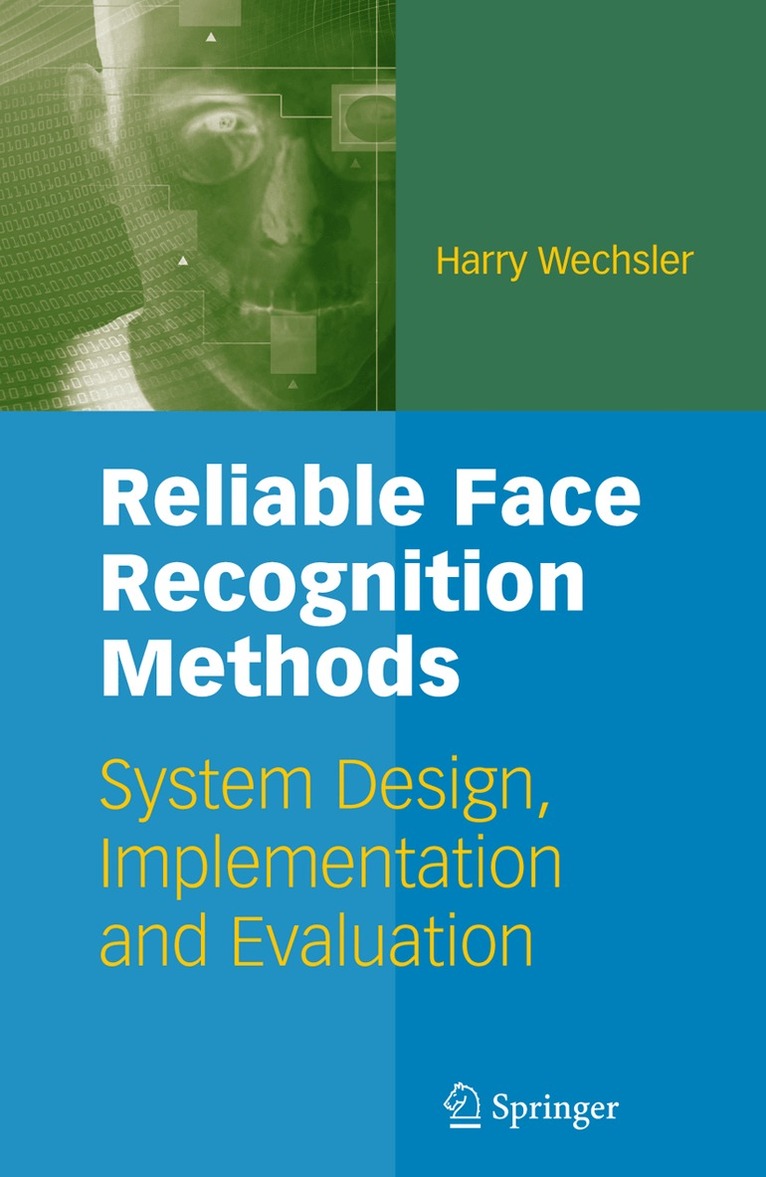
Reliable Face Recognition Methods
System Design, Implementation and Evaluation
Inbunden, 2006
1126 kr
Lägg i varukorg
One of the challenges for computational intelligence and biometrics is to understand how people process and recognize faces and to develop automated and reliable face recognition systems. Biometrics has become the major component in the complex decision making process associated with security …
Reliable Face Recognition Methods
System Design, Implementation and Evaluation
E-bok, 2009
1502 kr
Lägg i varukorg
One of the challenges for computational intelligence and biometrics is to understand how people process and recognize faces and to develop automated and reliable face recognition systems. Biometrics has become the major component in the complex decision making process associated with security …
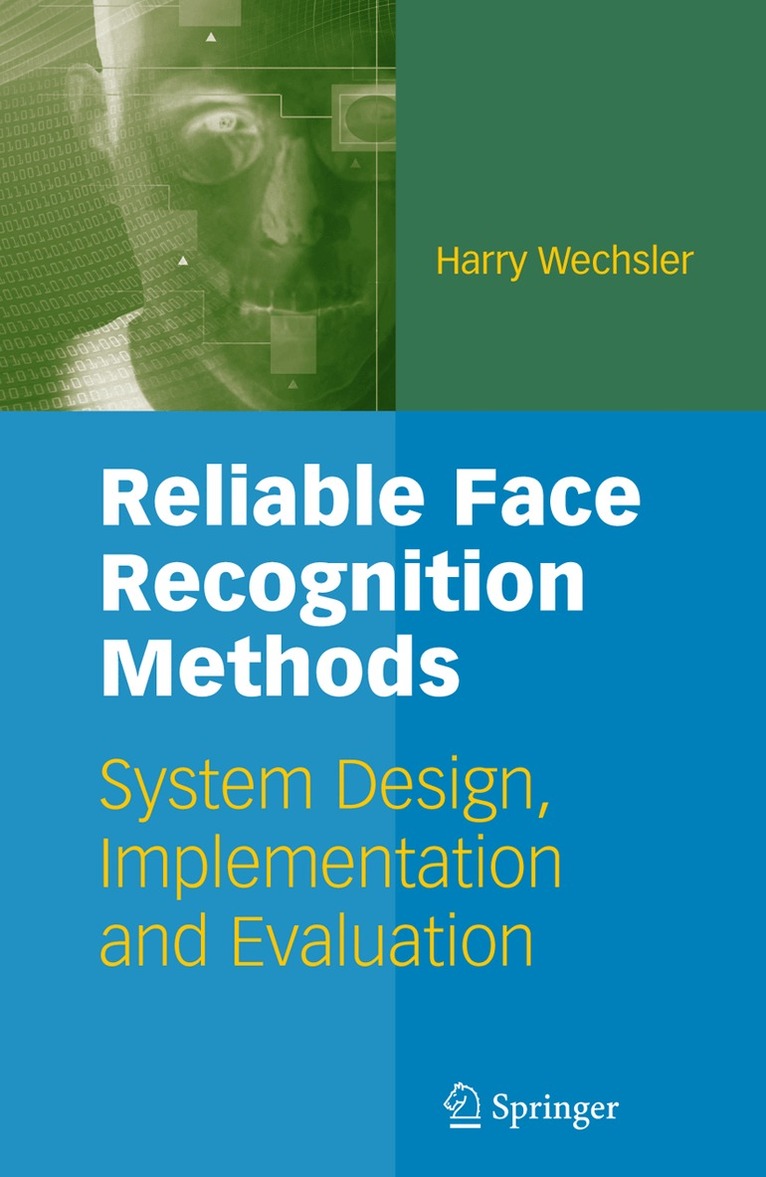
Reliable Face Recognition Methods
System Design, Implementation and Evaluation
Häftad, 2010
1128 kr
Lägg i varukorg
One of the challenges for computational intelligence and biometrics is to understand how people process and recognize faces and to develop automated and reliable face recognition systems. Biometrics has become the major component in the complex decision making process associated with security …
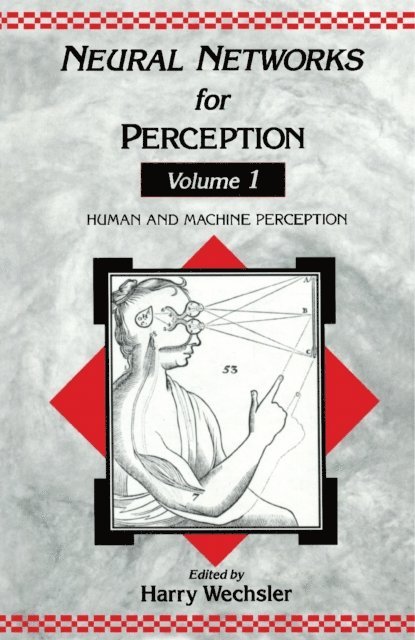
Neural Networks for Perception
Human and Machine Perception
E-bok, 2014
1045 kr
Lägg i varukorg
Neural Networks for Perception, Volume 1: Human and Machine Perception focuses on models for understanding human perception in terms of distributed computation and examples of PDP models for machine perception. This book addresses both theoretical and practical issues related to the feasibility of …
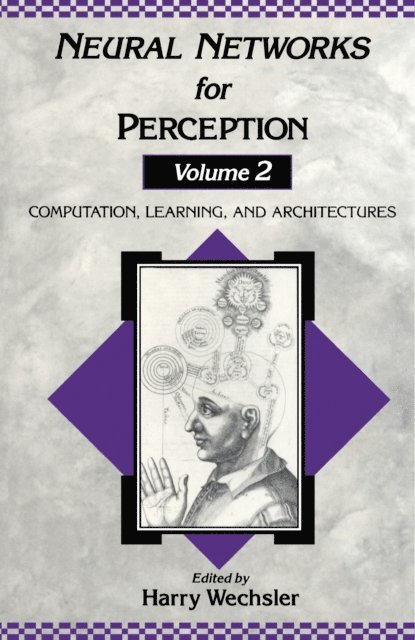
Neural Networks for Perception
Computation, Learning, and Architectures
E-bok, 2014
789 kr
Lägg i varukorg
Neural Networks for Perception, Volume 2: Computation, Learning, and Architectures explores the computational and adaptation problems related to the use of neuronal systems, and the corresponding hardware architectures capable of implementing neural networks for perception and of coping with the …
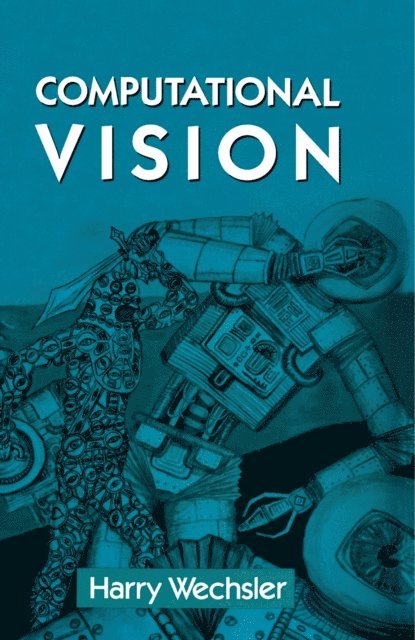
Computational Vision
E-bok, 2014
781 kr
Lägg i varukorg
The book is suitable for advanced courses in computer vision and image processing. In addition to providing an overall view of computational vision, it contains extensive material on topics that are not usually covered in computer vision texts (including parallel distributed processing and neural …
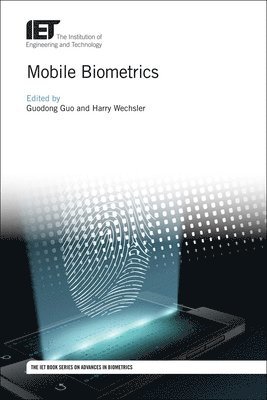
Mobile Biometrics
Av Guodong Guo, Harry Wechsler
Inbunden, 2017
1962 kr
Lägg i varukorg
Mobile biometrics - the use of physical and/or behavioral characteristics of humans to allow their recognition by mobile/smart phones - aims to achieve conventional functionality and robustness while also supporting portability and mobility, bringing greater convenience and opportunity for its …
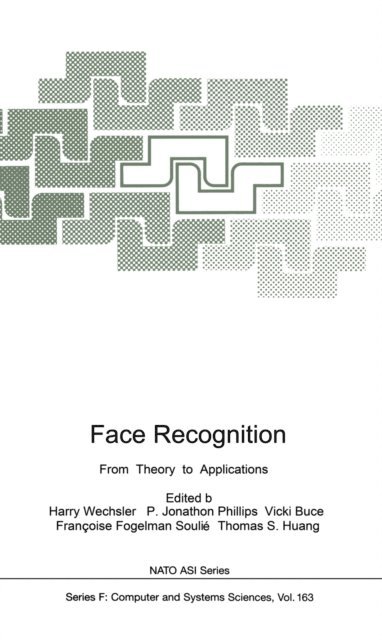
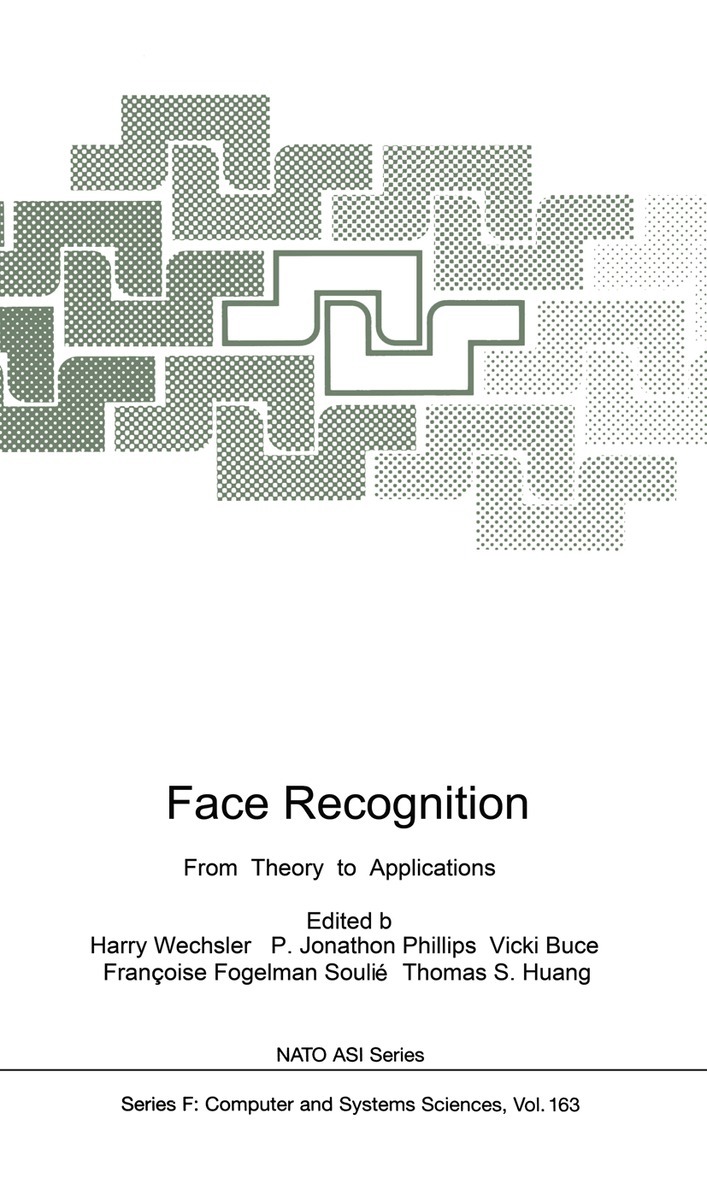
Face Recognition
From Theory to Applications
Av Thomas S. Huang, Francoise Fogelman Soulie m. fl.
E-bok, 2012
1502 kr
Lägg i varukorg
The NATO Advanced Study Institute (ASI) on Face Recognition: From Theory to Applications took place in Stirling, Scotland, UK, from June 23 through July 4, 1997. The meeting brought together 95 participants (including 18 invited lecturers) from 22 countries. The lecturers are leading researchers …
Face Recognition
From Theory to Applications
Av Harry Wechsler, Jonathon P. Phillips m. fl.
Häftad, 2011
1128 kr
Lägg i varukorg
The NATO Advanced Study Institute (ASI) on Face Recognition: From Theory to Applications took place in Stirling, Scotland, UK, from June 23 through July 4, 1997. The meeting brought together 95 participants (including 18 invited lecturers) from 22 countries. The lecturers are leading researchers …
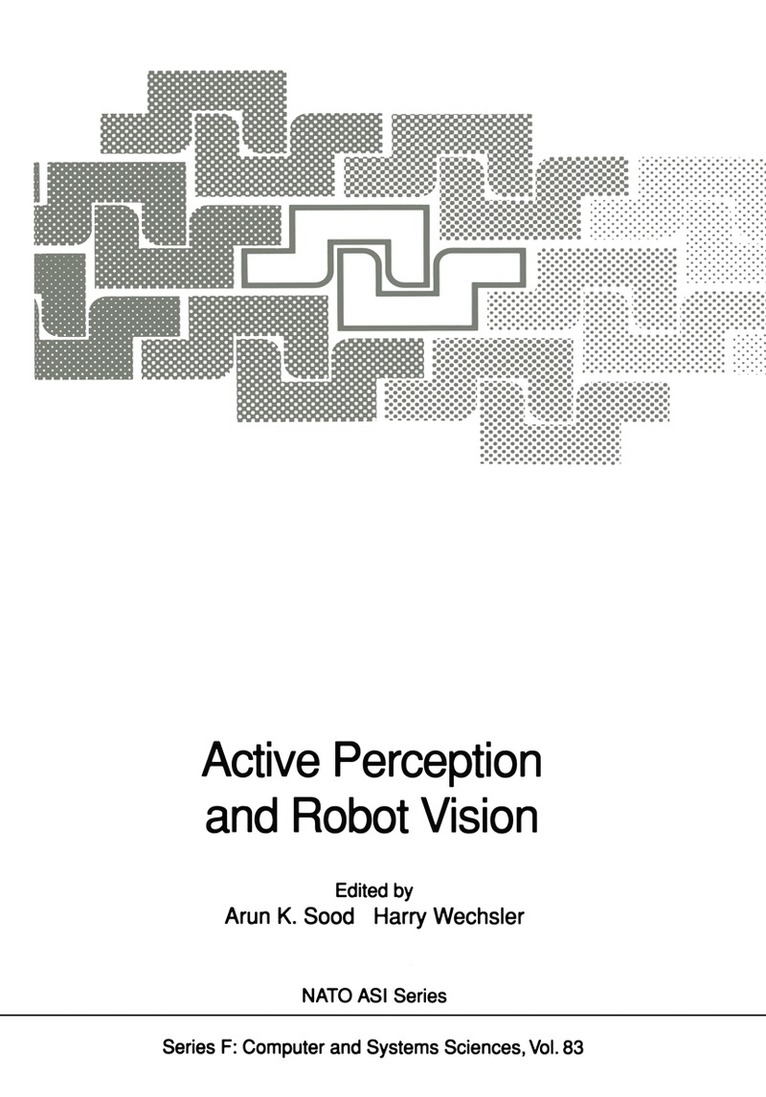
Active Perception and Robot Vision
Av Harry Wechsler, Arun K. Sood
E-bok, 2012
1502 kr
Lägg i varukorg
Intelligent robotics has become the focus of extensiveresearch activity. This effort has been motivated by thewide variety of applications that can benefit from thedevelopments. These applications often involve mobilerobots, multiple robots working and interacting in the samework area, and …
Active Perception and Robot Vision
Av Arun K. Sood, Harry Wechsler
Häftad, 2011
1128 kr
Lägg i varukorg
Intelligent robotics has become the focus of extensiveresearch activity. This effort has been motivated by thewide variety of applications that can benefit from thedevelopments. These applications often involve mobilerobots, multiple robots working and interacting in the samework area, and …
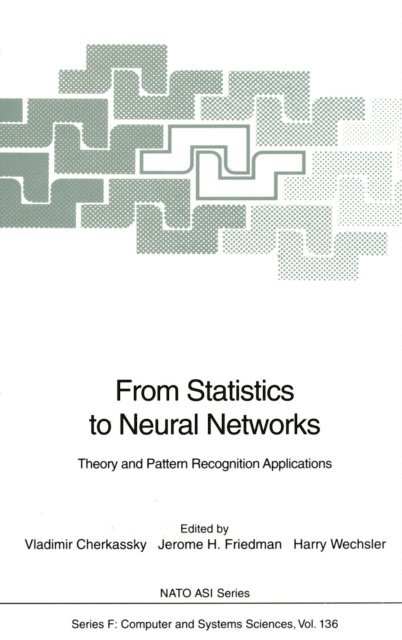
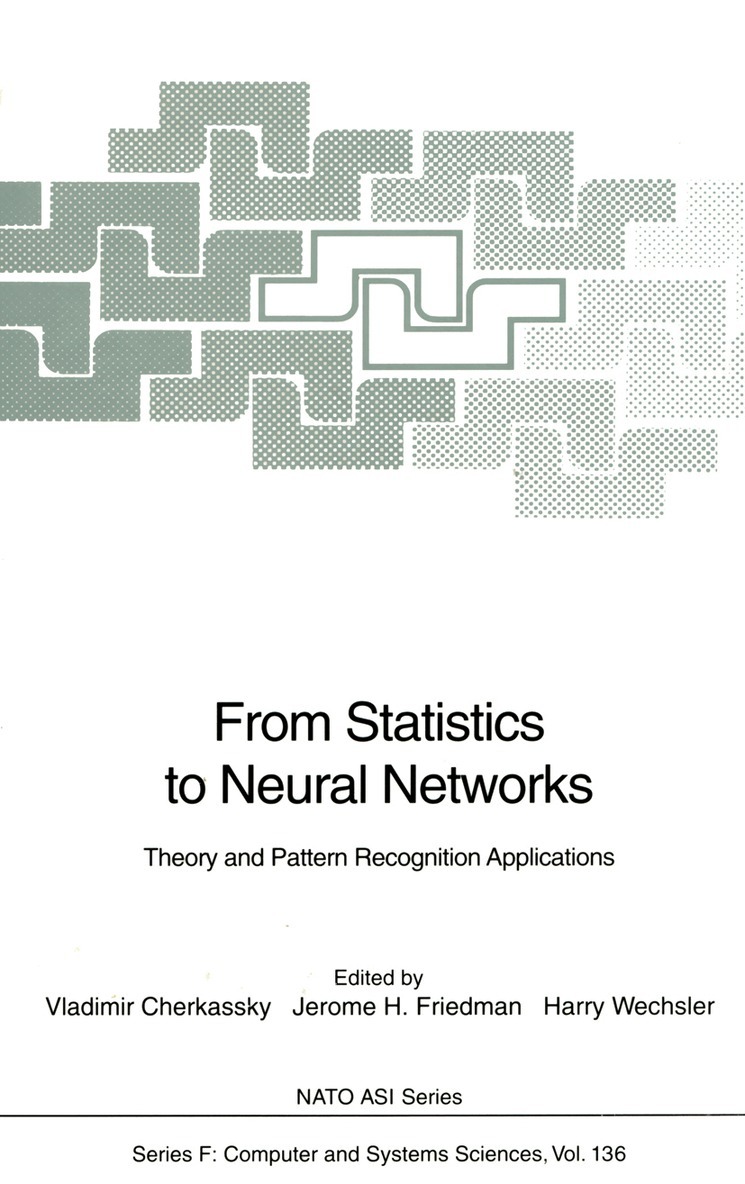
From Statistics to Neural Networks
Theory and Pattern Recognition Applications
Av Harry Wechsler, Jerome H. Friedman m. fl.
E-bok, 2012
1459 kr
Lägg i varukorg
The NATO Advanced Study Institute From Statistics to Neural Networks, Theory and Pattern Recognition Applications took place in Les Arcs, Bourg Saint Maurice, France, from June 21 through July 2, 1993. The meeting brought to gether over 100 participants (including 19 invited lecturers) from 20 …
From Statistics to Neural Networks
Theory and Pattern Recognition Applications
Av Vladimir Cherkassky, Jerome H. Friedman m. fl.
Häftad, 2011
1095 kr
Lägg i varukorg
The NATO Advanced Study Institute From Statistics to Neural Networks, Theory and Pattern Recognition Applications took place in Les Arcs, Bourg Saint Maurice, France, from June 21 through July 2, 1993. The meeting brought to gether over 100 participants (including 19 invited lecturers) from 20 …