Hasan Kayali – författare
Visar alla böcker från författaren Hasan Kayali. Handla med fri frakt och snabb leverans.
5 produkter
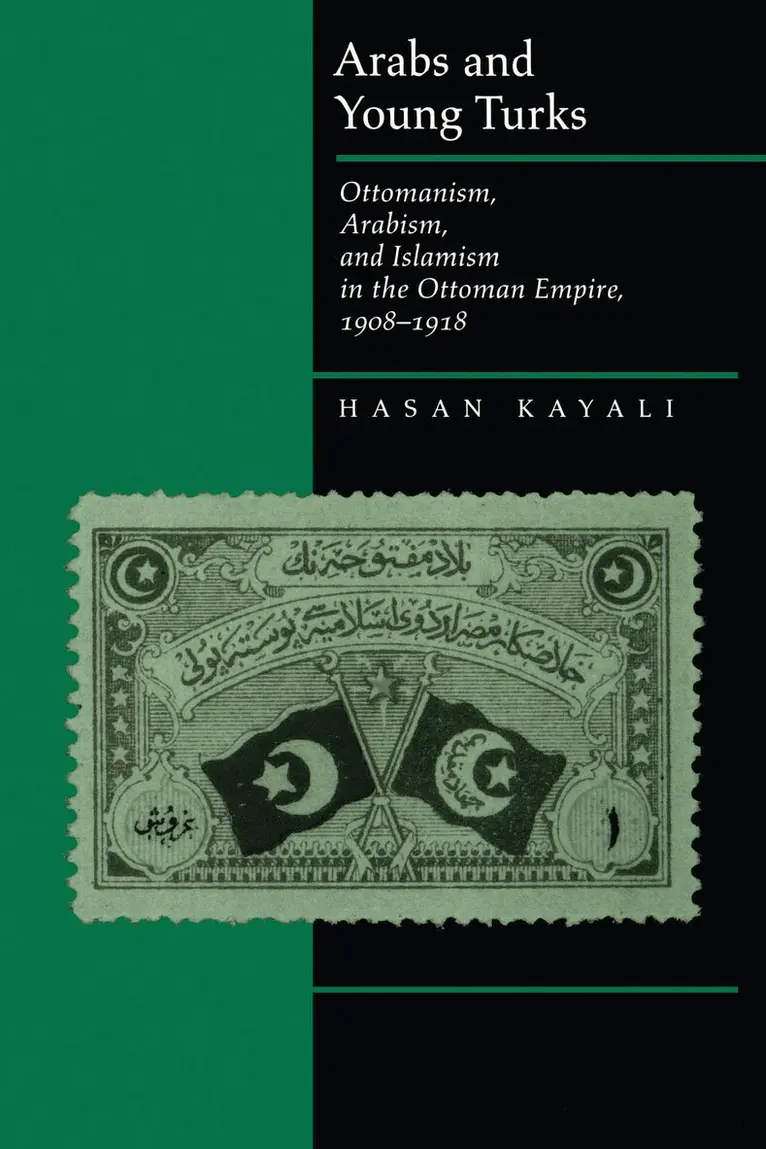
Arabs and Young Turks
Ottomanism, Arabism, and Islamism in the Ottoman Empire, 1908-1918
Av Hasan Kayali
Häftad, 1997
441 kr
Lägg i varukorg
Arabs and Young Turks provides a detailed study of Arab politics in the late Ottoman Empire as viewed from the imperial capital in Istanbul. In an analytical narrative of the Young Turk period (1908-1918) historian Hasan Kayali discusses Arab concerns on the one hand and the policies of the Ottoman …
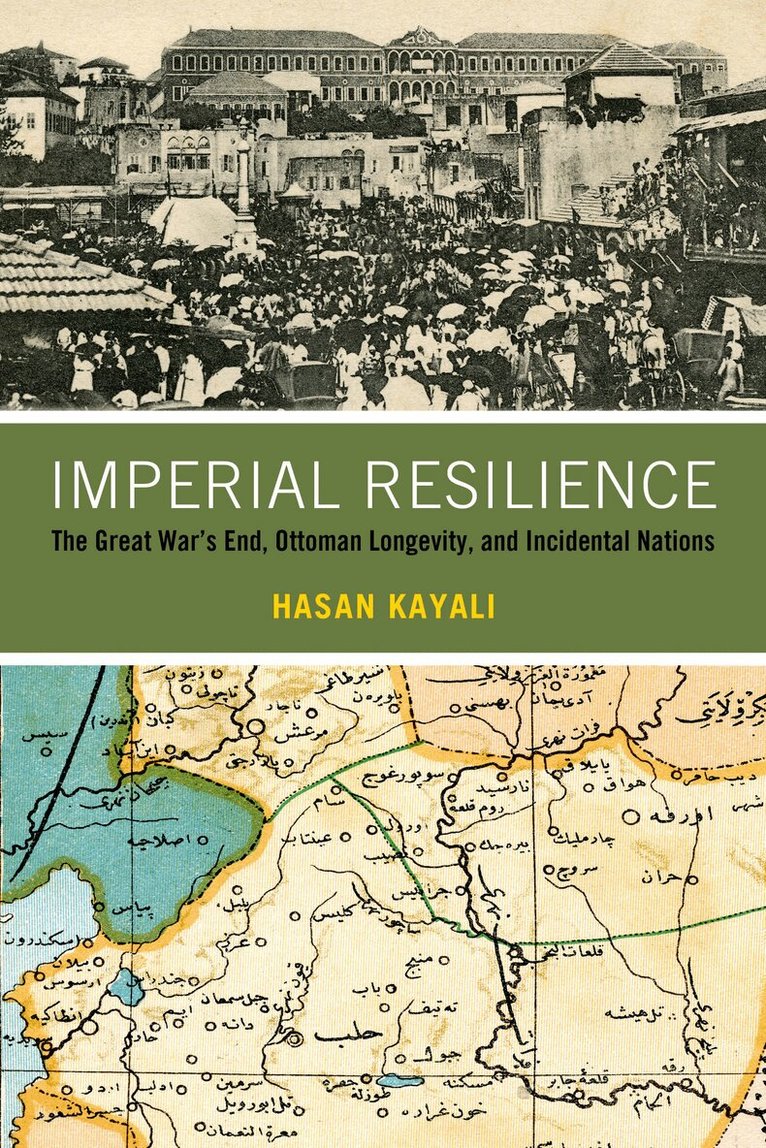
Imperial Resilience
The Great War's End, Ottoman Longevity, and Incidental Nations
Av Hasan Kayali
Inbunden, 2021
838 kr
Lägg i varukorg
Imperial Resilience tells the story of the enduring Ottoman landscape of the modern Middle East's formative years from the end of the First World War in 1918 to the conclusion of the peace settlement for the empire in 1923. Hasan Kayali moves beyond both the well-known role that the First World …
Imperial Resilience
The Great War's End, Ottoman Longevity, and Incidental Nations
Av Hasan Kayali
Häftad, 2021
5,0 utav 5 stjärnor. Totalt antal röster: (1)
270 kr
Lägg i varukorg
Imperial Resilience tells the story of the enduring Ottoman landscape of the modern Middle East's formative years from the end of the First World War in 1918 to the conclusion of the peace settlement for the empire in 1923. Hasan Kayali moves beyond both the well-known role that the First World …
Arabs and Young Turks
Ottomanism, Arabism, and Islamism in the Ottoman Empire, 1908-1918
Av Hasan Kayali
E-bok, 1997
506 kr
Lägg i varukorg
Arabs and Young Turks provides a detailed study of Arab politics in the late Ottoman Empire as viewed from the imperial capital in Istanbul. In an analytical narrative of the Young Turk period (1908-1918) historian Hasan Kayali discusses Arab concerns on the one hand and the policies of the Ottoman …
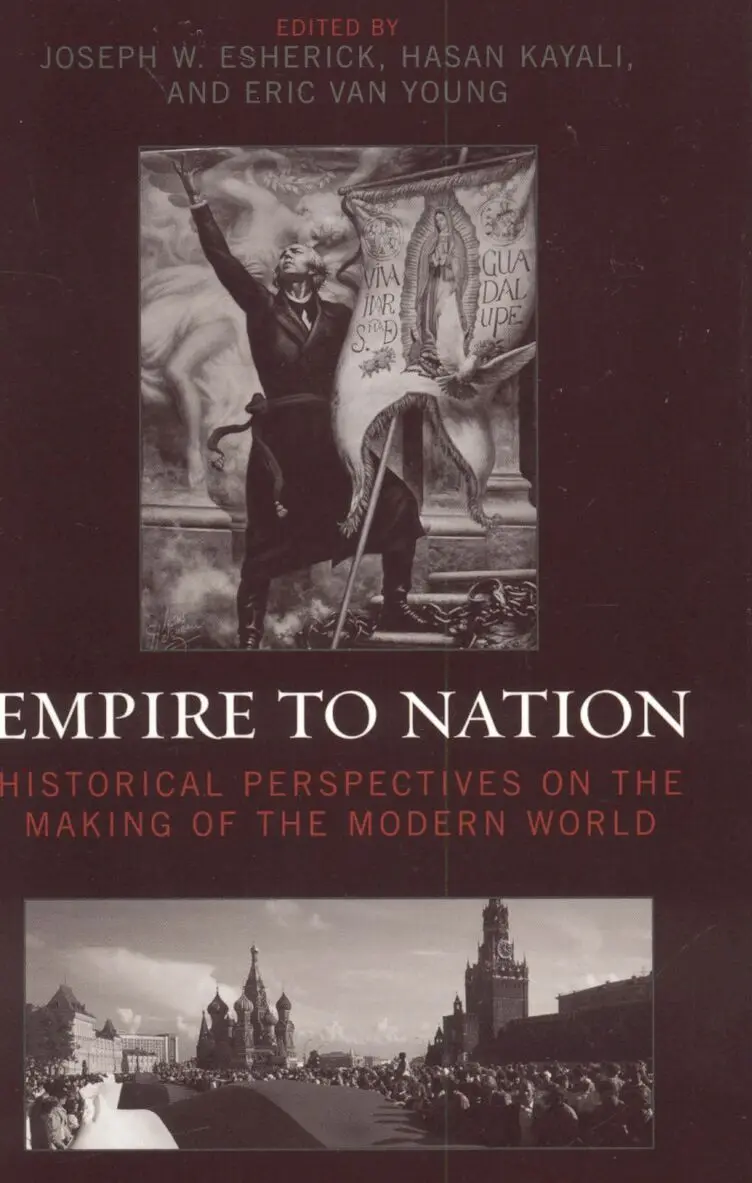
Empire to Nation
Historical Perspectives on the Making of the Modern World
Av Joseph W. Esherick, Hasan Kayali m. fl.
Häftad, 2006
879 kr
Lägg i varukorg
The fall of empires and the rise of nation-states was a defining political transition in the making of the modern world. As United States imperialism becomes a popular focus of debate, we must understand how empire, the nineteenth century's dominant form of large-scale political organization, had …