Héctor Hoyos - Böcker
Visar alla böcker från författaren Héctor Hoyos. Handla med fri frakt och snabb leverans.
4 produkter
4 produkter
1 182 kr
Skickas inom 7-10 vardagar
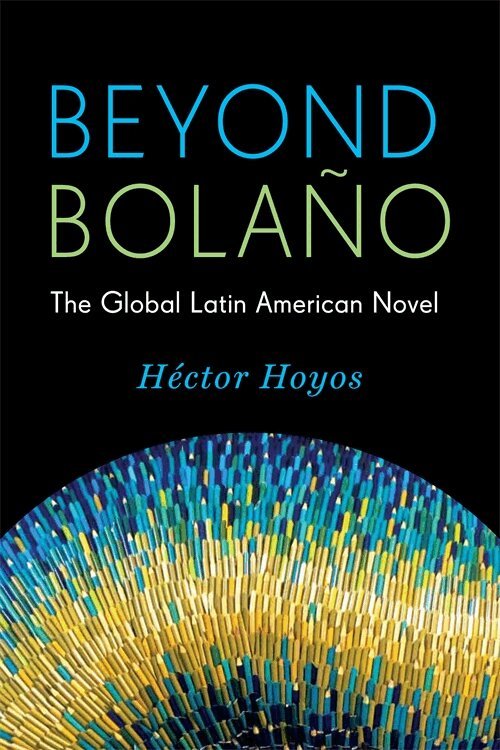
Through a comparative analysis of the novels of Roberto Bolano and the fictional work of Cesar Aira, Mario Bellatin, Diamela Eltit, Chico Buarque, Alberto Fuguet, and Fernando Vallejo, among other leading authors, Hector Hoyos defines and explores new trends in how we read and write in a globalized era. Calling attention to fresh innovations in form, voice, perspective, and representation, he also affirms the lead role of Latin American authors in reshaping world literature. Focusing on post-1989 Latin American novels and their representation of globalization, Hoyos considers the narrative techniques and aesthetic choices Latin American authors make to assimilate the conflicting forces at work in our increasingly interconnected world. Challenging the assumption that globalization leads to cultural homogenization, he identifies the rich textual strategies that estrange and re-mediate power relations both within literary canons and across global cultural hegemonies.Hoyos shines a light on the unique, avant-garde phenomena that animate these works, such as modeling literary circuits after the dynamics of the art world, imagining counterfactual "Nazi" histories, exposing the limits of escapist narratives, and formulating textual forms that resist worldwide literary consumerism. These experiments help reconfigure received ideas about global culture and advance new, creative articulations of world consciousness.
297 kr
Skickas inom 7-10 vardagar
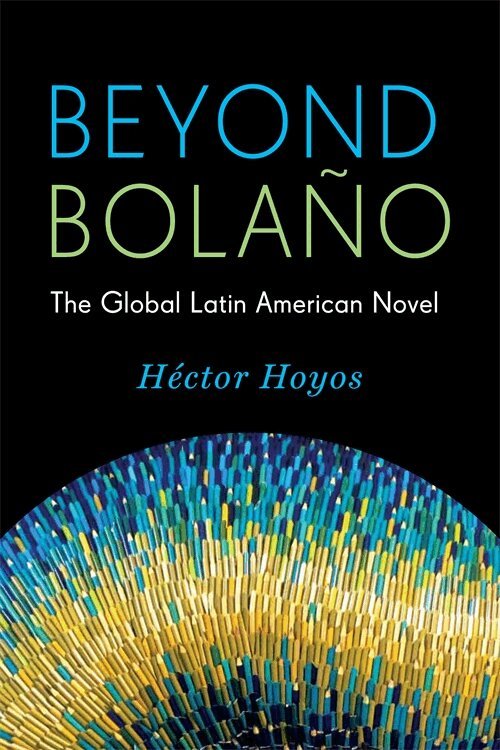
Through a comparative analysis of the novels of Roberto Bolano and the fictional work of Cesar Aira, Mario Bellatin, Diamela Eltit, Chico Buarque, Alberto Fuguet, and Fernando Vallejo, among other leading authors, Hector Hoyos defines and explores new trends in how we read and write in a globalized era. Calling attention to fresh innovations in form, voice, perspective, and representation, he also affirms the lead role of Latin American authors in reshaping world literature. Focusing on post-1989 Latin American novels and their representation of globalization, Hoyos considers the narrative techniques and aesthetic choices Latin American authors make to assimilate the conflicting forces at work in our increasingly interconnected world. Challenging the assumption that globalization leads to cultural homogenization, he identifies the rich textual strategies that estrange and re-mediate power relations both within literary canons and across global cultural hegemonies.Hoyos shines a light on the unique, avant-garde phenomena that animate these works, such as modeling literary circuits after the dynamics of the art world, imagining counterfactual "Nazi" histories, exposing the limits of escapist narratives, and formulating textual forms that resist worldwide literary consumerism. These experiments help reconfigure received ideas about global culture and advance new, creative articulations of world consciousness.
Things with a History
Transcultural Materialism and the Literatures of Extraction in Contemporary Latin America
Inbunden, Engelska, 2019
1 273 kr
Skickas inom 7-10 vardagar
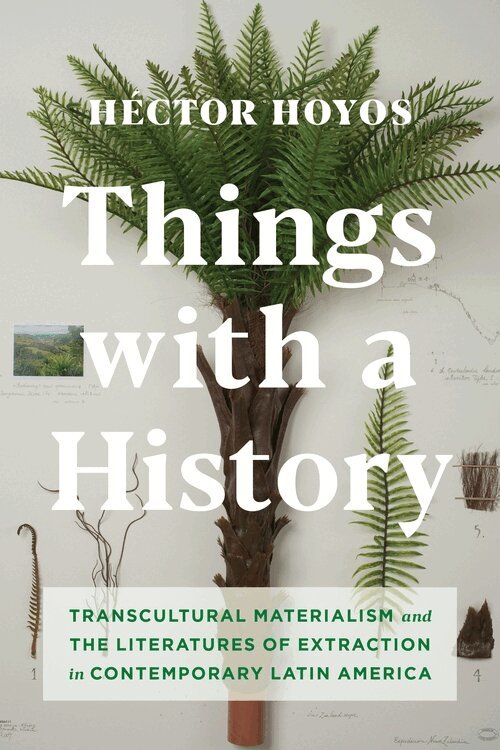
Can rubber trees, silicone dolls, corpses, soil, subatomic particles, designer shoes, and discarded computers become the protagonists of contemporary literature—and what does this tell us about the relationship between humans and objects? In Things with a History, Héctor Hoyos argues that the roles of objects in recent Latin American fiction offer a way to integrate materialisms old and new, transforming our understanding of how things shape social and political relations.Discussing contemporary authors including Roberto Bolaño, Ariel Magnus, César Aira, and Blanca Wiethüchter as well as classic writers such as Fernando Ortiz and José Eustasio Rivera, Hoyos considers how Latin American literature has cast things as repositories of history, with an emphasis on the radically transformed circulation of artifacts under globalization. He traces a tradition of thought, transcultural materialism, that draws from the capacity of literary language to defamiliarize our place within the tangible world. Hoyos contrasts new materialisms with historical-materialist approaches, exposing how recent tendencies sometimes sidestep concepts such as primitive accumulation, commodity fetishism, and conspicuous consumption, which have been central to Latin American history and literature. He contends that an integrative approach informed by both historical and new materialisms can balance seeing things as a means to reveal the true nature of social relations with appraisals of things in their autonomy. Things with a History simultaneously offers a sweeping account of the material turn in recent Latin American culture and reinvigorates social theory and cultural critique.
Things with a History
Transcultural Materialism and the Literatures of Extraction in Contemporary Latin America
Häftad, Engelska, 2019
324 kr
Skickas inom 7-10 vardagar
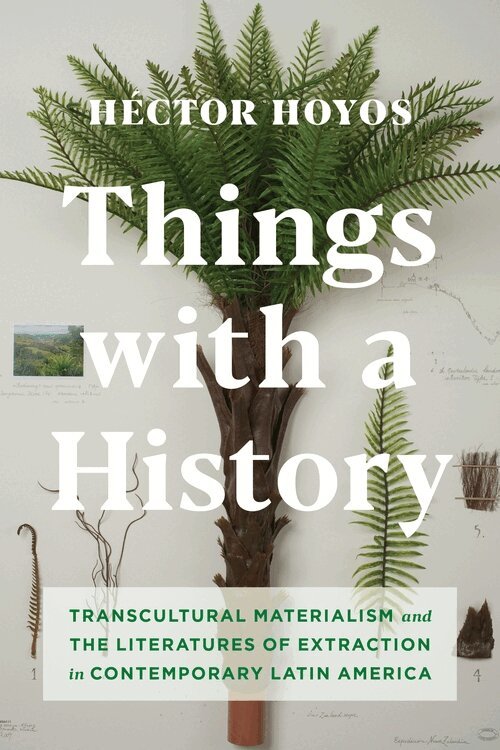
Can rubber trees, silicone dolls, corpses, soil, subatomic particles, designer shoes, and discarded computers become the protagonists of contemporary literature—and what does this tell us about the relationship between humans and objects? In Things with a History, Héctor Hoyos argues that the roles of objects in recent Latin American fiction offer a way to integrate materialisms old and new, transforming our understanding of how things shape social and political relations.Discussing contemporary authors including Roberto Bolaño, Ariel Magnus, César Aira, and Blanca Wiethüchter as well as classic writers such as Fernando Ortiz and José Eustasio Rivera, Hoyos considers how Latin American literature has cast things as repositories of history, with an emphasis on the radically transformed circulation of artifacts under globalization. He traces a tradition of thought, transcultural materialism, that draws from the capacity of literary language to defamiliarize our place within the tangible world. Hoyos contrasts new materialisms with historical-materialist approaches, exposing how recent tendencies sometimes sidestep concepts such as primitive accumulation, commodity fetishism, and conspicuous consumption, which have been central to Latin American history and literature. He contends that an integrative approach informed by both historical and new materialisms can balance seeing things as a means to reveal the true nature of social relations with appraisals of things in their autonomy. Things with a History simultaneously offers a sweeping account of the material turn in recent Latin American culture and reinvigorates social theory and cultural critique.