Hector Lindo-Fuentes – författare
Visar alla böcker från författaren Hector Lindo-Fuentes. Handla med fri frakt och snabb leverans.
4 produkter
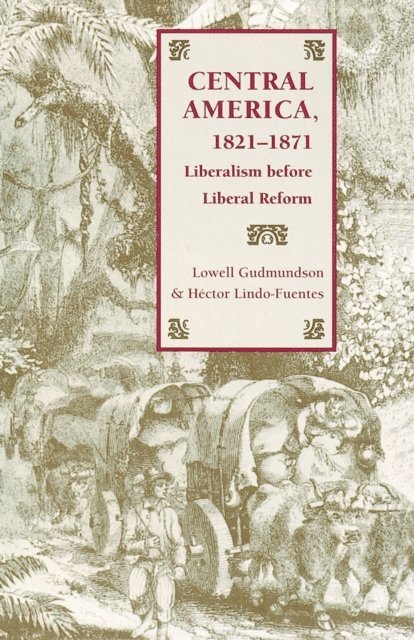
Central America, 1821-1871
Liberalism before Liberal Reform
Av Hector Lindo-Fuentes, Lowell Gudmundson
E-bok, 2015
585 kr
Lägg i varukorg
Two interrelated essays dealing with the economic, social, and political changes that took place in Central America Central America and its ill-fated federation (1824-1839) are often viewed as the archetype of the “anarchy” of early independent Spanish America. This book consists of two interralted …
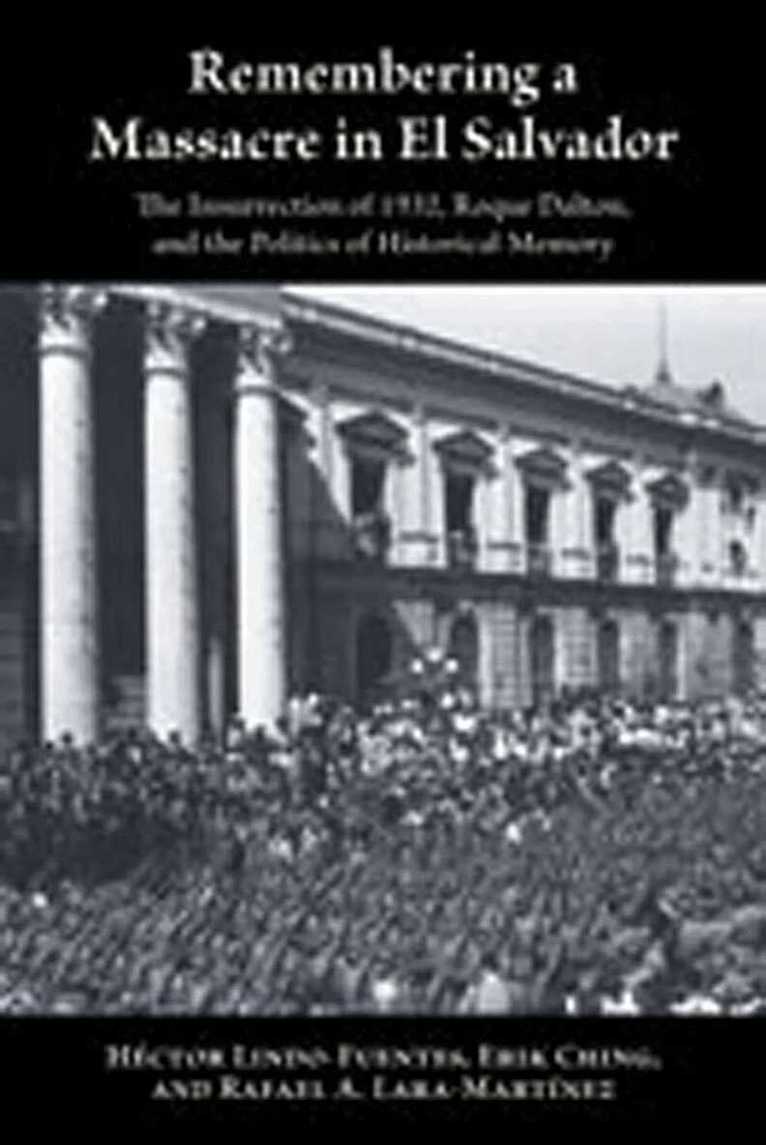
Remembering a Massacre in El Salvador
The Insurrection of 1932, Roque Dalton, and the Politics of Historical Memory
Av H'ector Lindo-Fuentes, Erik Ching m. fl.
Häftad, 2007
395 kr
Lägg i varukorg
In January 1932, thousands of peasants in western El Salvador rose up in armed rebellion. Armed mostly with machetes and a few guns, they attacked military garrisons, occupied towns, and looted or destroyed businesses, government buildings and private homes. In response, the army and local …
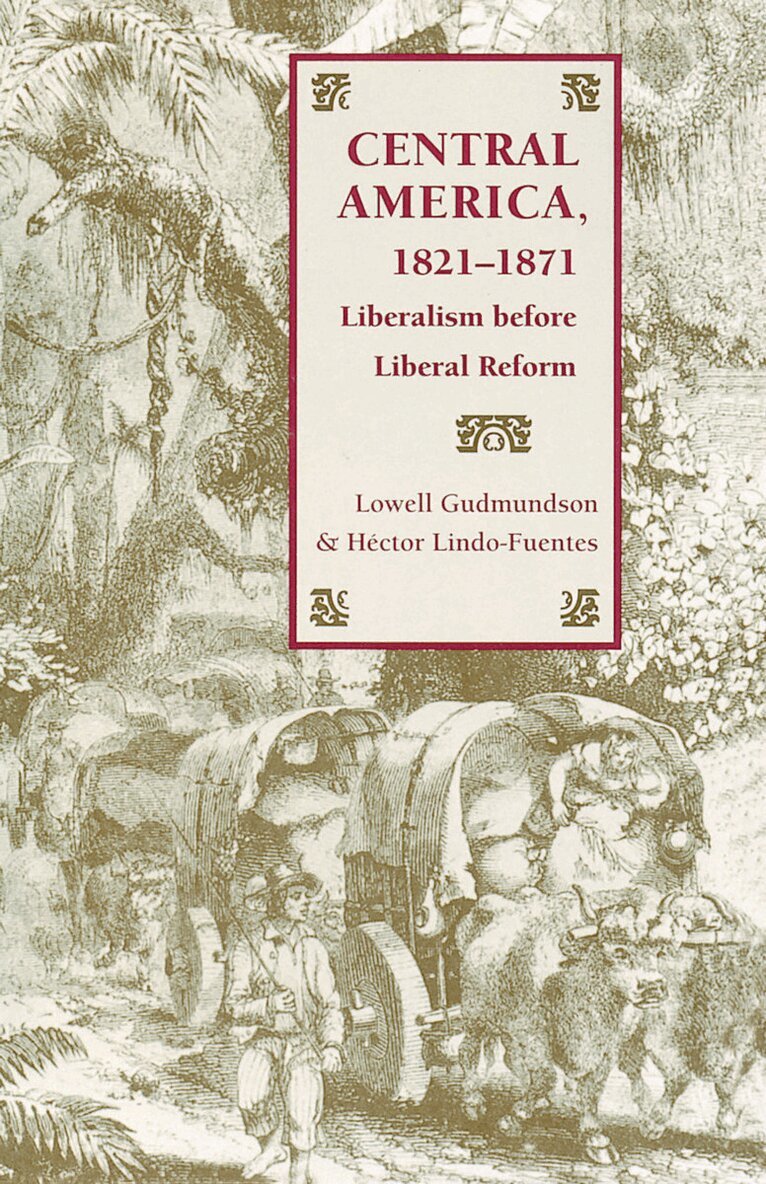
Central America, 1821-1871
Liberalism Before Liberal Reform
Av Lowell Gudmundson, H'ector Lindo-Fuentes
Häftad, 1995
338 kr
Tillfälligt slut
This volume consists of two interrelated essays dealing with the economic, social and political changes that took place in Central America, changes that led to both liberal regime consolidation and export agricultural development after the middle of the 19th century.
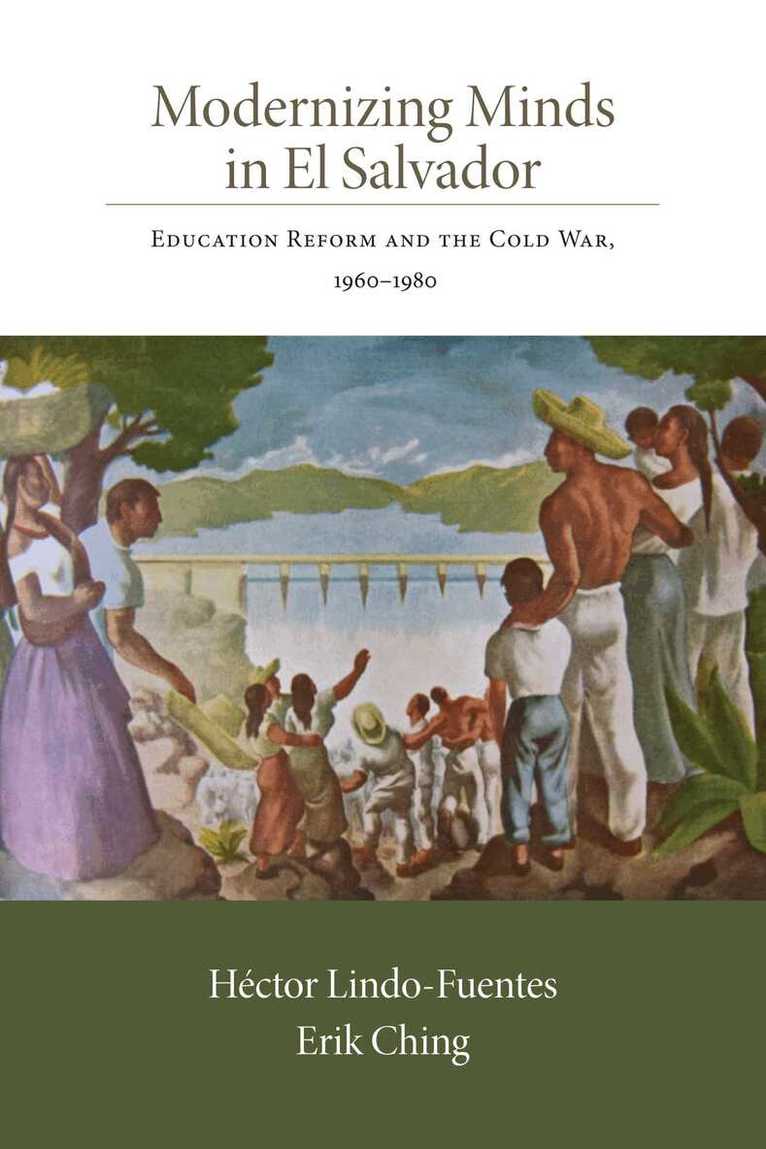
Modernizing Minds in El Salvador
Education Reform and the Cold War, 1960–1980
Av Héctor Lindo-Fuentes, Erik Ching
Häftad, 2012
338 kr
Tillfälligt slut
In the 1960s and 1970s, El Salvador's reigning military regime instituted a series of reforms that sought to modernize the country and undermine ideological radicalism, the most ambitious of which was an education initiative. It was multifaceted, but its most controversial component was the use of …