Erik Ching – författare
Visar alla böcker från författaren Erik Ching. Handla med fri frakt och snabb leverans.
11 produkter
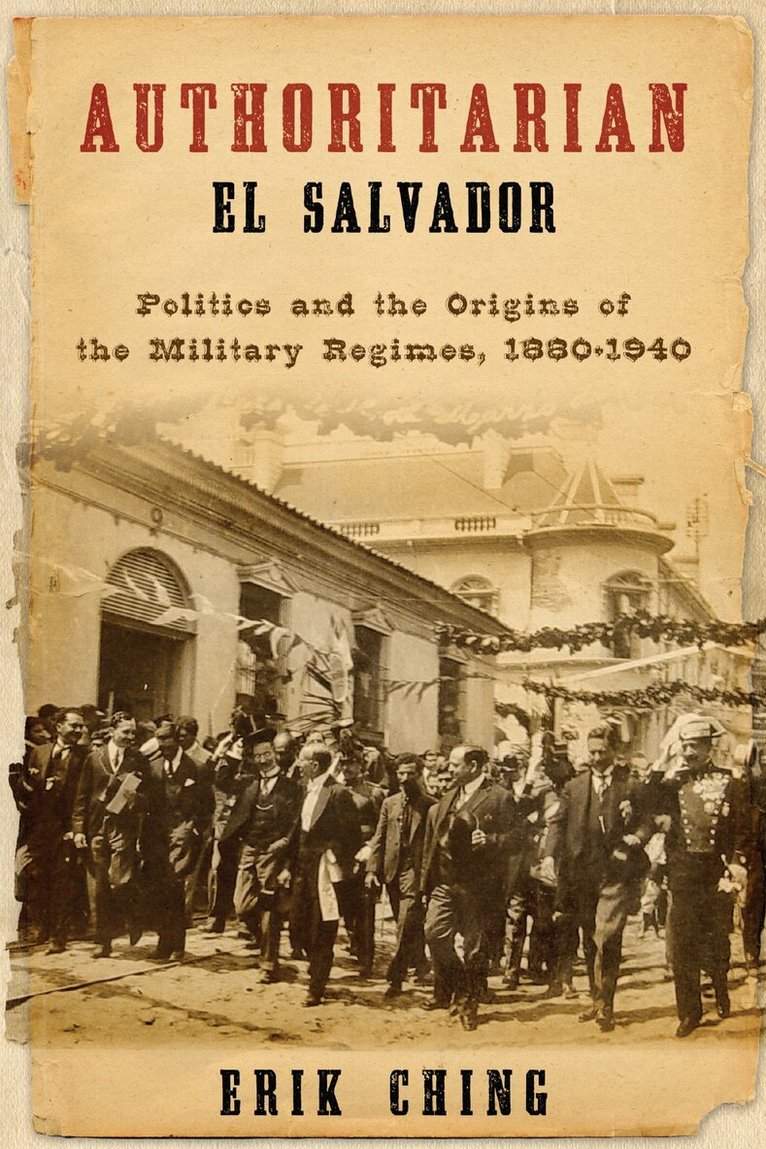
Authoritarian El Salvador
Politics and the Origins of the Military Regimes, 1880-1940
Av Erik Ching
Häftad, 2014
942 kr
Lägg i varukorg
In December 1931, El Salvador's civilian president, Arturo Araujo, was overthrown in a military coup. Such an event was hardly unique in Salvadoran history, but the 1931 coup proved to be a watershed. Araujo had been the nation's first democratically elected president, and although no one could …
Authoritarian El Salvador
Politics and the Origins of the Military Regimes, 1880-1940
Av Erik Ching
Inbunden, 2022
2333 kr
Lägg i varukorg
In December 1931, El Salvador's civilian president, Arturo Araujo, was overthrown in a military coup. Such an event was hardly unique in Salvadoran history, but the 1931 coup proved to be a watershed. Araujo had been the nation's first democratically elected president, and although no one could …
Reframing Latin America
A Cultural Theory Reading of the Nineteenth and Twentieth Centuries
Av Erik Ching, Christina Buckley m. fl.
Häftad, 2007
400 kr
Lägg i varukorg
Providing an extensive introduction to cultural studies in general, regardless of chronological or geographic focus, and presenting provocative, essential readings from Latin American writers of the last two centuries, Reframing Latin America brings much-needed accessibility to the concepts of …
Remembering a Massacre in El Salvador
The Insurrection of 1932, Roque Dalton, and the Politics of Historical Memory
Av H'ector Lindo-Fuentes, Erik Ching m. fl.
Häftad, 2007
395 kr
Lägg i varukorg
In January 1932, thousands of peasants in western El Salvador rose up in armed rebellion. Armed mostly with machetes and a few guns, they attacked military garrisons, occupied towns, and looted or destroyed businesses, government buildings and private homes. In response, the army and local …
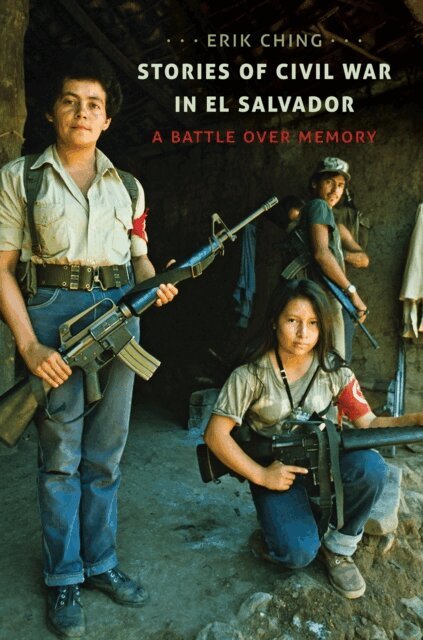
Stories of Civil War in El Salvador
A Battle Over Memory
Av Erik. Ching
Häftad, 2016
457 kr
Lägg i varukorg
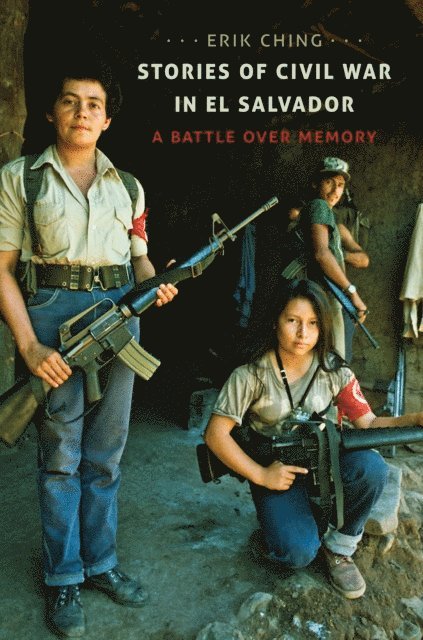
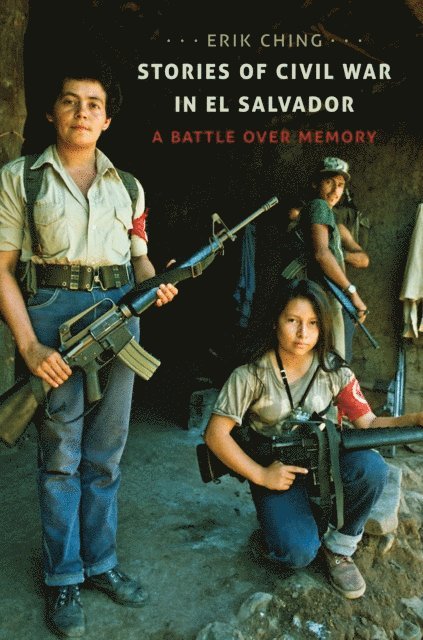
El Salvador’s civil war began in 1980 and ended twelve bloody years later.It saw extreme violence on both sides, including the terrorising and targetingof civilians by death squads, recruitment of child soldiers, and the death anddisappearance of more than 75,000 people. Examining El Salvador’s …
Stories of Civil War in El Salvador
A Battle over Memory
Av Erik Ching
E-bok, 2016
286 kr
Lägg i varukorg
El Salvador''s civil war began in 1980 and ended twelve bloody years later. It saw extreme violence on both sides, including the terrorizing and targeting of civilians by death squads, recruitment of child soldiers, and the death and disappearance of more than 75,000 people. Examining El …
Stories of Civil War in El Salvador
A Battle over Memory
Av Erik Ching
E-bok, 2016
2140 kr
Lägg i varukorg
El Salvador''s civil war began in 1980 and ended twelve bloody years later. It saw extreme violence on both sides, including the terrorizing and targeting of civilians by death squads, recruitment of child soldiers, and the death and disappearance of more than 75,000 people. Examining El …
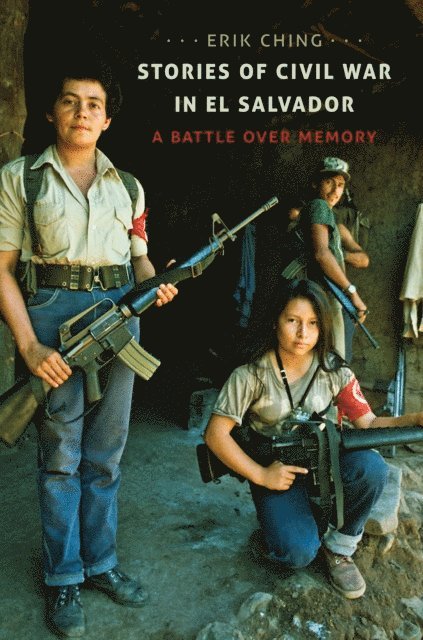
Stories of Civil War in El Salvador
A Battle Over Memory
Av Erik. Ching
Inbunden, 2016
1226 kr
Lägg i varukorg
El Salvador’s civil war began in 1980 and ended twelve bloody years later.It saw extreme violence on both sides, including the terrorising and targetingof civilians by death squads, recruitment of child soldiers, and the death anddisappearance of more than 75,000 people. Examining El Salvador’s …
Stories of Civil War in El Salvador
A Battle over Memory
Av Erik Ching
E-bok, 2016
279 kr
Lägg i varukorg
El Salvador''s civil war began in 1980 and ended twelve bloody years later. It saw extreme violence on both sides, including the terrorizing and targeting of civilians by death squads, recruitment of child soldiers, and the death and disappearance of more than 75,000 people. Examining El …
Stories of Civil War in El Salvador
A Battle over Memory
Av Erik Ching
E-bok, 2016
2140 kr
Lägg i varukorg
El Salvador''s civil war began in 1980 and ended twelve bloody years later. It saw extreme violence on both sides, including the terrorizing and targeting of civilians by death squads, recruitment of child soldiers, and the death and disappearance of more than 75,000 people. Examining El …
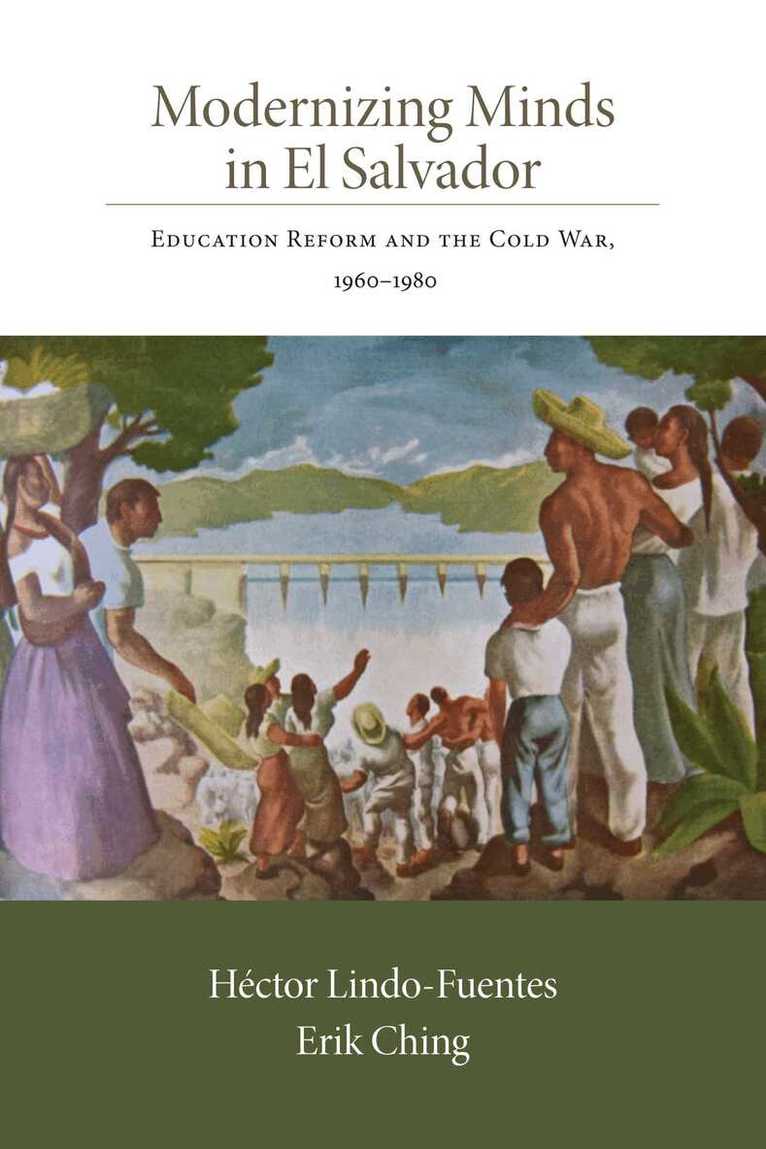
Modernizing Minds in El Salvador
Education Reform and the Cold War, 1960–1980
Av Héctor Lindo-Fuentes, Erik Ching
Häftad, 2012
338 kr
Tillfälligt slut
In the 1960s and 1970s, El Salvador's reigning military regime instituted a series of reforms that sought to modernize the country and undermine ideological radicalism, the most ambitious of which was an education initiative. It was multifaceted, but its most controversial component was the use of …