Heidi Asbjornsen – författare
Visar alla böcker från författaren Heidi Asbjornsen. Handla med fri frakt och snabb leverans.
4 produkter
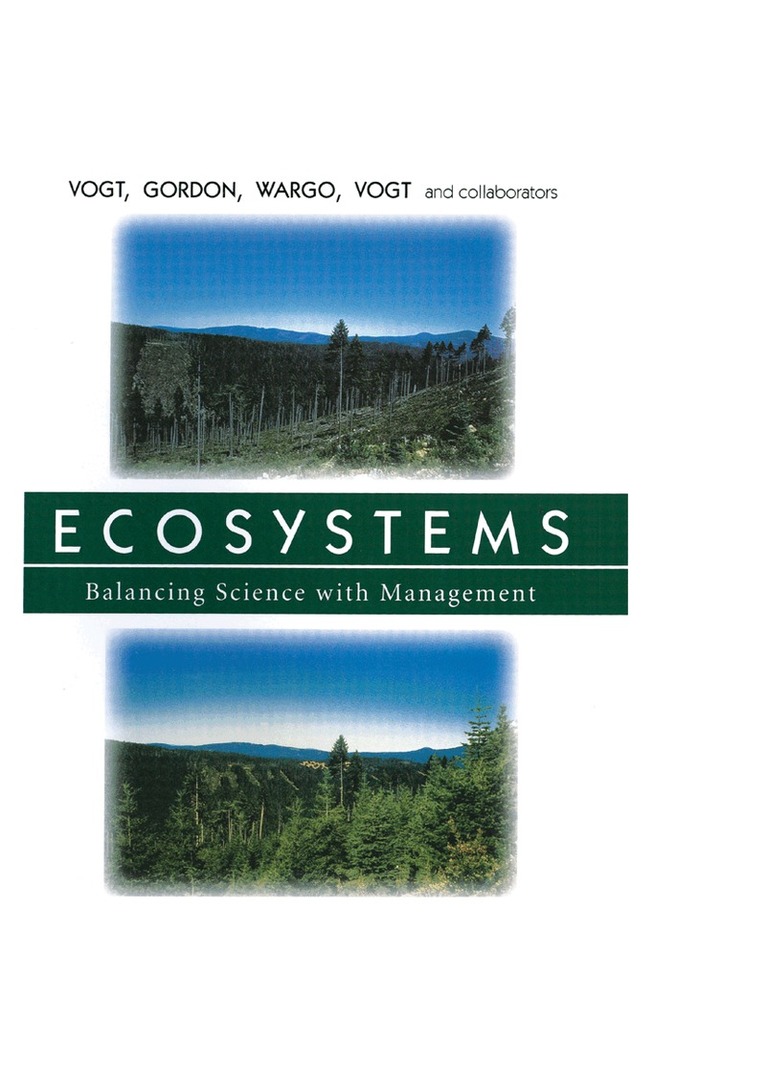
Ecosystems
Balancing Science with Management
Av Kristiina Vogt, John Gordon m. fl.
Häftad, 1996
1204 kr
Lägg i varukorg
Ecosystem management has gained widespread visibility as an approach to the management of land to achieve sustainable natural resource use. Despite widespread interest in this emerging management paradigm, Ecosystems: Balancing Science with Management is the first book to directly propose …
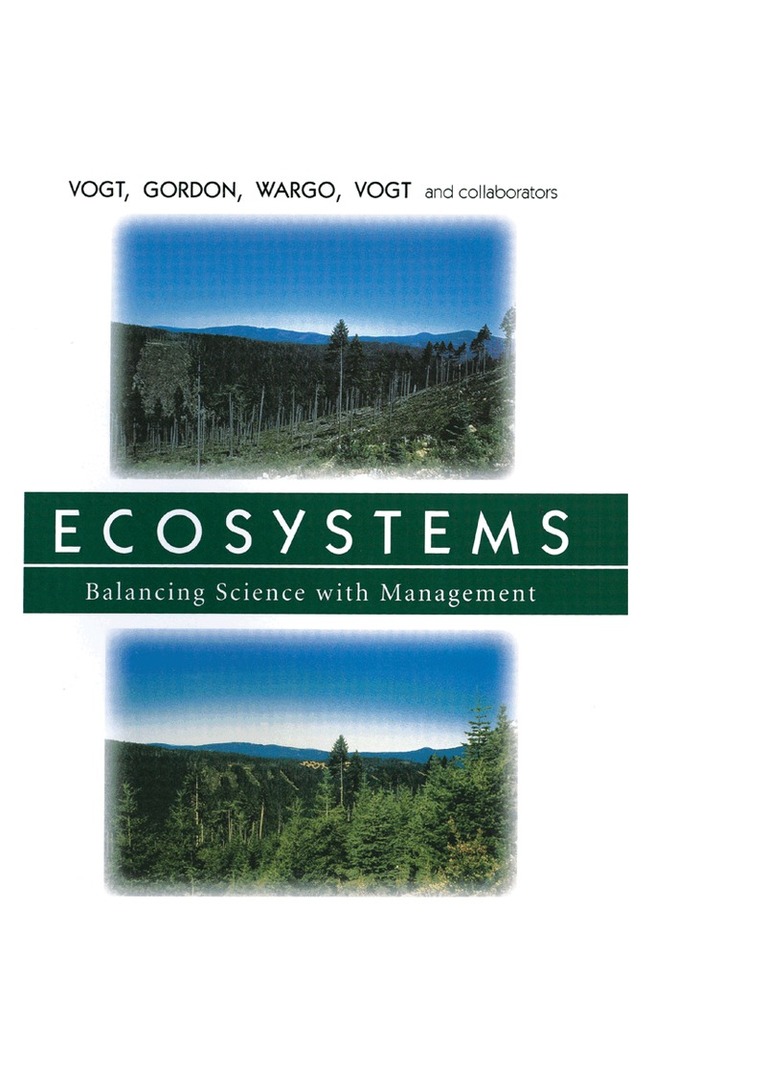
Ecosystems
Balancing Science with Management
Av Kristiina Vogt, John Gordon m. fl.
Inbunden, 1996
1639 kr
Lägg i varukorg
Ecosystem management has gained widespread visibility as an approach to the management of land to achieve sustainable natural resource use. Despite widespread interest in this emerging management paradigm, Ecosystems: Balancing Science with Management is the first book to directly propose …
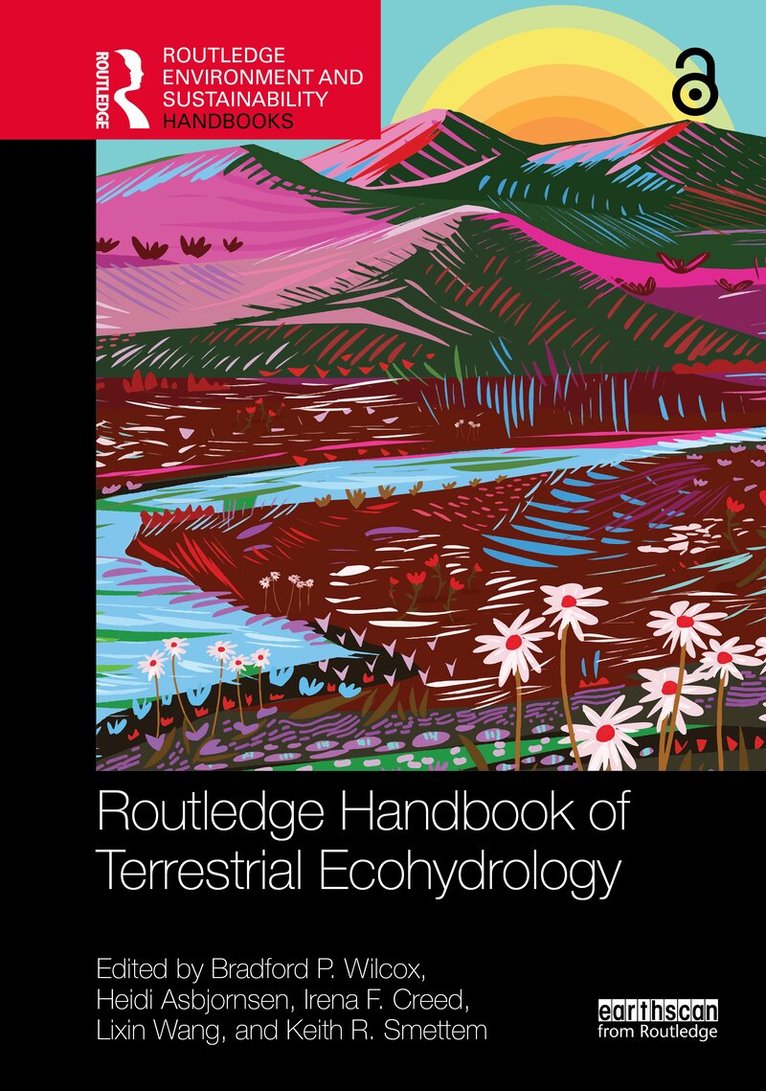
Routledge Handbook of Terrestrial Ecohydrology
Av Bradford P. Wilcox, Heidi Asbjornsen m. fl.
Inbunden, 2026
3781 kr
Lägg i varukorg
This handbook provides a comprehensive overview of terrestrial ecohydrology, a rapidly evolving discipline focusing on the interactions of biota and water.Understanding these interactions is especially important given the pace and scale of environmental change, with climate warming, deforestation, …
Ecosystems
Balancing Science with Management
Av Evie Witten, Toral Patel-Weynand m. fl.
E-bok, 2013
1622 kr
Lägg i varukorg
Ecosystem management has gained widespread visibility as an approach to the management of land to achieve sustainable natural resource use. Despite widespread interest in this emerging management paradigm, Ecosystems: Balancing Science with Management is the first book to directly propose …