Helen Harwood - Böcker
Visar alla böcker från författaren Helen Harwood. Handla med fri frakt och snabb leverans.
5 produkter
5 produkter
173 kr
Skickas
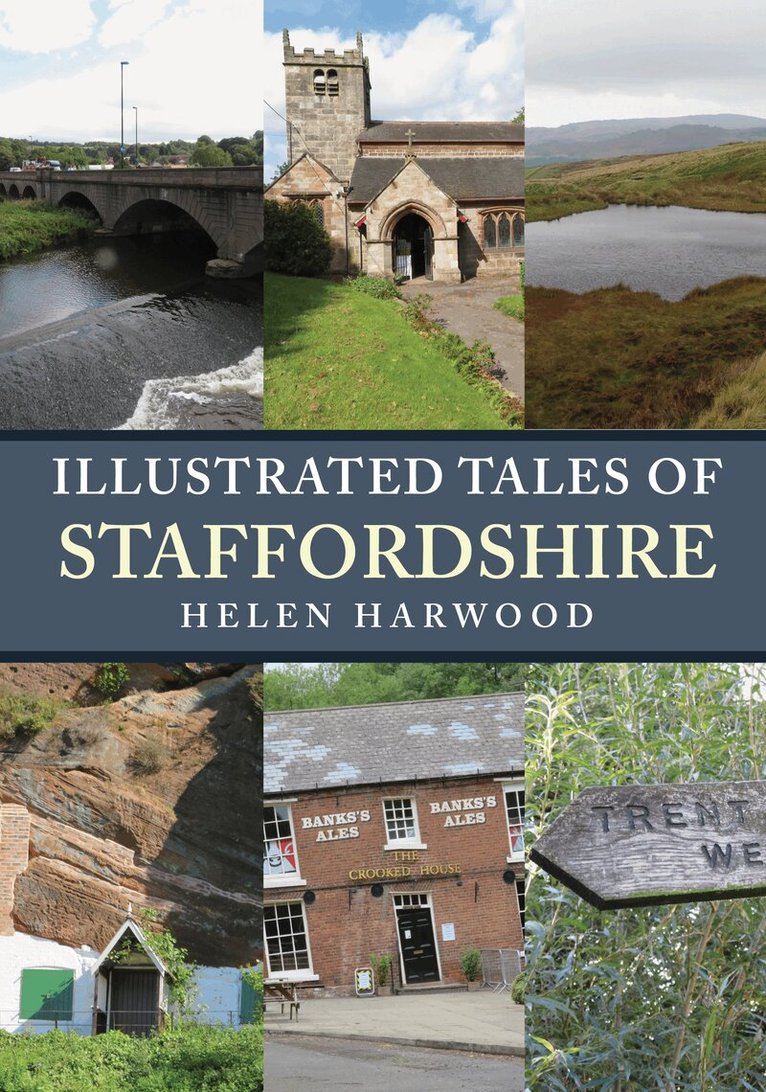
Staffordshire is renowned for its impressive industrial heritage and as one of the counties that drove the Industrial Revolution. In this book Helen Harwood looks at another aspect of the countyʼs history: its rich folklore, which is all too often overlooked by the standard histories and guides. Here are the myths, legends, superstitions and customs that are an intrinsic part of Staffordshireʼs character and cultural heritage. Among the items featured are the annual tradition of the Abbots Bromley Horn Dance, the legend of the Burslem witch and some of the lesser-known customs such as the Boy Bishop and the Mock Mayor. Readers are also taken to some curious and mystical locations, which provided the setting for some unusual tales and bizarre events. In recognition of the countyʼs industrial heritage the author highlights the old customs linked to pottery and mining. Illustrated throughout, this fascinating book reveals some strange and surprising aspects of Staffordshireʼs history that will both enlighten and entertain readers.
173 kr
Skickas
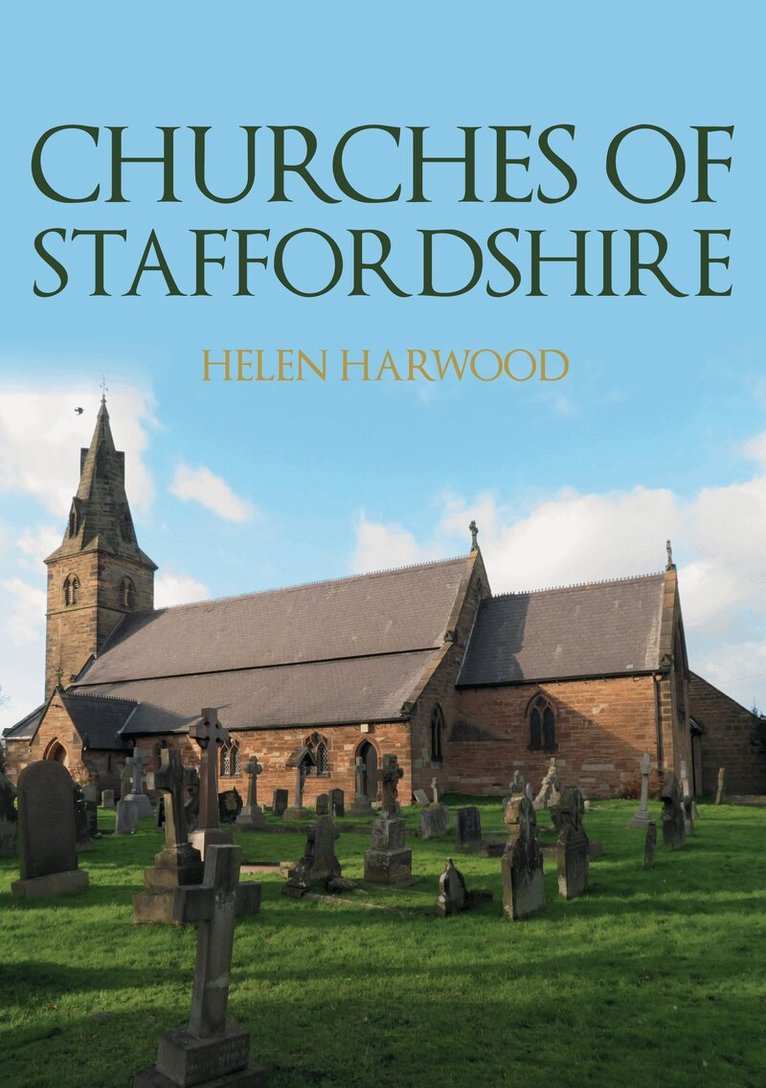
The county of Staffordshire has a rich and diverse past which is reflected in its historic churches. It has a varied landscape, from the conurbation of Stoke-on-Trent, the county town of Stafford and the cathedral city of Lichfield, to industrial towns such as Burton-upon-Trent, smaller market towns, agricultural land and the more sparsely populated areas of Cannock Chase and the Peak District. In Churches of Staffordshire, author Helen Harwood explores a selection of the most interesting churches across the whole of the county, both well known and those waiting to be discovered by a wider audience. The buildings range from rural and urban churches, dating from the medieval period to the modern age, covering various denominations, including the parish church of St Margaret’s, Wolstanton, whose tower is the oldest building in the area; Pugin’s Catholic churches, including his ‘masterpiece’ at Cheadle and Coven Methodist chapel, built in the 1830s, which is one of the oldest Wesleyan chapels in the county. Each has their own interesting story to tell. This fascinating picture of an important part of the history of Staffordshire over the centuries will be of interest to all those who live in or are visiting this attractive county in England.
167 kr
Skickas
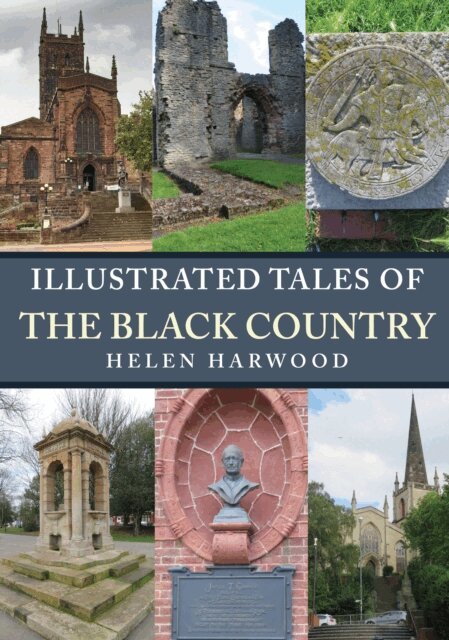
The Black Country in the West Midlands was at the heart of the Industrial Revolution. The area became known for its intensive heavy industries and a unique identity developed around the densely populated towns of the Black Country. Over the years a host of strange and unusual tales have grown up around the Black Country, from remarkable historical happenings and stories of the supernatural to more recent documented cases. Curious beliefs and customs were once widespread in the area’s towns and villages, some of which still flourish today. The fascinating and quirky stories include the building of the world’s first successful steam engine by Thomas Newcomen, celebrated today by Black Country Day, and the manufacture of the anchor for the Titanic, the largest ship in the world at that time. A replica of Newcomen’s engine can be seen today at the Black Country Living Museum and a replica of Titanic’s anchor stands in Netherton town centre. Holbeach House near Dudley was the site of the last stand of the Gunpowder Plotters and Dudley Castle is known as one of the most haunted castles in the country, its many ghosts including the Grey Lady. Fully illustrated throughout, Illustrated Tales of the Black Country explores these stories and others of local historical importance.
173 kr
Skickas
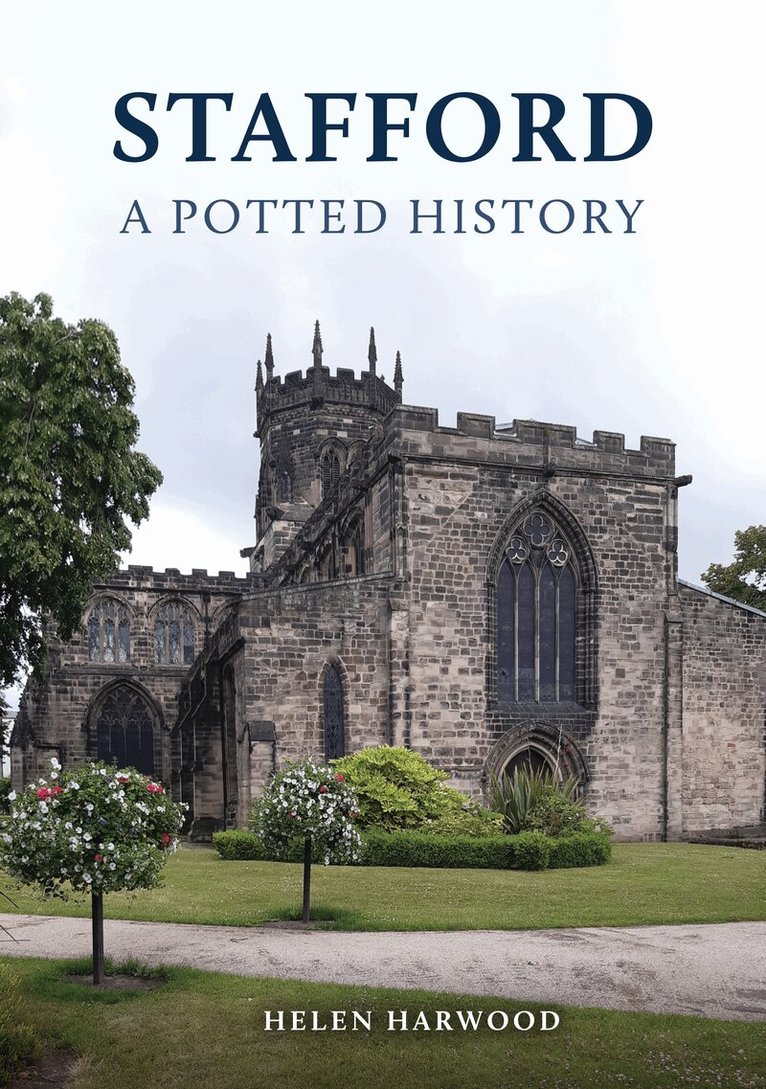
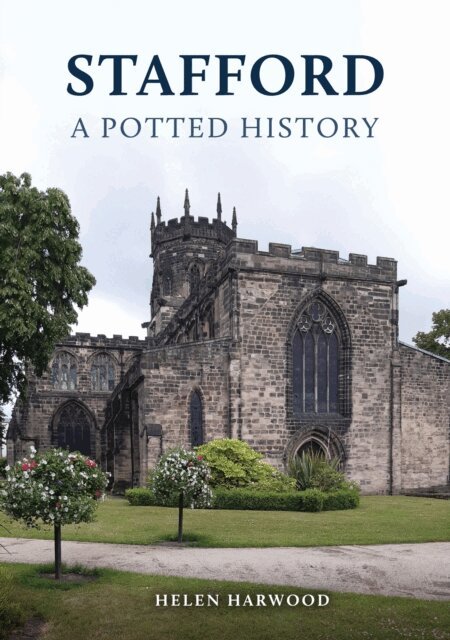
Stafford’s history can be traced back to an Anglo-Saxon settlement, when it became the county town of Staffordshire. The Normans built a castle in the town and a priory was founded nearby. The two medieval churches in the centre of the town also survive from this period. Stafford was fought over during the Civil War and was eventually captured by Parliamentary forces. In later centuries Stafford’s wealth grew from industries such as shoemaking and later engineering, and the arrival of the canal network through the River Sow Navigation and the railway in the nineteenth century. Stafford’s history also features its military connections, the story of crime and punishment in the town, and recreation, not least the foundation of the Stafford Rangers Football Club in 1876 and the opening of Victoria Park in 1908.Illustrated throughout, this accessible historical portrait of the transformation that Stafford has undergone through the ages will be of great interest to residents, visitors and all those with links to the area.
168 kr
Skickas
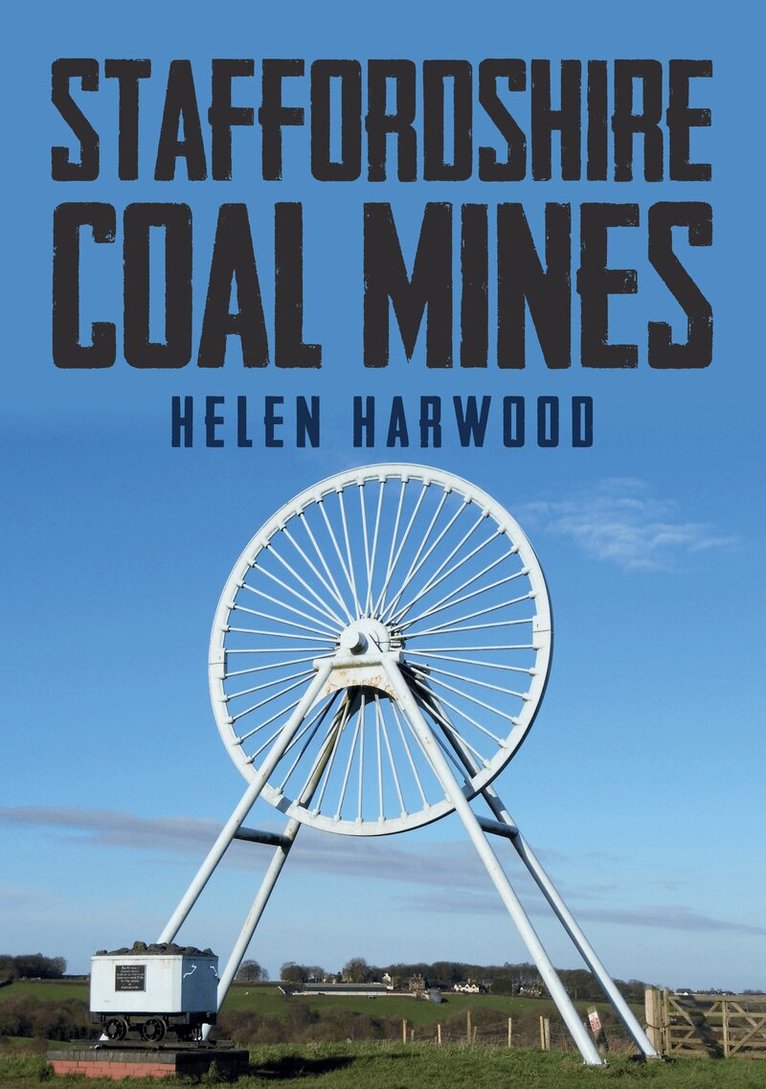
Which colliery was known as the ‘Fair Lady’? And where was the deepest mine shaft? These are just two of the many questions answered in this history of the Staffordshire coal mines and the collieries that were bedrocks of local communities.From their early beginnings in Roman times through to the growth of the Industrial Revolution, subsequent depressions and strikes until the last closures in the 1980s, Helen Harwood takes us on a journey through the history of the mines that shaped the county of Staffordshire through the ages. Coal heated our homes, powered the railways, and fuelled the pottery kilns and the steel foundries, and later the power stations. It was the industry generations depended upon and united the county in a shared experience of hard work and danger.