Helen M. Buss – författare
Visar alla böcker från författaren Helen M. Buss. Handla med fri frakt och snabb leverans.
9 produkter
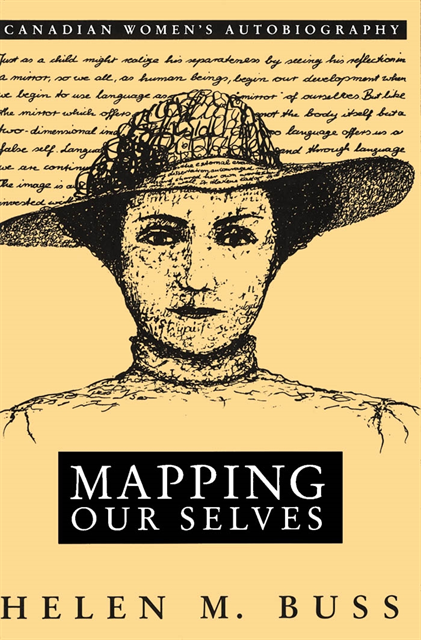
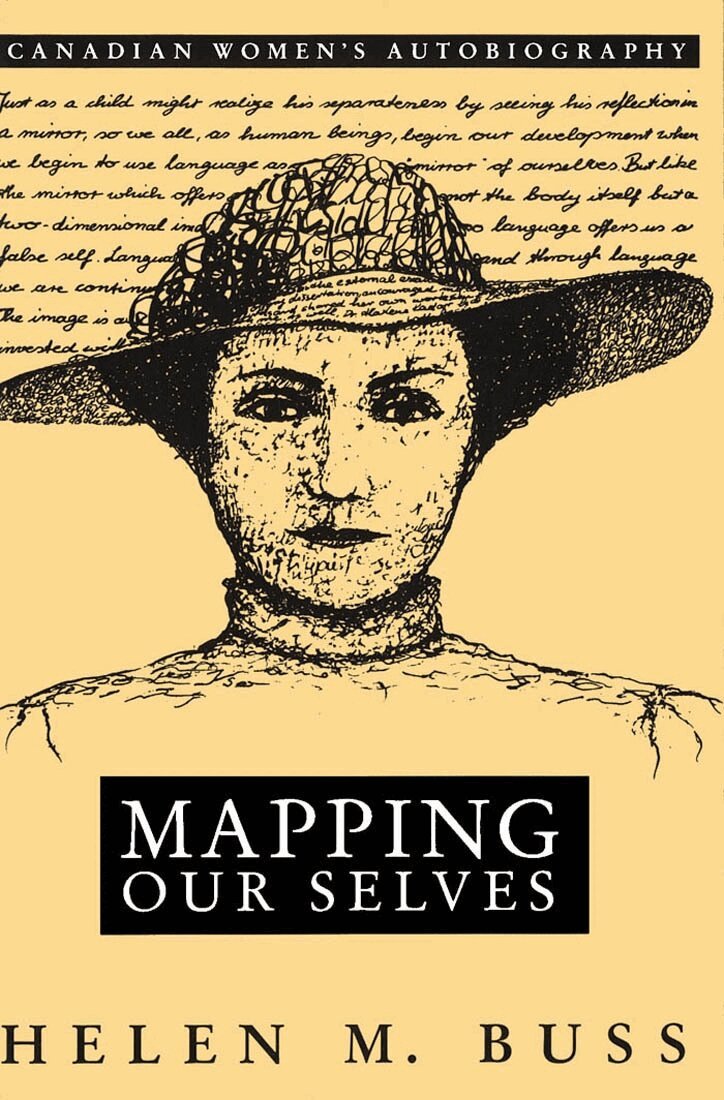
Mapping Our Selves
Canadian Women''s Autobiography
E-bok, 1993
1105 kr
Lägg i varukorg
Buss supplies a framework for her study by reviewing male-centred theories of identity and some of the ways in which theorists working with women''s autobiographical accounts are changing these models. The texts selected by Buss include those by Elizabeth Simcoe, Susanna Moodie, Anna Jameson, …
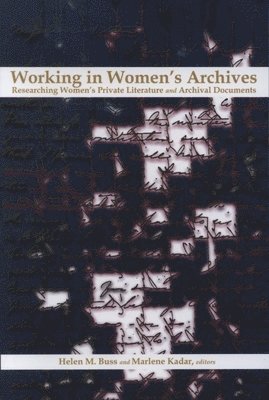
Working in Women's Archives: Researching Women's Private Literature and Archival Documents
Av Marlene Kadar, Helen M. Buss
Häftad, 2001
549 kr
Lägg i varukorg
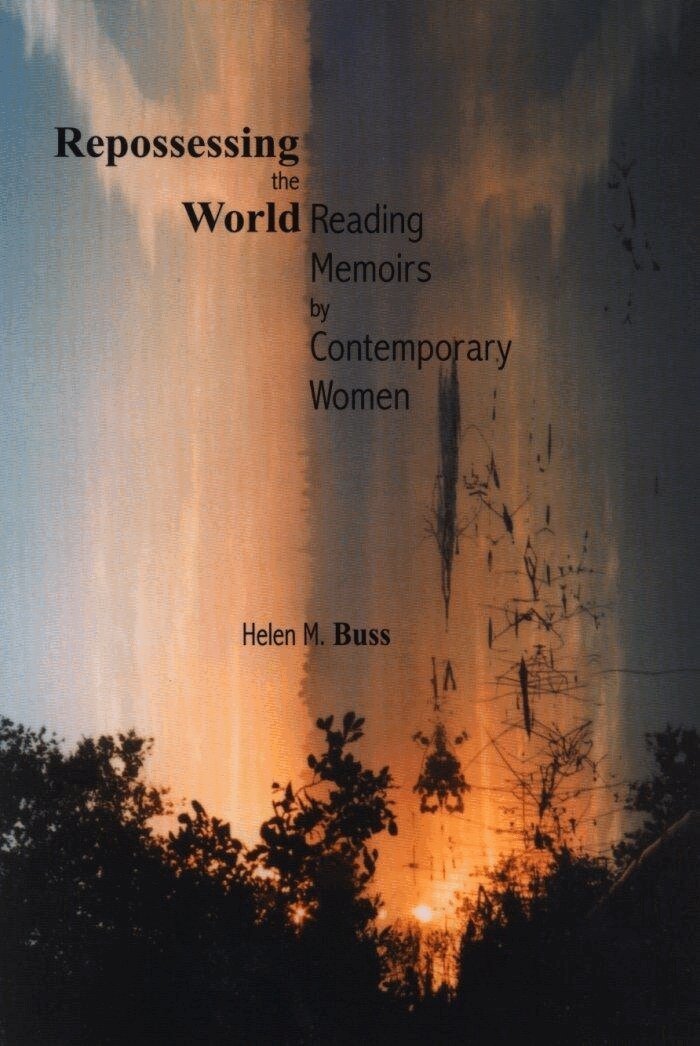
Repossessing the World
Reading Memoirs by Contemporary Women
Häftad, 2002
528 kr
Lägg i varukorg
Why does it seem as if everyone is writing memoirs, and particularly women? The current popularity of memoir verifies the common belief that we each have a story to tell. And we do...especially women. Memoirs are not only representations of women's personal lives but also of their desire to …
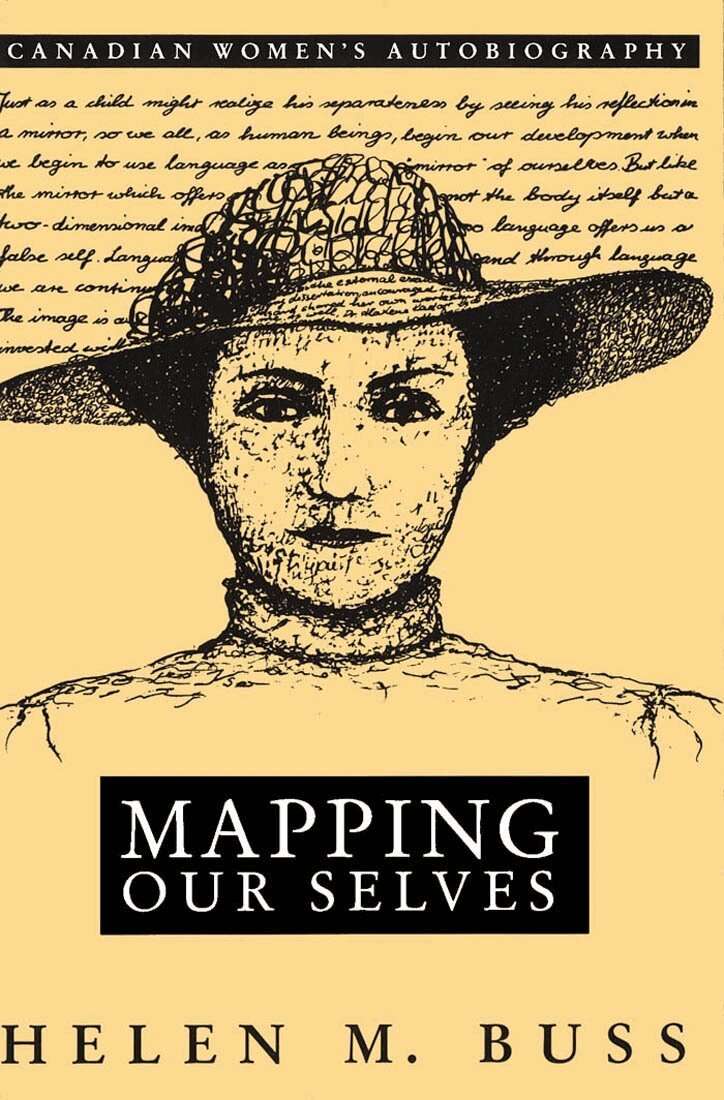
Mapping Our Selves
Canadian Women's Autobiography
Inbunden, 1993
484 kr
Tillfälligt slut
Buss supplies a framework for her study by reviewing male-centred theories of identity and some of the ways in which theorists working with women's autobiographical accounts are changing these models. The texts selected by Buss include those by Elizabeth Simcoe, Susanna Moodie, Anna Jameson, Nellie …
Mapping Our Selves
Canadian Women's Autobiography
Häftad, 1994
469 kr
Tillfälligt slut
Buss supplies a framework for her study by reviewing male-centred theories of identity and some of the ways in which theorists working with women's autobiographical accounts are changing these models. The texts selected by Buss include those by Elizabeth Simcoe, Susanna Moodie, Anna Jameson, Nellie …
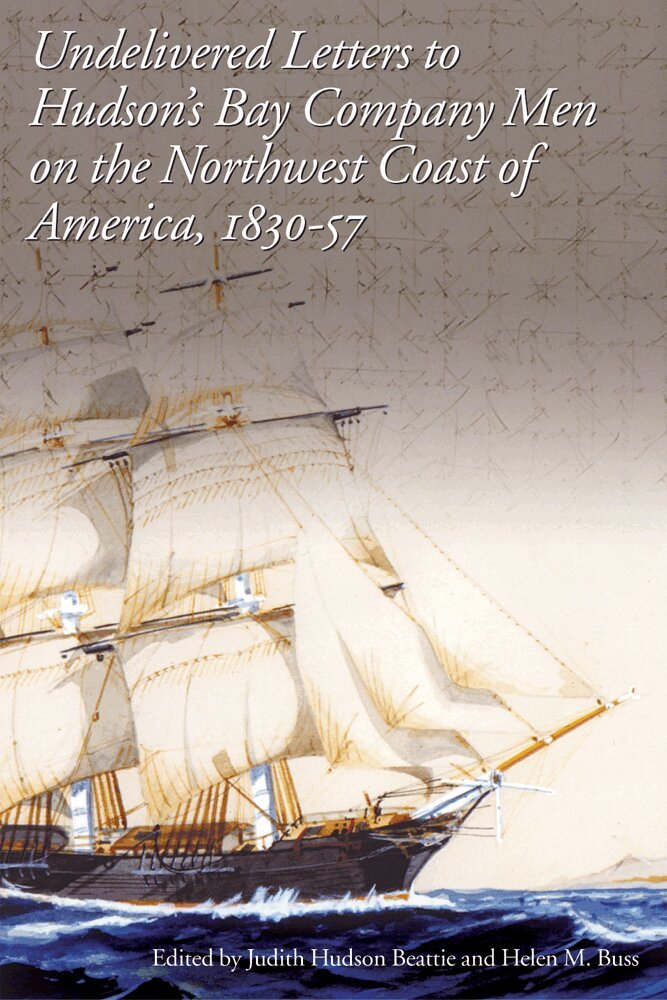
Undelivered Letters to Hudson's Bay Company Men on the Northwest Coast of America, 1830-57
Av Helen M. Buss, Judith Hudson Beattie
Häftad, 2003
439 kr
Tillfälligt slut
In the early nineteenth century, when the Hudson's Bay Company sent men to its furthest posts along the coast of North America's Pacific Northwest, the letters of those who cared for those men followed them in the Company's supply ships. Sometimes, these letters missed their objects – the men had …
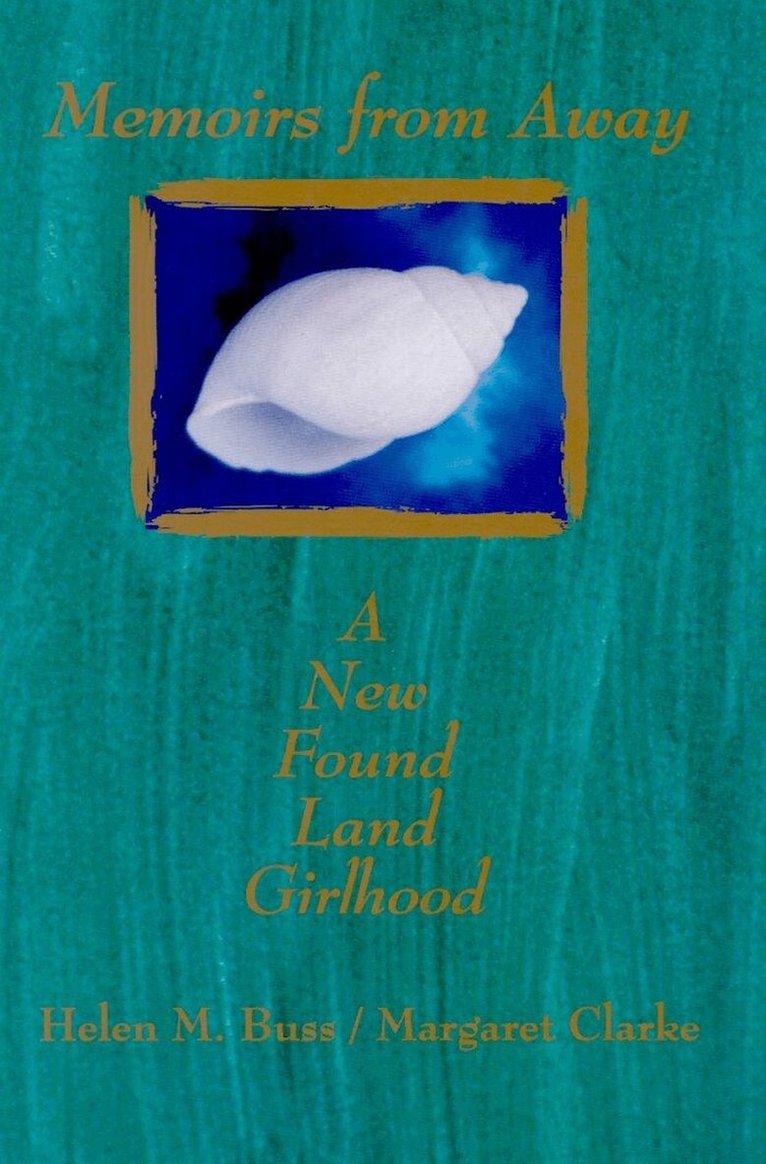
Memoirs from Away
A New Found Land Girlhood
Häftad, 1999
453 kr
Tillfälligt slut
How does the imagination entwine the shreds of memory of family, place and culture to root a self in the fluid experience of the present? Daughter, wife, mother, teacher, writer and feminist academic, Helen M. Buss / Margaret Clarke has lived in many parts of Canada and writes from a life of …
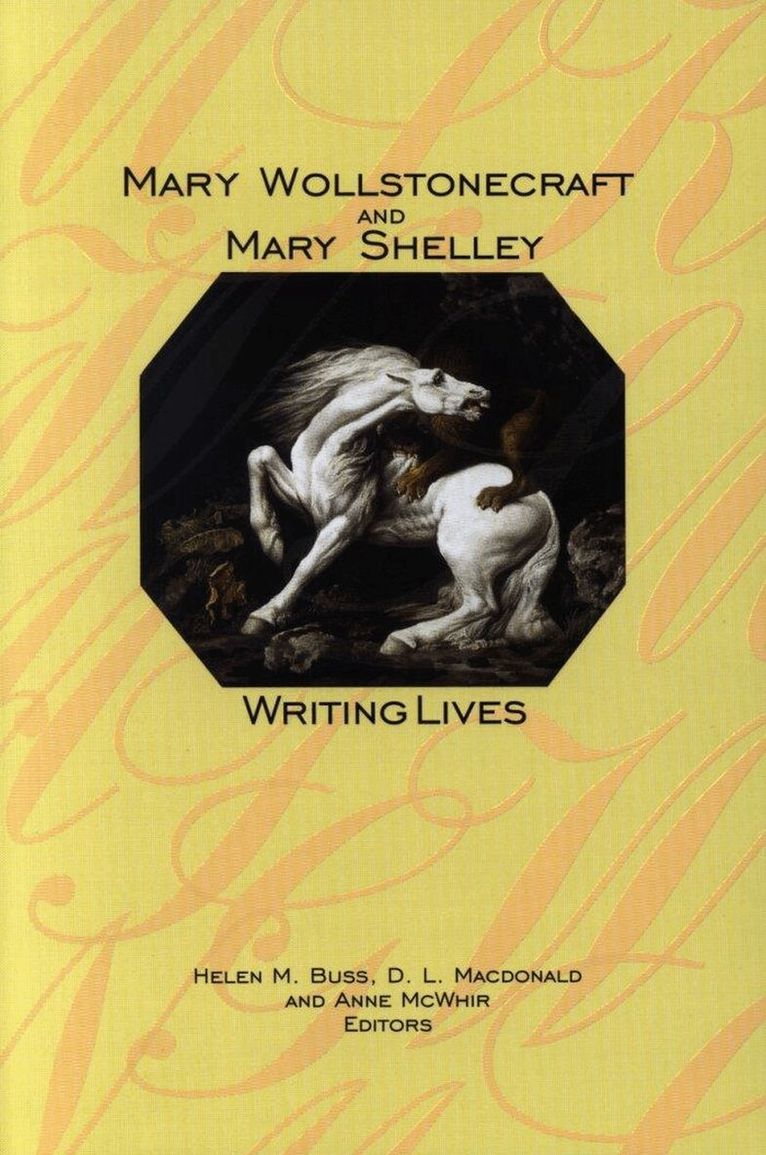
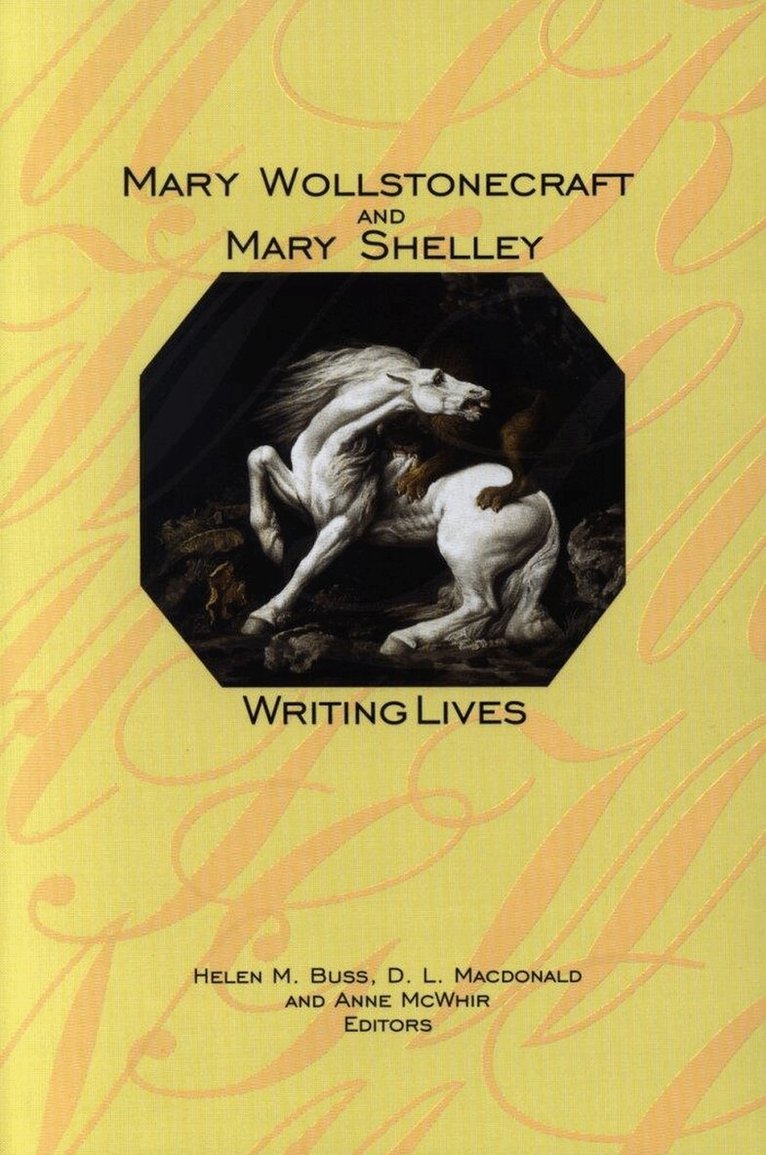
Mary Wollstonecraft and Mary Shelley
Writing Lives
Av Helen M. Buss, D. L. Macdonald m. fl.
Inbunden, 2001
651 kr
Tillfälligt slut
Pioneers in life writing, Mary Wollstonecraft, author of A Vindication of the Rights of Woman (1792), and Mary Shelley, author of Frankenstein (1818 ), are now widely regarded as two of the leading writers of the Romantic period. They are both responsible for opening up new possibilities for women …
Mary Wollstonecraft and Mary Shelley
Writing Lives
Av Helen M. Buss, D. L. Macdonald m. fl.
Häftad, 2001
651 kr
Tillfälligt slut
Pioneers in life writing, Mary Wollstonecraft, author of A Vindication of the Rights of Woman (1792), and Mary Shelley, author of Frankenstein (1818 ), are now widely regarded as two of the leading writers of the Romantic period. They are both responsible for opening up new possibilities for women …