Helen Matheson-Pollock – författare
Visar alla böcker från författaren Helen Matheson-Pollock. Handla med fri frakt och snabb leverans.
5 produkter
5 produkter
E-bok
Engelska, 2020147 kr
Läs direkt efter köp
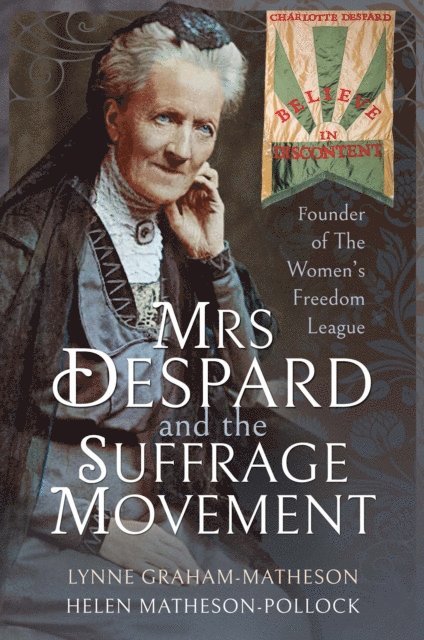
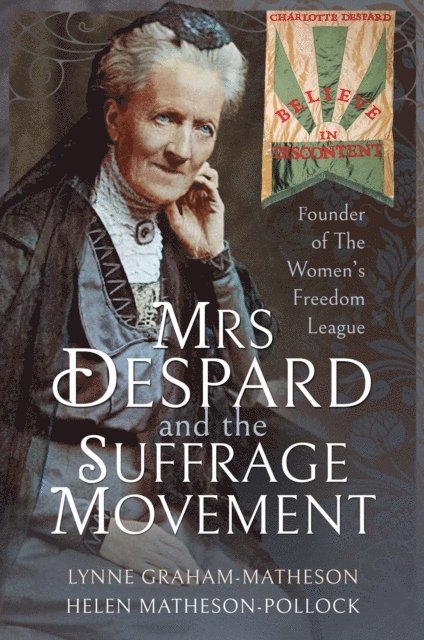
The biography of an activist who dedicated her long life to standing up for women, children, and the poor.Charlotte Despard, social reformer and suffragette, was always known as Mrs Despard, never Charlotte. Her name should be as familiar to historians as those of Emmeline Pankhurst and Millicent Fawcett—yet she remains overlooked.Born in 1844, she found solace in literature during a difficult childhood, identifying with Milton’s Satan and the romantic words of Shelley. She married Maximillian Despard and had the opportunity to explore the world and try her hand at a career as a novelist. When she was widowed in her early forties, her money and status allowed her to live a life of surprising freedom for a woman of her time. She used it to improve the lot of the poor—and moved to live among them in the London slums. She fought for better living and working conditions for all, supporting adult suffrage before becoming involved in the fight for votes for women. She joined Emmeline Pankhurst’s Women’s Social and Political Union and, when that organization split in 1907, co-founded the Women’s Freedom League, becoming its first, and much loved, president. She also served as editor of its newspaper, The Vote. When suffrage activities were largely suspended after the outbreak of WW1 in 1914, she returned to her Irish roots and moved to Dublin to support the fight for Irish home rule. After some women were enfranchised in 1918, she even tried running for Parliament. And though she died penniless at ninety-five—having given all her money to helping those less fortunate—her quiet legacy is felt to this day in causes supporting the rights of women and children.
E-bok
PDF, Engelska, 2020147 kr
Läs direkt efter köp
The biography of an activist who dedicated her long life to standing up for women, children, and the poor. Charlotte Despard, social reformer and suffragette, was always known as Mrs Despard, never Charlotte. Her name should be as familiar to historians as those of Emmeline Pankhurst and Millicent Fawcett yet she remains overlooked. Born in 1844, she found solace in literature during a difficult childhood, identifying with Milton's Satan and the romantic words of Shelley. She married Maximillian Despard and had the opportunity to explore the world and try her hand at a career as a novelist. When she was widowed in her early forties, her money and status allowed her to live a life of surprising freedom for a woman of her time. She used it to improve the lot of the poor and moved to live among them in the London slums. She fought for better living and working conditions for all, supporting adult suffrage before becoming involved in the fight for votes for women. She joined Emmeline Pankhurst's Women's Social and Political Union and, when that organization split in 1907, co-founded the Women's Freedom League, becoming its first, and much loved, president. She also served as editor of its newspaper, The Vote. When suffrage activities were largely suspended after the outbreak of WW1 in 1914, she returned to her Irish roots and moved to Dublin to support the fight for Irish home rule. After some women were enfranchised in 1918, she even tried running for Parliament. And though she died penniless at ninety-five having given all her money to helping those less fortunate her quiet legacy is felt to this day in causes supporting the rights of women and children.
Häftad, Engelska, 2019
1 337 kr
Skickas inom 10-15 vardagar
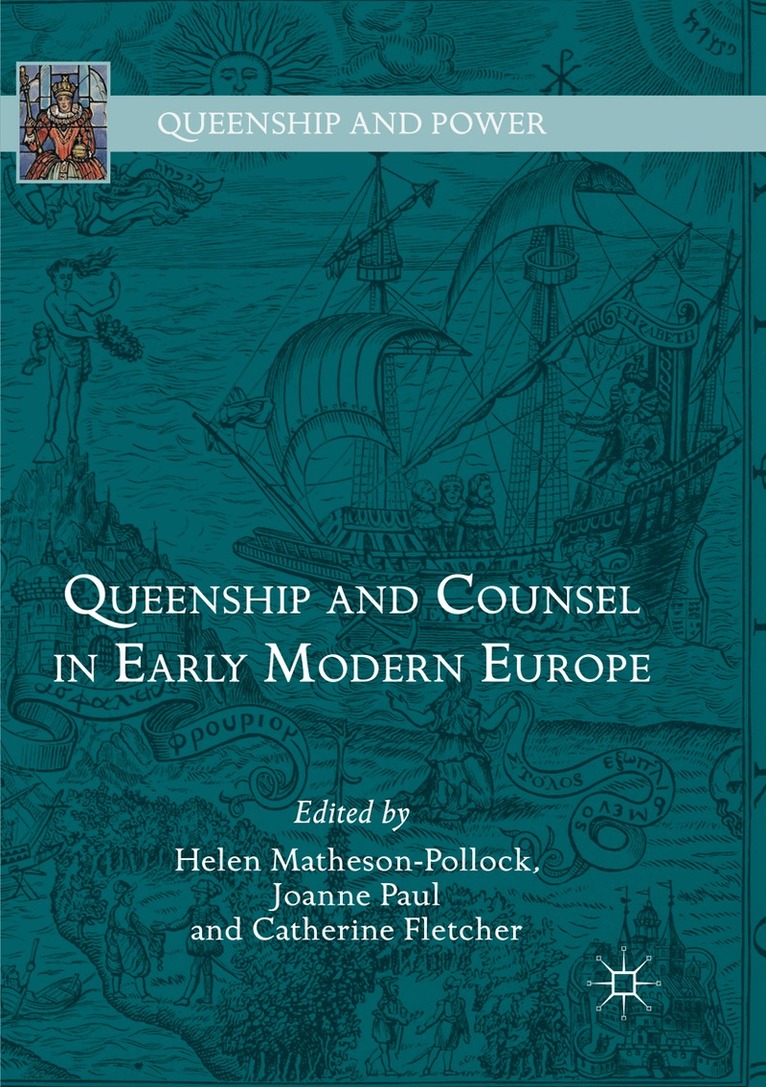
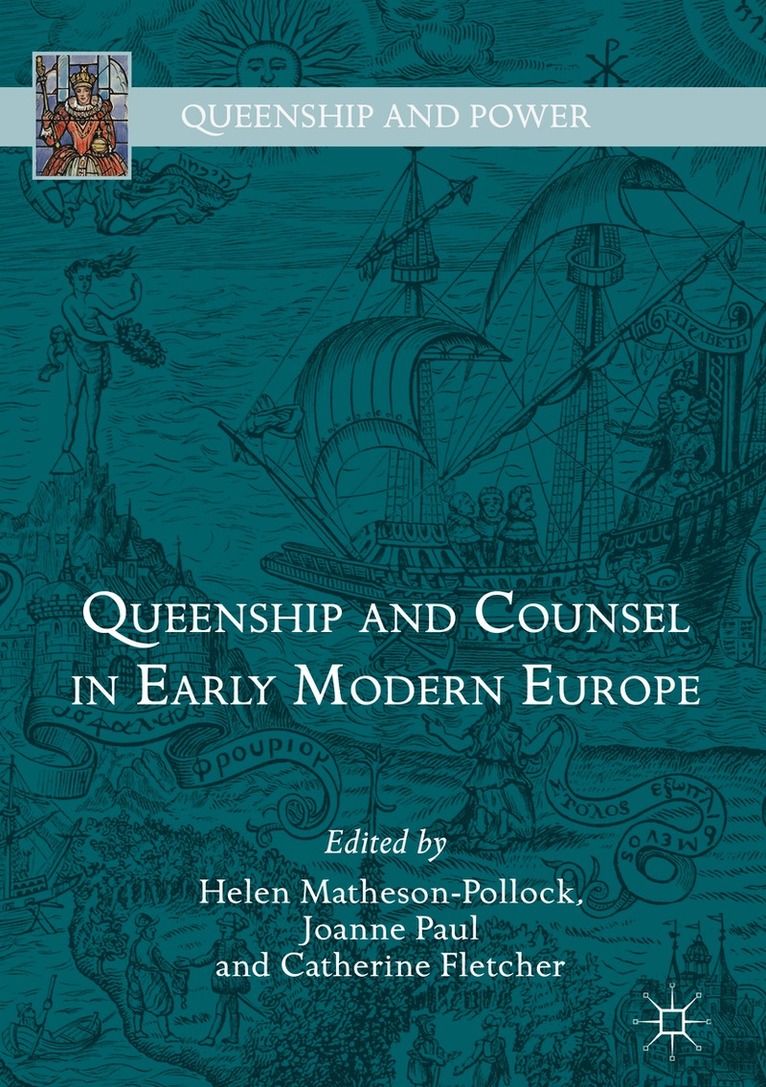
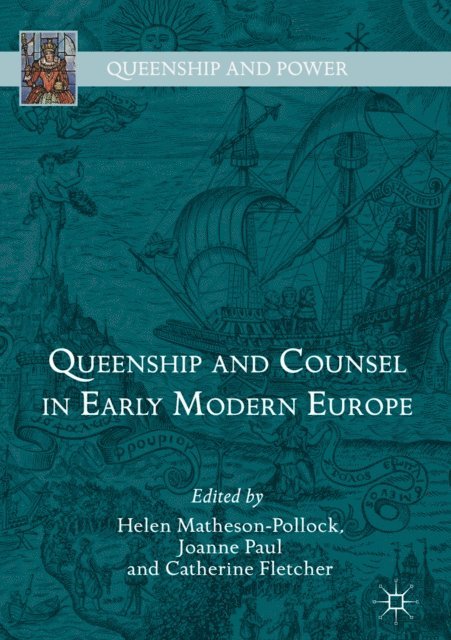
The discourse of political counsel in early modern Europe depended on the participation of men, as both counsellors and counselled. For scholars of history, politics and literature in early modern Europe, this book enriches our understanding of royal women as political actors.
Inbunden, Engelska, 2018
1 335 kr
Skickas inom 10-15 vardagar
The discourse of political counsel in early modern Europe depended on the participation of men, as both counsellors and counselled. For scholars of history, politics and literature in early modern Europe, this book enriches our understanding of royal women as political actors.
E-bok
Engelska, 20181 722 kr
Läs direkt efter köp
The discourse of political counsel in early modern Europe depended on the participation of men, as both counsellors and counselled. Women were often thought too irrational or imprudent to give or receive political advice—but they did in unprecedented numbers, as this volume shows. These essays trace the relationship between queenship and counsel through over three hundred years of history. Case studies span Europe, from Sweden and Poland-Lithuania via the Habsburg territories to England and France, and feature queens regnant, consort and regent, including Elizabeth I of England, Catherine Jagiellon of Sweden, Catherine de’ Medici and Anna of Denmark. They draw on a variety of innovative sources to recover evidence of queenly counsel, from treatises and letters to poetry, masques and architecture. For scholars of history, politics and literature in early modern Europe, this book enriches our understanding of royal women as political actors.