Helen Walasek – författare
Visar alla böcker från författaren Helen Walasek. Handla med fri frakt och snabb leverans.
3 produkter
3 produkter
697 kr
Skickas inom 10-15 vardagar
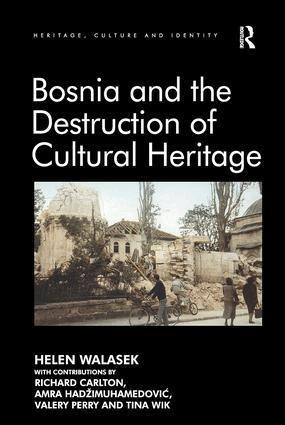
The massive intentional destruction of cultural heritage during the 1992-1995 Bosnian War targeting a historically diverse identity provoked global condemnation and became a seminal marker in the discourse on cultural heritage. It prompted an urgent reassessment of how cultural property could be protected in times of conflict and led to a more definitive recognition in international humanitarian law that destruction of a people's cultural heritage is an aspect of genocide. Yet surprisingly little has been published on the subject. This wide-ranging book provides the first comprehensive overview and critical analysis of the destruction of Bosnia-Herzegovina's cultural heritage and its far-reaching impact. Scrutinizing the responses of the international community during the war (including bodies like UNESCO and the Council of Europe), the volume also analyses how, after the conflict ended, external agendas impinged on heritage reconstruction to the detriment of the broader peace process and refugee return. It assesses implementation of Annex 8 of the Dayton Peace Agreement, a unique attempt to address the devastation to Bosnia's cultural heritage, and examines the treatment of war crimes involving cultural property at the International Criminal Tribunal for the former Yugoslavia (ICTY). With numerous case studies and plentiful illustrations, this important volume considers questions which have moved to the foreground with the inclusion of cultural heritage preservation in discussions of the right to culture in human rights discourse and as a vital element of post-conflict and development aid.
2 126 kr
Skickas inom 10-15 vardagar
The massive intentional destruction of cultural heritage during the 1992-1995 Bosnian War targeting a historically diverse identity provoked global condemnation and became a seminal marker in the discourse on cultural heritage. It prompted an urgent reassessment of how cultural property could be protected in times of conflict and led to a more definitive recognition in international humanitarian law that destruction of a people's cultural heritage is an aspect of genocide. Yet surprisingly little has been published on the subject. This wide-ranging book provides the first comprehensive overview and critical analysis of the destruction of Bosnia-Herzegovina's cultural heritage and its far-reaching impact. Scrutinizing the responses of the international community during the war (including bodies like UNESCO and the Council of Europe), the volume also analyses how, after the conflict ended, external agendas impinged on heritage reconstruction to the detriment of the broader peace process and refugee return. It assesses implementation of Annex 8 of the Dayton Peace Agreement, a unique attempt to address the devastation to Bosnia's cultural heritage, and examines the treatment of war crimes involving cultural property at the International Criminal Tribunal for the former Yugoslavia (ICTY). With numerous case studies and plentiful illustrations, this important volume considers questions which have moved to the foreground with the inclusion of cultural heritage preservation in discussions of the right to culture in human rights discourse and as a vital element of post-conflict and development aid.
695 kr
Skickas inom 5-8 vardagar
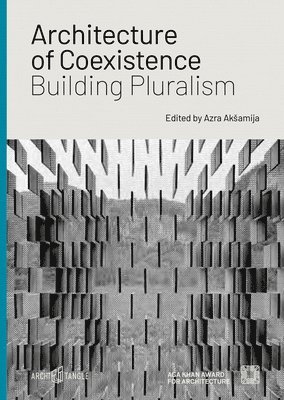
Architecture of Coexistence: Building PluralismThis book investigates how architecture can shape an open-minded and inclusive society, highlighting three internationally renowned projects: the White Mosque in Visoko, Bosnia-Herzegovina (1980); the Islamic Cemetery Altach in Altach, Austria (2012); and the Superkilen public park in Copenhagen, Denmark (2012). Scholarly essays across various disciplines, along with interviews with the architects and users of these projects, provide intriguing insights into architecture’s ability to bridge cultural differences. Soliciting a wide array of questions about migration, transculturalism, visibility, inclusion, and exclusion, the book sheds light on the long-term social processes generated between architectural form and its users.Architecture of Coexistence offers a truly interdisciplinary perspective on a very timely subject: “Building pluralism” means designing for a respectful inclusion of different cultural needs, practices, and traditions. With contributions by Azra Akšamija, Mohammad al-Asad, Ali S. Asani, Simon Burtscher-Matis, Amila Buturović, Farrokh Derakhshani, Robert Fabach, Eva Grabherr, Amra Hadžimuhamedović, Tina Gudrun Jensen, Jennifer Mack, Nasser Rabbat, Barbara Steiner, Helen Walasek and Wolfgang Welsch.Photo essays by Velibor Božović, Cemal Emden, Jesper Lambaek, and Nikolaus Walter.